

A Cheap Tube Became an Expensive Purchase
A purchasing manager was pleased with the quotation.The supplier offered Honed Tubes at a lower price than anyone else, and every tube was supplied in standard 6-meter lengths. On paper, it looked like an easy decision.Production started the following week.The hydraulic cylinders being manufactured required finished tube sections measuring approximately 820 mm.Each six-meter tube produced several usable pieces, but it also left behind short offcuts that could not be used for any future order.
After several production runs, racks in the warehouse were filled with leftover material.None of it was defective.Most of it would never be used.The purchasing department had reduced the price per tube.The factory had increased the cost per cylinder.Buying a longer tube is not always the same as buying more value.
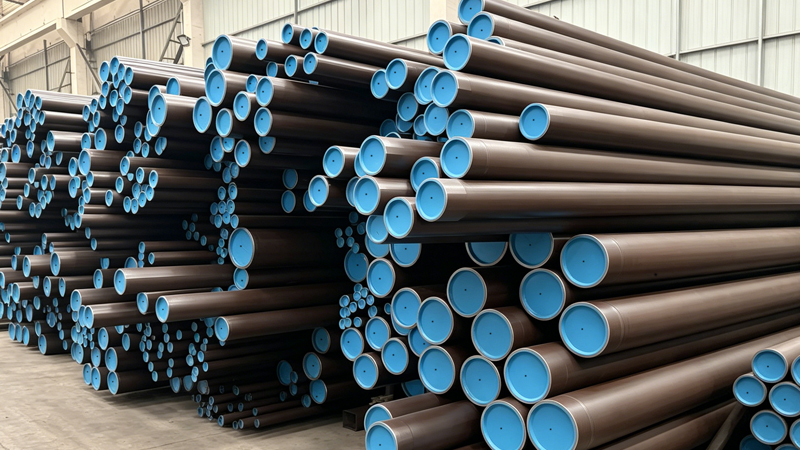
Length Is More Than a Number
When discussing Honed Tubes, buyers often focus on dimensions such as bore tolerance, material grade, or surface roughness.Length usually receives much less attention.Yet length influences almost every stage of the manufacturing process.It affects transportation.It influences warehouse storage.It changes cutting efficiency.It determines material utilization.It even impacts how quickly operators can prepare material before machining begins.
Tube length is a production decision—not simply a purchasing specification.Manufacturers that optimise tube length often reduce costs without changing material grade or machining technology.
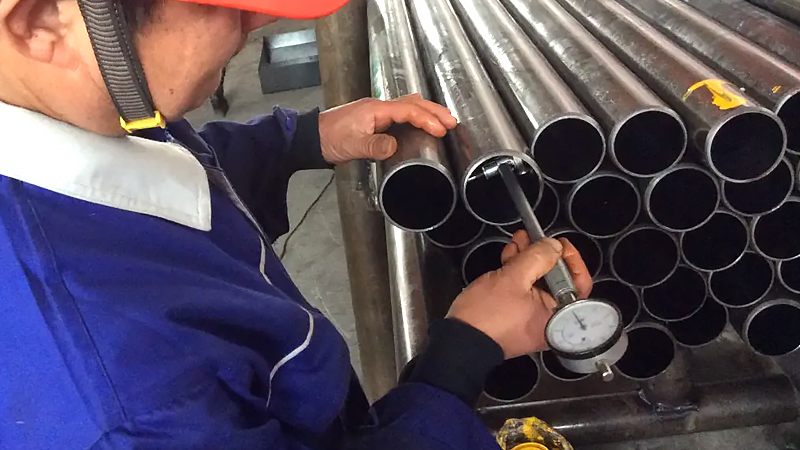
Where Manufacturing Costs Really Begin
Many production costs are created long before the first machining operation starts.Material planning is one of them.Imagine a factory producing several hydraulic cylinder models.One requires an 860 mm tube.Another requires 915 mm.A third requires 1,120 mm.
If every order arrives in the same standard length, production must repeatedly calculate cutting plans, manage different offcuts, and store leftover material that may never match future orders.None of these activities appear on the supplier’s quotation.They still consume labour, warehouse space, and production time.Waste is not created by machining alone. It is often created by poor material planning.
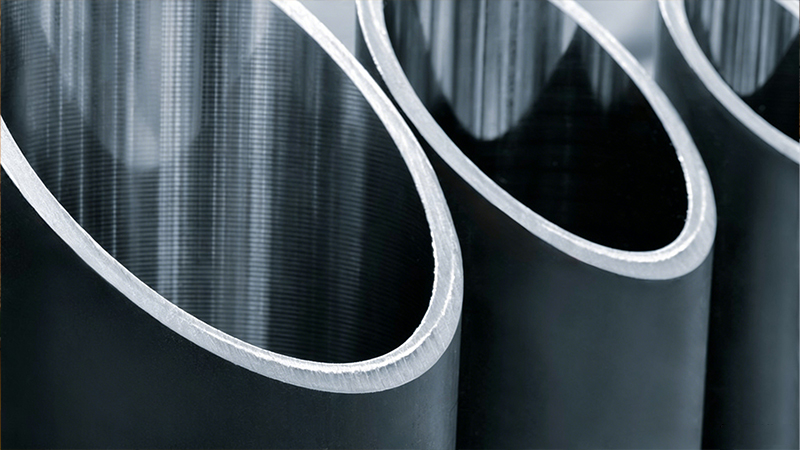
Standard Length or Cut-to-Length?
Neither approach is automatically better.The right choice depends on production volume, inventory strategy, and manufacturing flexibility.The table below illustrates the differences.
| Option | Best Suited For | Key Consideration |
|---|---|---|
| Standard Length | Stock distributors and mixed production schedules | Greater flexibility but potentially more material waste |
| Cut-to-Length | Stable production with predictable demand | Higher material utilisation and reduced cutting time |
| Custom Production Length | OEM projects and dedicated production lines | Lower waste but requires accurate production planning |
Choosing between these options should never be based on price alone.It should be based on total manufacturing efficiency.
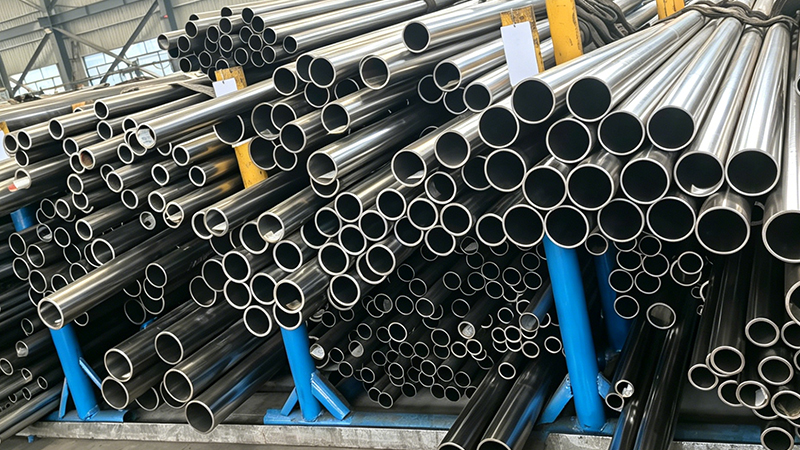
Mistakes We Often See
- Ordering standard lengths because “that’s what we’ve always bought.”
- Ignoring material utilisation when comparing supplier quotations.
- Focusing only on price per metre instead of cost per finished cylinder.
- Overlooking storage limitations for long materials.
- Treating cutting losses as unavoidable instead of manageable.
None of these mistakes are difficult to correct.They simply require purchasing and production teams to evaluate material planning together instead of separately.The most economical tube is not always the one with the lowest price per metre.
A Practical Decision Checklist Before Ordering Honed Tubes
Selecting the right Honed Tube length should begin long before a purchase order is issued. A few practical questions can help prevent unnecessary waste and improve production efficiency.
Length Selection Checklist
| Question | Why It Matters |
|---|---|
| What is the finished tube length after machining? | Determines the true material requirement rather than the drawing length. |
| How much machining allowance is needed at each end? | Prevents ordering material that is either too short or unnecessarily long. |
| Can multiple parts be cut efficiently from one tube? | Improves material utilization and reduces scrap. |
| Will leftover sections be used in future production? | Helps determine whether standard lengths remain economical. |
| Are transportation or storage limits affecting tube length? | Long materials may increase handling costs and warehouse complexity. |
These questions take only a few minutes to answer, yet they often influence manufacturing costs far more than negotiating a slightly lower material price.Good purchasing decisions begin with understanding how materials will actually be used in production.
Looking Beyond Price Per Meter
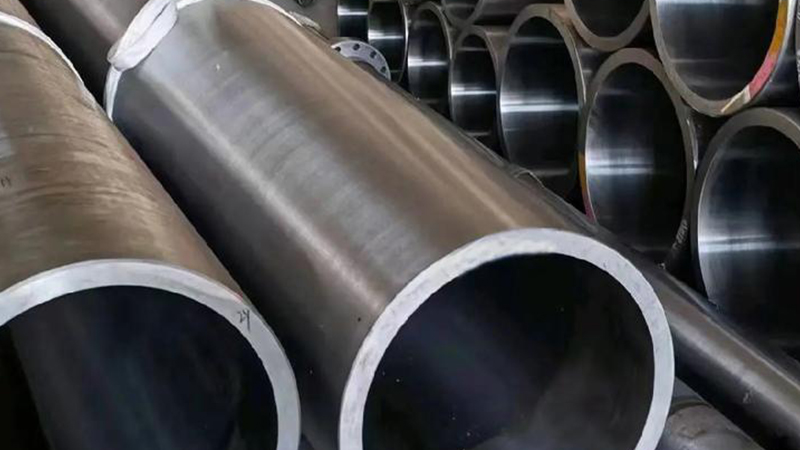
Price per metre is one of the easiest numbers to compare.It is also one of the easiest numbers to misunderstand.Imagine two suppliers.Supplier A offers a slightly lower price but supplies only standard six-metre tubes.Supplier B charges a little more per metre but delivers Cut-to-Length Honed Tubes that match the production plan.At first glance, Supplier A appears less expensive.After production begins, however, operators spend more time cutting material, warehouses store more offcuts, and scrap gradually accumulates.The purchase price has been reduced.The manufacturing cost has not.The true cost of a honed tube is measured after production starts—not before the order is placed.
Thinking Like a Production Manager
Production managers evaluate material differently from purchasing departments.Their concern is not only whether the tube meets specification, but whether it helps production remain efficient every day.They look for consistency.They look for repeatability.They look for predictable material utilization.When Honed Tubes arrive in lengths that match production requirements, operators spend less time preparing material and more time manufacturing finished products.
Small improvements repeated across hundreds or thousands of cylinders create meaningful savings over time.Efficiency is rarely created by one major improvement. It is usually built through dozens of small, well-planned decisions.
Common Misunderstandings About Tube Length
Several assumptions appear frequently during purchasing discussions.Understanding them can help manufacturers make better long-term decisions.
| Common Assumption | Practical Reality |
|---|---|
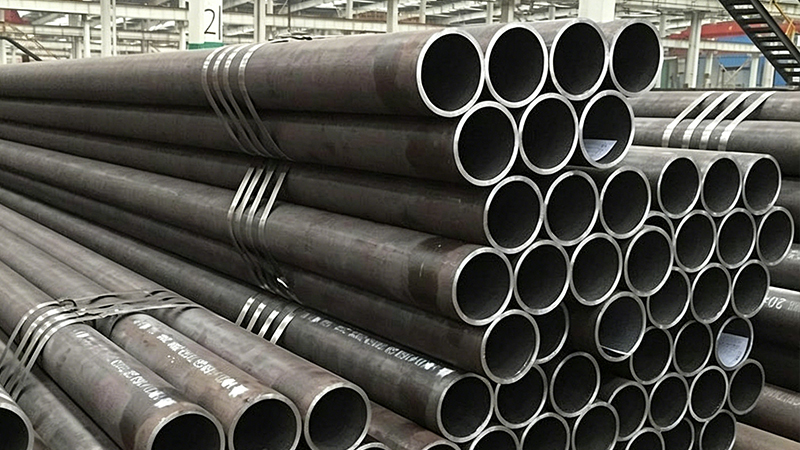
| Longer tubes always reduce costs. | Longer tubes may increase waste if production lengths are fixed. |
| Standard lengths suit every factory. | Different production volumes require different material strategies. |
| Price per metre is the best comparison. | Cost per finished component is often a more meaningful indicator. |
| Leftover material always has future value. | Offcuts without planned use eventually become inventory rather than assets. |
Material planning should support production—not simply purchasing.
Lesson Learned
The cheapest tube is not the one that costs the least to buy. It is the one that creates the least waste throughout production.Looking beyond the quotation allows manufacturers to optimise material utilization, improve workflow, and reduce the hidden costs that rarely appear on an invoice.
Related Reading
Continue exploring practical manufacturing and purchasing knowledge:
- Honed Tubes (Internal Link → Product Page)
- Chrome Plated Rods (Internal Link → Product Page)
- Before Requesting a Quote: Five Technical Details That Save Weeks of Production Time (Internal Link → Related Blog)
- The First Sign Your Honed Tube Supplier Is Losing Process Control (Internal Link → Related Blog)
- When a Honed Tube Passes Inspection but Still Creates Production Problems (Internal Link → Related Blog)
Frequently Asked Questions
Is a standard six-metre honed tube always the most economical option?
Not necessarily. Standard lengths offer flexibility, but they may generate unnecessary scrap if finished component lengths cannot be efficiently nested.
What is a cut-to-length honed tube?
A cut-to-length Honed Tube is supplied according to a specified production length, helping reduce cutting time, material waste, and handling during manufacturing.
Should purchasing departments consider machining allowance?
Yes. Finished drawing dimensions often differ from the raw material length required for production. Including machining allowance helps avoid ordering material that is too short or unnecessarily long.
Can tube length affect transportation costs?
Absolutely. Longer materials may require different loading methods, increase handling difficulty, or reduce container utilization, depending on the shipment.
How can manufacturers improve material utilization?
Review finished product dimensions, cutting layouts, machining allowances, and future production plans before placing material orders. Material utilization is most effective when purchasing and production teams plan together.
Is the lowest price per metre the best purchasing strategy?
Not always. Evaluating the total manufacturing cost—including waste, labour, storage, and cutting efficiency—provides a more accurate basis for comparison.
Need Technical Support?
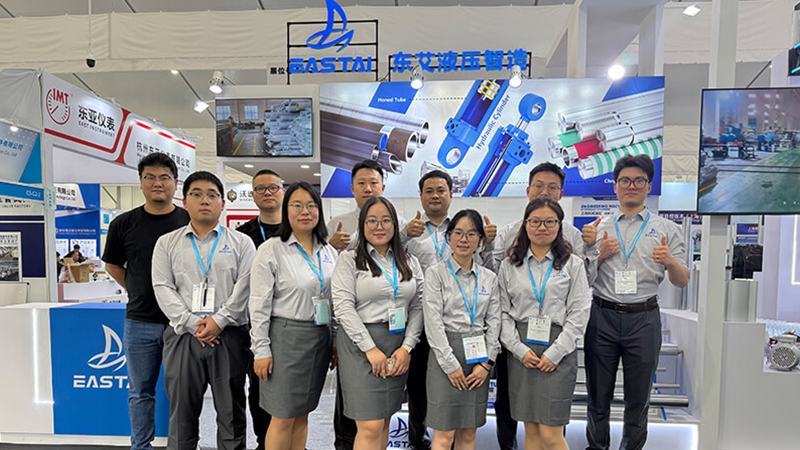
Choosing the correct Honed Tube length is about more than ordering raw material. It directly influences production efficiency, inventory management, material utilization, and overall manufacturing cost.
At EAST AI, we supply Honed Tubes in standard, custom, and cut-to-length configurations to support different manufacturing strategies. Whether you’re reviewing a new hydraulic cylinder project, optimising cutting layouts, or comparing sourcing options, our engineering team can help evaluate practical solutions based on your production requirements rather than simply recommending a standard size.