
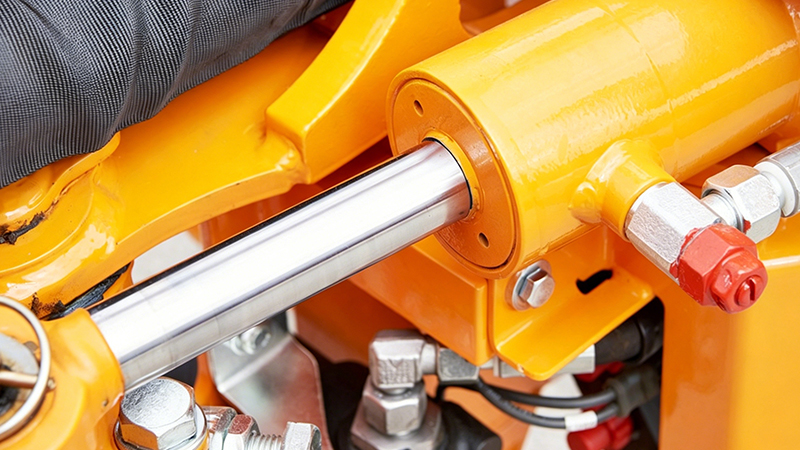
A hydraulics service manager once described the trap his shop kept falling into: a leaking cylinder would come in, his technician would fit a new seal kit, and the cylinder would go back out the door, only to return leaking again a month later. The seal was never the real problem; the bore was worn or the rod was scored, and a new seal against a bad surface never had a chance. Each of those jobs cost him twice, and worse, it cost him a customer’s confidence. Knowing when a cylinder needs only a reseal and when it needs a full rebuild is the core skill of profitable cylinder repair.
For a service provider, the reseal-versus-rebuild decision is made on almost every cylinder that comes through the door, and getting it right protects both margin and reputation. A reseal that should have been a rebuild comes straight back; a rebuild where a reseal would have done wastes the customer’s money. This guide sets out how to diagnose a cylinder properly and decide what it actually needs, based on the condition of the three things that matter: the bore, the rod, and the seals.
Start with a proper diagnosis
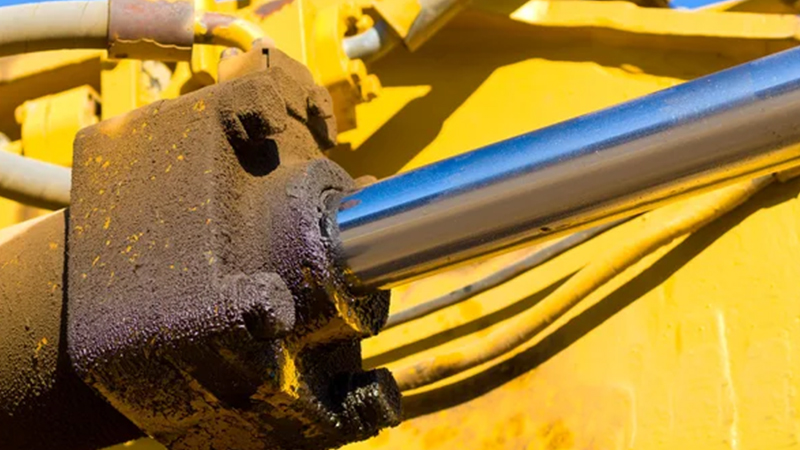
The single most important step, and the one most often skipped, is to fully disassemble and inspect the cylinder before deciding anything. A cylinder that is simply resealed without inspection is a gamble, because the leak the customer reported is a symptom, and the cause could be a worn seal, a damaged bore, a scored rod, or a combination. Only by stripping the cylinder and examining each component can you know what is really wrong and therefore what the repair must address.
During disassembly, note how and where the cylinder was leaking and what the old seals look like, because they tell a story. Seals that are simply worn or hardened with age suggest a straightforward reseal, while seals that are cut, extruded, or worn unevenly point to an underlying problem such as a damaged bore, a bent rod, or side loading that will destroy new seals just as fast. Reading the failed seals is the first clue to whether the job is a reseal or something more.
With the cylinder apart and cleaned, inspect the three key elements in turn: the bore of the barrel, the rod, and the sealing and bearing components. This structured inspection is what turns guesswork into a reliable decision. It takes time, but far less time than doing the job twice, and it is the foundation of a repair that lasts and a customer who trusts your diagnosis.
When a reseal is enough
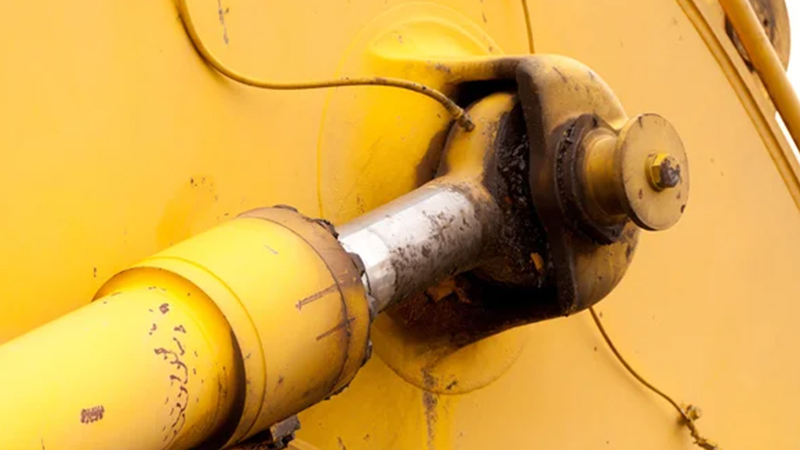
A reseal, replacing the seals and wear components while reusing the barrel and rod, is the right and economical choice when the bore and rod are still in good condition. If the bore is smooth, within its inner diameter tolerance, still shows its honed cross-hatch, and is free of scoring and corrosion, and if the rod’s chrome surface is intact, unscored, and straight, then the metal parts are sound and only the seals have worn out. Fitting a quality seal kit restores the cylinder to good service.
This is the common case for cylinders that have simply reached the end of normal seal life, where age and cycles have worn the seals but the harder metal surfaces have plenty of life left. A reseal here is quick, inexpensive, and durable, and it is exactly what the customer wants: a cheap repair that lasts. Recognising a genuine reseal candidate and not over-selling a rebuild builds trust and repeat business.
The judgement, though, depends entirely on the earlier inspection confirming the bore and rod are good. A reseal is only enough when the surfaces the new seals will run against are in good condition, because seals seal against surfaces, and a perfect seal against a worn bore still leaks. This is why the temptation to reseal without inspecting is so dangerous: it applies the cheapest fix without confirming the conditions that make it work.
When the bore needs a rebuild
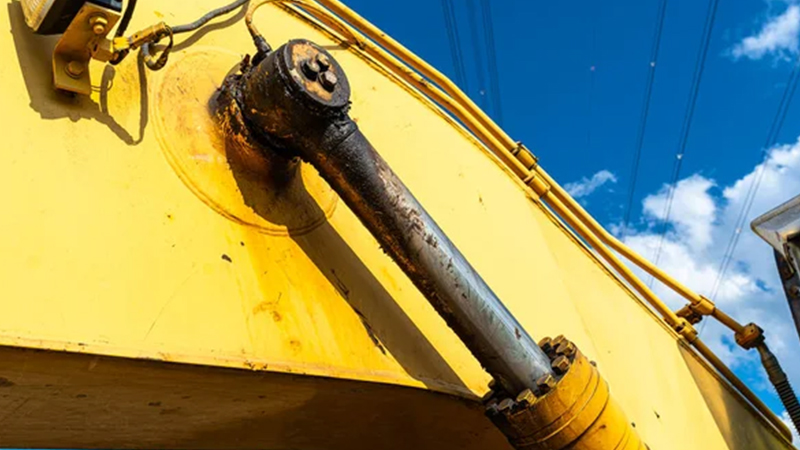
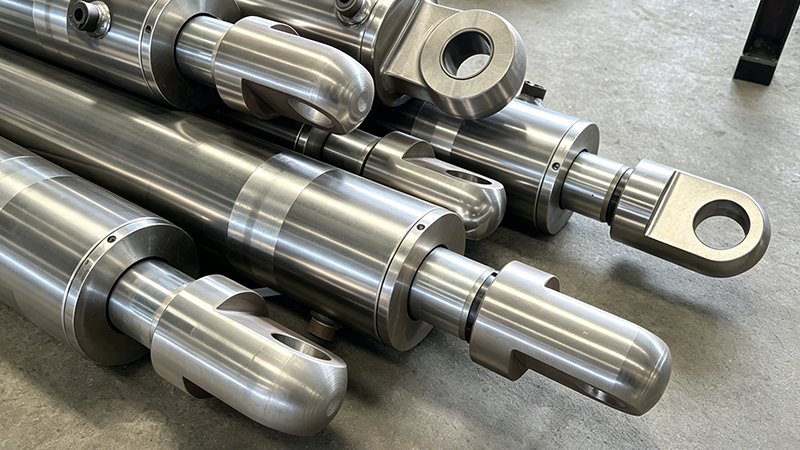
If inspection shows the bore is worn oversize, scored, oval, or corroded, a reseal will not hold, and the barrel needs to be reconditioned, which is where a rebuild begins. A bore that has worn beyond its tolerance no longer compresses the seal correctly, and a scored or pitted bore tears the seal, so new seals against such a bore fail quickly. The barrel must be restored before it can seal again.
Reconditioning a worn bore usually means re-honing it to clean up the surface and restore the finish, and if the wear is significant, honing to a larger diameter and fitting an oversized piston and seals to suit. In more severe cases, where the bore is too far gone to hone within limits, the barrel itself may need to be replaced with new honed tube. This is why a service provider needs access to honed tube and honing capability: bore reconditioning is central to real cylinder rebuilding.
Deciding between re-honing the existing barrel and replacing it with new honed tube comes down to how much material must be removed and whether the barrel stays within safe wall thickness and diameter limits. Light bore damage cleans up with honing; heavy damage, deep pitting, or a bore already at its wear limit calls for a new barrel. Either way, the point is that a cylinder with a bad bore needs its bore fixed, not just new seals, and pricing the job accordingly is honest and necessary.
When the rod needs attention, and pricing the job
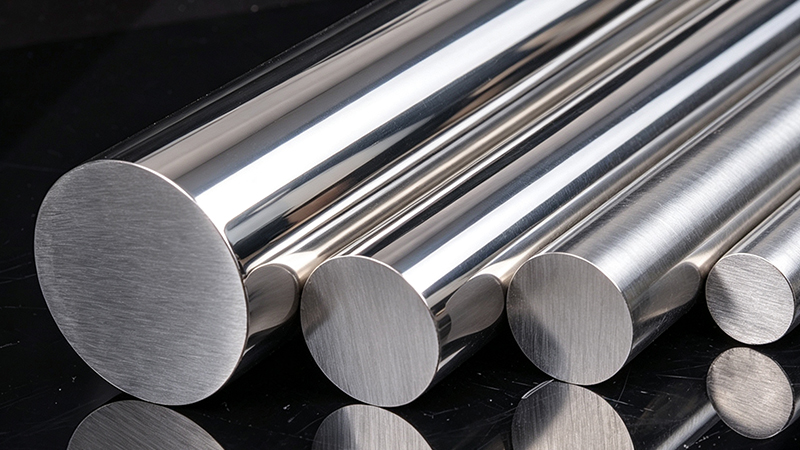
The rod is the third element, and its condition can turn a reseal into a rebuild just as surely as the bore. A rod with a scored or worn chrome surface will chew through a new rod seal, and a corroded or pitted rod does the same, so a damaged rod must be addressed rather than reassembled. Depending on the damage, this means re-chroming the rod, as discussed for surface damage on sound steel, or replacing the rod where the steel is pitted, bent, or cracked.
A bent rod deserves particular attention, because it not only damages seals but signals possible side loading or misuse that will recur. Reassembling a cylinder with a bent rod guarantees repeat failure, so the rod must be straightened, re-chromed, or replaced, and the cause of the bend considered. Checking the rod’s straightness and surface as part of the diagnosis ensures you do not build a rebuild around a rod that will destroy it.
Pricing and communicating the job well is the final piece. Once you have diagnosed the cylinder, explain clearly to the customer whether it needs a reseal or a rebuild and why, ideally showing them the worn bore or scored rod that drives the decision. A transparent diagnosis lets the customer make an informed choice and understand the price, and it protects you from the accusation of over-selling. A service provider who diagnoses honestly, does the right level of repair, and can back it up becomes the shop that customers return to, precisely because the repairs hold.
Related Reading
- Honed Tube product range: https://eaihydraulic.com/product-cate/honed-tube/
- Chrome Plated Rod product range: https://eaihydraulic.com/product-cate/chrome-plated-rod/
The Right Repair, Backed by the Right Parts
A rebuild is only as good as the honed tube and rod that go into it. EAST AI has supplied the cylinder repair trade since 2006, and we provide the tube and rod you need to turn a diagnosis into a repair that lasts.
What we offer:
- Honed tube for barrel replacement and re-honing to oversize
- Chrome plated rod for rod replacement in the popular repair sizes
- Consistent tolerance and finish so your rebuilds seal first time
- Mill certificates and technical support for confident repair pricing
Diagnosing a tough cylinder? Talk to us about the parts to fix it right. Email: market@east-ai.com | Phone: +86 13771568763 Address: Wuxi, Jiangsu, China.
Written by Alex, Production Engineer at EAST AI