
Introduction
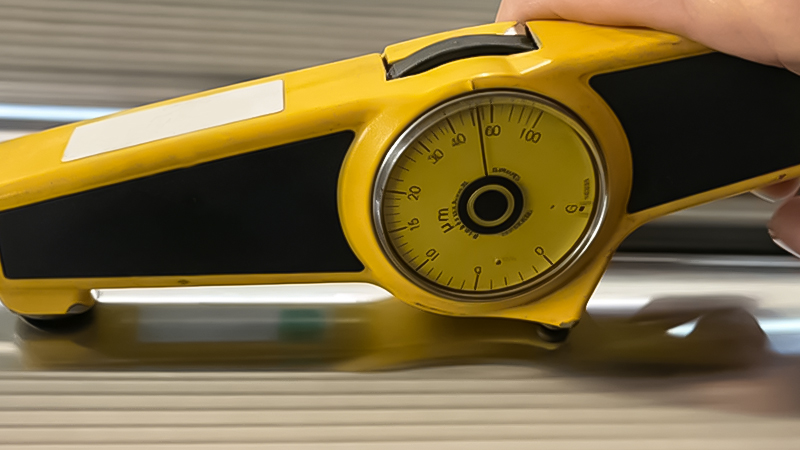
During supplier discussions, chrome thickness is often one of the first specifications mentioned.
20 microns.
25 microns.
30 microns.
The conversation usually revolves around numbers because they are easy to compare.
On paper, thicker chrome plating appears to offer better protection. Many purchasing decisions are made with that assumption in mind.
Yet field performance does not always follow the same logic.
Most hydraulic cylinder manufacturers have encountered situations where two chrome plated rods with similar specifications deliver very different results in service. One remains stable after years of exposure to moisture, dust, and changing temperatures. The other begins showing signs of corrosion much sooner than expected.
When this happens, the root cause is rarely chrome thickness alone.
Corrosion resistance is usually influenced by a combination of material quality, surface preparation, plating consistency, and process control long before the rod reaches the customer.
The Number on the Drawing Is Only Part of the Story
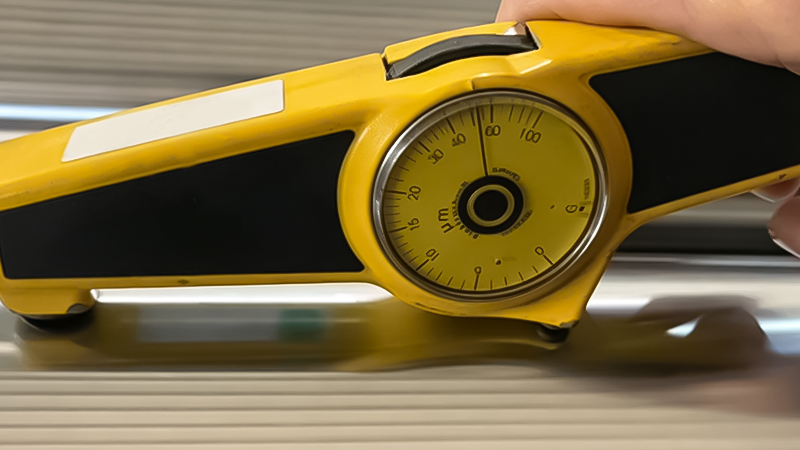
Chrome thickness is important.
Without sufficient plating thickness, the protective layer may wear prematurely, exposing the base material to the operating environment.
The challenge is that thickness only measures one aspect of the plating.
It does not reveal:
- How well the chrome layer is bonded to the base material
- Whether plating thickness is uniform across the rod
- The condition of the substrate before plating
- The quality of surface grinding after plating
- The consistency of the production process from batch to batch
Two rods can share the same nominal chrome thickness while having very different long-term corrosion performance.
This is one reason experienced buyers rarely evaluate chrome plated rods based on thickness alone.
Surface Preparation Starts the Process
Corrosion resistance begins before plating.
The condition of the base material and surface preparation directly affects how well the chrome layer performs later.
If surface contamination, scale, or preparation defects are present before plating, they may create weak points beneath the protective layer.
The rod may pass incoming inspection.
It may even pass initial testing.
The problem often appears months later, when moisture and operating conditions begin exposing those imperfections.
In practice, many corrosion issues can be traced back to preparation stages that received little attention because the finished rod looked acceptable after plating.
Uniformity Matters More Than Maximum Thickness
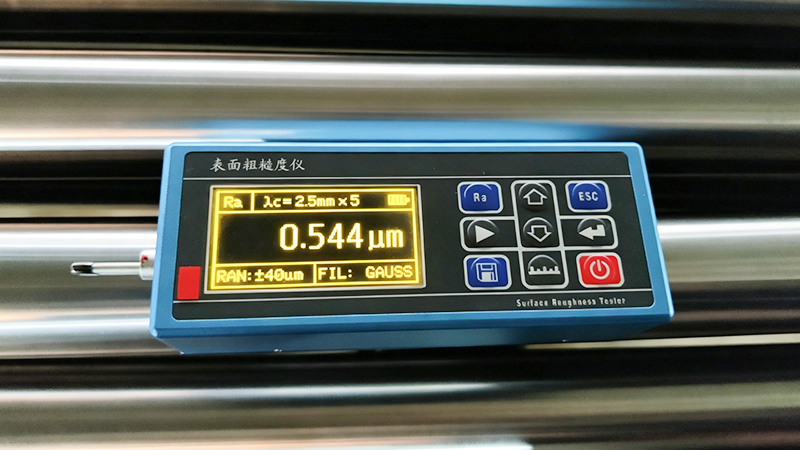
A rod with perfectly consistent chrome distribution often performs better than a rod with excessive thickness variation.
This becomes especially important on longer rods.
During production reviews, uneven plating distribution is one of the factors engineers frequently examine when investigating unexpected corrosion behavior.
A localized thin area can become the first point of attack, even if average plating thickness meets specification.
From a performance standpoint, consistency is often more valuable than chasing the highest number on a specification sheet.
The Role of Base Material Quality
Chrome plating acts as a protective layer.
It does not replace the importance of the material underneath.
Material composition, cleanliness, and structural integrity continue to influence overall performance throughout the rod’s service life.
This is particularly noticeable in demanding applications where rods are exposed to:
- Outdoor environments
- High humidity
- Frequent temperature changes
- Industrial contamination
When the underlying material varies from batch to batch, corrosion behavior can become less predictable, even when plating specifications remain unchanged.
This is why many equipment manufacturers place increasing emphasis on raw material traceability and supplier consistency.
What Grinding Quality Reveals
After plating, surface grinding determines much of the final working condition of the rod.
The goal is not simply achieving dimensional accuracy.
Grinding quality affects:
- Surface finish consistency
- Contact behavior with seals
- Wear characteristics
- Long-term corrosion performance
A well-controlled grinding process produces a uniform working surface that helps preserve both sealing performance and surface protection.
Small inconsistencies may not be visible during inspection, but they often become visible during years of operation.
Looking at Corrosion Complaints from a Different Perspective
A few years ago, an equipment manufacturer reported premature corrosion on hydraulic rods used in a coastal environment.
The initial assumption was straightforward.
Chrome thickness must have been insufficient.
Inspection results told a different story.
The rods met the specified plating thickness requirement.
Further investigation shifted attention toward process consistency, surface preparation, and plating distribution.
The issue was not linked to a single measurement.
It was the result of several small variations that collectively reduced long-term corrosion resistance.
Situations like this are not unusual.
Many field failures originate from factors that never appear as headline specifications on a quotation sheet.
What Experienced Buyers Usually Look For
When evaluating chrome plated rod suppliers, experienced buyers tend to ask broader questions.
They want to understand:
- How materials are sourced
- Whether plating processes are controlled consistently
- How dimensional stability is maintained
- What inspection procedures are used
- Whether quality remains stable between production batches
These discussions often reveal more about future performance than chrome thickness alone.
Because in industrial applications, the challenge is rarely producing one good rod.
The challenge is producing the same quality repeatedly over time.
Final Thoughts
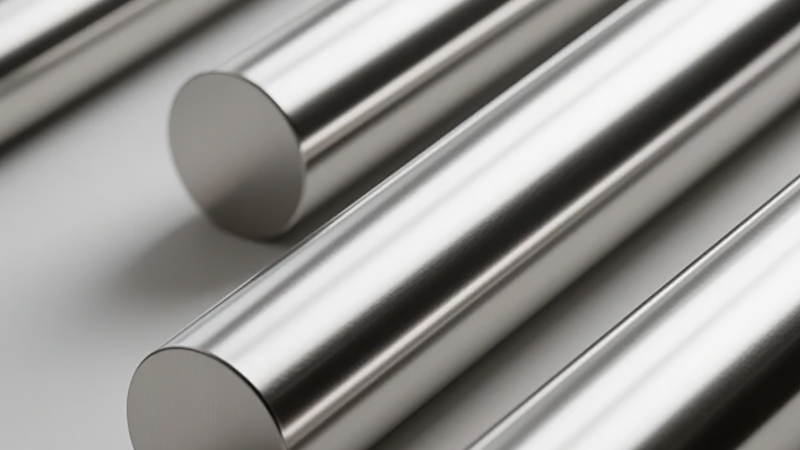
Chrome thickness remains an important specification.
Ignoring it would be a mistake.
At the same time, it should not be treated as the only indicator of corrosion resistance.
Long-term performance is shaped by a chain of manufacturing decisions, including material selection, surface preparation, plating quality, grinding control, and inspection standards.
The most reliable chrome plated rods are rarely the result of a single specification.
They are usually the result of a production process that consistently controls every step leading up to the finished product.
For manufacturers building hydraulic cylinders, construction equipment, agricultural machinery, and industrial systems, that consistency often becomes more valuable than any individual number on a drawing.
Does thicker chrome plating always provide better corrosion resistance?
Not necessarily. Corrosion performance also depends on plating quality, surface preparation, substrate condition, and manufacturing consistency.
Can two rods with the same chrome thickness perform differently?
Yes. Differences in plating uniformity, material quality, grinding processes, and process control can significantly influence long-term performance.
Why do some rods corrode even when specifications are met?
Meeting a specification does not always guarantee consistent production quality. Corrosion issues are often related to multiple factors rather than a single measurement.
Is chrome thickness still important?
Absolutely. Adequate plating thickness is essential, but it should be evaluated alongside other quality indicators.
Need Technical Support?
When evaluating chrome plated rods for hydraulic cylinders or industrial equipment, focusing on a single specification rarely provides the full picture.
Material consistency, plating quality, dimensional stability, and process control all influence how a rod performs after it leaves the factory.
EAST AI manufactures Chrome Plated Rods, Honed Tubes, and hydraulic cylinder components according to customer drawings and application requirements.
Whether you are reviewing a new supplier, comparing material options, or investigating performance differences between batches, our engineering team is available to discuss technical requirements and share practical manufacturing insights.