
Written by Alex, Production Engineer at EAST AI
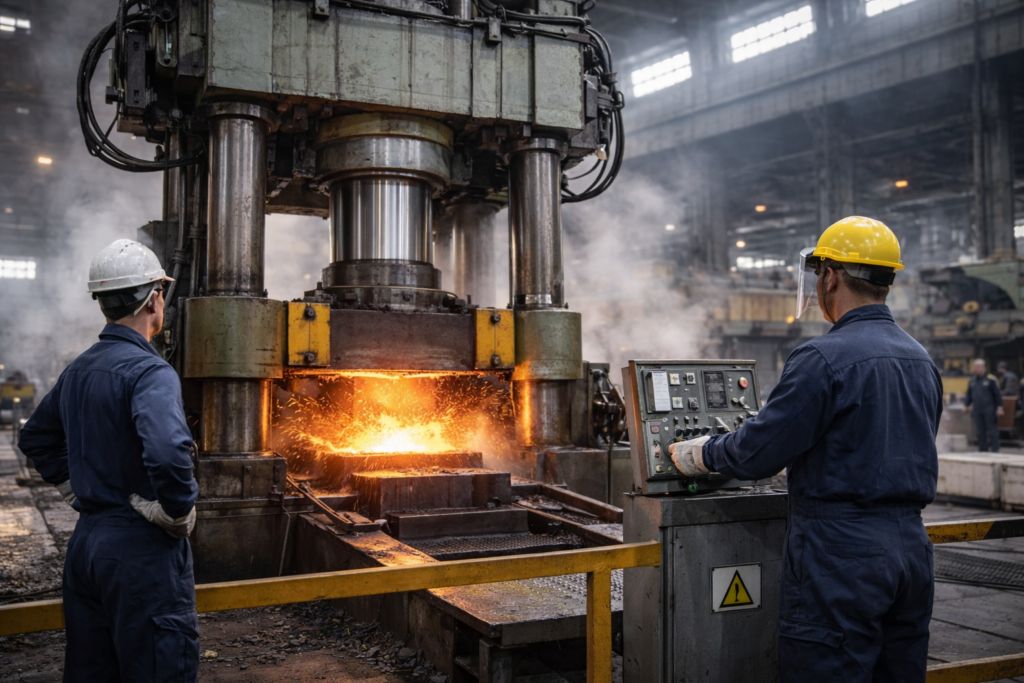
A hydraulic cylinder working near a rolling mill or continuous casting line deals with two things most industrial equipment never has to handle together: real radiant heat from nearby molten or hot-rolled steel, and hard, abrasive mill scale that behaves very differently from ordinary dust contamination. A chrome plated rod spec written for general industrial duty doesn’t automatically hold up in that environment.
We’ve supplied chrome plated rod into metallurgical and steel mill equipment programs enough times to know that heat exposure and scale contamination need to be addressed specifically, not assumed to be covered by a standard industrial spec.
Why Radiant Heat Changes the Chrome Plating Conversation
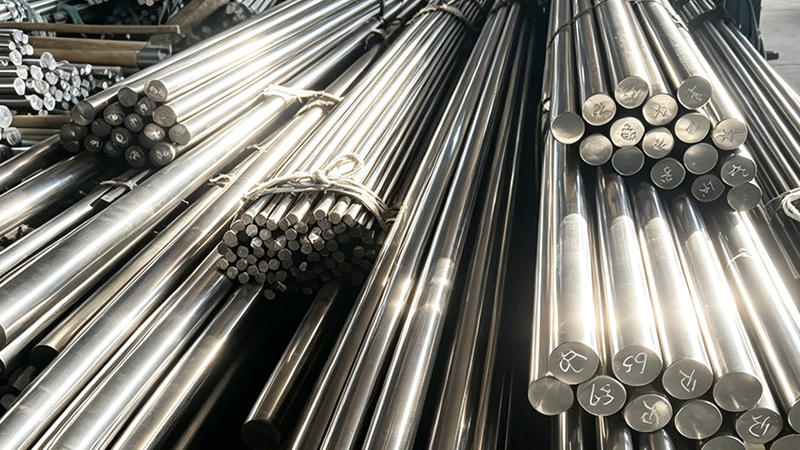
Chrome plating’s hardness and wear performance are stable across a wide temperature range, but sustained exposure to elevated temperatures near hot-rolled steel or furnace equipment can affect seal materials and, in more extreme cases, the base rod’s mechanical properties if temperatures approach the tempering range of the heat treatment used. We ask steel mill customers for the actual ambient and radiant heat exposure their cylinders see in service, since this affects both material and heat treatment recommendations, not just seal selection.
Mill Scale as an Abrasive Contaminant
Mill scale — the iron oxide layer that forms and flakes off hot steel during rolling — is harder and more abrasive than typical industrial dust, and it’s a contamination source that’s specific to steel mill environments rather than something general industrial equipment is designed around. A rod’s chrome surface hardness and the seal’s contamination tolerance both need to account for this specifically, because scale particles can behave more like a grinding medium than ordinary dirt once they reach the seal interface.
Chrome Layer Hardness for Combined Heat and Abrasion
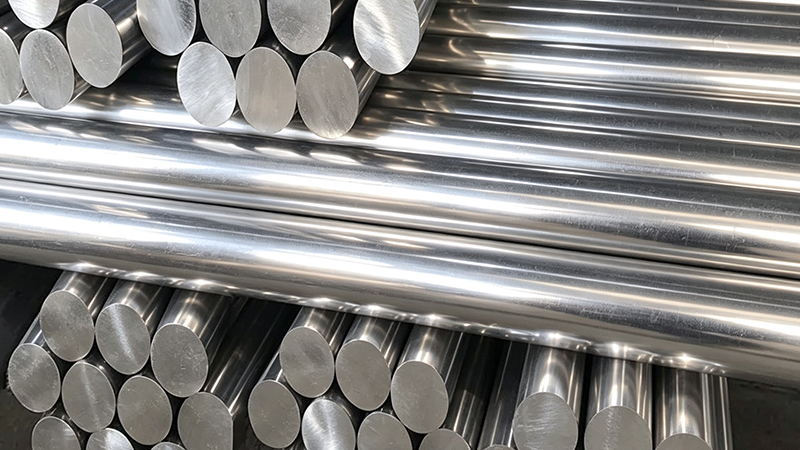
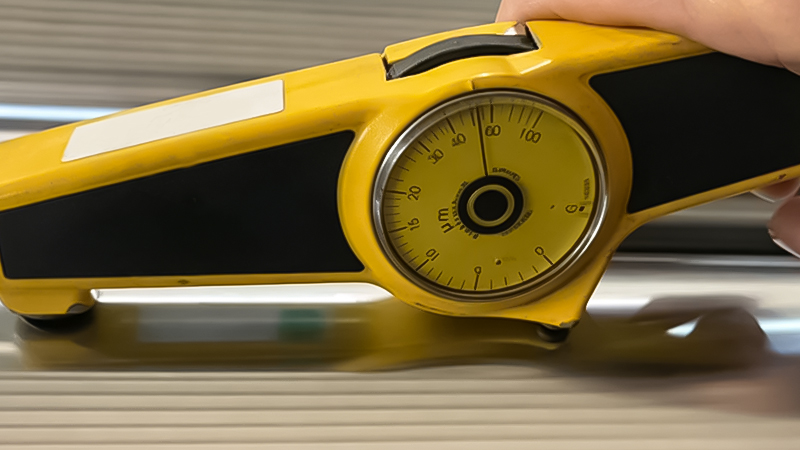
We hold chrome layer hardness at roughly 850HV as standard, which gives good scratch and wear resistance under normal industrial contamination. For steel mill applications combining scale contamination with elevated ambient temperature, we pay closer attention to plating process consistency, since both heat cycling and abrasive contamination place more demand on plating integrity than either factor alone would.
Base Material Selection for Steel Mill Duty
Steel mill equipment frequently runs at higher working pressure with heavier, more sustained loading than general industrial applications, which is one of the reasons we often recommend alloy steel base materials like 42CrMo or 40Cr over standard CK45 for this sector — the added strength margin matters when the equipment is also dealing with a harsher operating environment than typical industrial duty.
A Field Issue Worth Knowing About
One pattern worth mentioning: a steel mill equipment operator reported accelerated rod wear on cylinders positioned closer to the rolling line than the original equipment design had assumed, after a line reconfiguration moved certain hydraulic equipment nearer to the hot rolling process. The original rod spec had been adequate for the equipment’s original position, but the new proximity introduced heat and scale exposure the original spec hadn’t accounted for.
Once the actual new operating position and exposure were disclosed, we recommended a revised seal type rated for the higher heat exposure alongside the existing rod spec, resolving the wear issue without needing to change the base rod material itself. This is a reminder that steel mill customers should flag any change in equipment positioning relative to the hot process line, since it can change the operating environment meaningfully even without a change to the cylinder itself.
How We Support Metallurgical Equipment Programs
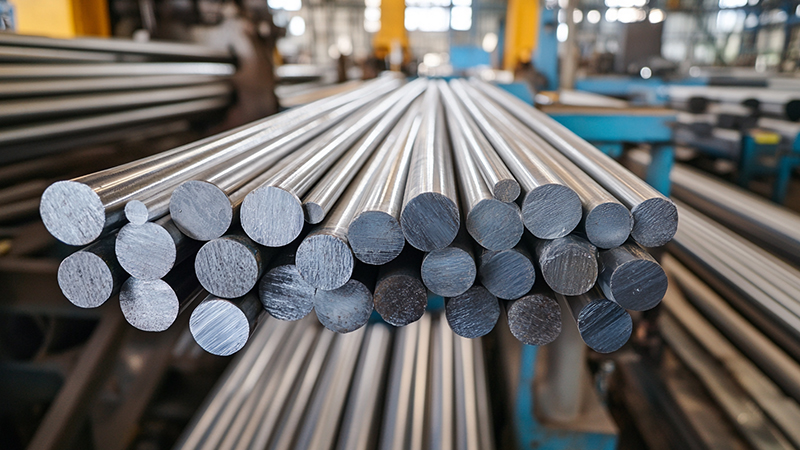
Steel mill and metallurgical equipment often runs in continuous, high-value production processes where unplanned hydraulic downtime carries a significant cost. We keep the alloy grades and chrome plating capacity commonly used for this sector positioned for faster turnaround, and every batch goes through full dimensional and surface inspection regardless of order urgency.
What to Send With Your RFQ
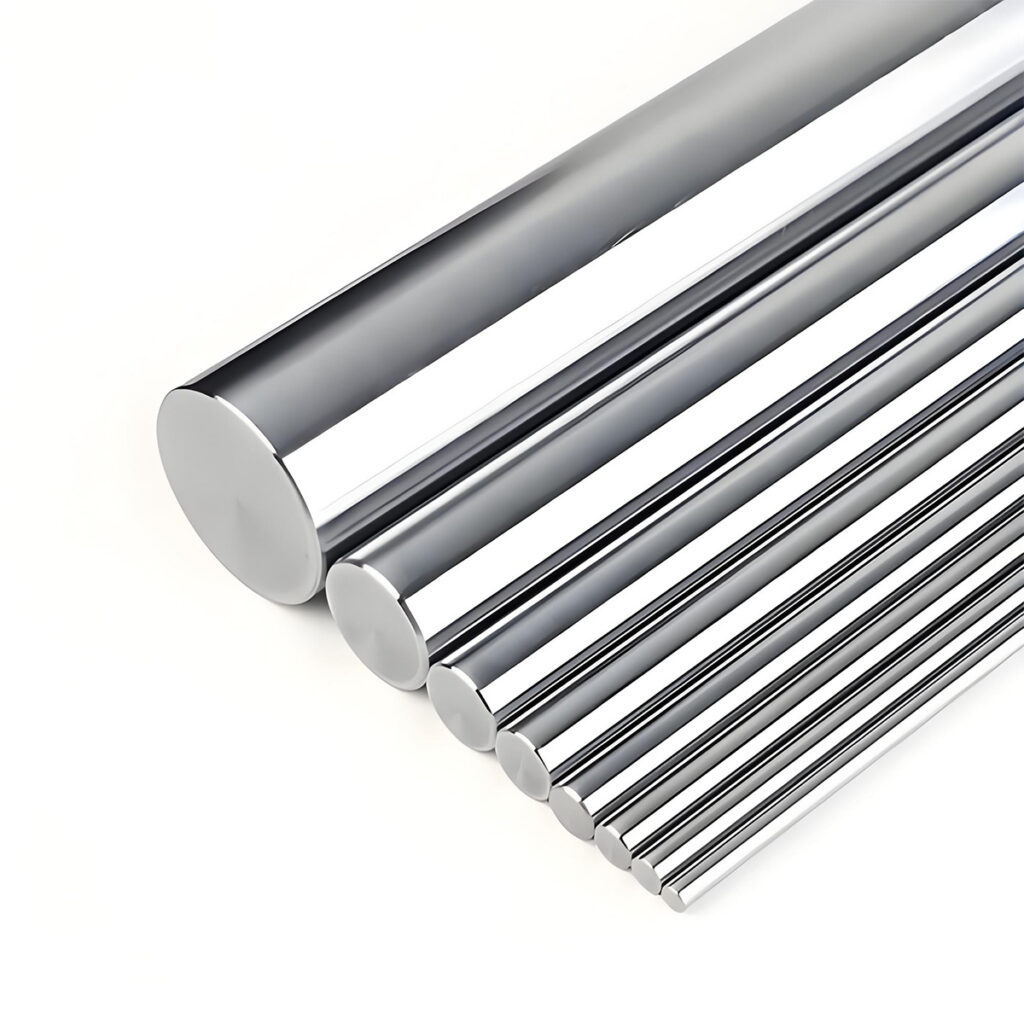
Send us bore diameter, working pressure, ambient and radiant heat exposure at the cylinder’s actual operating position, and whether the equipment is exposed to mill scale or similar abrasive contamination. If the equipment’s position relative to the hot process line has changed or might change, flag that too.
Frequently Asked Questions
Does elevated temperature near a rolling mill affect chrome plating performance? Chrome plating hardness and wear resistance are stable across a wide temperature range, but sustained heat exposure can affect seal materials and, in more extreme cases, base rod mechanical properties if temperatures approach the heat treatment’s tempering range, so we ask for actual heat exposure data.
Is mill scale more abrasive than typical industrial dust? Yes. Mill scale is a harder, more abrasive contaminant than ordinary dust, and it needs to be accounted for specifically in both chrome surface hardness and seal contamination tolerance for steel mill applications.
What base material is typically recommended for steel mill hydraulic cylinder rod? We often recommend alloy steel grades like 42CrMo or 40Cr over standard CK45 for steel mill duty, given the combination of higher working pressure and harsher operating environment common in this sector.
Does moving equipment closer to a hot rolling line change the rod spec needed? It can. A rod and seal spec adequate for one operating position may not account for increased heat and scale exposure if equipment is repositioned closer to the hot process line, so this should be flagged when requesting a quote or reviewing an existing spec.
References & Further Reading
Internal resources:
External references:
- ISO 6158:2018, Metallic and Other Inorganic Coatings — Electrodeposited Coatings of Chromium for Engineering Purposes, referenced for hard chrome plating requirements: iso.org
- ISO 9001:2015, Quality Management Systems — Requirements, referenced for our batch-inspection process: iso.org
Tell Us Your Actual Heat Exposure, Not Just Your Industry
If you’re sourcing chrome plated rod for metallurgical or steel mill equipment, tell us the actual ambient and radiant heat exposure and scale contamination level at the cylinder’s operating position. It’s a detail that changes our material and seal recommendation, especially if equipment has been repositioned closer to the hot process line since it was originally specified.