
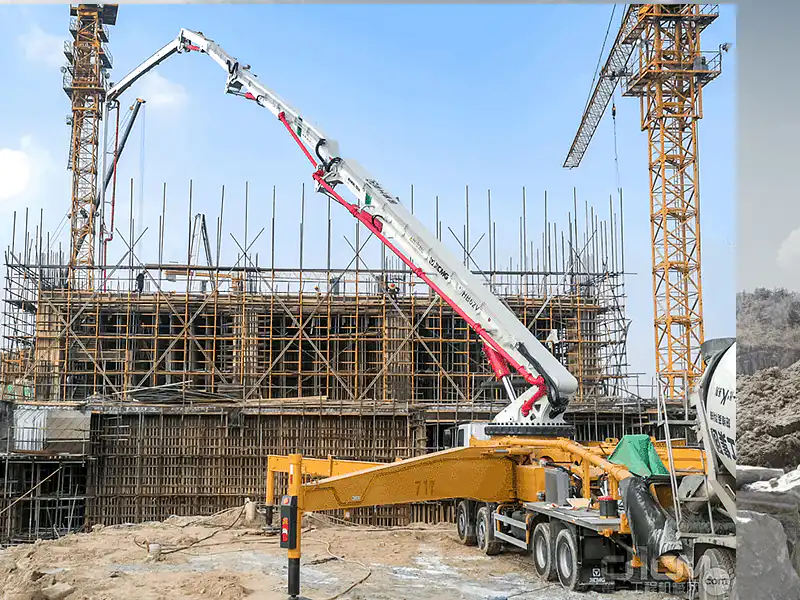
A crane dealer once described a repeat complaint from operators of truck-mounted cranes: outrigger cylinders that held load fine when new started to feel “spongy” after a season of daily setup and teardown on uneven ground. The cylinders were not leaking externally, and the rods showed no obvious damage. When one was opened, the bore told the story: a shallow ring of wear had formed exactly where the piston seal sat when the outrigger was fully extended and loaded, the position where the cylinder spent almost all of its working life. Outrigger cylinders do not travel far and they do not cycle often, but every time they extend, they carry the full weight of the crane and load through a very short, heavily loaded stroke, and that duty wears a bore differently than a cylinder that strokes constantly.
This article is for crane manufacturers, dealers, and service providers working with outrigger and leveling cylinders on truck-mounted and crawler cranes, and it explains why this short-stroke, high-load duty calls for particular attention to honed tube bore quality, even though the cycle counts look modest on paper.
A Duty Defined by Dwell Time, Not Cycle Count
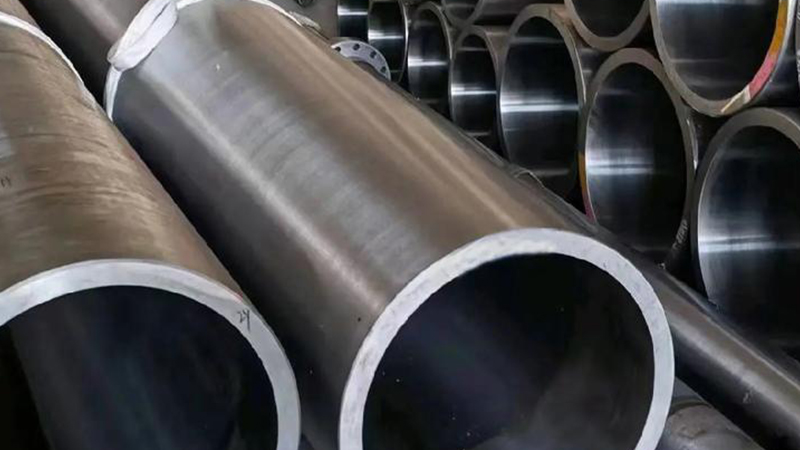
Most discussions of cylinder wear focus on cycle count: more strokes, more wear. Outrigger cylinders invert that logic. They may extend and retract only a handful of times per job, but once extended, they hold the full stationary load of the crane for hours at a time, sometimes for an entire multi-day job. The piston seal sits stationary against one section of the bore under continuous high pressure for far longer than it moves.
This changes the wear mechanism. Rather than distributed wear from constant travel, the bore experiences concentrated pressure and micro-movement at the seal’s resting position, driven by vibration, load shifts, and the ground settling slightly under the crane during a long setup. Over repeated jobs, this can produce localized wear or seal fatigue at specific points along the bore rather than the even wear pattern seen on a constantly cycling cylinder.
Why Roundness and Local Bore Condition Matter Here
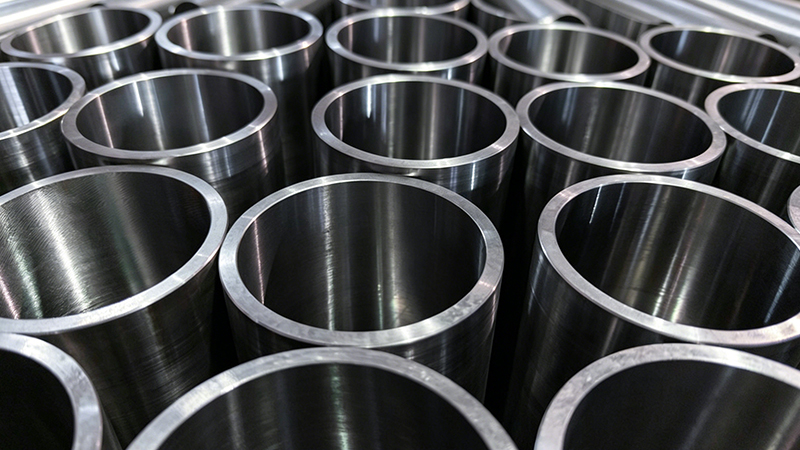
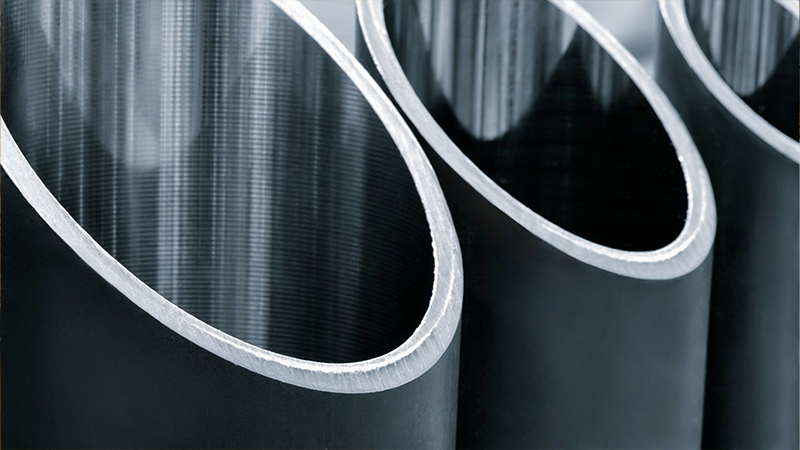
Because the seal spends so much time stationary at the loaded position, local bore roundness and surface condition at that specific point matter more than the average condition across the full stroke. A bore that is generally within tolerance but has a slight local imperfection exactly where the piston rests under load will concentrate wear and leakage risk at that one point, faster than the same imperfection would matter on a cylinder where the piston is constantly moving and no single point bears the load continuously.
This is one of the reasons roundness and finish consistency, discussed in relation to seal life generally, deserve particular attention on outrigger and leveling cylinders: the working section of the bore is smaller and the dwell time on it is much longer than the stroke length would suggest.
Side Load From Uneven Ground Setup
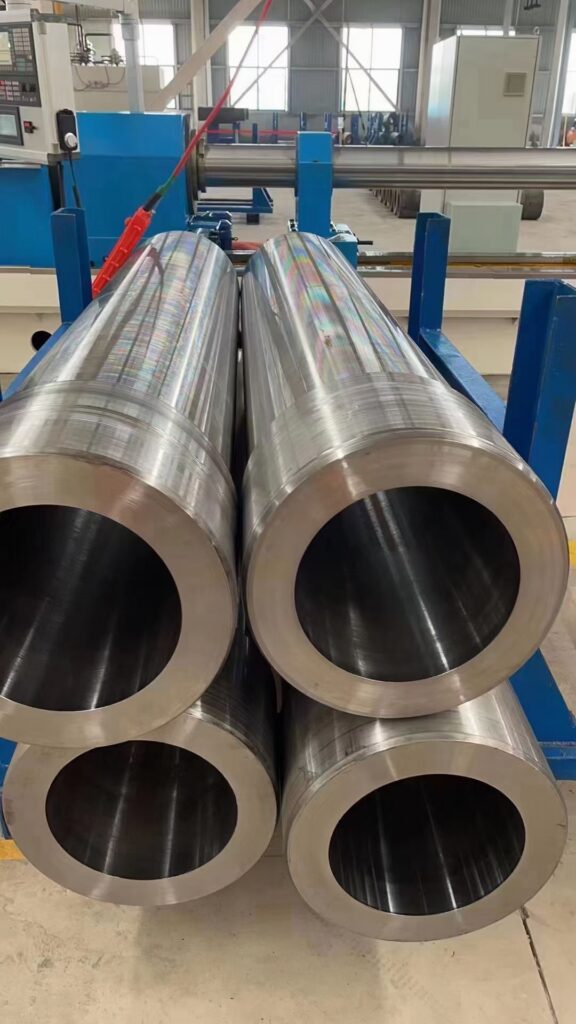
Outrigger cylinders are frequently set up on ground that is not perfectly level or perfectly firm, and the crane’s leveling system may impose side load on the cylinder as the outrigger beam settles or as the crane’s weight shifts during lifting. A rod and bushing combination with adequate bearing length, paired with a bore free of the ovality that side load can accelerate into an oval wear pattern, resists the uneven wear that repeated off-axis loading produces over a working life measured in years rather than stroke count.
Corrosion Exposure Between Jobs
Outrigger cylinders are almost always mounted low on the chassis, exposed to road spray, mud, and standing water between jobs, and they may sit retracted and unused for extended periods between call-outs. This exposure profile, intermittent but sometimes prolonged contact with road grime and moisture, argues for the same disciplined approach to seal condition and rust-preventive practice discussed for other outdoor mobile equipment, and for periodic exercising of cylinders that sit idle for long stretches so that a static film of contamination does not build up at the seal’s resting position.
Specifying for the Real Duty
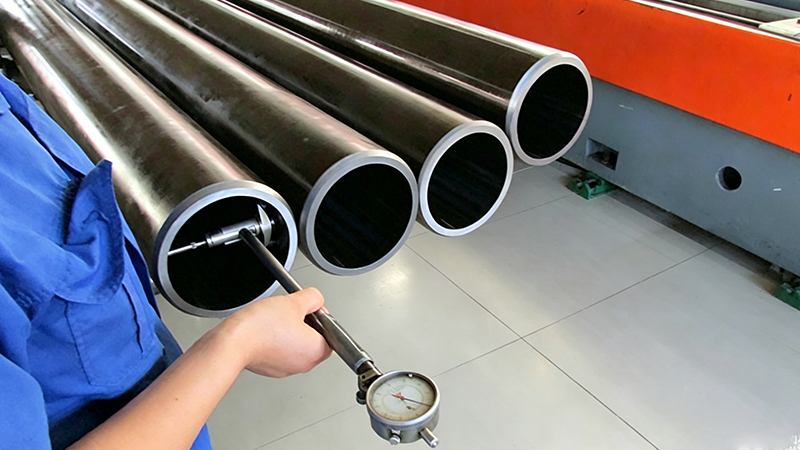
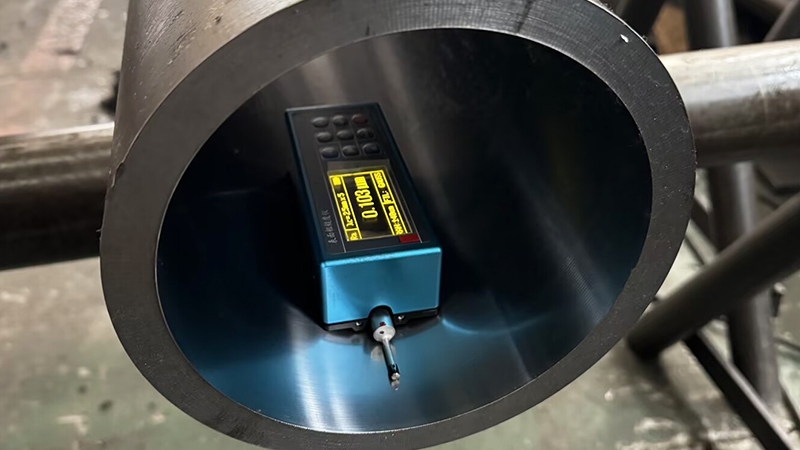
The practical lesson for crane builders and their honed tube suppliers is that a short-stroke, high-dwell-time cylinder deserves the same attention to bore roundness and local surface condition as a long-stroke, high-cycle cylinder, even though the two look very different on a duty cycle chart. Communicating that a bore is destined for outrigger or leveling duty, where a specific section of the bore will bear continuous static load, lets a tube supplier apply appropriate roundness and finish verification at that critical section rather than treating the whole bore as uniformly important.
Related Reading
- Honed Tube Wall Thickness and Pressure Rating: A Selection Guide
- Honed Tube for Telescopic Cylinders: Multi-Stage Bore Challenges
- Reseal or Rebuild? A Service Provider’s Guide to Cylinder Repair
Short Stroke, Long Dwell, Real Wear
Outrigger cylinders wear by holding, not by cycling. Specify bore roundness and local surface condition for the section that actually carries the load, and the “spongy” feel after a season of setups stops being a mystery.
What We Offer
- Honed tube with verified roundness and finish consistency for high-dwell-time, short-stroke duty
- Rod and bushing combinations sized for side load from uneven ground setup
- Guidance on protecting idle outrigger cylinders between jobs
- Full material traceability for crane manufacturers and service providers
Contact EAST AI (eaihydraulic.com) Email: market@east-ai.com Phone: +86 13771568763 Address: Wuxi, Jiangsu, China.
Written by Alex, Production Engineer at EAST AI