Most manufacturing teams focus heavily on machining, inspection, and assembly. Those are the stages where quality is measured and production performance becomes visible.However, many quality issues begin much earlier.
They begin in the warehouse.A Honed Tube may leave the manufacturer in excellent condition, only to arrive at the machining center weeks later with contamination, surface corrosion, damaged bore protection, or handling marks that were never present when it was shipped.
By the time these problems are discovered, the original cause is often impossible to identify.Good machining starts with good storage.
A Problem That Started Before Production
A hydraulic cylinder manufacturer experienced an unusual increase in machining interruptions over several weeks.Operators noticed that certain tubes required additional cleaning before entering production. Others showed light corrosion near the tube ends after protective caps were removed.
Incoming inspection records showed nothing abnormal.Material certificates matched the purchase order.Dimensional inspection confirmed compliance with engineering drawings.
At first, the engineering team suspected transportation damage.The supplier reviewed shipping records and confirmed that the tubes had been packed correctly before leaving the factory.The investigation eventually shifted to the customer’s warehouse.
There, engineers discovered that recently delivered Honed Tubes had been stored close to a loading door that was opened frequently throughout the day.Warm, humid air entered the building every morning.Cool steel surfaces created condensation.Although the moisture disappeared within hours, the repeated cycle gradually affected exposed steel surfaces near the tube openings.The machining department was dealing with a storage problem—not a manufacturing problem.
Storage Is Part of Manufacturing Quality
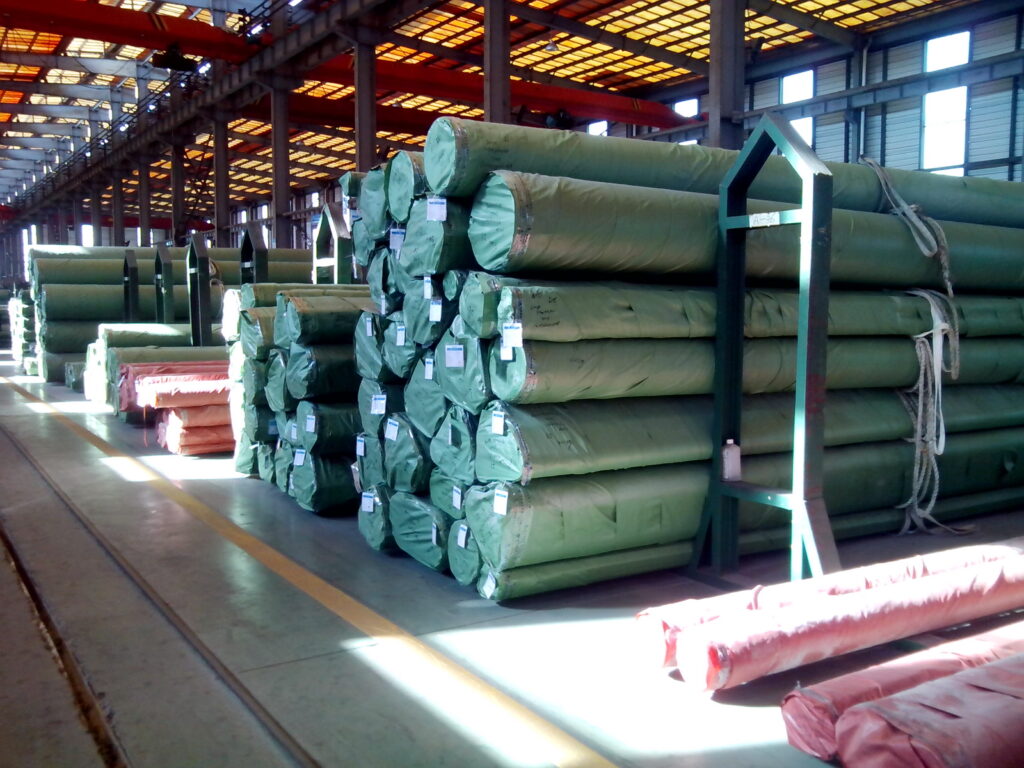
Storage is often viewed as a logistics activity.In reality, it is an extension of quality control.Every stage between production and machining influences the condition of precision steel products.If a Honed Tube is exposed to moisture, dust, impact, or improper handling, its condition may change long before it reaches the machine shop.
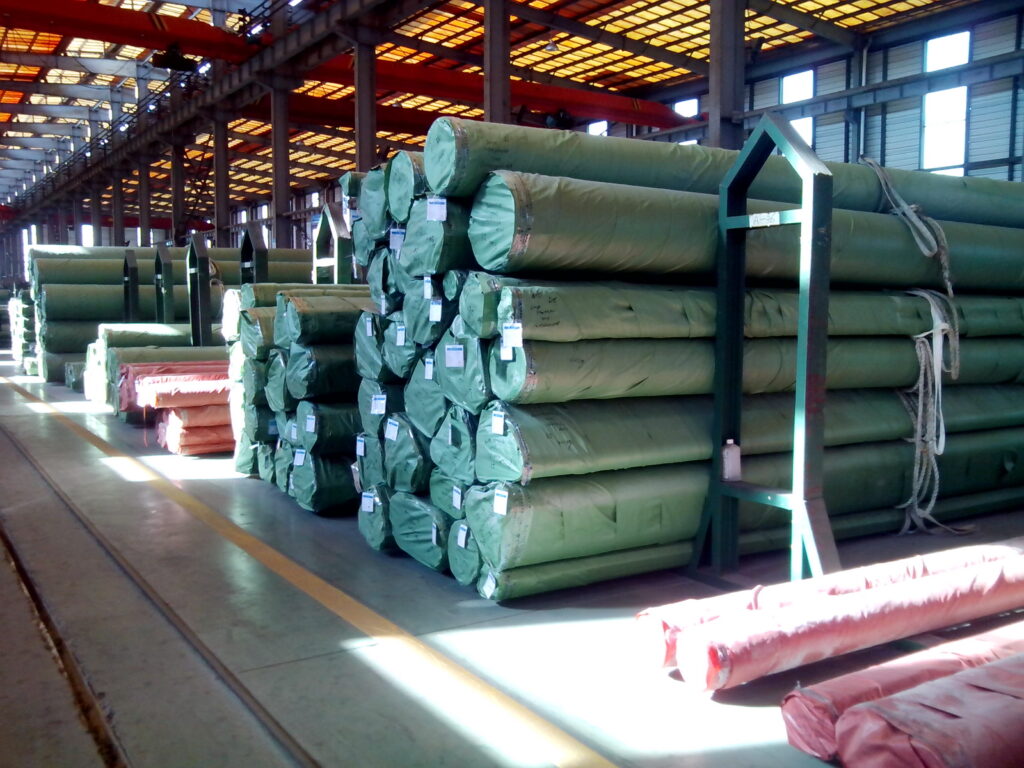
Unlike structural steel, precision hydraulic components require controlled storage conditions because their internal surface finish is designed for sealing performance and precise machining.Protecting a finished surface is always easier than restoring it later.
The Warehouse Inspection Changed the Investigation
Engineers compared two production batches received from the same supplier.Both batches had identical material grades.Both met the same bore tolerance.Both passed incoming inspection.Yet only one batch caused repeated cleaning and preparation work before machining.The only significant difference was where the materials had been stored after delivery.One batch remained in a clean indoor storage area with protective end caps intact.
The second batch had been temporarily moved several times, stacked without separators, and left uncovered during warehouse reorganization.Although no serious damage was visible, several tubes showed minor contamination inside the bore after unpacking.None of these issues appeared on inspection reports.All of them affected production efficiency.
Manufacturing consistency depends on how materials are handled after delivery as much as how they are produced before shipment.
Five Storage Practices That Protect Honed Tubes
Proper storage does not require expensive equipment.It requires consistent procedures.The following practices are widely adopted by manufacturers handling precision hydraulic materials.
Storage Practice
Why It Matters
Store indoors in a dry environment
Reduces corrosion caused by humidity and condensation.
Keep protective end caps installed
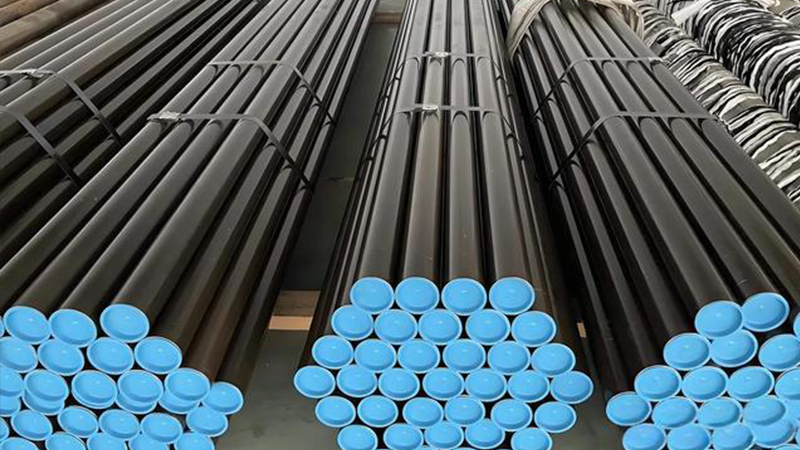
Prevents dust, moisture, and debris from entering the bore.
Use racks or supports instead of placing tubes directly on the floor
Reduces contamination and handling damage.
Avoid repeated unnecessary movement
Minimizes scratches, dents, and accidental impacts.
Inspect stored materials before machining
Identifies contamination or damage before production begins.
These simple procedures often prevent problems that would otherwise consume hours of production time later.Warehouse discipline directly supports production efficiency.
Why Packaging Matters More Than Many Buyers Realize
Warehouse practices are only part of the equation.The condition of a Honed Tube when it arrives is heavily influenced by how it was packaged before shipment.Protective end caps, anti-rust treatment, wrapping materials, pallet stability, and loading methods all contribute to keeping the internal bore clean and protected during transportation.This becomes even more important for international shipments.
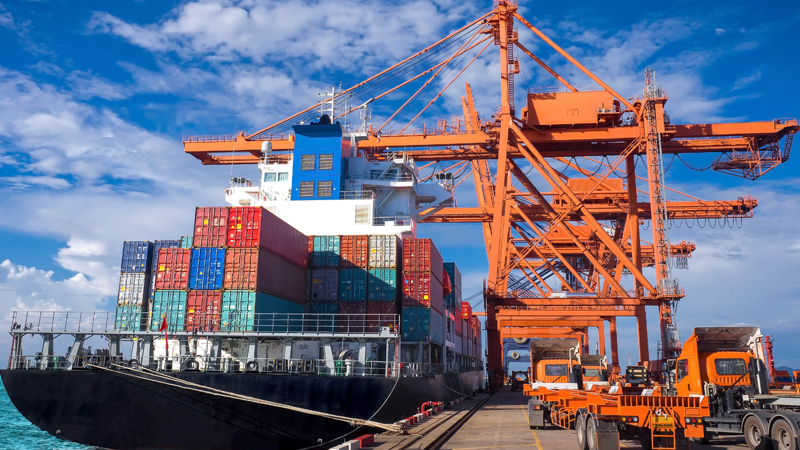
A container may spend several weeks at sea before reaching its destination. During that time, steel products are exposed to changing temperatures, high humidity, and repeated condensation cycles. Even when no rainwater enters the container, moisture can still develop inside through temperature fluctuations.
Without appropriate protection, precision-machined surfaces may begin to deteriorate before the products ever reach the warehouse.A product cannot arrive in production better than it arrived from transportation.
What Purchasing Teams Should Consider
Purchasing specifications often define material grade, dimensions, and delivery schedules.Storage and packaging requirements receive far less attention.However, experienced purchasing teams understand that transportation protection deserves the same level of attention as manufacturing capability.
When evaluating suppliers of Honed Tubes, it is worth discussing several practical questions before placing an order.
How are the bore openings protected during shipment?
What corrosion prevention method is used?
How are tubes secured inside export packaging?
Is moisture protection included for long-distance ocean freight?
Can packaging be customized for long-term warehouse storage?
These questions help prevent avoidable quality issues before materials even enter production.The quality of packaging often reflects the quality of manufacturing discipline behind it.
Engineering Note
Storage does not create quality—but poor storage can destroy it.Precision steel products are manufactured to extremely tight tolerances and carefully controlled surface finishes. Those characteristics should be protected throughout transportation, warehousing, and internal material handling.An effective storage system is not simply about keeping products organized.It is about preserving the manufacturing quality that has already been achieved.
Key Takeaway
The first machining operation begins long before the machine starts running.How a Honed Tube is packaged, transported, stored, and handled determines whether it arrives at the production line in the same condition it left the manufacturer.Protecting precision materials before machining reduces contamination, prevents unnecessary production interruptions, and helps maintain consistent hydraulic cylinder quality.
Final Thoughts
Manufacturers invest significant time and resources in producing precision Honed Tubes with controlled bore tolerances, smooth surface finishes, and reliable dimensional accuracy.Those efforts can quickly lose their value if storage and handling practices receive less attention than manufacturing itself.Successful hydraulic cylinder manufacturers recognize that quality is not confined to the production floor.
It continues through packaging, transportation, warehousing, and every material movement before machining begins.For companies seeking stable production and predictable assembly performance, storage should never be viewed as a routine warehouse task.It is an essential part of the manufacturing process.
FAQ
How should honed tubes be stored to prevent corrosion?
Honed Tubes should be stored indoors in a clean, dry environment with stable temperature conditions. Protective end caps should remain installed until machining begins to prevent moisture, dust, and debris from entering the bore.
Can improper storage affect machining quality?
Yes. Moisture, contamination, and handling damage can increase cleaning time, affect machining efficiency, and create unnecessary production interruptions even when the tube originally met all specifications.
Should honed tubes be stored directly on the floor?
No. Precision tubes should be placed on racks or suitable supports that keep them away from moisture, dirt, and accidental impact while allowing safe handling.
Why are protective end caps important?
Protective caps prevent contaminants from entering the internal bore during transportation and storage, helping preserve the surface condition required for hydraulic cylinder manufacturing.
Does export packaging influence product quality?
Absolutely. Proper export packaging helps protect Honed Tubes from humidity, condensation, vibration, and handling damage during long-distance transportation, particularly for ocean freight.
What should purchasing teams ask suppliers about packaging?
Purchasing teams should ask about corrosion protection methods, bore sealing, export packaging design, moisture protection, pallet stability, and recommendations for long-term warehouse storage.
Related Reading
If you’re evaluating production stability, these resources may also be helpful:
Selecting the right Honed Tube is only the first step. Maintaining its condition through packaging, transportation, storage, and machining is equally important for achieving consistent hydraulic cylinder performance.
At EAST AI, we manufacture Honed Tubes and Chrome Plated Rods with controlled production processes, protected packaging, and batch-to-batch consistency to support manufacturers around the world. If your team is reviewing storage practices, packaging requirements, or supplier capability, we’re happy to share practical engineering experience and help you develop solutions that improve production reliability over the long term.
Jeff
I'm Jeff, founder of EAST AI. 20+ years in hydraulics. We offer premium solutions and build long-term global partnerships.