
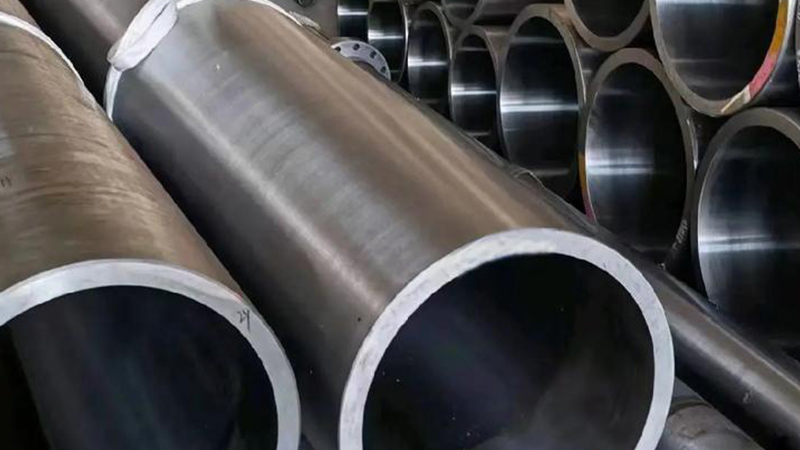
Nothing Had Changed on the Machine
The production supervisor received the same report three mornings in a row.The CNC program hadn’t changed.The cutting tools were new.Coolant concentration was within specification.Machine calibration had been completed only two weeks earlier.Every production record suggested that machining should proceed exactly as it had before.Yet operators kept making small adjustments throughout the shift.
No alarms appeared.No defective parts were produced.Still, everyone on the shop floor agreed on one thing.This batch of Honed Tubes didn’t machine the way the previous batch had.
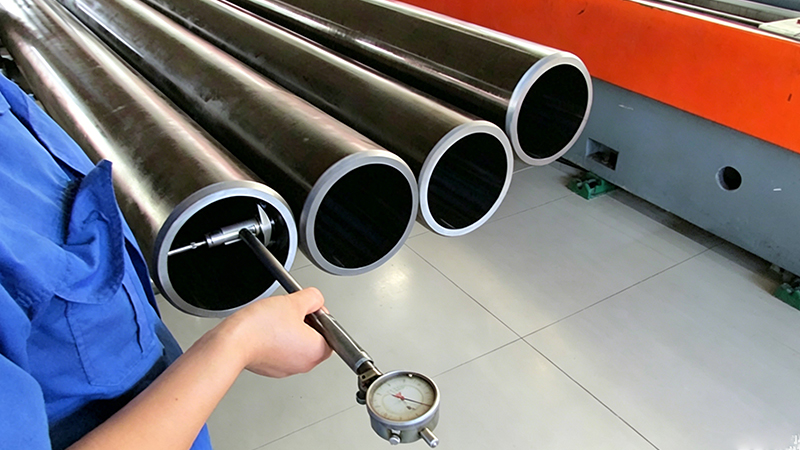
The Difference Couldn’t Be Measured
Incoming inspection repeated every standard measurement.Outside diameter.Inside diameter.Straightness.Surface roughness.Material certificates.Every result complied with the drawing.Nothing explained why machining felt different.The engineering team reviewed production data from previous months and discovered an interesting pattern.
Whenever operators described a material as “easy to machine,” production efficiency increased even though inspection reports looked almost identical.When operators described a material as “less predictable,” additional tool compensation and machine adjustments gradually appeared.Not every manufacturing difference can be captured by a measuring instrument.
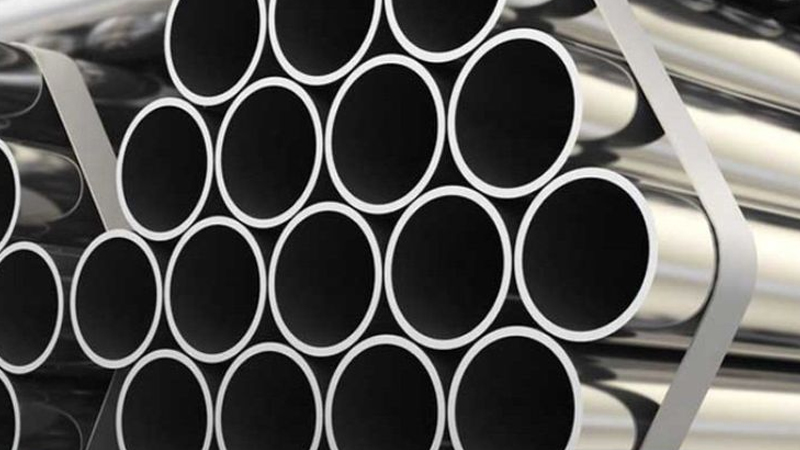
Looking Beyond the Drawing
Engineering drawings define what a product should become.They do not describe every characteristic that influences production efficiency.A Honed Tube may fully comply with dimensional requirements while still behaving differently during machining because of subtle differences in manufacturing consistency.Residual stress.Material homogeneity.Heat treatment consistency.Surface condition.Process repeatability.
Each of these factors may influence machining stability even when finished dimensions remain identical.A drawing defines compliance. A manufacturing process defines consistency.
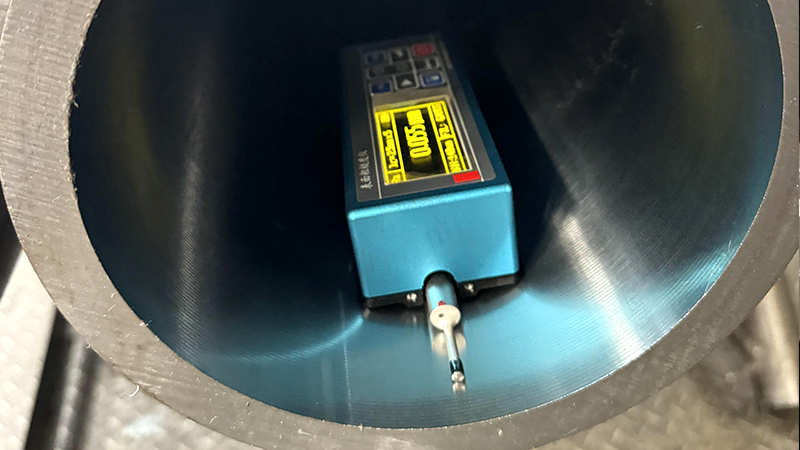
The First Sign Was Easy to Ignore
Most production problems do not begin with rejected parts.They begin with small changes that operators notice before inspection departments do.Machine settings require slightly more adjustment.Tool life becomes less predictable.Cycle times vary from one batch to another.Chip formation changes.Surface appearance after machining looks subtly different.
None of these observations automatically indicate poor quality.Together, however, they suggest that incoming material deserves closer evaluation.Experienced machinists often recognise manufacturing variation long before inspection reports reveal it.
What Experienced Machinists Notice First
Unlike inspection personnel, machine operators interact with every production batch throughout the machining process.Over time, they develop an instinct for consistency.
Production Observations Worth Recording
| Shop Floor Observation | Possible Manufacturing Signal |
|---|---|
| Frequent tool offset adjustments | Batch-to-batch variation |
| Reduced tool life | Material consistency changes |
| Different chip formation | Material property variation |
| Increased vibration | Machining stability differences |
| Longer setup time | Reduced process repeatability |
Recording these observations creates valuable production data that dimensional inspections alone cannot provide.Production experience is measurable when manufacturers choose to record it.
Looking Beyond Certificates
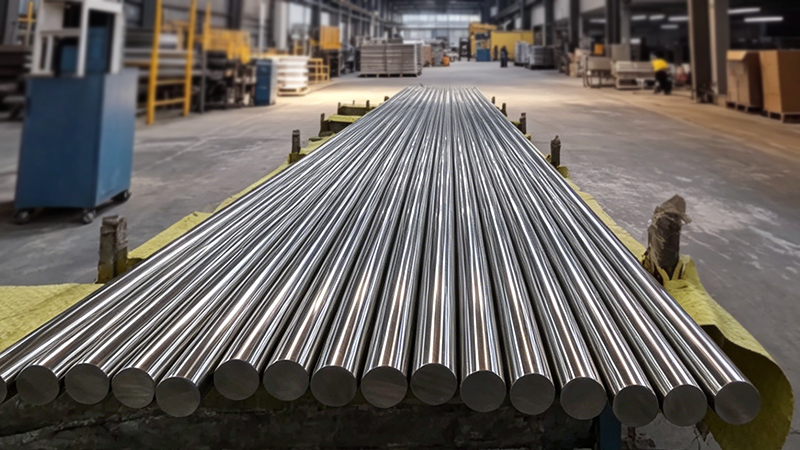
Material certificates remain essential.Inspection reports remain essential.Neither should be ignored.However, neither document tells the complete story of how a material performs once production begins.Experienced hydraulic cylinder manufacturers evaluate incoming Honed Tubes from two perspectives.
First, they confirm compliance with engineering specifications.Second, they observe how consistently those materials perform during real machining operations.The combination of documented inspection and practical production feedback creates a far more reliable understanding of supplier performance.Production data completes the picture that inspection reports begin.
Engineering Note
Precision manufacturing is not only about achieving specification.It is about achieving the same specification repeatedly.Stable machining depends on stable materials.Stable materials come from stable manufacturing processes.
For this reason, production feedback should be treated as an engineering resource rather than an informal workshop observation.
Lesson Learned
The machine rarely changes overnight. The material sometimes does.Recognising that difference early allows manufacturers to improve supplier communication before production efficiency begins to decline.
Related Reading
Continue exploring manufacturing consistency:
- Honed Tubes (Internal Link → Product Page)
- Chrome Plated Rods (Internal Link → Product Page)
- The First Sign Your Honed Tube Supplier Is Losing Process Control (Internal Link → Related Blog)
- Before Requesting a Quote: Five Technical Details That Save Weeks of Production Time (Internal Link → Related Blog)
- How Honed Tubes Should Be Stored Before They Ever Reach the Machine Shop (Internal Link → Related Blog)
Frequently Asked Questions
Why can two honed tubes with identical specifications machine differently?
Dimensional compliance does not always reflect differences in manufacturing consistency, residual stress, heat treatment, or material homogeneity, all of which may influence machining behaviour.
Should machining feedback be part of supplier evaluation?
Yes. Operator observations often identify subtle production changes before measurable quality issues appear.
Can inspection reports predict machining performance?
Inspection reports confirm specification compliance but cannot fully predict how materials will behave during machining.
Why do experienced machinists recognise material changes first?
Because they directly experience tool wear, cutting stability, chip formation, and machine behaviour throughout every production run.
How should manufacturers evaluate incoming honed tubes?
A balanced approach combines dimensional inspection, material certification, production feedback, and long-term supplier performance analysis.
Does better machining consistency improve hydraulic cylinder quality?
Yes. Stable machining contributes to predictable assembly, consistent sealing performance, improved production efficiency, and more reliable hydraulic cylinder performance.

Need Technical Support?
Consistent machining starts with consistently manufactured materials. At EAST AI, we produce Honed Tubes and Chrome Plated Rods with strict process control, batch traceability, and stable production practices to support hydraulic cylinder manufacturers worldwide. If your team is comparing suppliers, investigating machining variation, or looking to improve production consistency, we’re ready to discuss practical solutions based on real manufacturing experience.