
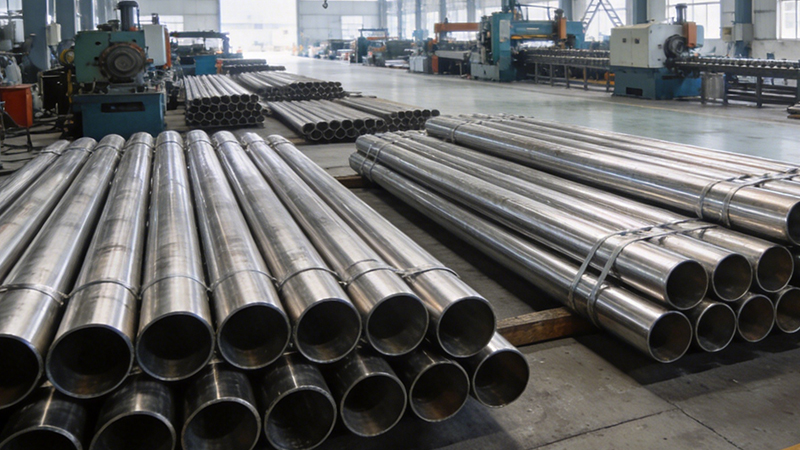
One Drawing. Three Material Options.
A purchasing engineer sent the same hydraulic cylinder drawing to three suppliers.The dimensions matched perfectly.The bore tolerance was clearly specified.The required length was identical.Yet the quotations were surprisingly different.The reason wasn’t the machining process.It wasn’t the delivery time.It wasn’t the production capacity.
Each supplier had proposed a different Honed Tube material.One recommended E355.Another quoted ST52.The third suggested SAE 1026.At first glance, the three materials appeared to perform the same job.However, experienced engineers know that selecting the right material is about much more than simply meeting the drawing.A hydraulic cylinder performs only as reliably as the material chosen for its operating conditions.
Why Material Selection Matters
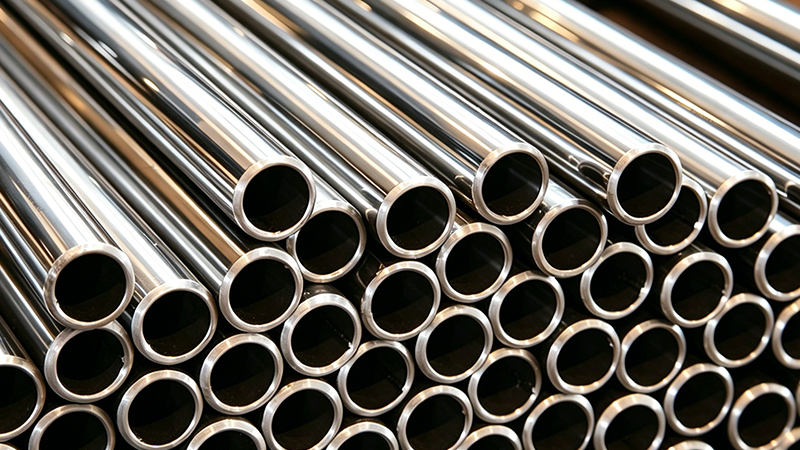
Material selection is one of the earliest engineering decisions in hydraulic cylinder manufacturing.Once production begins, changing the material often affects machining parameters, welding procedures, lead times, and production costs.For this reason, experienced manufacturers evaluate material selection long before issuing a purchase order.A suitable Honed Tube should not only satisfy the required dimensions.It should also support the expected working pressure, machining process, welding requirements, and service environment.The best material is the one that fits the application—not necessarily the one with the highest strength or the lowest price.
Common Honed Tube Materials
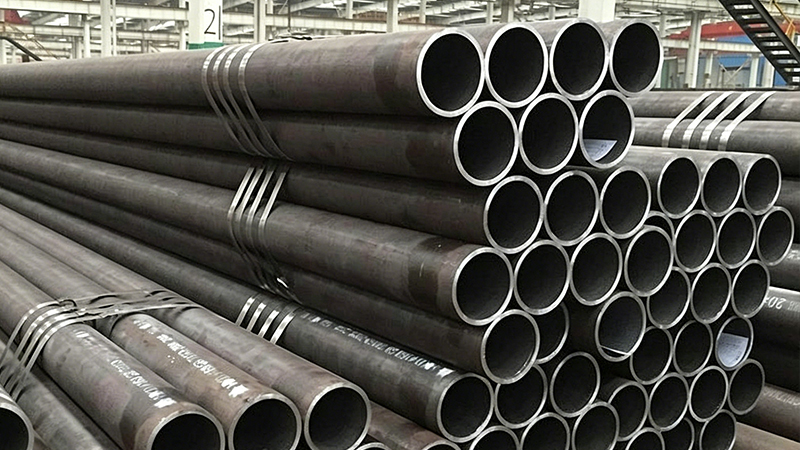
Several steel grades are widely used in hydraulic cylinder manufacturing.Although their applications often overlap, each material offers different advantages depending on the project requirements.
E355
E355, manufactured according to EN 10305, is one of the most widely specified materials for precision Honed Tubes in Europe.It offers excellent dimensional stability, good weldability, consistent mechanical properties, and is well suited for precision machining.Because of its balanced performance, E355 is frequently selected by OEM hydraulic cylinder manufacturers.
ST52
ST52 has been widely used in hydraulic applications for many years and is still commonly referenced in global markets.In many cases, engineers discussing ST52 are referring to material specifications that correspond closely to modern European standards.For replacement projects or export business, understanding customer terminology is just as important as understanding the technical specification.
SAE 1026
SAE 1026 is commonly used in North American hydraulic cylinder manufacturing.Its chemical composition and mechanical properties make it suitable for many hydraulic applications, particularly where customers follow ASTM or SAE material standards.Different markets often specify different material grades—even when the final application is very similar.
Five Questions Buyers Should Ask Before Choosing
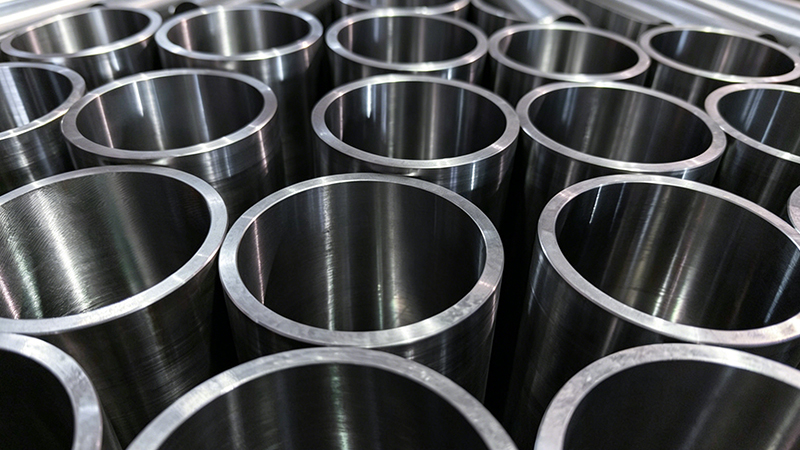
Selecting a Honed Tube material should begin with understanding the application rather than comparing material names.The following questions help engineers and purchasing teams make more informed decisions.
1. Which Material Standard Does the Customer Require?
Some customers specify EN standards, while others require ASTM, SAE, or DIN materials.Confirming the applicable standard prevents unnecessary revisions later in the project.
2. Where Will the Hydraulic Cylinder Be Used?
A cylinder used in factory automation operates under different conditions from one installed on mining equipment or agricultural machinery.Operating conditions influence material selection just as much as mechanical properties.
3. Does the Design Require Welding?
Some projects involve extensive welding after machining.Material weldability should therefore be considered alongside strength and machinability.
4. Which Market Is the Product Entering?
European OEMs frequently specify E355, while North American customers may reference SAE 1026.Using familiar material designations improves technical communication and quotation efficiency.
5. Are Long-Term Supply Stability and Consistency Important?
Choosing the correct material also means choosing a supplier capable of delivering consistent mechanical properties, dimensional accuracy, and traceability across multiple production batches.Reliable manufacturing begins with reliable material selection.
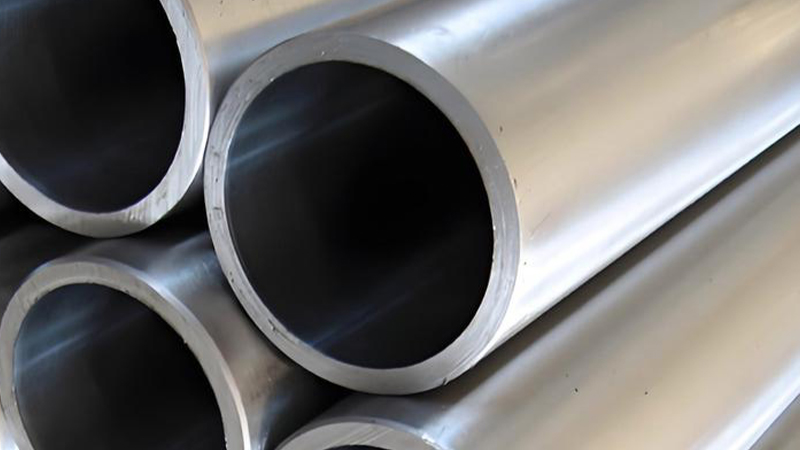
How Different Materials Influence Hydraulic Cylinder Performance
Selecting a Honed Tube material is not simply about matching a material standard.Each material offers a different balance of machinability, weldability, mechanical properties, supply availability, and customer acceptance.Understanding these differences helps engineers select materials that support both manufacturing efficiency and long-term cylinder reliability.
| Material | Common Standard | Typical Advantages | Typical Applications |
|---|---|---|---|
| E355 | EN 10305 | Excellent dimensional stability, good machinability, consistent mechanical properties | European OEM hydraulic cylinders |
| ST52 | DIN / Legacy Specifications | Widely recognized in international markets, suitable for general hydraulic applications | Replacement projects and export business |
| SAE 1026 | SAE / ASTM | Good machinability and availability in North America | Hydraulic cylinders for North American markets |
Although these materials often perform similar functions, they are not automatically interchangeable.Regional standards, customer specifications, certification requirements, and manufacturing processes should always be reviewed before selecting an alternative.Choosing the correct material improves production efficiency long before the first tube enters the machine.
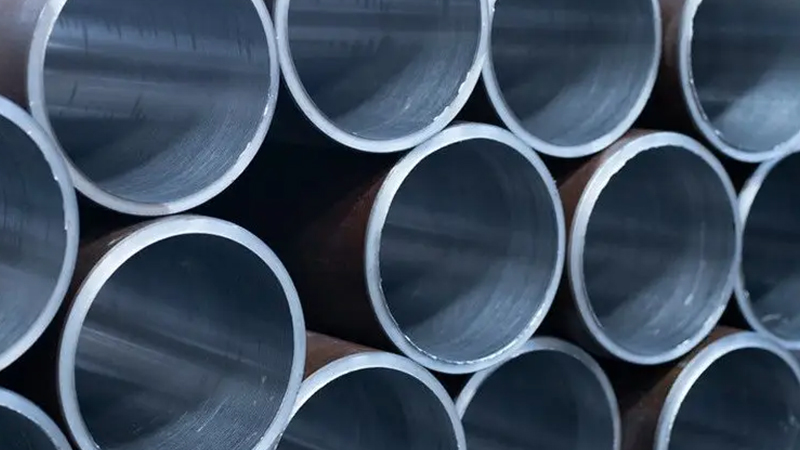
Common Mistakes When Selecting Honed Tube Materials
Material selection often becomes more complicated than expected because buyers focus on specifications while manufacturers focus on production.The following mistakes appear frequently during quotation and procurement.
Mistakes Worth Avoiding
- Choosing a material solely because it offers the lowest purchase price.
- Assuming different international material grades are always directly interchangeable.
- Ignoring the customer’s required material standard.
- Selecting higher-strength material without understanding the actual working conditions.
- Overlooking long-term supply consistency and material traceability.
These decisions may reduce quotation costs in the short term but often increase production complexity, machining costs, or approval delays later.Successful purchasing decisions balance technical requirements, manufacturing efficiency, and supply stability—not just material price.
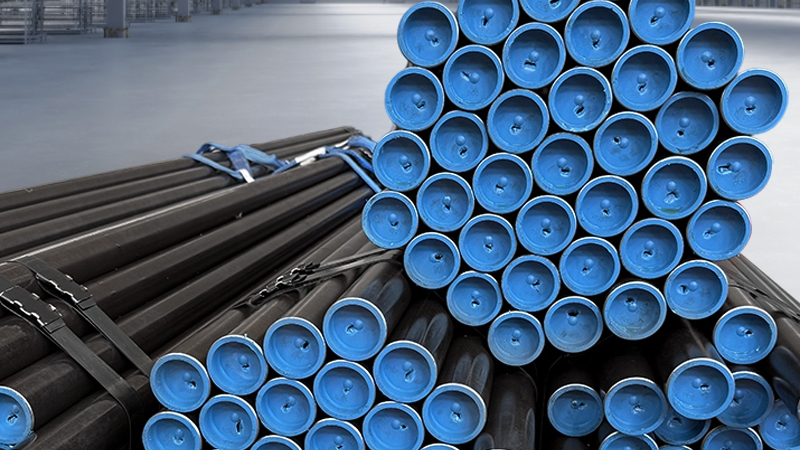
A Practical Material Selection Checklist
Before confirming a Honed Tube material, experienced purchasing teams typically review the following questions.
| Evaluation Question | Why It Matters |
|---|---|
| Which material standard does the customer specify? | Prevents approval delays and specification conflicts. |
| Which market will the hydraulic cylinder be sold into? | Different regions commonly use different material standards. |
| Does the design involve welding after machining? | Weldability influences manufacturing methods. |
| Are material certificates required? | Many OEM customers require complete traceability documentation. |
| Can the supplier maintain stable quality across future batches? | Consistency is often more valuable than isolated material performance. |
A structured evaluation process reduces engineering changes and purchasing risks before production begins.Good material selection is proactive rather than reactive.
Related Reading
Continue expanding your hydraulic cylinder knowledge:
- Honed Tubes (Internal Link → Product Page)
- Chrome Plated Rods (Internal Link → Product Page)
- DOM Tube vs. Honed Tube: Which Is Better for Hydraulic Cylinders? (Internal Link → Related Blog)
- Why Hydraulic Cylinder Barrels Fail Even When the Material Meets Specification (Internal Link → Related Blog)
Frequently Asked Questions
What is the most commonly used Honed Tube material for hydraulic cylinders?
The answer depends on the target market and customer requirements. E355 is widely specified in Europe, while SAE 1026 is commonly used in North America. Many international projects also reference ST52 because of its long-standing industry recognition.
Is E355 better than ST52?
Neither material is universally better. The appropriate choice depends on the applicable standard, customer specification, manufacturing process, and intended application rather than the material designation alone.
Can SAE 1026 replace E355?
Not automatically. Although the materials may have comparable applications in some cases, substitution should only occur after reviewing mechanical properties, applicable standards, customer requirements, and engineering approval.
Does the Honed Tube material affect hydraulic cylinder service life?
Yes. Material selection influences machining quality, weldability, structural performance, and the cylinder’s ability to operate reliably under its intended working conditions. However, service life also depends on design, manufacturing quality, operating conditions, and maintenance.
Why do different countries specify different Honed Tube materials?
Regional engineering standards have developed differently over time. European manufacturers commonly reference EN standards such as E355, while North American manufacturers often use SAE or ASTM material designations.
What should buyers evaluate besides the material grade?
Purchasing teams should also review dimensional tolerances, bore quality, material certification, supplier consistency, traceability, production capability, and long-term supply stability before approving a supplier.
Need Technical Support?
Selecting the right Honed Tube material is more than choosing a steel grade—it is an engineering decision that affects machining efficiency, manufacturing consistency, supplier qualification, and hydraulic cylinder performance.
At EAST AI, we manufacture Honed Tubes and Chrome Plated Rods for hydraulic cylinder applications using internationally recognized material standards, including E355 and other customer-specified grades. Our engineering team works with OEM manufacturers, distributors, and equipment builders to recommend material solutions based on application requirements, regional standards, and long-term production objectives, helping customers achieve reliable performance while maintaining consistent quality across every production batch.