
Why Material Selection Matters for Chrome Plated Rods
The chrome layer on a hydraulic piston rod provides the working surface, but the steel substrate underneath determines the rod’s structural strength, fatigue resistance, and ability to withstand mechanical loads. Choosing the right base material is therefore just as important as specifying the correct chrome thickness or hardness, because a rod with an excellent surface finish but inadequate substrate may fail under high pressure, impact, or cyclic loading. EAST AI’s product brochure lists a comprehensive range of material options, including carbon steels, alloy steels, and stainless grades, allowing customers to match the rod composition to the actual operating conditions of their hydraulic cylinders.
When engineers select a piston rod material, they must consider tensile strength, yield strength, hardenability, weldability (if end fittings are attached), and corrosion resistance, all in relation to the cylinder’s working pressure, stroke length, mounting style, and environmental exposure. The product data provided in the brochure includes mechanical properties for several key grades, which we will compare in this guide to help you make an informed decision.
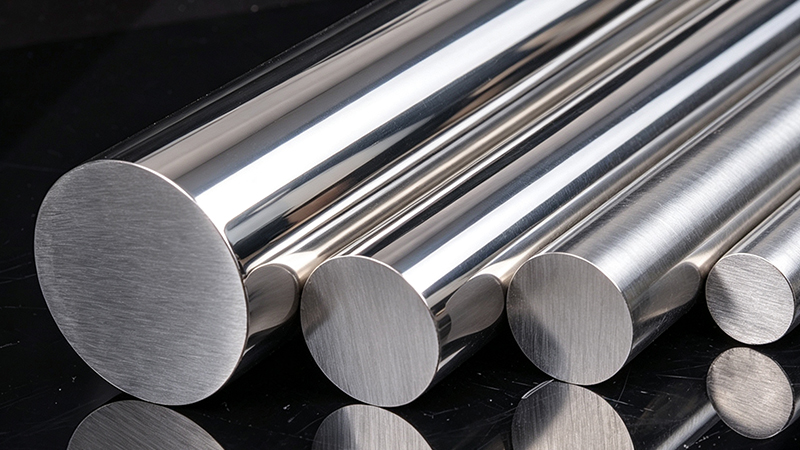
CK45: The Most Common Carbon Steel Choice
CK45 is a medium-carbon steel that appears first in EAST AI’s material list, and it is widely used for general-purpose hydraulic piston rods across many industries. The product brochure specifies CK45 in three conditions: normalized, induction-hardened, and quenched-and-tempered, each offering different mechanical properties to suit varying strength requirements. Normalized CK45 provides a good balance of strength and machinability for standard applications, while quenched-and-tempered CK45 delivers higher tensile strength for more demanding loads.
For hydraulic cylinders operating under moderate pressures (up to approximately 200–250 bar) in clean industrial environments, CK45 is often the most cost-effective choice because it combines adequate mechanical performance with good surface hardening response during the chrome plating process. However, if the cylinder experiences high impact loads or operates in corrosive conditions, a higher-grade alloy steel may be more appropriate.
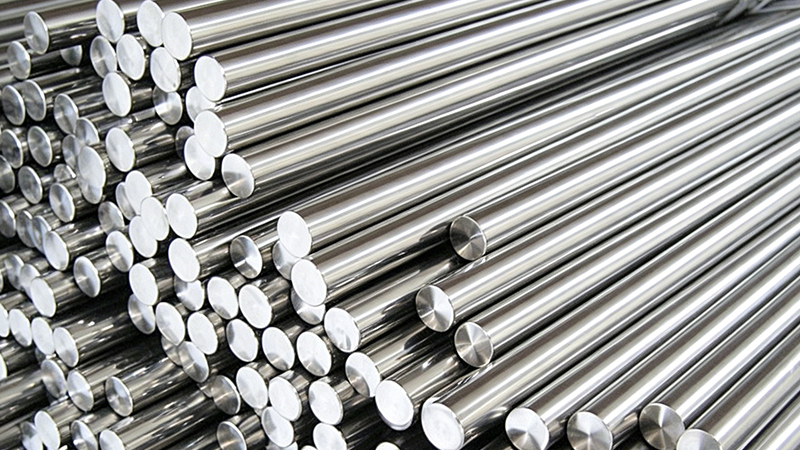
42CrMo and 4140: Higher-Strength Alloy Steels for Heavy-Duty Applications
42CrMo and 4140 are chromium-molybdenum alloy steels that offer significantly higher strength and hardenability compared to plain carbon steels like CK45. These grades are particularly suitable for large-diameter rods, long-stroke cylinders, and applications where the rod must withstand high tensile stresses or torsional loads without permanent deformation. The product brochure explicitly includes 42CrMo4 and 4140 among the available materials, with mechanical properties that support use in construction machinery, heavy equipment, and high-pressure hydraulic systems.
For a rod specified in a heavy-duty excavator cylinder or a large industrial press, selecting 42CrMo over CK45 can provide a meaningful safety margin against fatigue failure, especially when the cylinder cycles thousands of times under full load. The higher alloy content also improves the material’s response to induction hardening, which can further enhance the substrate’s surface strength beneath the chrome layer.
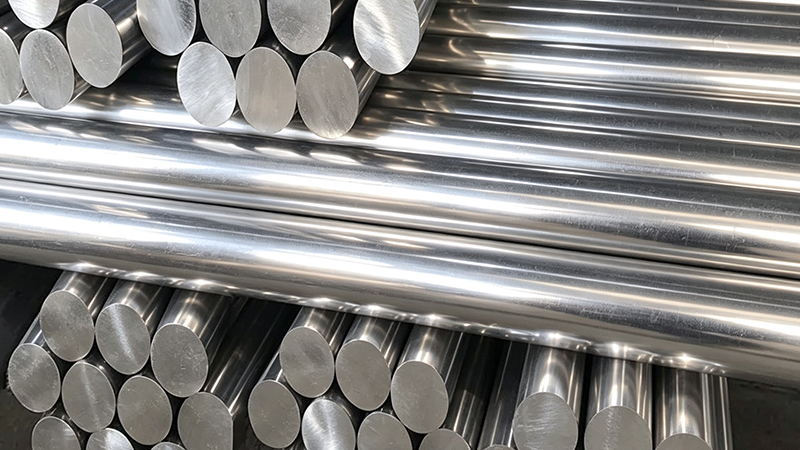
20MnV6: A European-Grade Option for High-Strength Welded Designs
20MnV6 is a micro-alloyed steel that appears in EAST AI’s material list alongside the more common grades, and it is often specified in European hydraulic designs where weldability and high strength are both required. This grade offers improved mechanical properties over standard carbon steels while maintaining good formability and weldability, making it a suitable choice for piston rods that require welded end attachments or custom mounting configurations.
If your hydraulic cylinder design involves welded rod ends or threaded connections that require post-weld heat treatment, 20MnV6 can be a better choice than 42CrMo, which may be more sensitive to welding-induced cracking. The product brochure’s inclusion of this grade reflects the supplier’s ability to serve OEM customers with specific regional or application-driven material preferences.
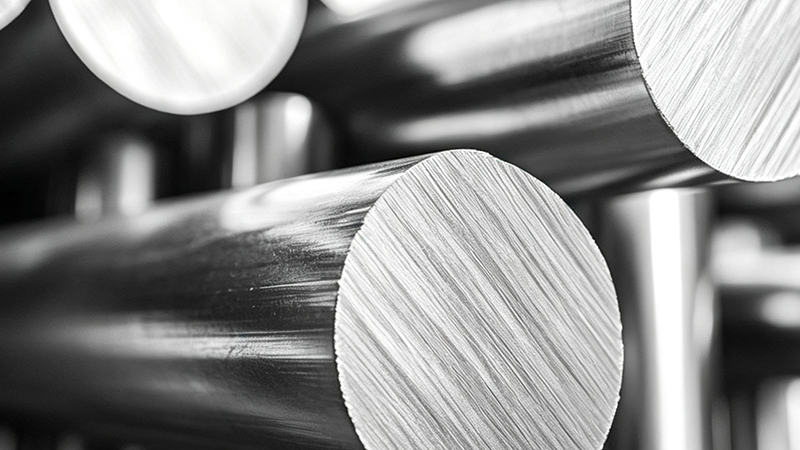
ST52: A Structural Steel for Larger Diameters and Cost-Sensitive Projects
ST52 is a structural steel grade with higher strength than standard mild steels, and it is often selected for larger-diameter chrome plated rods where the primary requirement is mechanical stability rather than extreme surface hardness. EAST AI lists ST52 as an available material, and it can be a practical option for cylinders operating in agricultural machinery, material handling equipment, or other cost-sensitive applications where the load conditions do not demand premium alloy steels.
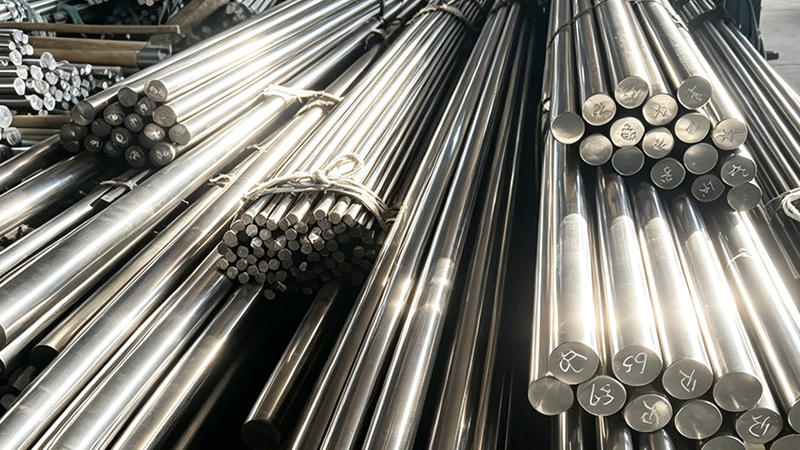
While ST52 does not offer the same hardenability or fatigue resistance as 42CrMo, it provides a reliable balance of strength, machinability, and affordability for rods in the 6–500 mm diameter range where the working pressure is moderate and the environmental conditions are controlled. Buyers should evaluate ST52 when the cylinder design prioritizes cost efficiency over maximum strength.
40Cr: A Chinese Standard Equivalent for High-Strength Applications
40Cr is a widely used alloy steel in Chinese hydraulic manufacturing standards, and it is often considered an equivalent to 4140 or 42CrMo in terms of mechanical properties. EAST AI includes 40Cr in its material portfolio, making it a relevant option for OEMs sourcing components for domestic machinery or export equipment that follows GB/T standards. This grade offers good hardenability, high tensile strength, and sufficient toughness for demanding hydraulic rod applications.
When comparing 40Cr to CK45, the key advantage is its ability to achieve higher core strength after heat treatment, which is particularly beneficial for rods with small diameters (e.g., under 50 mm) that must withstand high axial forces. Engineers familiar with Chinese material standards may find 40Cr to be a natural and cost-effective choice for their cylinder designs.
Stainless Steel Grades: 304, 316, 2205, SS430, and SS431
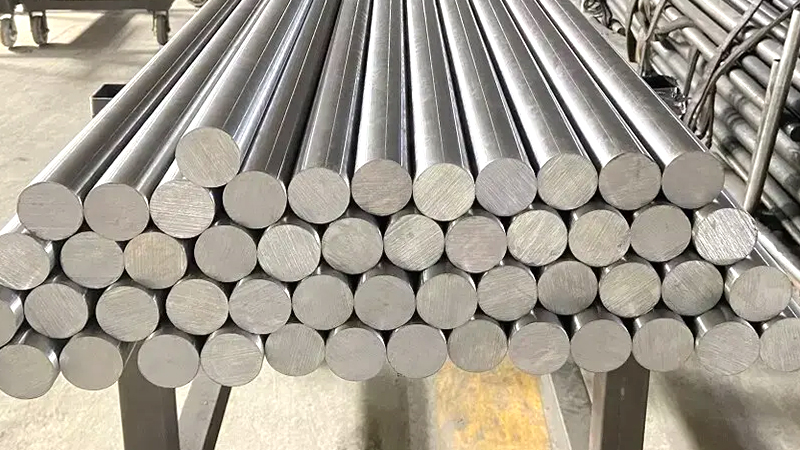
For hydraulic cylinders operating in marine environments, chemical plants, food processing equipment, or outdoor applications with high humidity and salt exposure, stainless steel piston rods provide superior corrosion resistance that carbon or alloy steels cannot match. EAST AI’s material list includes SS430, SS431, and austenitic grades 304, 316, and 2205 (duplex stainless steel), offering a spectrum of corrosion protection levels and mechanical strengths. SS431 is a martensitic stainless steel with higher hardness and wear resistance than 304 or 316, making it suitable for rods that need both corrosion protection and surface durability.
Selecting a stainless-grade rod typically increases the material cost significantly, but it can reduce long-term maintenance and replacement costs in corrosive applications. For example, a hydraulic cylinder used on a offshore drilling platform or a coastal crane would benefit from 316 or 2205, whereas SS431 might be chosen for a food-grade cylinder that requires both hygiene and moderate mechanical strength.
How to Match Rod Material to Your Application Conditions
There is no single “best” material for all hydraulic piston rods, because each application imposes different demands on the rod’s substrate. For standard industrial cylinders operating indoors with moderate pressures, CK45 or ST52 are often sufficient. For mobile hydraulic systems on construction or mining equipment, 42CrMo, 4140, or 40Cr provide the extra strength needed to handle impact loads and high cycle counts. For corrosive environments, stainless grades such as 316 or 2205 are the appropriate choice, despite their higher cost.
The product brochure’s mechanical property data for each material should be reviewed alongside the cylinder’s maximum operating pressure, rod diameter, stroke length, and mounting configuration. A well-chosen material not only ensures safety and reliability but also influences the rod’s machinability, plating adhesion, and final cost. We recommend consulting the supplier’s technical team to verify that the selected material matches the specific heat treatment and straightness requirements of your project.
Why Material Consistency Matters for OEM Production Runs
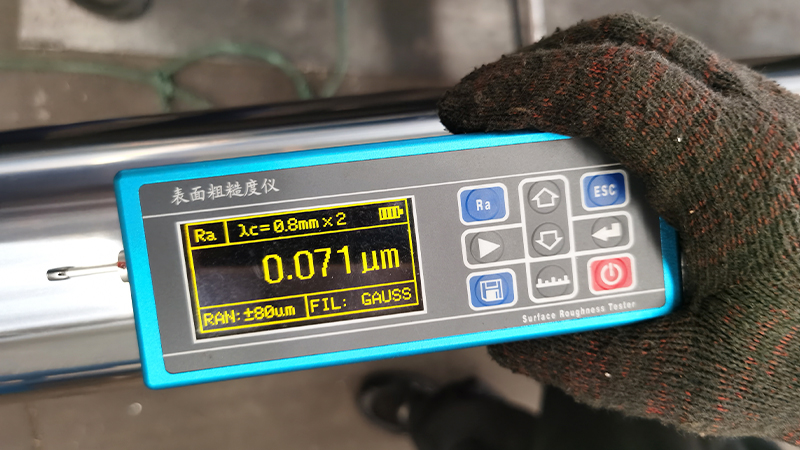
For OEM manufacturers who purchase chrome plated rods in large quantities across multiple production batches, material consistency is just as important as material selection. A supplier that can maintain the same chemical composition, mechanical properties, and heat treatment condition from one batch to the next ensures that every cylinder performs identically and that assembly processes remain stable. EAST AI’s material range, as listed in the product brochure, suggests a well-established supply chain, but buyers should always request material test certificates and hardness verification records for each delivery.
Inconsistent material can lead to variations in machining behavior, chrome plating adhesion, and final rod straightness, all of which can disrupt production schedules and increase scrap rates. Therefore, when evaluating a chrome plated rod supplier, ask not only about their available materials but also about their quality control procedures for incoming raw material and in-process inspection.
Frequently Asked Questions
What is the most commonly used material for chrome plated piston rods?
CK45 is one of the most widely used carbon steel grades due to its good strength, machinability, and cost-effectiveness for general hydraulic applications.
When should I choose 42CrMo over CK45?
Choose 42CrMo or 4140 when the cylinder operates under high pressure, high impact loads, or long stroke conditions that demand higher tensile strength and fatigue resistance than CK45 can provide.
Are stainless steel piston rods worth the extra cost?
Yes, for marine, chemical, food, or highly humid environments where corrosion would quickly damage a carbon steel rod. 316 and 2205 offer excellent pitting and crevice corrosion resistance.
What does the product brochure specify for 20MnV6?
20MnV6 is a micro-alloyed steel suitable for welded designs and European hydraulic standards, offering high strength combined with good weldability.
Can I request a material not listed in the brochure?
Custom material requests may be possible for large OEM orders, but you should confirm directly with the supplier’s engineering team regarding availability and minimum order quantities.
What material is best for heavy-duty construction machinery?
42CrMo, 4140, or 40Cr are typically preferred for heavy-duty applications because of their high hardenability and excellent mechanical strength under cyclic loading.
Related Products & Applications
Chrome Plated Rod
Chrome Plated Piston Rod
Hollow Chrome Plated Rod
Hydraulic Cylinder Components
Construction Machinery Hydraulic Applications
Industrial Hydraulic Applications
Heavy Equipment Hydraulic Applications

Need Technical Support?
Selecting the correct base material for a chrome plated rod requires evaluating the cylinder’s load, stroke, environment, and production requirements. EAST AI supplies chrome plated rods in materials including CK45, 42CrMo, 40Cr, 20MnV6, 4140, ST52, and stainless grades such as 304, 316, 2205, SS430, and SS431, with diameters from 6–500 mm and lengths up to 15 m. The product brochure provides mechanical property data for these grades to support your engineering selection. For specific material recommendations based on your application, please contact our technical support team.