
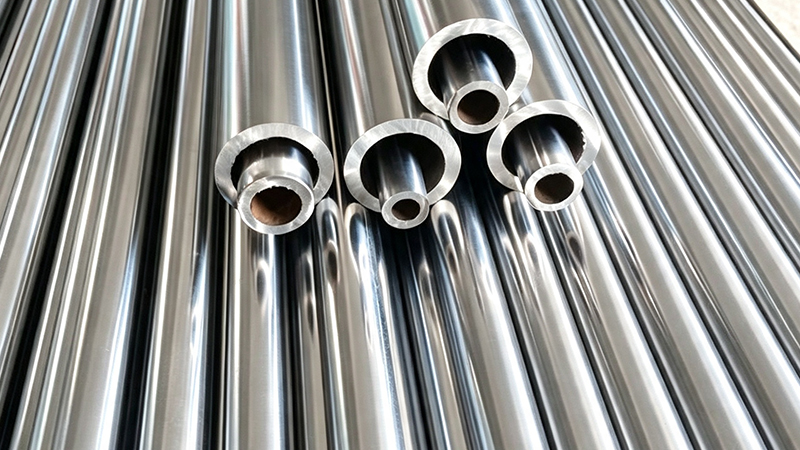
The Rod Is More Than a Moving Steel Component
When a hydraulic cylinder fails earlier than expected, many people first look at the seals, hydraulic oil, or operating conditions. However, the piston rod itself plays an important role in the long-term reliability of the cylinder.
The rod is the component that repeatedly moves through the sealing system while carrying mechanical loads from the application. Its surface condition, dimensional accuracy, material, and manufacturing consistency all influence how the cylinder performs during thousands of operating cycles.
A high-quality chrome plated rod is therefore not simply a steel bar with a shiny surface. It is a precision hydraulic component designed to maintain stable performance between the rod surface and the complete cylinder system.
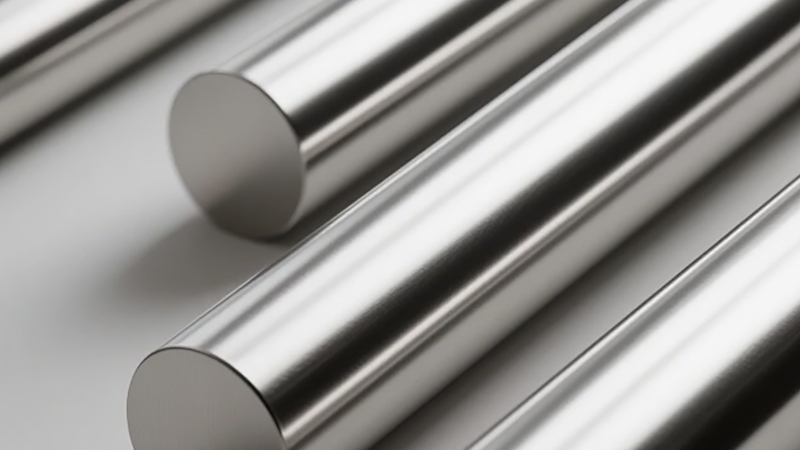
Why Chrome Plated Rod Quality Matters
A hydraulic cylinder operates through continuous movement. Every extension and retraction creates interaction between the piston rod, seals, guides, and surrounding environment.
If the rod surface is inconsistent, damaged, or outside the required specification, the sealing system may experience additional stress. Over time, this can contribute to leakage, increased wear, reduced efficiency, or unexpected maintenance requirements.
This is why professional hydraulic cylinder manufacturers pay attention not only to the rod size but also to the complete quality specification, including surface treatment, tolerance, straightness, and consistency.
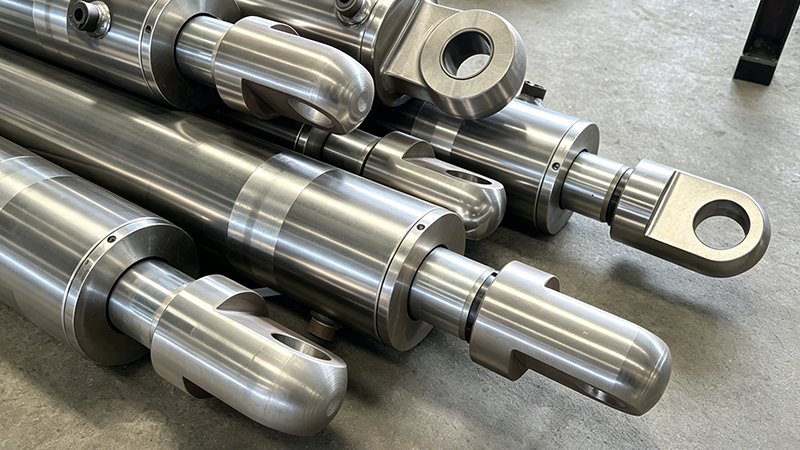
Surface Performance Directly Influences Cylinder Operation
The external surface of the chrome plated rod is the working interface between the rod and sealing system.
A suitable surface needs to provide stable movement while supporting the sealing function. If the surface is too rough, damaged, or inconsistent, the seal may experience unnecessary friction during operation.
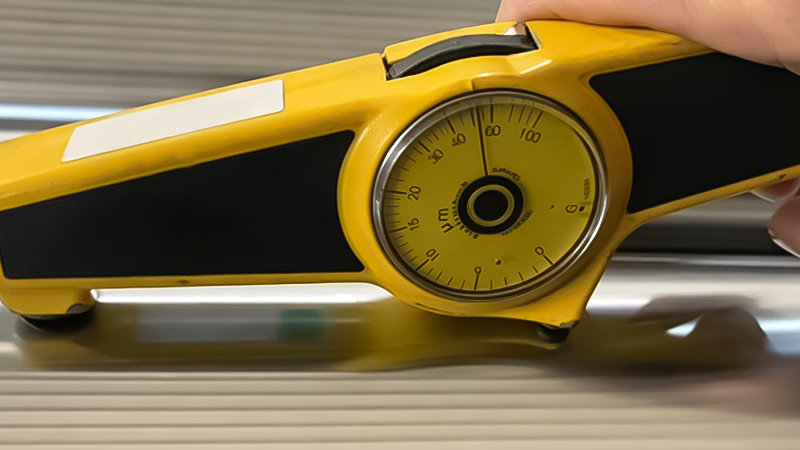
EAST AI’s chrome plated rod specification includes surface roughness of Ra ≤0.2 μm, chrome layer hardness of 850 HV, and chrome thickness from 20–100 μm. These specifications work together to create the required working surface for hydraulic applications.
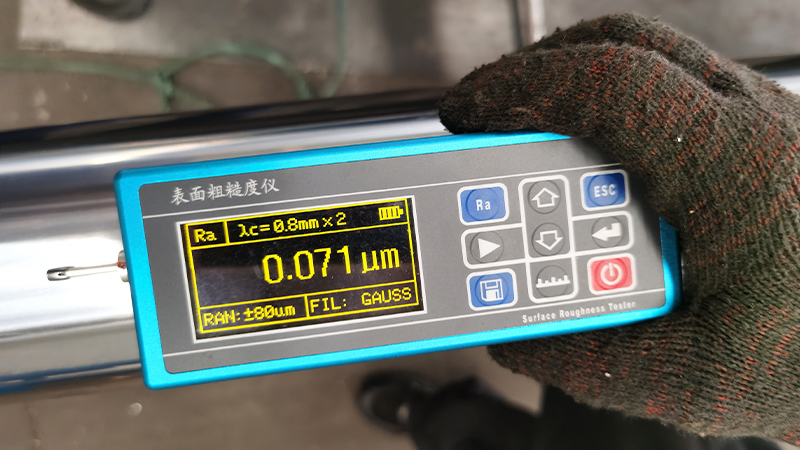
Hard Chrome Plating Provides the Working Layer
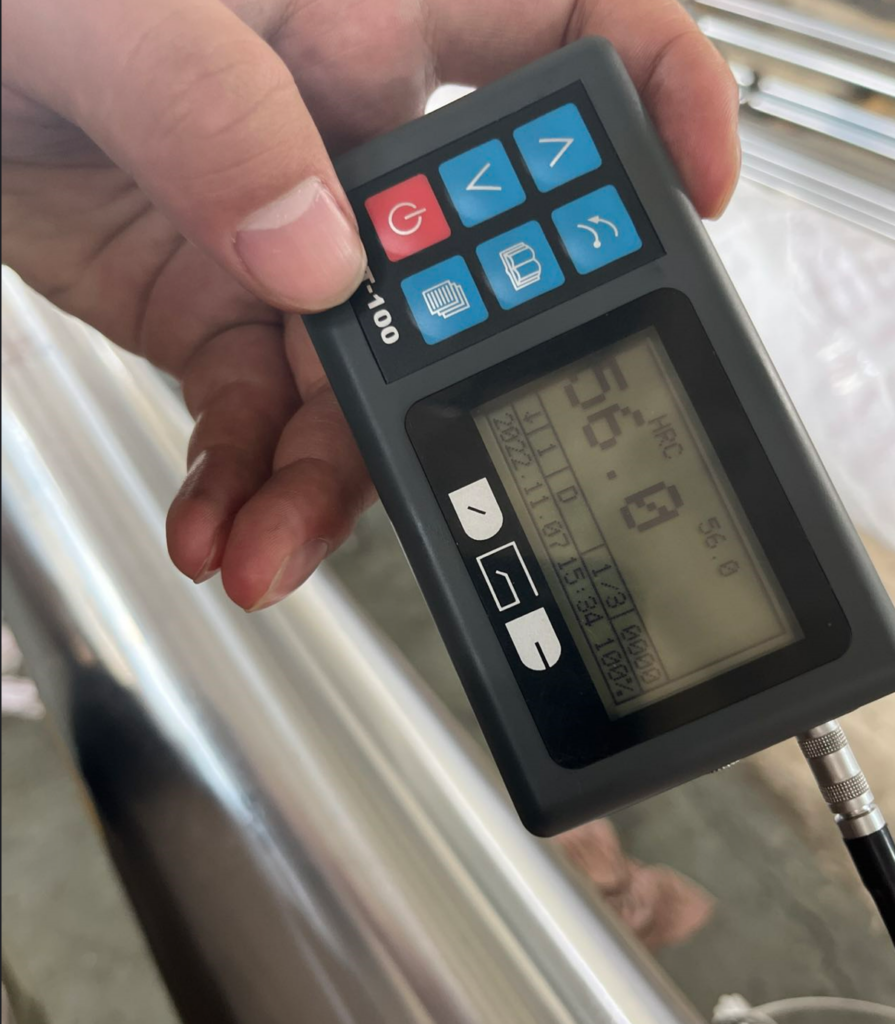
The purpose of hard chrome plating is not only appearance improvement. The chrome layer becomes the external working surface of the piston rod.
During cylinder operation, this surface needs to withstand repeated contact with seals and exposure to external conditions. The chrome layer helps provide the required wear resistance and surface stability for hydraulic applications.
However, the performance of the final rod depends on the complete manufacturing process. Chrome thickness, hardness, finishing, and dimensional control all need to work together.
Dimensional Accuracy Affects Assembly and Performance
A hydraulic cylinder is a precision mechanical system. The piston rod needs to match the cylinder design, sealing system, and guiding components.
Even when the material and chrome surface are suitable, poor dimensional control can create problems during assembly or operation. The rod needs to maintain the required diameter and tolerance throughout production.
EAST AI’s product specification includes tolerance grades such as f7, f8, and g6, depending on customer requirements. The available diameter range covers 6–500 mm, supporting different hydraulic cylinder applications.
Why Straightness Becomes Critical
Straightness is another factor that influences hydraulic cylinder reliability.
A piston rod does not work independently. It moves through guides and seals, meaning that excessive deviation can affect alignment and create uneven loading during operation.
This becomes especially important for long-stroke cylinders where the working length of the rod increases. EAST AI’s product specification lists straightness control of ≤0.2/1000 mm, supporting precision requirements for hydraulic applications.
Material Quality Supports Mechanical Performance
The chrome layer provides the working surface, but the steel substrate provides the structural foundation of the piston rod.
The selected material needs to match the mechanical requirements of the cylinder, including load, diameter, length, and operating environment.
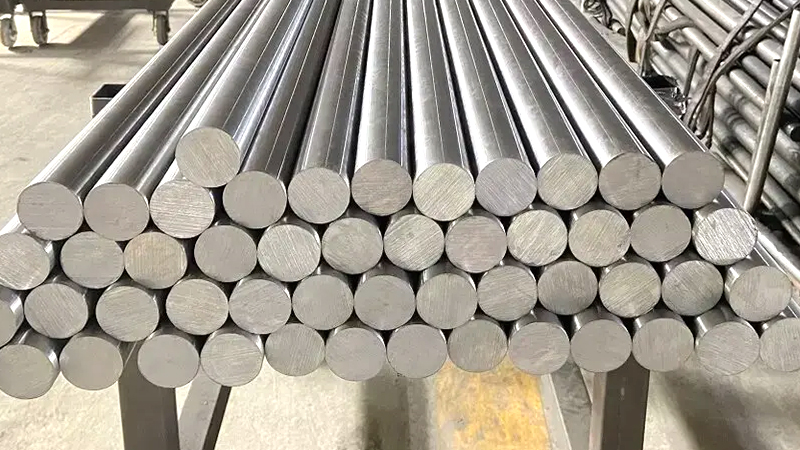
EAST AI’s chrome plated rod range includes material options such as CK45, SAE1045, JIC45C, ST52, 4140, 42CrMo, 40Cr, 20MnV6, stainless steel grades, and other options depending on application requirements.
Why Batch Consistency Matters for OEM Customers
For individual replacement parts, one acceptable rod may appear sufficient. For OEM hydraulic cylinder manufacturers, consistency becomes much more important.
A cylinder manufacturer may purchase hundreds or thousands of rods over multiple production batches. If material, dimensions, surface quality, or finishing conditions vary between batches, production stability can be affected.
A reliable supplier needs to maintain the same technical standards repeatedly, not only produce one good sample.
The Connection Between Rod Quality and Maintenance Cost
The initial purchase price of a chrome plated rod is only one part of the total cost.
A lower-quality component may increase costs later through more frequent maintenance, unexpected downtime, replacement requirements, or production interruptions.
For equipment manufacturers and hydraulic service providers, a stable and reliable rod specification can help reduce these hidden costs throughout the cylinder’s working life.
Choosing the Right Rod Specification for the Application
There is no single chrome plated rod specification suitable for every hydraulic cylinder.
A construction machine cylinder, industrial press cylinder, lifting system, or automation cylinder may have different requirements regarding load, stroke, environment, and operating cycle.
The correct selection should consider the complete application, including rod diameter, material, surface treatment, tolerance, length, and expected service conditions.
Why Supplier Capability Matters
A chrome plated rod supplier is not only providing a finished product. The supplier is responsible for controlling multiple manufacturing stages that influence final performance.
Material preparation, machining, chrome plating, grinding, polishing, inspection, packaging, and transportation all affect the condition of the final component.
This is why experienced buyers often evaluate manufacturing capability and quality control systems rather than comparing products only by price.
Chrome Plated Rod Quality Creates Long-Term Value
The service life of a hydraulic cylinder depends on many components working together. The piston rod is one of the most important parts because it directly interacts with the sealing system and external environment.
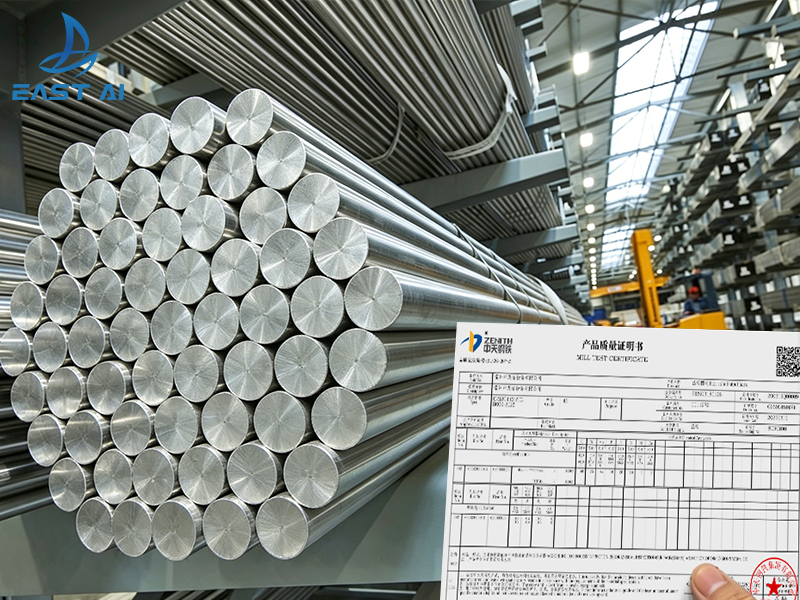
A properly manufactured chrome plated rod provides a stable foundation for reliable hydraulic cylinder operation. Surface quality, dimensional accuracy, material selection, and manufacturing consistency all contribute to the final result.
For OEM manufacturers, choosing the right rod supplier is not only about purchasing a component. It is about building a more predictable hydraulic system.
Frequently Asked Questions
Why does chrome plated rod quality affect hydraulic cylinder life?
Because the rod surface directly interacts with seals and guides during repeated movement. Surface condition, accuracy, and consistency influence the working performance of the cylinder.
What surface specifications are important for chrome plated rods?
Important specifications include chrome hardness, chrome thickness, surface roughness, diameter tolerance, and straightness.
What chrome hardness does EAST AI provide?
The product specification lists a chrome layer hardness of 850 HV.
What chrome thickness range is available?
The product specification lists chrome thickness from 20–100 μm.
What diameter range can be supplied?
The product specification covers chrome plated rods from 6–500 mm diameter, with lengths up to 15 m.
What materials are available?
Available material options include CK45, SAE1045, ST52, 4140, 42CrMo, 40Cr, 20MnV6, and stainless steel grades depending on requirements.
Related Products & Applications
Construction Machinery Hydraulic Applications

Need Technical Support?
A hydraulic cylinder’s performance depends on the quality and consistency of every critical component. The chrome plated rod provides the working surface that connects mechanical movement with sealing performance.
EAST AI supplies chrome plated rod solutions with controlled materials, dimensions, surface specifications, and manufacturing processes for hydraulic cylinder manufacturers and OEM applications.