
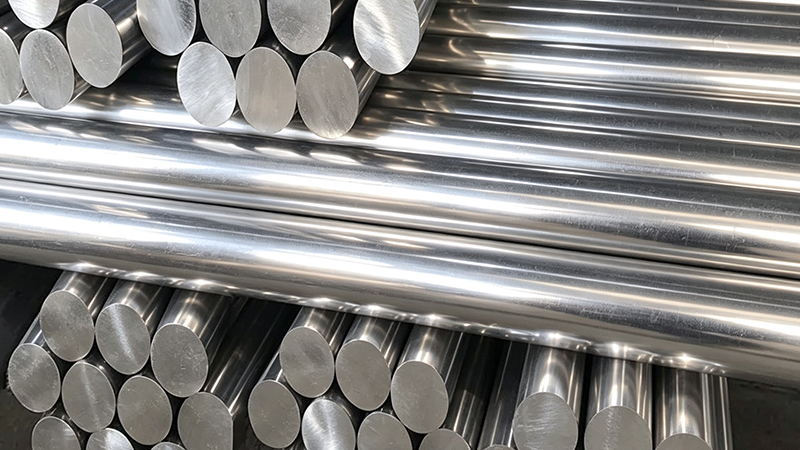
Surface Finish Is a Working Characteristic
The surface of a hydraulic piston rod is not simply a cosmetic feature. During cylinder operation, the rod repeatedly passes through seals and guides, meaning that the external surface becomes part of the working interface of the hydraulic cylinder. Its condition can influence friction, sealing behavior, wear, and the long-term stability of the cylinder.
This is why a chrome plated rod should be evaluated as a finished precision component rather than simply as a steel rod with a chrome coating. The chrome layer, grinding and polishing process, dimensional tolerance, and final surface roughness all need to work together to produce a suitable working surface.
Why Surface Roughness Matters
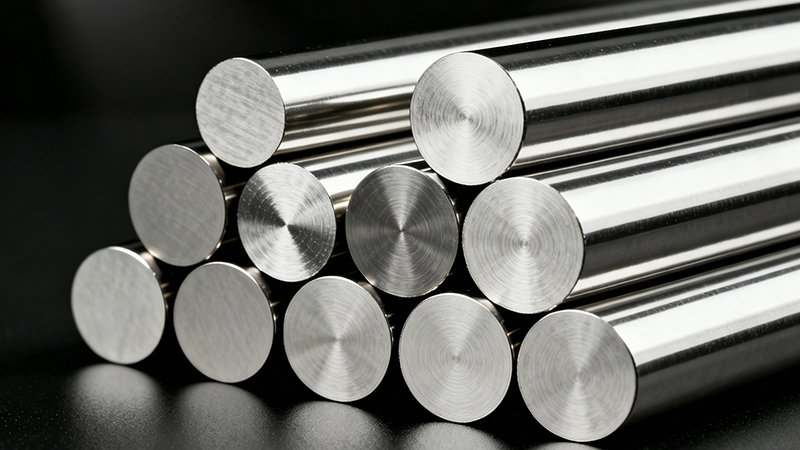
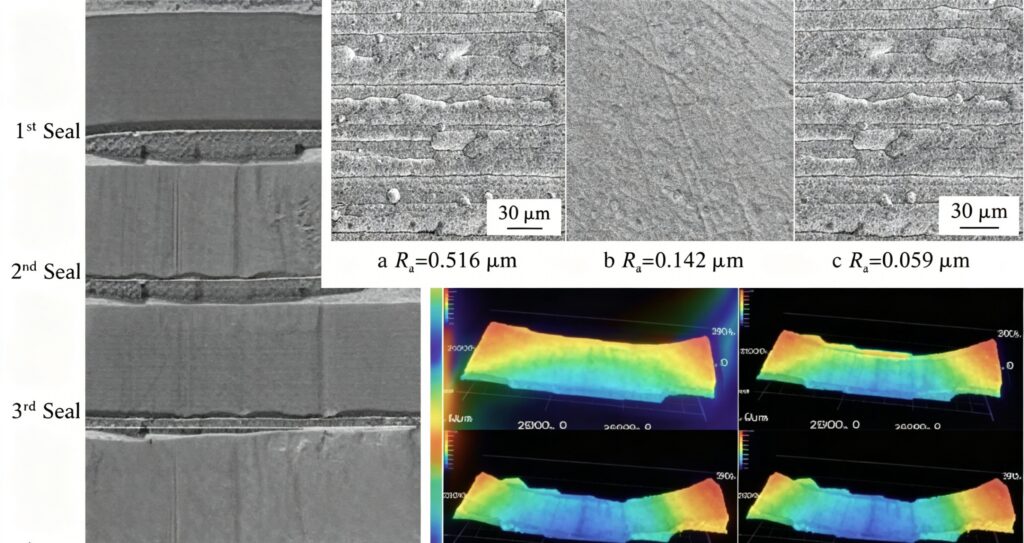
Surface roughness describes the microscopic condition of the rod surface. A surface that is too rough can create more interaction with the sealing system, while an uncontrolled or damaged surface may affect seal performance during repeated movement. The objective is therefore not to make the rod visually smooth, but to achieve a controlled surface condition that matches the requirements of the hydraulic cylinder.
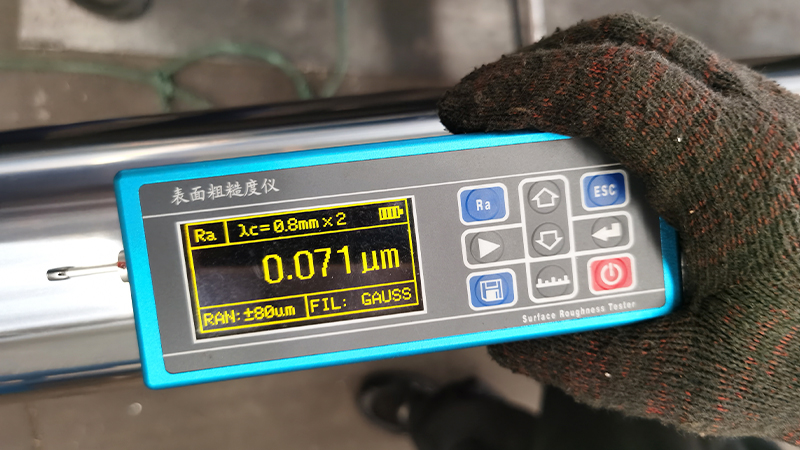
For hydraulic applications, EAST AI’s chrome plated rod specification lists surface roughness of Ra ≤0.2 μm. This type of requirement gives the buyer a measurable technical reference instead of relying only on visual appearance when evaluating the finished rod.
The Relationship Between Chrome Plating and Final Finish
Chrome plating creates the external working layer, but the final surface condition is determined through the complete manufacturing process. After plating, the rod may require grinding and polishing to achieve the required diameter, tolerance, and surface finish, so the quality of the final component depends on how these processes are controlled together.
A chrome layer can meet its nominal thickness while the finished rod still fails to provide the required surface condition if the subsequent finishing process is not properly controlled. For this reason, chrome thickness, final diameter, surface roughness, and geometry should be considered as related specifications rather than independent numbers.
Surface Finish and Hydraulic Seals
The piston rod and rod seal work together throughout the operating cycle. During extension and retraction, the seal remains in contact with the rod surface while attempting to retain hydraulic fluid inside the cylinder and prevent external contaminants from entering the system.
A properly finished rod provides a controlled working surface for this interaction. However, surface finish should always be considered together with seal material, seal design, lubrication, pressure, speed, and operating environment because rod performance cannot be separated completely from the sealing system.
Why Visual Inspection Is Not Enough
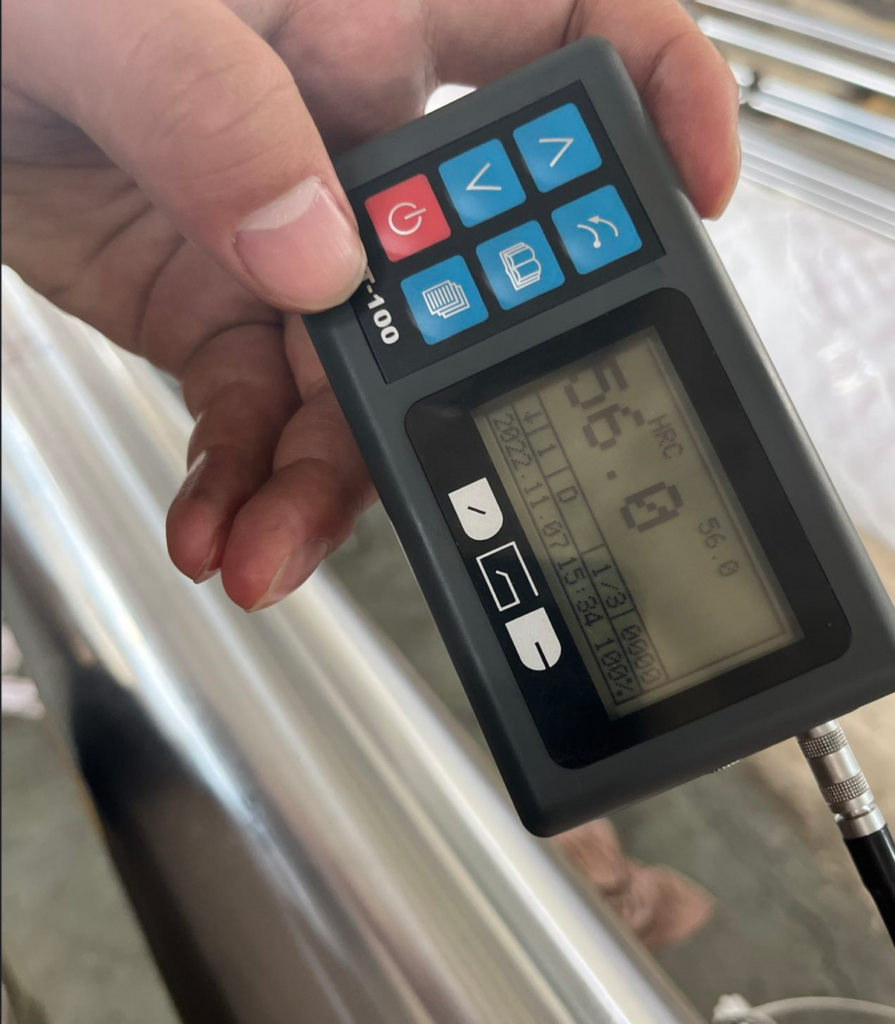
A rod can look bright and polished while still having dimensional or surface characteristics that do not meet the technical requirement. Conversely, minor visual differences do not necessarily mean that the rod will perform poorly if the measurable specifications remain within the agreed range.
For OEM purchasing, this is why surface roughness should be defined numerically where required and verified using appropriate inspection methods. A professional specification gives both the buyer and supplier the same reference for determining whether the finished product is acceptable.
Surface Finish and Rod Diameter Work Together
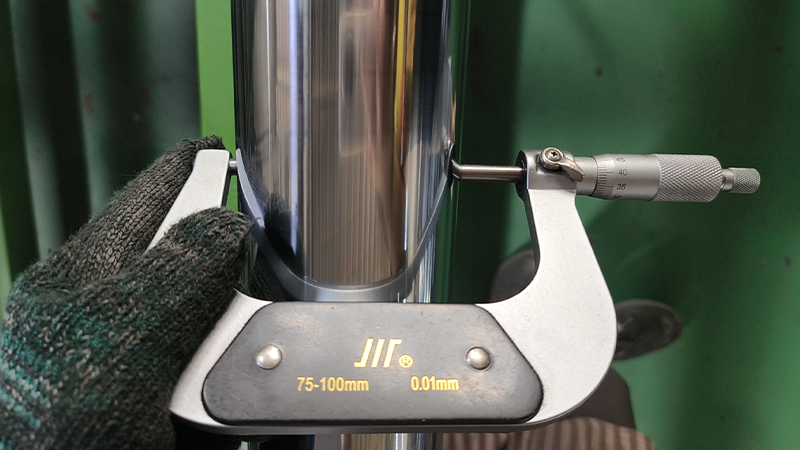
Surface finishing is not performed independently from dimensional control. Grinding and polishing need to bring the plated rod to the required final diameter while maintaining the specified surface condition across the working length.
EAST AI’s chrome plated rod range supports tolerance grades including f7, f8, and g6, with diameters from 6–500 mm according to the product specification. The actual tolerance should be selected according to the customer’s drawing and hydraulic cylinder requirements rather than using one tolerance for every application.
Surface Finish in Different Hydraulic Applications
A piston rod used in an industrial hydraulic cylinder may operate in a relatively controlled environment, while a rod used in construction machinery can face dust, moisture, mud, temperature changes, and repeated mechanical loading. These differences can influence the surface requirements and the overall rod specification.
The correct approach is therefore to match the surface condition to the application. The rod needs to work with the cylinder’s seals and guides under the actual operating conditions rather than simply meeting a generic appearance standard.
What Happens When the Surface Is Not Properly Controlled?
If the rod surface is significantly outside the required condition, the effects may appear gradually rather than immediately. Increased friction, seal interaction, localized surface damage, or accelerated wear may develop over repeated operating cycles, making the original surface issue difficult to identify later.
For this reason, controlling the surface during manufacturing is generally more effective than attempting to compensate for an unsuitable surface after the cylinder has already entered service. The supplier’s finishing process and inspection capability therefore become important parts of the purchasing decision.
Why OEM Buyers Should Specify the Final Surface
OEM customers should avoid describing the requirement only as “hard chrome plated rod.” This identifies the general product type but does not define the complete finished component.
A more useful specification can include material, diameter, tolerance, length, chrome thickness, surface roughness, straightness, and other requirements relevant to the cylinder. This gives the supplier enough information to manufacture according to the actual application instead of interpreting the order from a product name alone.
Surface Finish Is Part of the Complete Rod Specification
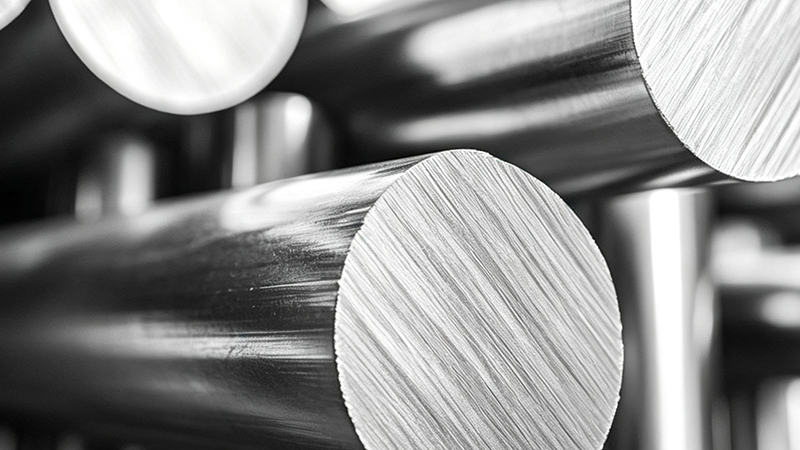
A reliable chrome plated rod is the result of several controlled characteristics working together. The base material provides the structural foundation, the chrome layer provides the external working surface, and the final grinding and polishing process establishes the required dimensional and surface condition.
For hydraulic cylinder manufacturers, the practical question is therefore not whether a rod looks smooth, but whether its finished surface consistently meets the technical requirements needed by the cylinder. This is where controlled manufacturing becomes more valuable than appearance alone.
Frequently Asked Questions
What surface roughness is specified for EAST AI chrome plated rods?
The product specification lists Ra ≤0.2 μm surface roughness for the chrome plated rod.
Why is surface roughness important on a piston rod?
Because the rod repeatedly moves through seals and guides. The surface condition can influence friction, sealing interaction, and long-term wear behavior.
Is chrome thickness the same as surface roughness?
No. Chrome thickness describes the thickness of the plated layer, while surface roughness describes the final microscopic condition of the working surface. Both can be important but they describe different characteristics.
Can surface finish be customized?
Surface requirements can be discussed according to the customer’s technical drawing and application. The required condition should be confirmed before production.
Related Products & Applications
Construction Machinery Hydraulic Applications
Industrial Hydraulic Applications

Need Technical Support?
The surface of a chrome plated rod directly participates in the working interface of the hydraulic cylinder. For this reason, surface roughness, chrome plating, dimensional accuracy, and final finishing should be considered together when specifying the component.
EAST AI supplies chrome plated rod solutions for hydraulic cylinder manufacturers and OEM customers according to application requirements, technical specifications, dimensions, tolerances, and surface requirements.