
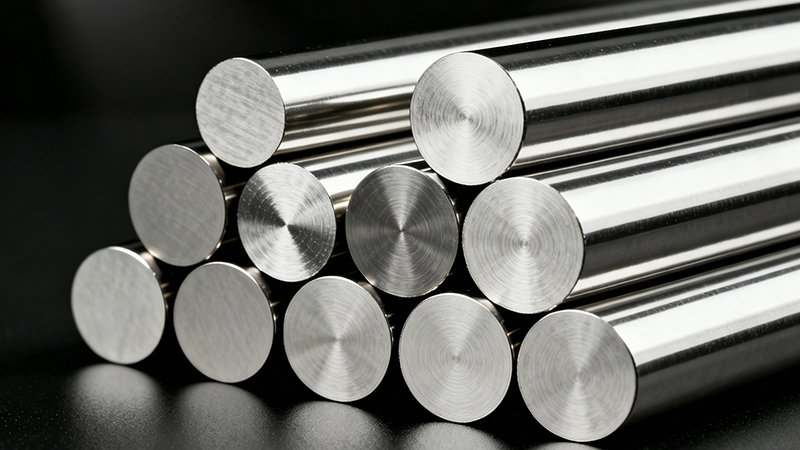
Why Rod Tolerance Matters
When purchasing a chrome plated rod, the nominal diameter is only the starting point. A rod described as 50 mm does not necessarily mean that every finished piece measures exactly 50.000 mm. The specified tolerance defines the permitted dimensional variation and determines whether the component is suitable for the intended hydraulic assembly.
For hydraulic cylinder manufacturers, this matters because the piston rod works with seals, guides, bushings, and other precision components. The rod therefore needs to be manufactured within the dimensional range required by the cylinder design rather than simply matching the nominal diameter shown on a quotation.
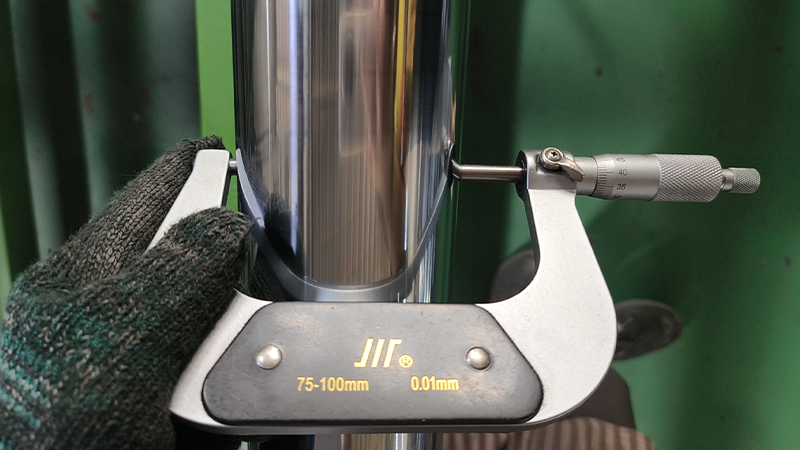
What Do f7, f8 and g6 Mean?
f7, f8, and g6 are ISO-style tolerance designations used to define the permitted dimensional deviation of a shaft or external cylindrical component. The letter describes the position of the tolerance zone relative to the nominal dimension, while the number represents the tolerance grade.
In practical purchasing terms, the important point is that these designations communicate a specific dimensional requirement. EAST AI’s chrome plated rod specification includes f7, f8, and g6 tolerance options, allowing the rod to be manufactured according to the requirements of different hydraulic cylinder applications.
Why the Same Diameter Can Have Different Tolerances
Two hydraulic cylinders can use rods with the same nominal diameter but require different tolerance conditions. The difference may come from the seal design, guide arrangement, assembly method, operating environment, or customer’s engineering standard.
This is why a supplier should not automatically substitute one tolerance for another simply because the nominal diameter is identical. If a drawing specifies a particular tolerance, the finished rod should be manufactured and inspected against that requirement.
Tolerance and the Sealing System
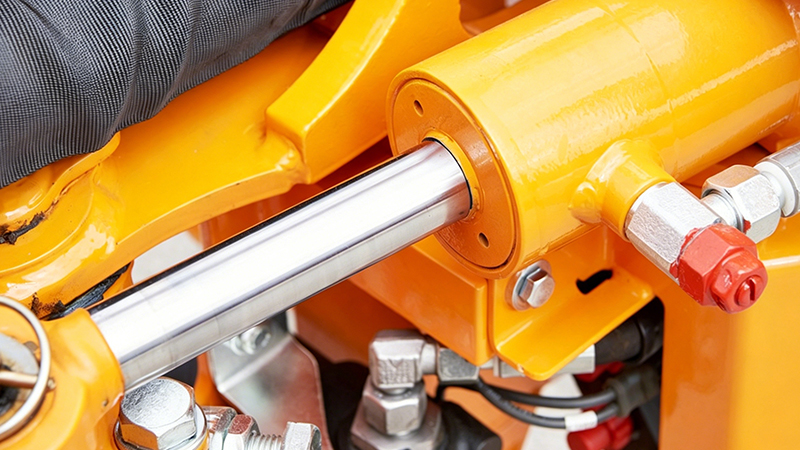
The piston rod passes directly through the rod seal, so dimensional accuracy is closely related to the sealing system.
If the rod diameter is outside the required range, the relationship between the rod and seal can change. Depending on the design, this may influence sealing performance, friction, or wear. The exact effect depends on the seal geometry and operating conditions, which is why the tolerance needs to be determined from the complete cylinder design.
Tolerance and Guide Components
The rod does not work only with the seal. It also interacts with guiding components that help maintain the intended movement of the piston rod.
A suitable dimensional relationship between the rod and guide supports stable movement and helps maintain alignment during operation. This is particularly relevant for cylinders with longer strokes, higher loads, or demanding working cycles.
For this reason, rod tolerance should be considered together with the guide and sealing system rather than treated as an isolated purchasing parameter.
Why Plating Changes the Manufacturing Process
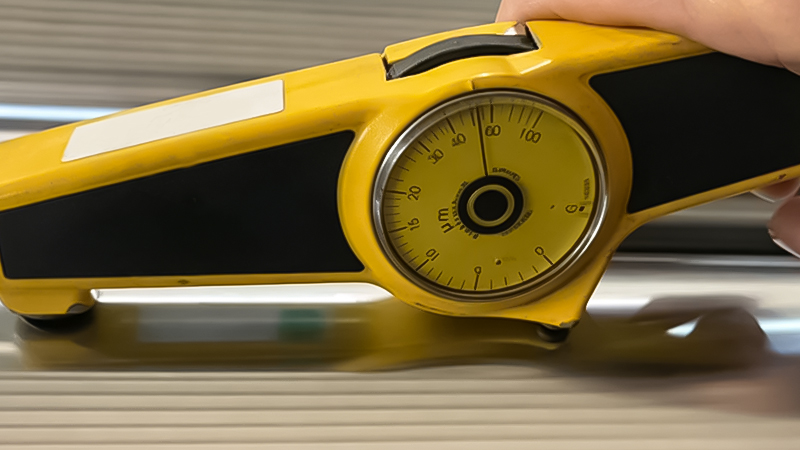
Chrome plating is applied to the rod before the final surface is finished to the required dimensions. This means the supplier needs to consider the relationship between the base material, machining allowance, plating thickness, grinding, polishing, and final tolerance.
The finished diameter is what matters to the customer. It is therefore not enough for the base rod to have the correct nominal size before plating; the complete manufacturing route needs to deliver the required final dimension after the surface treatment and finishing stages.
Tolerance Becomes More Important as Requirements Increase
Standard hydraulic cylinders may use commonly available tolerance specifications, while precision or specialized applications can require tighter control.
The more demanding the cylinder application, the more important it becomes to define the dimensional requirement clearly. A supplier should be able to work from the customer’s technical drawing and maintain the agreed tolerance consistently rather than selecting a convenient standard after receiving the order.
How Buyers Should Specify a Chrome Plated Rod
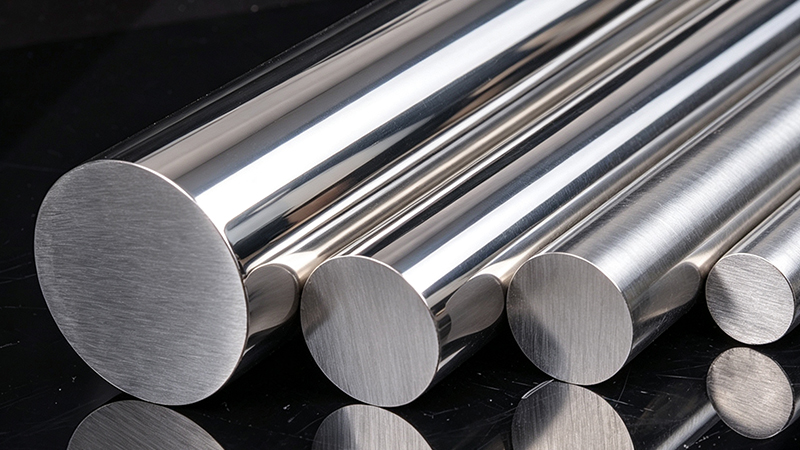
A professional purchase specification should identify the nominal diameter together with the required tolerance. It should also define other characteristics such as material, overall length, chrome thickness, surface roughness, straightness, and any application-specific requirements.
EAST AI supplies chrome plated rods from 6–500 mm diameter and supports tolerance grades including f7, f8, and g6, according to the product specification. The actual specification should be confirmed against the customer’s drawing before production.
Tolerance Is Not the Same as Straightness
Diameter tolerance and straightness describe different characteristics.
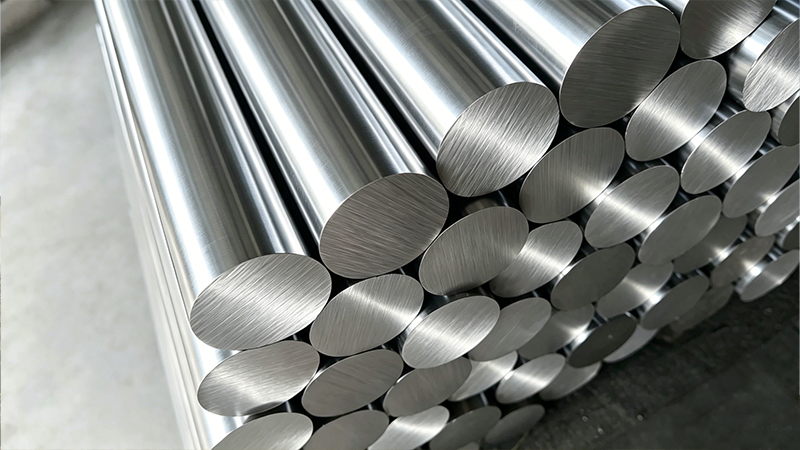
Tolerance controls the permitted dimensional variation of the rod diameter, while straightness describes how closely the rod follows a straight geometric line along its length. A rod can therefore meet its diameter tolerance while still requiring separate control of straightness.
EAST AI’s product specification lists straightness of ≤0.2/1000 mm, showing why dimensional tolerance and geometric accuracy need to be considered as separate requirements.
Why Consistency Matters More Than One Measurement
A single measurement can confirm the condition at one location, but OEM customers often need consistency across the complete working length and across repeated production batches.
For a cylinder manufacturer, receiving rods that vary from one batch to another can create additional incoming inspection and production adjustment work. A stable manufacturing process helps ensure that the same specification can be reproduced when the customer places the next order.
What Should Buyers Ask Their Supplier?
Instead of asking only “Can you make 50 mm chrome plated rods?”, buyers can provide the complete requirement and ask the supplier to confirm production capability. The information can include diameter, tolerance, material, length, chrome thickness, surface roughness, straightness, quantity, and application.
This makes communication much clearer and reduces the possibility that the supplier interprets a general product name differently from the customer’s engineering team.
Why Tolerance Should Be Confirmed Before Production
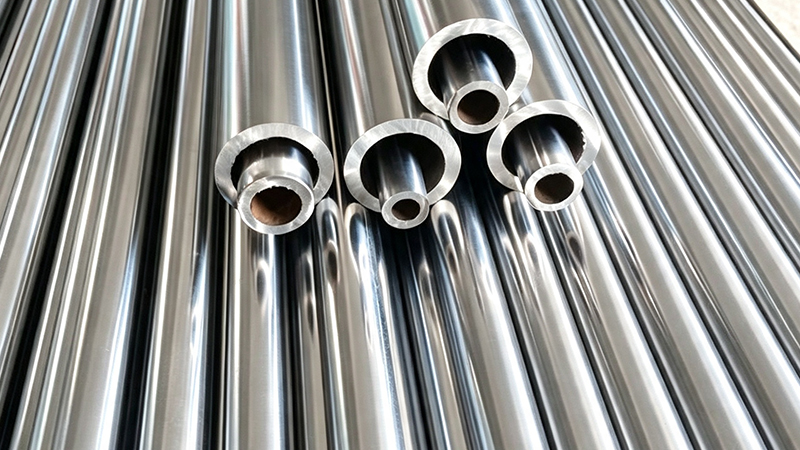
Tolerance is not something that should be left to interpretation after production begins. Once the rod has been manufactured, plated, ground, and polished, changing the final dimensional requirement may no longer be practical.
For OEM production, the most efficient approach is to confirm the technical specification before quotation and production. This gives both sides the same target and allows the manufacturing process to be planned around the final requirement.
Frequently Asked Questions
What is f7 tolerance on a chrome plated rod?
f7 is an ISO-style shaft tolerance designation that defines a specific tolerance zone relative to the nominal diameter. The actual numerical limits depend on the nominal diameter.
What is the difference between f7 and f8?
Both are tolerance designations, but they represent different tolerance grades. The appropriate choice depends on the requirements of the hydraulic cylinder and its mating components.
What is g6 tolerance?
g6 is another ISO shaft tolerance designation with a different tolerance-zone position and grade from f7 or f8. The correct designation should be selected according to the engineering requirement.
Does chrome plating affect rod tolerance?
The complete plating and finishing process needs to be controlled because the final diameter and tolerance are measured on the finished chrome plated rod.
Can EAST AI supply f7, f8 and g6 rods?
The product specification includes f7, f8, and g6 tolerance options. The exact requirement should be confirmed according to the customer’s drawing and application.
Related Products & Applications
Industrial Hydraulic Applications
Construction Machinery Hydraulic Applications

Need Technical Support?
Tolerance is one of the details that determines whether a chrome plated rod is simply the correct nominal size or actually suitable for a specific hydraulic cylinder.
EAST AI supports chrome plated rod specifications including f7, f8, and g6 tolerances, with different diameters, materials, lengths, and surface requirements for hydraulic cylinder manufacturers and OEM customers.