
Written by Alex, Production Engineer at EAST AI | Published September 25, 2026
A submersible pump manufacturer called me at 3 PM last month with a critical problem. They’d lost a batch of cylinders to premature rod failure in a brackish water environment. The rods had passed all corrosion testing. The hydraulic fluid was being conditioned properly. Yet the chrome plating was failing in 18 months instead of the designed 5-year service life. “We specified chrome plated rod exactly like we do for our regular industrial hydraulic systems,” the engineer said. “Why would subsurface exposure be different?” Because the corrosion environment 300 meters below the surface is completely different from anything tested in a lab.
Why Subsurface Corrosion Is a Fundamentally Different Problem
When a hydraulic cylinder works subsea or in deep brackish water, several environmental conditions change dramatically compared to surface industrial equipment. First, pressure increases with depth. At depth, water pressure creates microcracking in coatings and accelerates ionic penetration through the coating layer. This is mechanical damage invisible to standard testing. Second, oxygen availability changes. Subsurface water has different oxygen levels than surface water. This completely changes the electrochemistry of corrosion — sometimes making it less aggressive, sometimes more aggressive depending on depth and water chemistry.
Third, microorganism activity accelerates corrosion. Below light penetration depth, anaerobic bacteria become dominant. These microorganisms can accelerate corrosion through biochemical processes — sulfate-reducing bacteria create sulfuric acid as metabolic byproduct, for example. Fourth, there’s an absence of temperature cycling. Deep water temperature is essentially constant. While this sounds beneficial, it removes the natural stress-relief cycles that coatings get from temperature expansion and contraction. Over time, the coating develops different stress patterns and becomes more brittle. Fifth, chemical composition varies by location. Brackish water, brine, produced water, or other subsurface fluids have different ion concentrations than ocean saltwater. Some subsurface fluids are more corrosive than others — and you often don’t know the exact composition until you’re already in service and experiencing failures.
Chrome Plating Thickness Alone Isn’t the Solution
The standard approach for subsea corrosion protection is to increase chrome plating thickness. It makes intuitive sense: more chrome equals longer protection. But thickness alone doesn’t solve the subsurface problem. Chrome plating is porous at the microscopic level. Water and corrosive ions penetrate through to the base material. Once penetration starts, corrosion can undermine the chrome layer from underneath — the coating separates and flakes off, leaving exposed steel that corrodes rapidly. Thicker chrome delays penetration but doesn’t prevent it. A 75-micron coating might last 24 months before internal corrosion accelerates, while a 200-micron coating might last 48-60 months. But both eventually fail through the same mechanism.
For subsurface service, what matters more than thickness is pore sealing — reducing micro-porosity in the coating through post-plating treatment. Intermediate nickel layers act as a barrier to ion penetration. Pre-coat material preparation controls the base steel’s susceptibility to corrosion initiation. These factors matter more than just adding more chrome.
The Material That Actually Works: Duplex Stainless vs High-Performance Carbon Steel
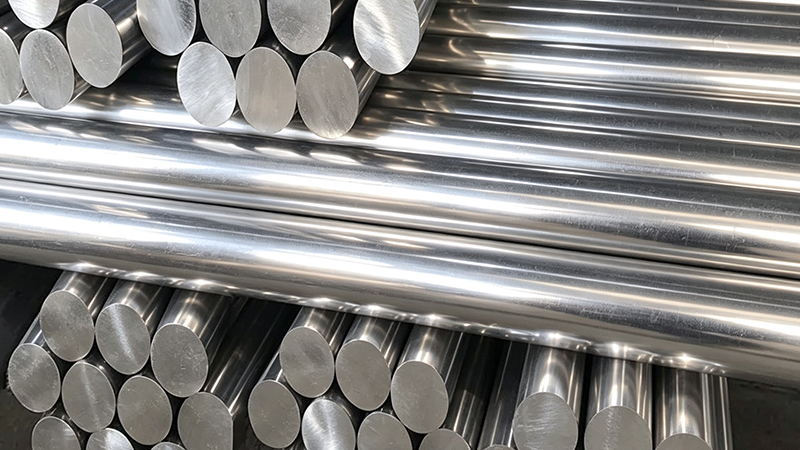
We’ve moved away from relying on chrome plating alone for deep subsea service. Here’s what actually works. Option one: duplex stainless steel rod base (316L or Super Duplex). This material is inherently more corrosion-resistant than carbon steel. It doesn’t rely on a coating for corrosion protection — the coating is supplementary. It can tolerate coating damage without triggering widespread corrosion. Cost is 40-60% higher than carbon steel. Option two: high-strength carbon steel with multi-layer coating. This uses carbon steel base at standard material cost, but adds nickel strike layer (1-2 microns of pure nickel applied first), chrome plating (50-75 microns), and supplementary surface topcoat (epoxy or polyurethane, 20-30 microns). It includes pre-treat with conversion coating for additional barrier protection. Cost is 20-30% higher than standard chrome rod but 30-40% lower than stainless. For most subsurface applications, option two is the practical sweet spot between performance and cost.
Real Case Study: Subsea Production Valve Retrofit
In 2023, an offshore oil and gas operator had a fleet of subsea production control valves with hydraulic pilots running 600+ meters depth. The rods were standard industrial chrome-plated carbon steel (25-50 microns of chrome, no special subsurface coating). They started failing at 2-3 years instead of designed 5-7 years. Root cause analysis showed chrome coating integrity was compromised. The base material had local pitting corrosion starting at coating defects. The brackish produced water they were operating in was more aggressive than standard seawater. The fix involved multiple changes: change base material to DCI 145 (proprietary high-performance carbon steel), apply nickel pre-coat plus 75-micron chrome plus epoxy topcoat, specify higher initial salt spray testing (1500+ hours per ASTM B117), implement periodic inspection protocol for early detection.
Result: follow-up cylinders ran 6+ years without failure. Zero corrosion complaints in the next inspection cycle. Cost impact: upgraded rods cost 35% more per unit. Over the valve’s 20-year lifecycle with planned rod replacements, the cost difference was roughly 1,500−2,000pervalve.Thevaluedelivered:eliminatedemergencyfailures,eliminatedsubsearepaircosts(whichrun50,000-$100,000+ per incident), maintained production uptime. From a business perspective, that 35% material cost increase saved hundreds of thousands in operational costs.
What We Test Before Shipping Subsea Rods
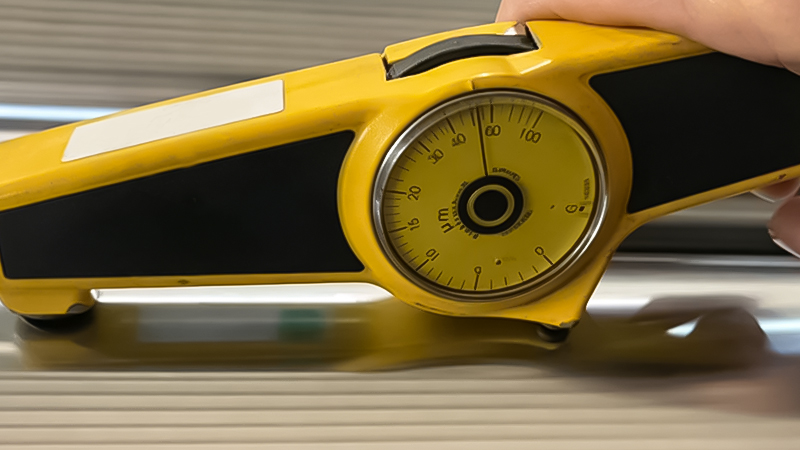
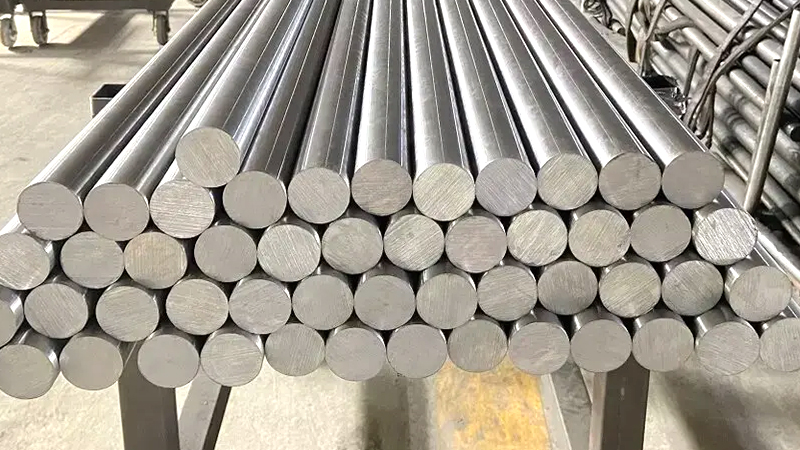
For subsurface service, our testing protocol goes beyond standard industrial specs. We perform extended salt spray testing (500 hours minimum) per ASTM B117. We do cyclic corrosion testing (simulates salt spray plus humidity plus dry cycles) per ASTM B1168 or SAE J2334 — this is critical because deep water doesn’t have dry cycles but pressure cycling creates similar stress. We test crevice corrosion potential per ASTM G48 Method C (ferric chloride immersion) to evaluate risk in the crevices that will form around welds. We test coating adhesion through cross-hatch adhesion and impact testing per ASTM D3359. We verify hardness to ensure substrate material matches specification. We measure dimensional inspection confirming chrome thickness targets. We provide full test certificates documenting performance.
The Conversation With Your Subsea Equipment Supplier
When designing hydraulic systems for subsurface service, ask your chrome rod supplier directly: Have you tested this rod configuration in this specific water environment — because brackish, brine, and produced water are all different? What’s the maximum depth you recommend, and is that based on pressure testing or field experience? What’s your expected service life assumption, and is that based on lab testing or actual field data? Do you include nickel plating — hint: you should? What happens if we exceed the depth rating, and what are the failure modes we should plan for?
If your supplier can’t answer these directly or doesn’t seem to think deeply about subsurface exposure, find one who does. Subsea corrosion is not a problem to cut costs on.
Maintenance Planning for Subsea Rods
Even with optimal material selection and coating, subsurface rods require planned maintenance. Year 1-2: monitor for any external signs of corrosion, inspect at planned maintenance intervals. Year 3-4: more frequent inspection during scheduled equipment servicing. If any corrosion initiation is visible, plan for rod replacement in the next service cycle. Year 5+: replace rods proactively before reaching wear limits. Don’t wait for failure. The cost of planned replacement is a fraction of emergency repair costs and reputational damage from unexpected failures in the field.
Bottom Line
Standard industrial chrome-plated rods are not engineered for subsurface service. If you’re designing hydraulic systems for subsea, deep-water wells, or harsh submersible environments, treat it as a specialized application requiring different material and coating strategy. Material selection and coating strategy need to account for the specific water chemistry and depth you’re operating in. That might mean stainless steel, or it might mean an enhanced carbon steel with multi-layer coating. But either way, it’s a deliberate choice based on engineering analysis, not a cost-cutting decision.
Related Reading:
External References:
- ISO 13622: Duplex Stainless Steels — Classification and Designation
- DNV GL Rules for Subsea Systems and Equipment
- API RP 579: Fitness-for-Service
Design Subsea Hydraulic Systems That Survive Deep Water Environments
Stop applying surface equipment standards to subsurface service. EAIHYDRAULIC’s deep water specialists understand that subsea, high-pressure, and harsh chemical environments require material and coating strategies fundamentally different from industrial hydraulics. Whether you’re designing production control systems, ROV (remotely operated vehicle) hydraulics, or subsea well equipment, we provide engineering analysis backed by advanced corrosion testing and proven subsea field experience.
What We Offer:
- Subsurface material and coating selection analysis based on your specific water chemistry and operating depth
- Chrome plated rods featuring duplex stainless or multi-layer coating systems proven in subsea field service
- Advanced corrosion testing protocols specifically designed for deep water conditions and pressure cycling
- Full subsea equipment certification documentation and compliance support for DNV GL, ABS, and API standards