
Written by Alex, Production Engineer at EAST AI | Published September 21, 2026
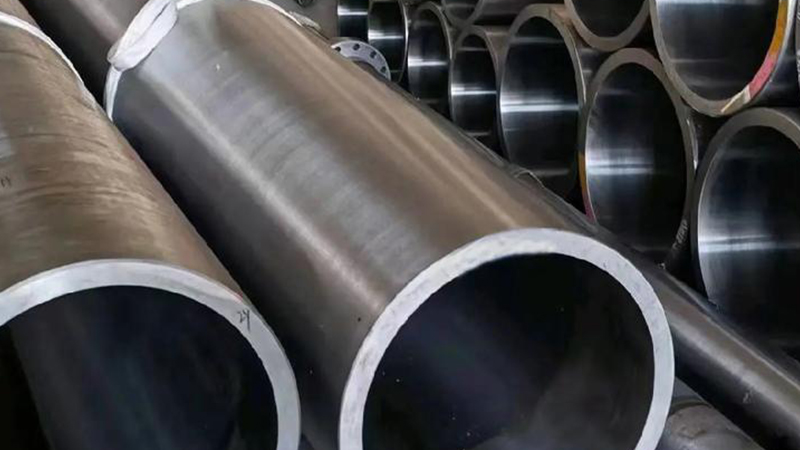
We got a support call from a port equipment manufacturer last year with a serious problem on their hands. Six months after delivery, honed tubes installed in their new container handler cylinders showed visible surface rust on the internal bore. The equipment hadn’t been in service yet — it was still in their warehouse waiting for installation. The tubes had been shipped with standard protective oil coating, which is normal industrial practice. Yet somehow that protection wasn’t holding up against the humid salt-air environment inside a covered warehouse just 2 kilometers from the ocean. The manufacturer was frustrated: “These are hydraulic cylinders for port equipment. Shouldn’t they be designed to handle this?” That question exposed a real gap. Most honed tube specifications don’t account for the specific rust challenges that port and marine environments present — not during service, but during the storage and installation phase before the equipment even starts working. This is where most of the damage happens, and where most suppliers provide inadequate protection.
Why Port Environment Rust Is Different From Industrial Rust
Industrial equipment stored indoors in climate-controlled facilities faces mild rust risk. Temperature stays relatively stable, humidity is managed, the air doesn’t contain salt or other accelerating contaminants. A standard light machine oil coating holds up fine. Port environments are fundamentally different. A warehouse near the docks experiences constant salt-laden humidity from ocean air. Temperature swings are dramatic — from humid mornings to dry afternoons. Salt deposits accumulate on everything. Condensation forms inside cylinders during temperature cycles. If a honed tube’s protective coating is too light or the tube material isn’t suitable for this specific environment, rust starts in weeks, not months.
The worst part is that this rust happens before the equipment operates. The cylinders are sitting idle, fully exposed to the salt air with no fluid circulation to maintain any protective film. The internal bore — which should be pristine for seal performance — is developing rust that will create scoring and contamination the moment hydraulic fluid is introduced.
Material Selection: The First Line of Defense
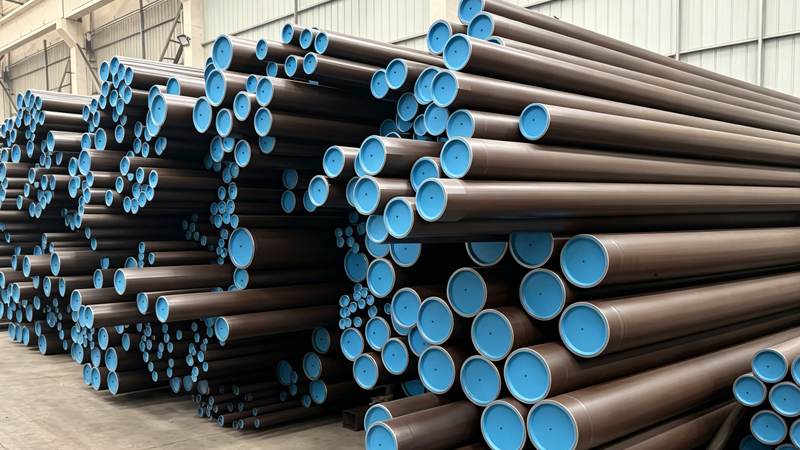
The honed tube material itself determines corrosion resistance. Standard carbon steel (like 45# or equivalent) works fine for most industrial applications. It has adequate hardness and machinability. But in a port environment with direct salt air exposure during storage, standard carbon steel doesn’t provide inherent corrosion resistance. It relies entirely on protective coatings, which can fail during shipping or storage. Better approach: specify higher-grade carbon steel with natural corrosion resistance properties built into the material chemistry. Some suppliers offer enhanced carbon steel specifications that include molybdenum or chromium additions — these cost maybe 10-15% more than standard steel but provide baseline corrosion resistance even if the protective coating gets compromised.
For the most aggressive port environments — where equipment sits outdoors or where salt spray is direct and constant — stainless steel options exist (typically 304 or 316 grade). Stainless steel costs 40-80% more than standard carbon steel and is harder to hone to very tight tolerances. But if the equipment will spend months in storage near salt water, the material security alone justifies the cost. We’ve seen equipment manufacturers in Southeast Asian ports make this choice specifically because of the humidity and salt exposure during the pre-installation phase.
Protective Coatings and Rust-Prevention Treatment
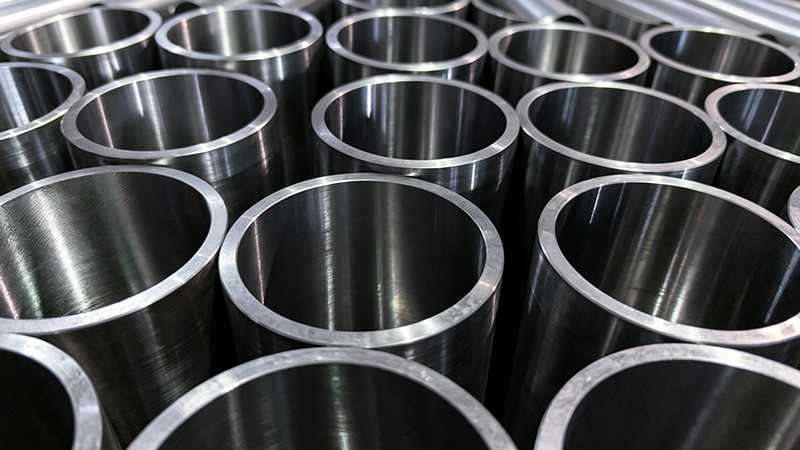
After material selection comes surface protection. The standard approach is light machine oil — applied to the bore and external surfaces. This is adequate for 4-6 weeks in normal industrial conditions. In port environments with salt air and temperature cycling, light oil breaks down much faster. Better approach: specify enhanced rust-prevention coatings designed specifically for marine storage. These typically involve: (1) alkaline cleaning to remove mill scale and contamination, (2) phosphate conversion coating applied to the steel surface, (3) heavier protective oil — typically marine-grade rust preventative oil that’s more viscous and salt-resistant than standard machine oil, (4) sometimes an additional thin wax or grease layer over the oil for extended protection.
This multi-layer approach costs more upfront (maybe 15-25% higher than standard protection) but the rust incidents drop dramatically. We’ve implemented this for port equipment customers and seen rust complaints essentially disappear during the pre-installation storage phase.
Real Case: Container Handler Cylinder Rust Problem
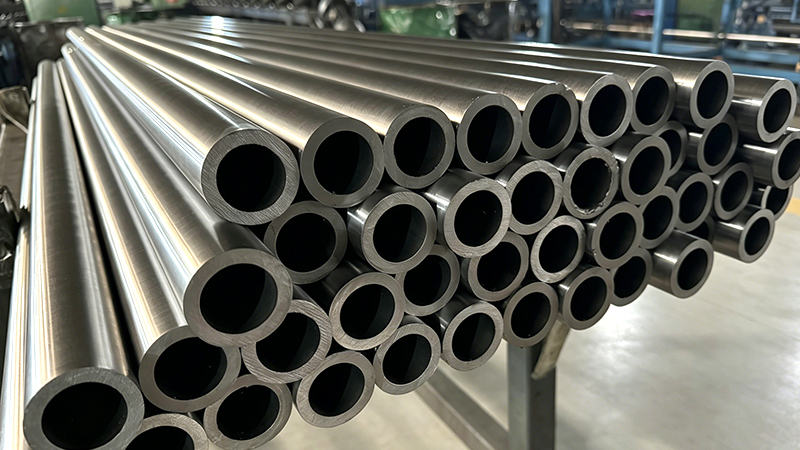
A port equipment manufacturer in Shanghai was delivering container handlers to a customer. The cylinders included honed tube barrels with standard industrial protective oil. The customer’s warehouse was literally at the port — 200 meters from the water, constant salt air, humid conditions year-round. Equipment arrived in July, planned installation for December (5 months later). By September, visible rust appeared on the bore ends where the protective oil had been washed away by condensation and salt mist. The customer wasn’t happy. They considered rejecting the shipment. Root cause: standard protective oil couldn’t handle 5 months of continuous salt-air exposure in that specific location.
Solution we implemented: Switch to enhanced rust-prevention coating (alkaline clean + phosphate coat + marine-grade protective oil). For future shipments, also recommend: (1) sealed plastic end caps on the cylinder bore to prevent salt air intrusion, (2) desiccant packets inside the shipping crate to manage humidity, (3) more frequent inspection schedule during the pre-installation storage phase. Result: subsequent shipments showed zero rust issues during the same storage period in the same warehouse. Cost impact: the enhanced coating cost about 12−15extrapercylinder.Thesealedshippinganddesiccantpacketsaddedroughly8-10 per shipment. Total additional cost was negligible compared to the risk of damaged equipment and customer relationship damage.
Storage and Pre-Installation Protection Protocol
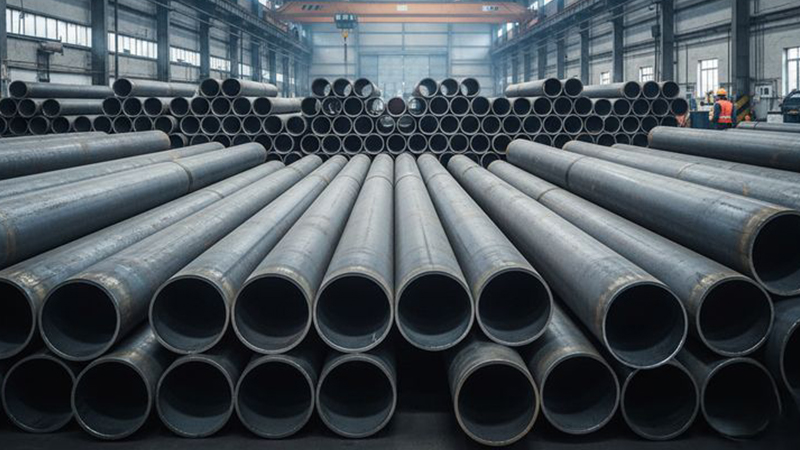
The most critical phase for rust prevention isn’t during equipment operation — it’s during the weeks or months between delivery and installation. Establish a pre-installation protection protocol: (1) at delivery, inspect cylinders immediately for any damage to protective coating, (2) store cylinders indoors in a covered, ventilated area (not directly exposed to salt air, but with air circulation to prevent humidity buildup), (3) elevate cylinders off the floor on wooden blocks or racks — never let them sit directly on concrete where water pools underneath, (4) keep cylinders away from corrosive materials, welding operations, or spray wash areas, (5) every 4-6 weeks, inspect for rust signs and touch up protective oil if needed, (6) if storage extends beyond 3 months, consider recoating with fresh protective oil before installation.
For equipment that will be stored outdoors (sometimes unavoidable at busy ports), protective measures must be more aggressive: covered tarping that allows air circulation (not sealed plastic that traps moisture), regular inspections (every 2 weeks minimum), protective oil recoating every 4-6 weeks, or even temporary protective sleeves on the bore ends.
Installation Phase Rust Prevention
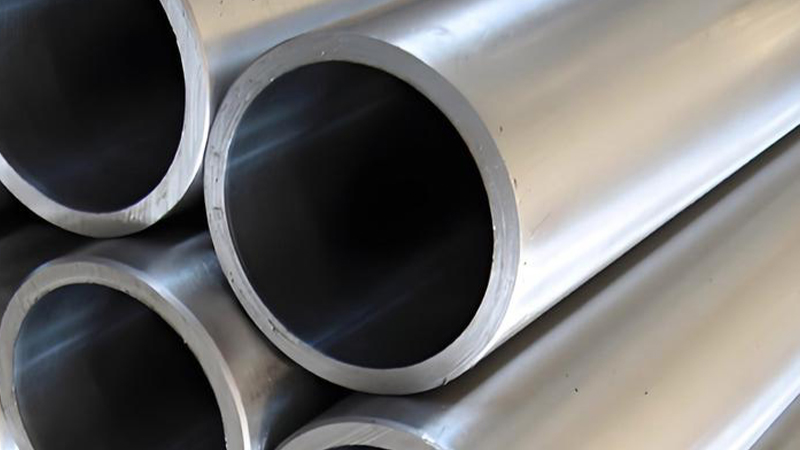
When cylinders finally get installed into the equipment assembly, that transition phase creates new rust risk. During fabrication — welding the cylinder into the frame, assembly of surrounding components, testing — the bore is exposed to: moisture from welding and cutting operations, contamination from grinding or welding slag, temperature swings as welding heats the cylinder locally. Best practice: before installation, apply one more protective oil coating specifically rated for welding and fabrication environments. After installation and all fabrication is complete, flush the bore thoroughly with hydraulic fluid to clear any rust particles or contamination before the equipment goes into service.
Bottom Line: Rust Prevention Starts With Material Choice
Don’t assume standard honed tube protection is adequate for port environments. The problem isn’t usually what happens during equipment operation — it’s what happens during storage and installation when the equipment is vulnerable and exposed. Start with the right material for the environment. Specify enhanced rust-prevention coatings, not standard light oil. Implement a pre-installation storage protocol that accounts for salt air exposure. And when cylinders finally do go into service, the bore will be clean, the internal surface will be pristine, and you’ll get the designed service life and reliability that your customers expect.
Related Reading:
- Honed Tube Products – Industrial Applications
- Hydraulic Cylinder Design for Marine Service
- Technical Blog – Equipment Protection
External References:
- ISO 12944: Paints and Coatings — Corrosion Protection of Steel Structures
- ISO 8407: Corrosion of Metals and Alloys — Removal of Corrosion Products from Corrosion Test Specimens
- NACE SP0170: Protection of Steels Exposed to Sulfuric Acid Vapors
Protect Your Port Equipment From Pre-Service Rust
Don’t let rust damage cylinders before they even start working. EAIHYDRAULIC’s port and marine equipment specialists understand that rust prevention begins with material selection and storage strategy — long before the equipment goes into service. Whether you’re designing container handlers, port cranes, or docking systems, we provide material recommendations and rust-prevention protocols backed by field experience in aggressive salt-air environments.