
Written by Alex, Production Engineer at EAST AI
Mining is where hydraulic components go to be tested to destruction. The rods on a mining shovel, a rock breaker, or an underground loader face a combination of abrasion, impact, corrosion, and sheer load that would retire a general-purpose rod in weeks, and the cost of a failure is measured not just in the rod but in the downtime of equipment that earns thousands of dollars an hour. When a customer building mining cylinders asks us for chrome plated rod, they are not asking for a catalog part, they are asking for a rod that will survive one of the harshest duty environments in all of hydraulics.
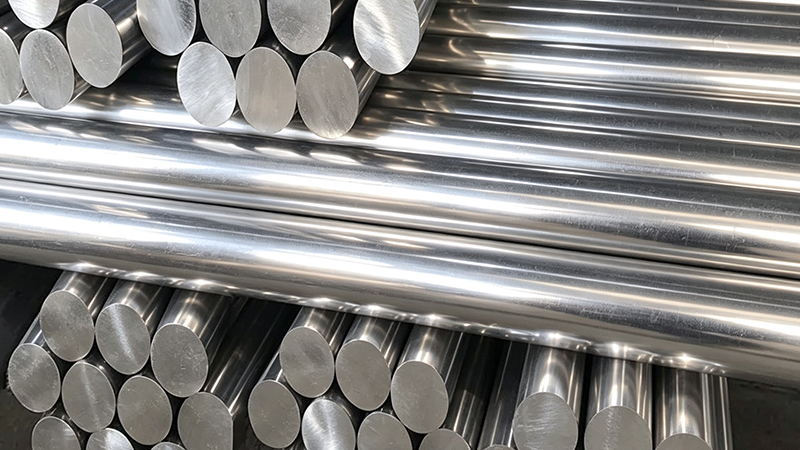
Chrome plated rod for mining and heavy machinery has to be specified with that severity front of mind, because every shortcut taken to save cost on the rod is repaid with interest when the machine is down in a pit or a tunnel. The requirements stack up quickly: the base steel has to carry heavy, often impact-laden loads, the chrome layer has to resist both abrasion and corrosion, and the whole rod has to stay straight and true under bending. Understanding how those requirements interact is what allows a rod to be built for the environment rather than merely sold into it.
The Base Steel Carries the Load
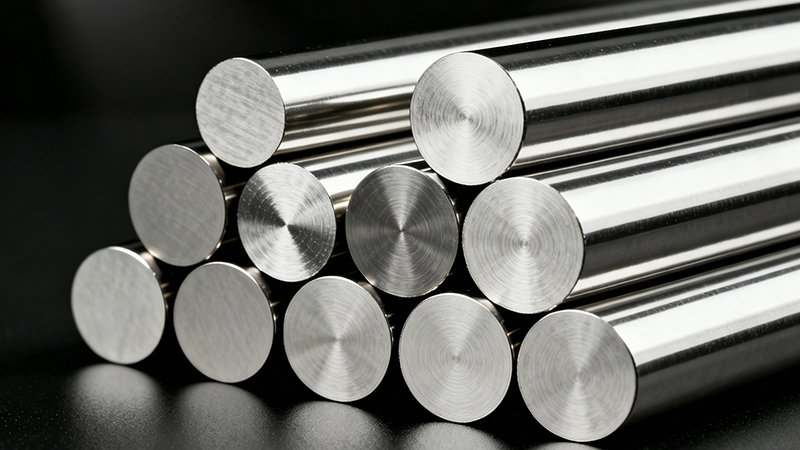
The chrome layer gets the attention, but in mining duty the base steel underneath is doing the heavy lifting, literally. Mining cylinders see high loads and frequent impact, and the base rod has to have the strength and fatigue resistance to carry those loads over a long service life without yielding or developing fatigue cracks. This is why mining rods are typically built on induction-hardened or quenched-and-tempered steels rather than on softer, normalized material, because the higher strength and hardened surface are what let the rod survive the load case.
Induction hardening in particular offers a valuable combination for mining duty, producing a hard, wear-resistant surface layer over a tough core that resists impact. The hardened case supports the chrome and resists the local deformation that abrasive impact would otherwise cause, while the tougher interior absorbs shock without becoming brittle. Choosing the right base steel and hardening route is the foundation of a mining rod, and no amount of chrome can compensate for a base rod that was under-specified for the load.
Abrasion and the Case for Thicker Chrome
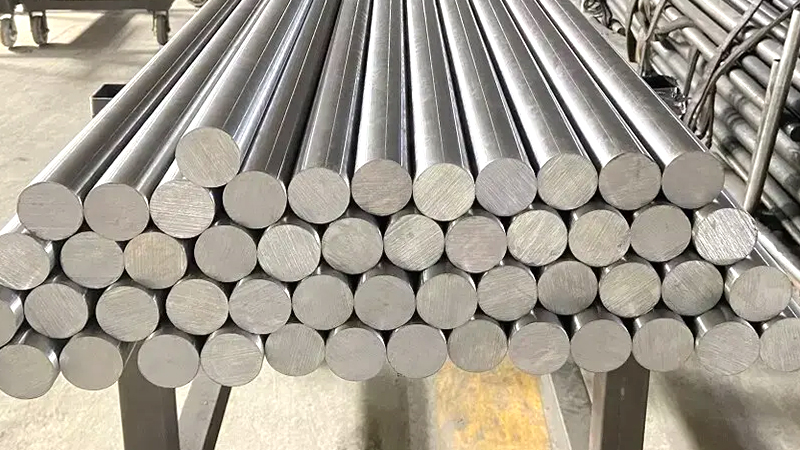
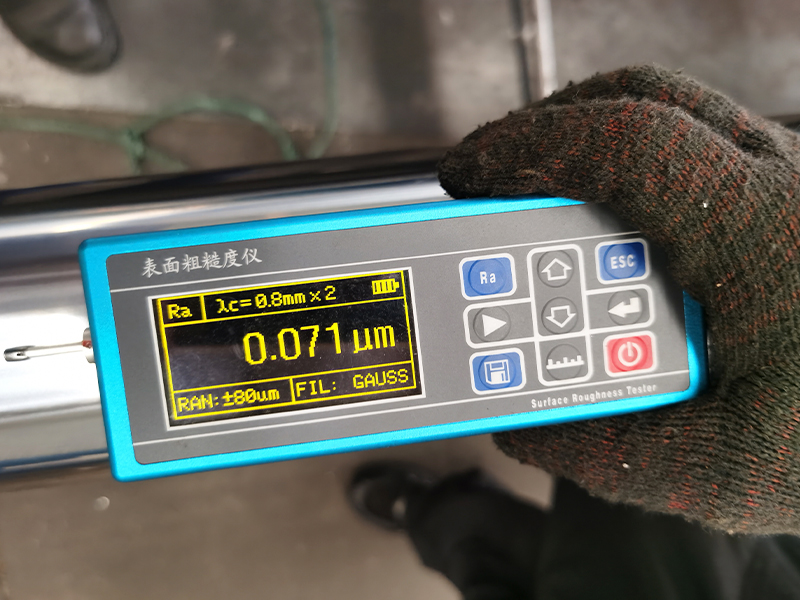
Mining is relentlessly abrasive, with rock dust, grit, and slurry constantly working against every exposed surface, and the chrome layer on the rod is on the front line of that assault. Every cycle drags abrasive particles across the rod as it passes through the seal, and each pass removes a little chrome, so the thickness of the chrome layer directly determines how long the rod can resist before the base steel is exposed. For mining duty this pushes the specification firmly toward the thicker end of the range, because the wear reserve a thicker layer provides translates directly into service life.
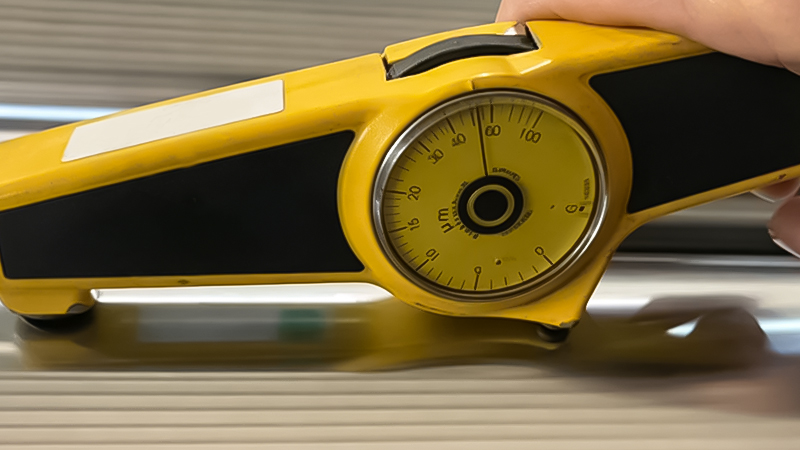
Thickness also matters for the corrosion that accompanies mining environments, since underground water, process chemicals, and moisture all attack the base steel wherever they can reach it. A thicker chrome layer lengthens the path that corrosive media must travel through the coating’s inherent microcrack network, and in the most aggressive settings an enhanced nickel-chrome duplex system may be warranted to provide a barrier that single-layer chrome cannot. Specifying the chrome to the real abrasive and corrosive load, rather than to a generic number, is what keeps mining rods alive in service.
Straightness Under Bending and Impact
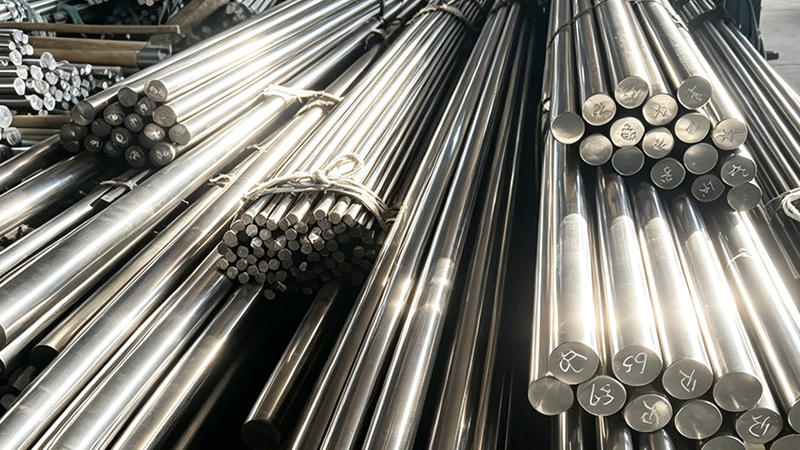
Mining cylinders frequently work with long strokes and significant side and bending loads, and the straightness of the rod is critical to surviving that reality. A rod that is not straight, or that cannot resist bending under the eccentric loads mining imposes, will load the seal and the rod guide unevenly, accelerating wear and inviting the kind of scoring that ends a rod’s life prematurely. The longer the stroke, the more the straightness matters, because bending effects grow with unsupported length.
This is where the base steel, the hardening, and the manufacturing all have to come together, because straightness is not just a starting condition but a property the rod has to maintain under load. A properly hardened, correctly straightened rod resists the bending that mining duty imposes and keeps the chrome surface running true against the seal, while a rod that bends under load turns its own geometry into a wear mechanism. For long-stroke mining cylinders, straightness and bending resistance are as important as the chrome itself.
Matching Rod to the Specific Mining Application
Mining is not a single environment, and the right rod for an underground loader is not necessarily the right rod for an open-pit shovel or a rock breaker. Underground equipment may face more water and corrosion in confined conditions, open-pit machines endure extreme abrasion and temperature swings, and impact tools subject the rod to shock loads that dominate the fatigue calculation. Each of these leads to a slightly different balance of base steel, hardening route, chrome thickness, and straightness control, and treating them all as one generic mining rod leaves performance on the table or life on the floor.
The practical approach is to describe the specific machine and its duty honestly and let the rod be engineered to it, rather than ordering a single mining rod for every application. We have supplied chrome plated rod into a range of mining and heavy-machinery cylinders, and the pattern is always the same: the rods that last are the ones matched to the real load, abrasion, and corrosion of the specific application. Getting that match right before the rod is made is far cheaper than discovering the mismatch when the machine is down underground.
The True Cost of a Mining Rod Failure
It is worth being blunt about why over-optimizing a mining rod on price is such a poor bargain, because the economics are stark. A rod that fails in a mining machine takes the seal and often the cylinder with it, and the real cost is the lost production while the equipment sits idle waiting for parts and repair. Against that cost, the incremental price of a thicker chrome layer, a properly hardened base steel, or better straightness control is trivial, and the buyer who shaves those parameters to win a quotation is trading a small saving for a large risk.
The rods that earn repeat business in mining are the ones that simply keep working in conditions that destroy lesser products, and that reliability is built in at the specification stage. This is the conversation we would rather have with a mining cylinder builder before the order: what does the machine actually do, what is it exposed to, and how long does the rod need to last. Answer those honestly and the rod almost specifies itself, and it will survive the environment that would have retired a cheaper rod in a fraction of the time.
Related Reading
- Hydraulic Cylinders for Mining and Heavy Machinery
- Hard Chrome Plated Rod vs Induction Hardened Rod: What’s the Difference?
- Chrome Plated Rod Product Range
Specify Mining Rods That Outlast the Duty Cycle
In mining, a rod failure is never just a rod; it is a machine down in a pit or a tunnel, burning money for every idle hour until parts arrive. At EAST AI we build chrome plated rod for exactly that severity, matching base steel, hardening, chrome thickness and straightness to the abrasion, corrosion and impact your specific machines face, because a rod that survives the duty cycle is worth far more than the small saving a weaker one seems to offer.
What We Offer
- Induction-hardened and quenched-and-tempered base rods for high-load, high-impact mining duty
- Thick hard chrome and nickel-chrome duplex coatings for extreme abrasion and corrosion
- Straightness and bending resistance engineered for long-stroke mining cylinders
- Application-specific rod specification for underground, open-pit and rock-breaking equipment