

Published: 2026-10-14 | Last Updated: 2026-10-14
Mid-to-large equipment manufacturers sourcing hydraulic cylinder components face a real strategic fork: buy honed tube and chrome plated rod through an authorized distributor of a recognized brand like Parker, Bosch Rexroth, or Eaton, or source directly from a manufacturer that produces to the same specifications without the branded markup. Neither path is universally correct — the right answer depends on what the OEM is actually paying for when it chooses the branded route, and whether that value is worth the premium for a given application. Understanding what’s actually included in a branded component price, beyond the material itself, is the key to making this decision deliberately rather than defaulting to whichever path is more familiar.
What the Brand Premium Actually Buys
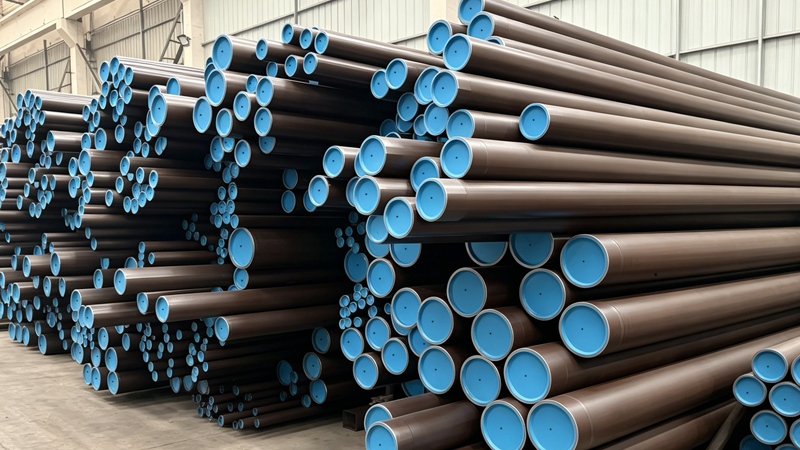
Authorized brand distribution typically includes documented quality system compliance tied to a globally recognized name, established warranty and support infrastructure, and in many cases design engineering support that comes bundled with the component relationship. For OEMs selling into markets or customer segments where end buyers specifically require or prefer recognized component brands — certain government contracts, specific industrial sectors with established brand preferences, or situations where the OEM’s own brand benefits from being able to say “built with Parker components” — this premium buys something genuinely valuable beyond the physical material.
What Direct Sourcing Actually Offers
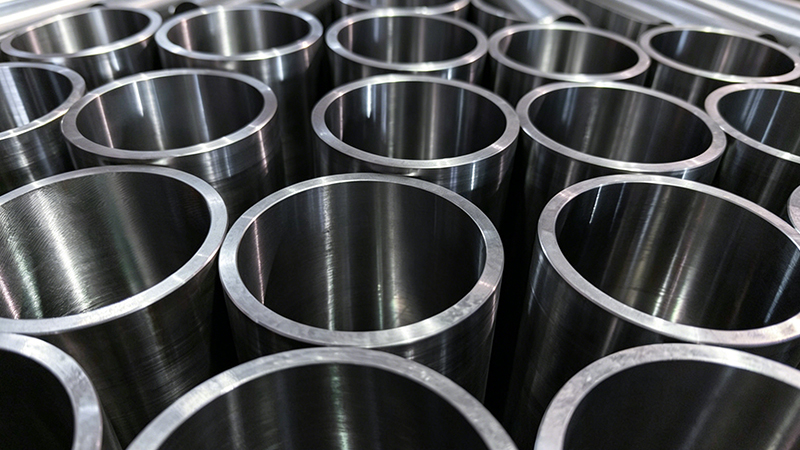
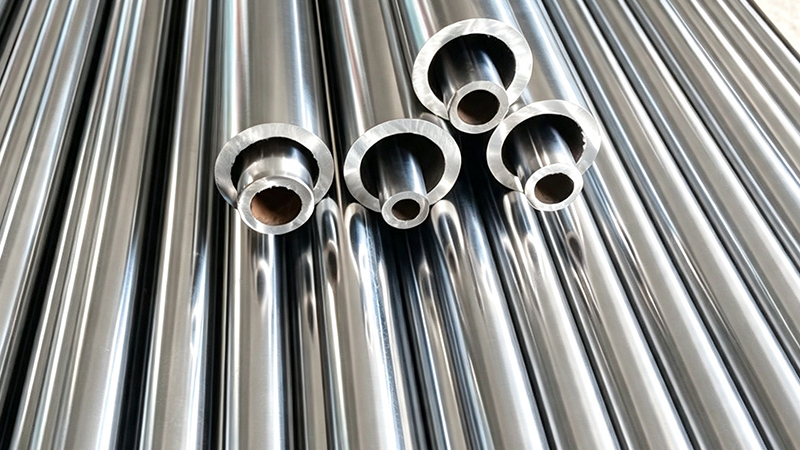
A direct manufacturing source producing honed tube and chrome plated rod to the same DIN, ASTM, or ISO specifications, with equivalent quality control, inspection documentation, and material traceability, delivers the same physical performance without the brand licensing cost embedded in the price. For OEMs whose end customers care about cylinder performance and reliability rather than which name appears on a component certificate, direct sourcing can deliver equivalent quality at meaningfully lower cost — provided the direct source can actually demonstrate the quality system rigor that justifies trusting it with safety-relevant or warranty-critical production.
Comparing the Two Paths
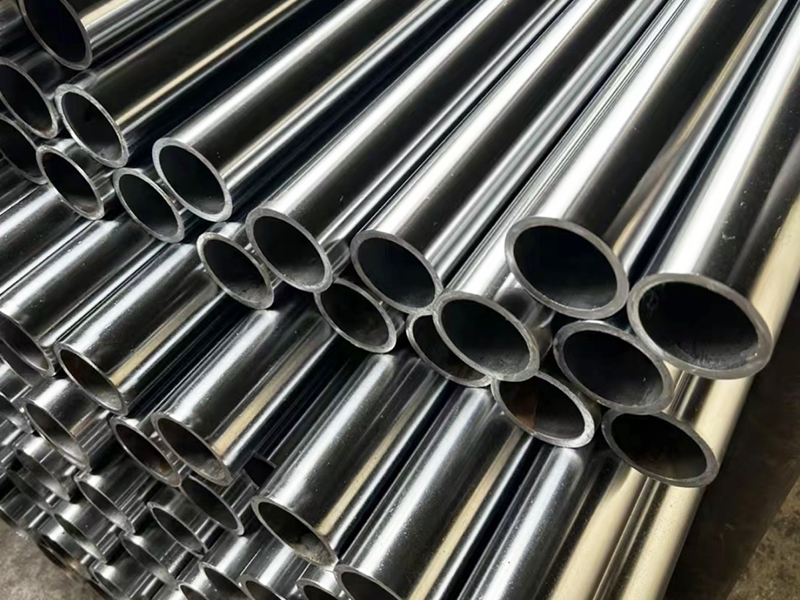
| Consideration | Authorized Brand Distribution | Direct Manufacturing Source |
|---|---|---|
| Quality verification burden | Outsourced to brand’s own quality system | Falls on OEM’s own purchasing/quality team |
| Typical cost structure | Includes brand licensing premium | Material and process cost only |
| Warranty and support infrastructure | Established, brand-backed | Depends on individual supplier agreement |
| Design engineering support | Often bundled | Case-by-case, needs explicit agreement |
| Best fit | Markets where component brand matters commercially | Markets where end buyer cares about performance, not brand name |
The Due Diligence Difference Between the Two Paths
Choosing an authorized brand distributor outsources a significant amount of quality verification work to the brand’s own quality system — the OEM is trusting that the brand name itself represents consistent quality, which is largely true for established brands with long track records. Choosing a direct source shifts that verification responsibility onto the OEM’s own purchasing and quality team: auditing the manufacturer’s actual production capability, reviewing historical quality data, and verifying certification claims rather than relying on brand reputation to do that work. This isn’t a reason to avoid direct sourcing — it’s a reason to budget real due diligence time into evaluating a direct source, rather than assuming equivalent specification numbers on a datasheet guarantee equivalent actual quality.
A Hybrid Approach Many OEMs Actually Use
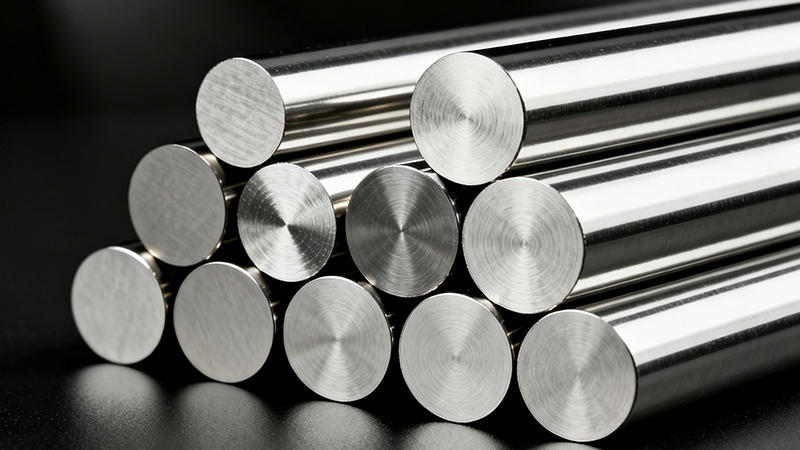
Many mid-to-large manufacturers run a hybrid model: branded components for specific product lines or markets where the brand premium delivers clear commercial value, and direct-sourced components for other product lines where cost competitiveness matters more and end customers aren’t paying attention to component brand. This segmented approach captures the value of brand distribution where it actually matters commercially, without paying that premium across an entire product portfolio where it doesn’t move the sale.
Evaluating a Direct Source Properly
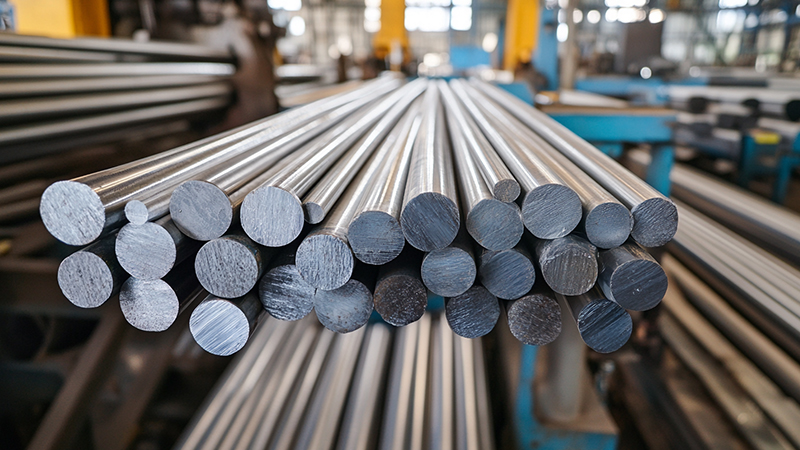
For OEMs considering direct sourcing for the first time, the evaluation should mirror what an authorized distributor relationship would have verified on their behalf: production capability and capacity, documented quality control systems, historical consistency data across multiple customers and production runs, and willingness to support requalification testing and documentation that satisfies the OEM’s own regulatory or customer-facing requirements. A direct source that can readily provide this evidence is operating at a level that genuinely substitutes for the quality assurance a brand name would otherwise provide.
Making the Decision Application by Application
Rather than treating “branded versus direct” as a single company-wide policy, the more effective approach is deciding product line by product line, weighing the actual commercial value of brand recognition for that specific market against the cost savings and quality verification burden of a direct relationship — a decision that can reasonably land differently across different parts of the same OEM’s business.
Related Reading
- Honed Tube ID Cross-Hatch Angle and Oil Film Retention
- Chrome Plated Rod Base Steel: Carbon Steel Core vs Alloy Steel Core

Talk to Our Team About Your Sourcing Strategy
Weighing branded versus direct for a specific product line? Talk with our team about quality documentation and due diligence support for a direct sourcing evaluation.
What We Offer
- Honed tube and chrome plated rod manufactured to DIN, ASTM, and ISO specifications with full documentation
- Quality system transparency supporting OEM due diligence for direct sourcing decisions
- Flexible support for hybrid sourcing strategies across different product lines
- Full material traceability and MTC documentation on every production batch
Contact EAST AI (eaihydraulic.com) Email: market@east-ai.com Phone: +86 13771568763 Address: Wuxi, Jiangsu, China.
Written by Alex, Production Engineer at EAST AI