
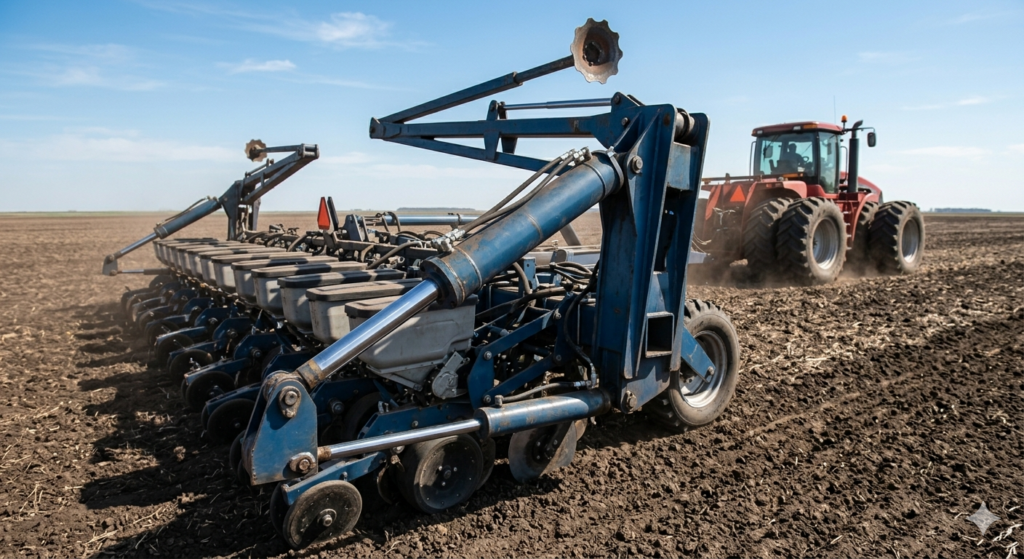
Tillage equipment hydraulics face a combination of demands that doesn’t map cleanly onto either the “abrasive wear” category or the “corrosion from seasonal idle” category most specification guidance treats separately. Lift and fold cylinders on tillage implements get exposed to soil particulate thrown up during operation — genuinely abrasive contact on the rod — and then sit idle in a shed for months between seasons, where the surface condition that abrasion left behind determines how well the rod resists corrosion during that downtime.
The interaction between these two factors matters more than either one alone. A rod with light surface scratching from a season of soil contact isn’t necessarily a problem on its own — minor cosmetic marking doesn’t automatically compromise function. But scratched or compromised chrome provides more entry points for corrosion to initiate during the long idle period that follows, which is why a rod that looked acceptable at the end of the working season can come out of winter storage noticeably worse than it went in, even though nothing happened to it during the idle period itself beyond simply sitting there.
Why Soil Abrasion Is Different From Dust Abrasion
Soil particulate thrown up during tillage operation includes a mix of mineral content, organic matter, and moisture that behaves differently against a rod surface than dry airborne dust does. The moisture content means soil contact often carries corrosive potential alongside the mechanical abrasion itself, particularly where fertilizer residue or certain soil chemistries are involved — the rod isn’t just getting scratched, it’s getting scratched by something that can also actively promote corrosion at the point of contact.
Chrome Specification for This Combined Demand
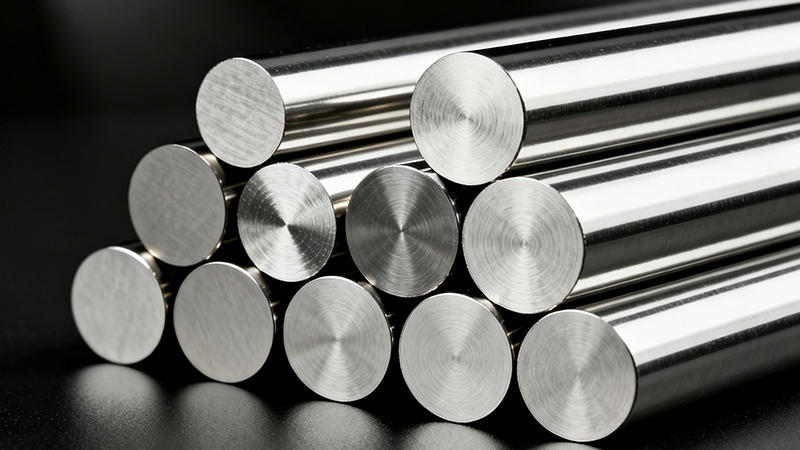
A chrome specification for tillage equipment benefits from the same abrasion-resistance thinking applied to other particulate-heavy applications, combined with corrosion-resistance margin similar to what’s specified for equipment facing genuine seasonal idle exposure. Treating this as a single combined specification, rather than optimizing for abrasion resistance alone and hoping corrosion resistance comes along for free, better matches what the rod actually experiences across a full working-and-storage cycle.
Why End-of-Season Cleaning Matters More Here Than It Looks
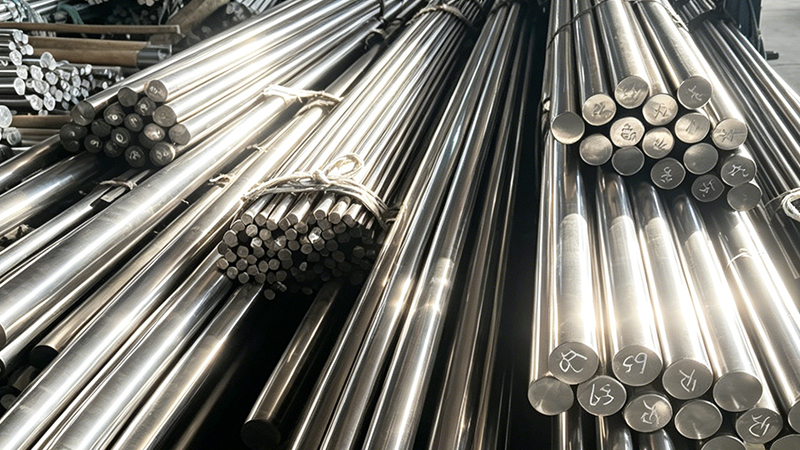
Because abrasion damage from the working season creates the entry points that corrosion exploits during storage, thorough cleaning of accumulated soil residue before seasonal storage does more good here than it would on equipment facing corrosion risk alone, without the abrasion component. Removing soil and moisture residue before the rod sits untouched for months closes off exactly the interaction that makes this combined demand worse than either factor alone.
Rust-Preventive Treatment Before Storage
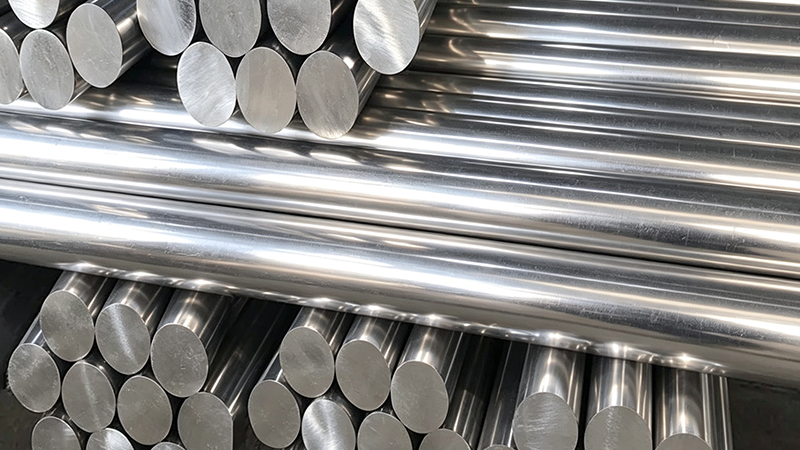
Beyond cleaning, applying a rust-preventive coating or oil film specifically before seasonal storage — not relying on the chrome layer alone to resist corrosion through an extended idle period — gives meaningfully better protection, particularly on any rod surface that picked up abrasion damage during the working season. This is a low-cost step that protects the investment made in a properly specified chrome rod through the months it spends doing nothing.
Specifying and Maintaining for the Full Cycle
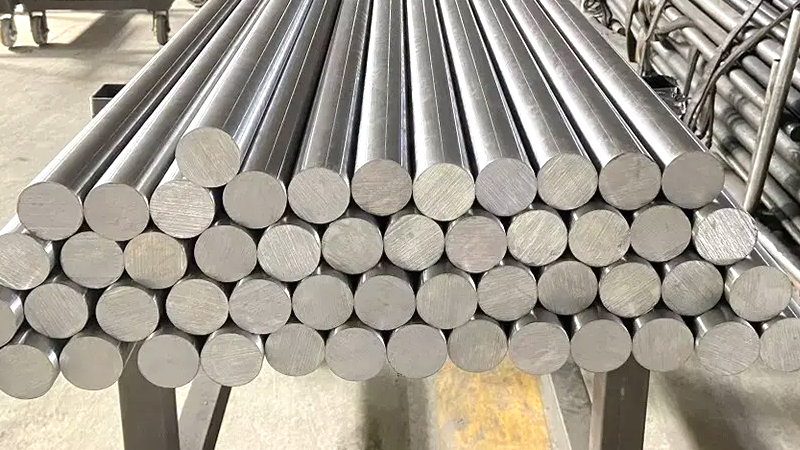
The practical lesson for equipment builders and farm operators alike is to think about tillage cylinder rod specification and maintenance as covering the full annual cycle — working-season abrasion and off-season storage corrosion together — rather than addressing either concern in isolation. Getting the chrome specification right at the design stage, and building end-of-season cleaning and treatment into standard practice, protects the rod through both halves of its annual demand.
Related Reading
- Chrome Plated Rod for Agricultural Cylinders: Handling Moisture and Seasonal Idle
- Honed Tube for Agricultural Sprayer and Boom Cylinders: Fine Motion Under Contamination
- Chrome Plated Rod for Snow Removal and Winter Maintenance Equipment
What We Offer
- Chrome plated rod specified for combined soil abrasion and seasonal storage corrosion demands
- Guidance on end-of-season cleaning and rust-preventive treatment practices
- Abrasion-resistant chrome options matched to tillage equipment contact conditions
- Full material traceability for agricultural equipment manufacturers
Contact EAST AI (eaihydraulic.com) Email: market@east-ai.com Phone: +86 13771568763 Address: Wuxi, Jiangsu, China.
Written by Alex, Production Engineer at EAST AI