
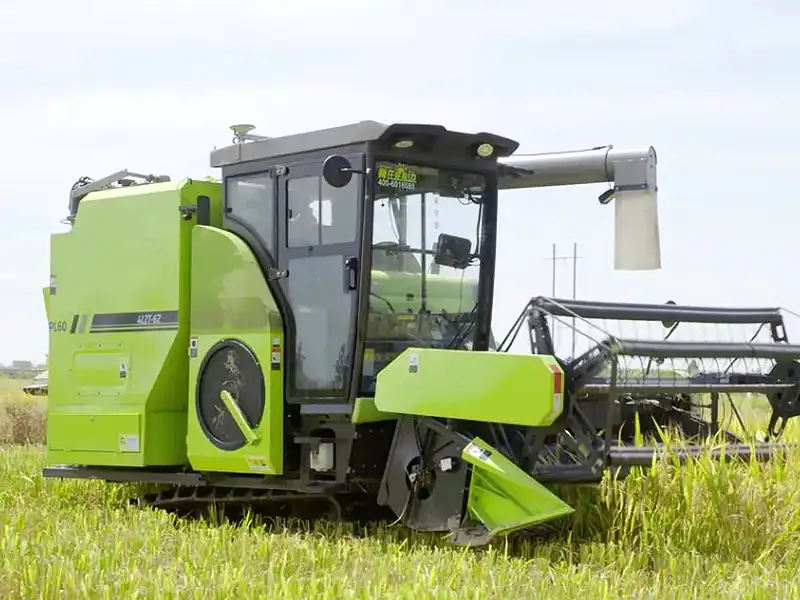
A dealer who supplies parts for harvesters and balers once described a failure pattern that puzzled him. The chrome plated rods on his customers’ machines were not wearing out from use; they were pitting and rusting over the winter, while the machines sat idle in a shed or a field. By spring, cylinders that had worked perfectly at the end of harvest were leaking, and the rods were the culprit. It is a classic agricultural problem, and it changes how you should choose and stock chrome rod for this market.
Agricultural cylinders live a strange double life. For a few intense weeks they work hard in dust, mud, and moisture, and then for many months they sit still, often outdoors or in a damp barn, exposed to humidity and temperature swings with no protective movement. For a stockist or agricultural service provider, choosing chrome plated rod for this duty means thinking about corrosion during idle periods as much as wear during work. The rod that survives an agricultural year is one specified for both.

Why seasonal idle is so hard on rods
Most people assume a hydraulic component wears out from use, but agricultural rods often fail from disuse. When a cylinder works regularly, the rod moves in and out through its seals and wiper, which continually redistributes oil over the exposed rod and keeps a protective film in place. When a machine sits idle for months, that motion stops, the film can drain or break down, and the exposed portion of the rod is left to face humidity and condensation without renewal.
Condensation is the specific enemy during idle periods. A rod stored outdoors or in an unheated shed experiences daily temperature swings, and each cool night can condense moisture on the rod surface. Over a winter, that repeated wetting attacks the chrome layer through its natural micro-cracks and any scratches, and corrosion pits form on the exposed length. When the machine finally moves in spring, those pits tear the seal, and the leak begins.
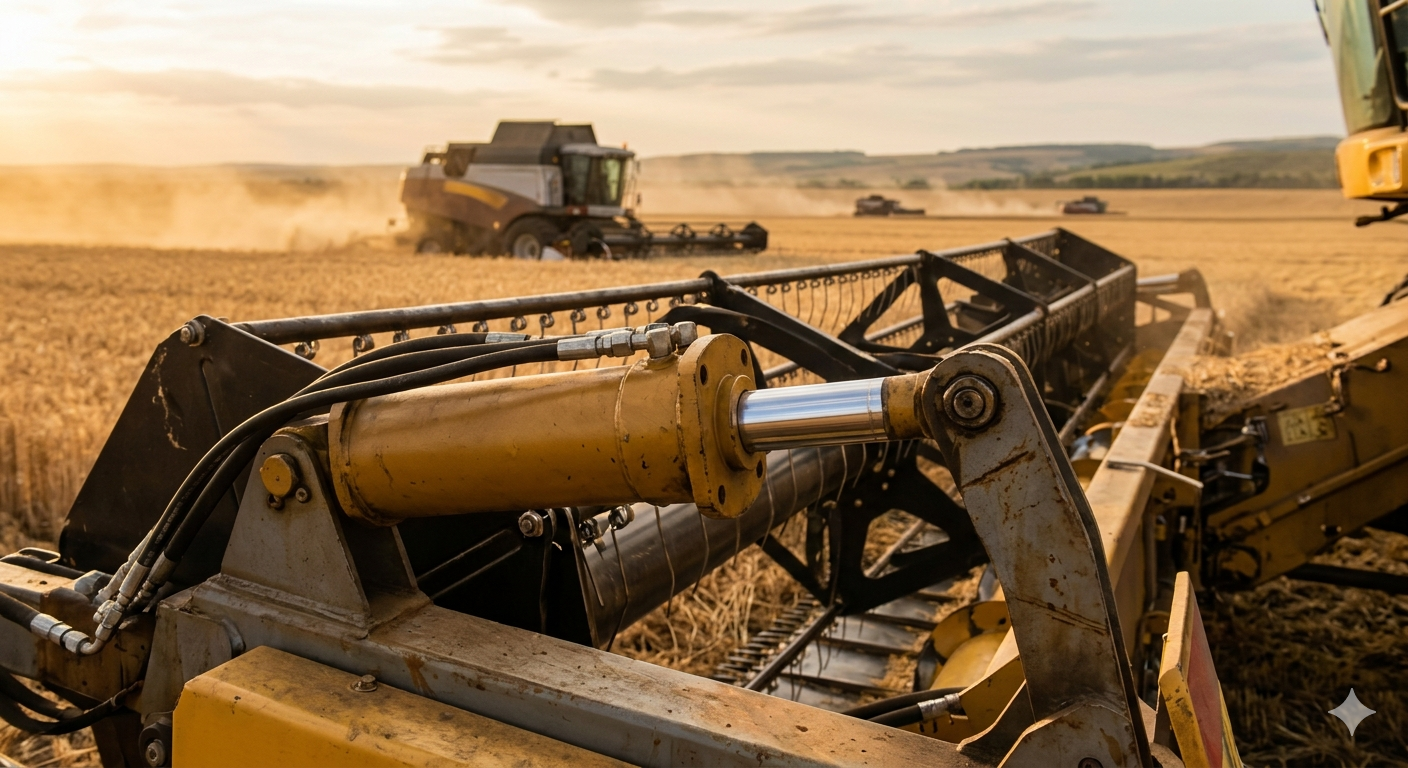
The exposed extended portion of a rod is most at risk, which is why the position a cylinder is parked in matters. A rod left extended over winter presents a long length to the weather, while a rod parked retracted keeps most of its length protected inside the cylinder. Advising customers to park machines with rods retracted is good practice, but the rod itself still has to be chosen to survive the exposure that inevitably occurs.
Choosing chrome thickness and corrosion protection
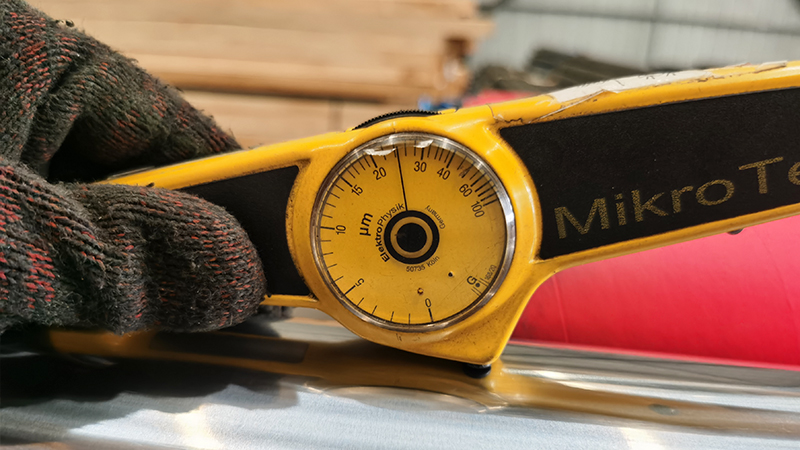
Because corrosion is the dominant failure mode for idle agricultural rods, the corrosion resistance of the chrome layer is the property to prioritise. A thicker hard chrome layer, in the region of 30 micrometers rather than a minimal 20, gives more material to resist corrosion through the micro-crack network and more margin before the base steel is reached. For the agricultural market, that extra thickness is usually worth its modest cost.
For the wettest conditions, machines that live outdoors in humid climates or work in flooded fields, a duplex nickel-chrome system offers a step up in corrosion resistance. The nickel underlayer beneath the chrome provides an additional barrier that markedly improves resistance to the pitting that plagues idle rods. It costs more, so it belongs in the range as a premium option for the hardest conditions rather than a default, but for a customer who keeps losing rods to winter rust it can be the answer.
It is worth being precise with agricultural customers about what corrosion data means. Salt spray test hours describe the performance of the chrome plating, since the plating is the corrosion barrier, so a rod with a higher salt spray rating and a thicker or duplex layer is genuinely better armoured against idle-season corrosion. Framing the choice around corrosion protection, rather than just price per rod, helps customers understand why the better rod saves them money over a season.
Coping with dust, mud, and field contamination
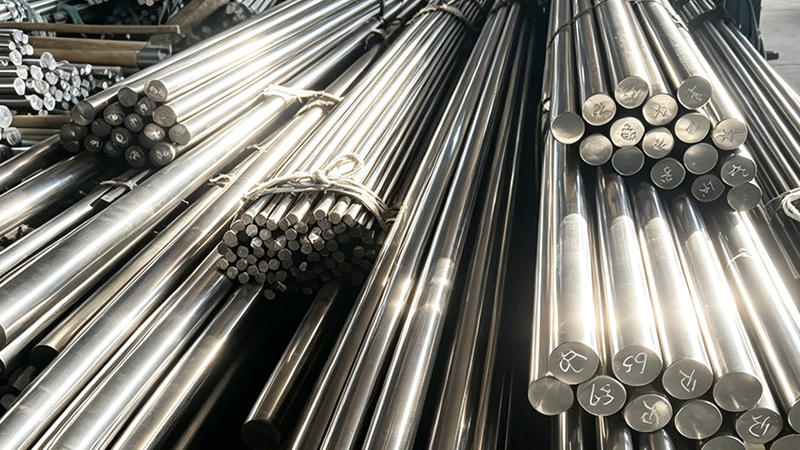
The working weeks bring the opposite problem: abrasion. Agricultural machines operate in dust and mud, and fine grit inevitably reaches the rod surface. A hard chrome layer, typically 800 to 1000 HV, resists this abrasion well and is one of the main reasons chrome rod is used here at all. The combination of a hard surface for the working season and good corrosion resistance for the idle season is what an agricultural rod needs.
Contamination also stresses the wiper and seal, which in turn protect the rod. A rod with a good, unscratched chrome surface lets the wiper do its job of scraping off mud and moisture on the return stroke, while a rod already scored by abrasion lets contamination and water reach the seal and the base steel. This is why surface quality on the rod you supply matters: it is the foundation on which the sealing system defends the rod against both wear and corrosion.
For a stockist, this means favouring rod with a genuinely good, consistent surface finish and adequate chrome thickness over the cheapest available bar. The agricultural customer may not articulate it, but what they want is a rod that both survives the muddy working weeks and the damp idle months. Supplying rod chosen for that dual duty reduces their failures and your returns.

Stocking and serving the agricultural repair market
Agricultural demand is seasonal and often urgent, because a machine down during a short harvest window costs the farmer far more than the repair. Holding the popular rod diameters in the right chrome thickness lets you supply repairs immediately when the season peaks, and that availability is worth a great deal to a customer racing the weather. Stock depth in the common sizes, timed to arrive before the season, beats a broad but shallow range.
Because much agricultural work is repair rather than new build, cut-to-length service and offcut management add real value. A service provider fixing a baler cylinder wants a rod cut to the stroke, clean and protected, not a full mill length. Offering that service, while protecting the cut rod’s surface and preservative film, turns you into a convenient one-stop supplier for the repair trade. Keeping certificates on file supports customers who need to document repairs.
The complete offer for agriculture, then, is corrosion-resistant, adequately thick chrome rod in the popular repair sizes, available quickly in season, and cut and protected for the repair trade. Serve the market with rod chosen for both the hard weeks and the idle months, and you help your customers turn up for the next harvest with cylinders that work, which is the outcome that keeps them buying from you.
Related Reading
- Agricultural Machinery Hydraulic Cylinders: https://eaihydraulic.com/application/agricultural-machinery-hydraulic-cylinders/
- Chrome Plated Rod product range: https://eaihydraulic.com/product-cate/chrome-plated-rod/
Rod That Survives the Off-Season
Agricultural rods fail as often from a damp winter as from a hard harvest. EAST AI has plated hydraulic rod since 2006, and we help agricultural distributors stock rod chosen to resist both idle-season corrosion and working-season abrasion.
What we offer:
- Hard chrome plated rod in 30 micrometer layers, plus duplex nickel-chrome for the wettest duty
- High surface hardness for abrasion resistance in dust and mud
- Popular agricultural repair diameters held for in-season availability
- Cut-to-length service and mill certificates for the repair trade
Let’s stock rod that comes back to work every spring. Email: market@east-ai.com | Phone: +86 13771568763 Address: Wuxi, Jiangsu, China.
Written by Alex, Production Engineer at EAST AI