
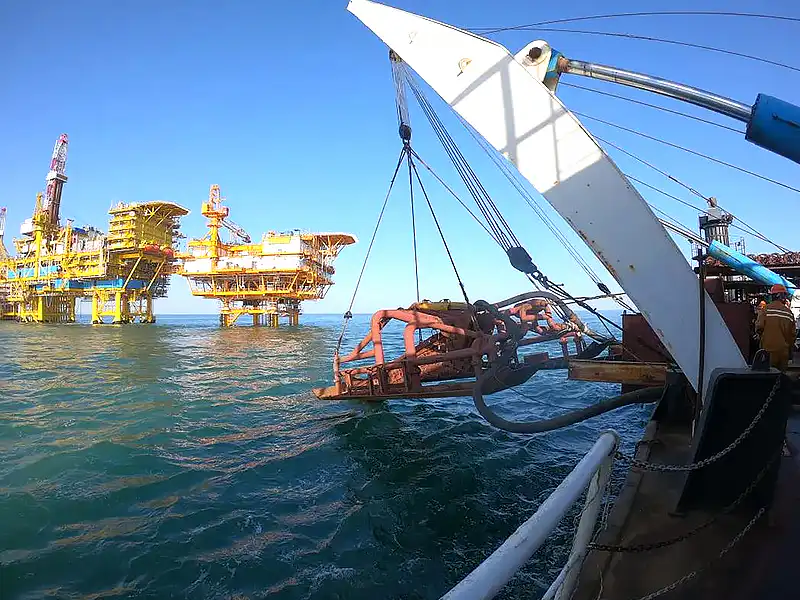
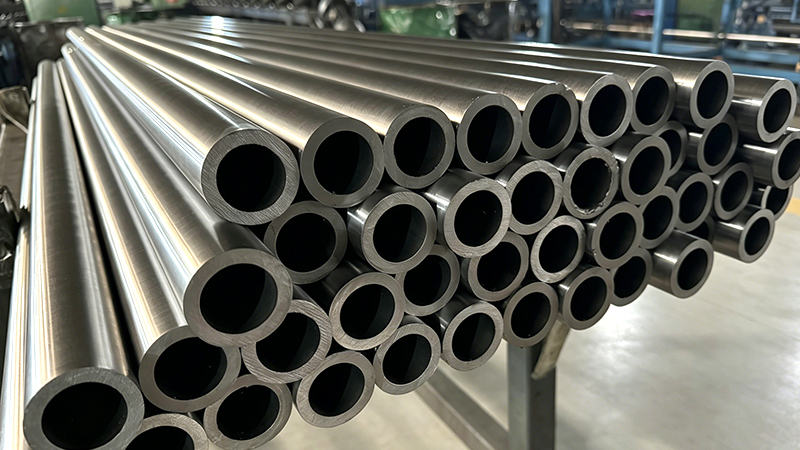
A service provider supplying a port equipment operator once told me that the sea starts attacking his parts long before they reach the quay. He meant it literally: the honed tube he imports crosses the ocean in a shipping container, and salt-laden air finds its way into anything not properly protected. By the time a poorly packed tube reaches him, the bore can already carry the first signs of corrosion, and a rusty bore is useless for building or rebuilding a cylinder that will spend its life in one of the harshest environments in hydraulics.
Marine and port deck cylinders live in salt spray, humidity, and constant wet-dry cycling, and the honed tube inside them has to be protected from the moment it leaves the mill through its whole service life. For a stockist or supporting service provider serving this market, honed tube is not just a precision part; it is a part that must survive an aggressive environment and a long, humid journey to get there. Getting corrosion protection and handling right is what separates a reliable supplier from a source of warranty headaches.
What marine and port service demands from the bore
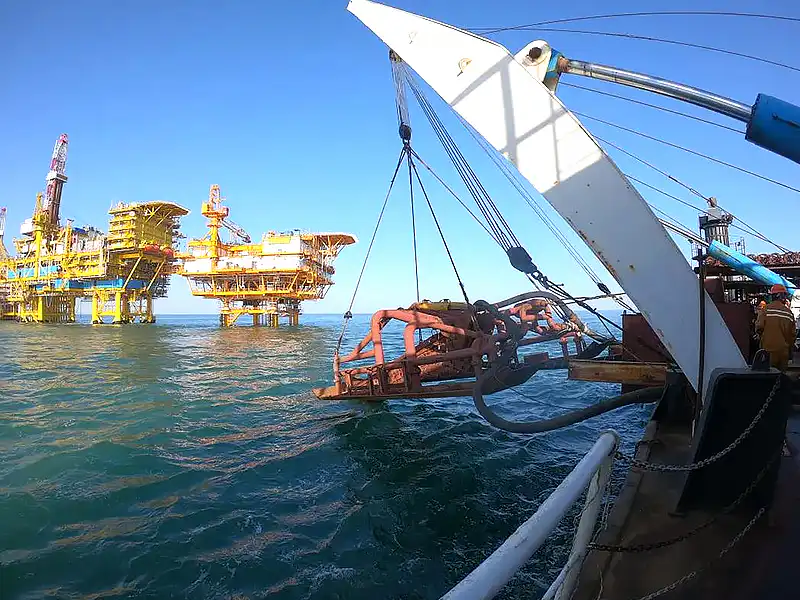
A marine or port deck cylinder does the same job as any hydraulic cylinder, but in a punishing setting. The bore still has to give the piston seal the right inner-diameter tolerance and a honed cross-hatch finish so the seal is correctly compressed and well lubricated. On top of that, the whole cylinder is exposed to salt, moisture, and temperature swings that accelerate any corrosion and punish any weakness in sealing.
Because the environment is so aggressive, the quality of the bore on arrival matters more here than almost anywhere else. A bore that is already lightly corroded when the tube reaches the workshop will seed pitting that spreads under service conditions, and pitting in the bore destroys seals. So while the dimensional requirements, an inner-diameter tolerance in the H8 to H9 range and a finish around Ra 0.4 to 0.8 micrometers, are familiar, the demand for a pristine, corrosion-free bore on delivery is heightened.
It is also worth remembering that honed tube itself is not the corrosion barrier that plated components are. The tube’s bore is bare precision steel, protected only by preservative and packaging until it is sealed inside a finished cylinder. In marine service, the finished cylinder’s own seals and design keep water out during operation, but the tube must arrive uncorroded and be assembled clean for that protection to hold. The supply chain, not just the metal, has to defend the bore.
Corrosion risk during ocean transit
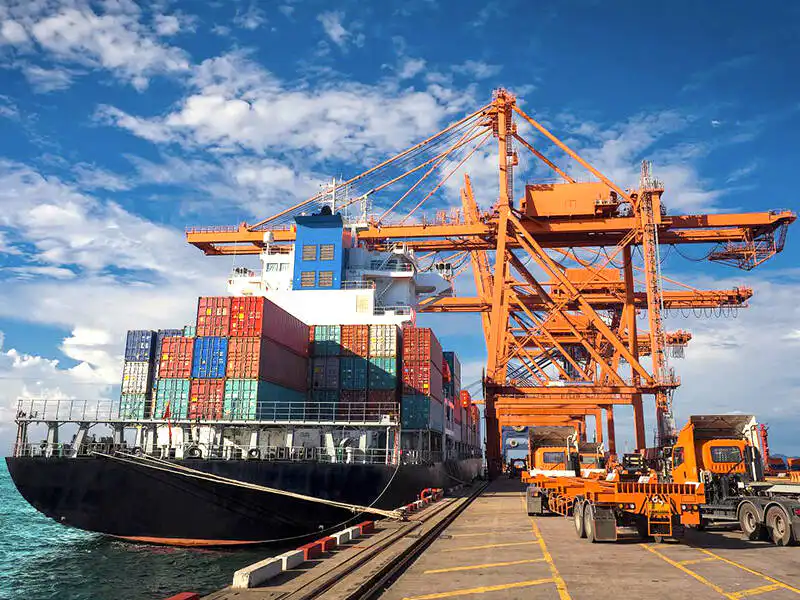
The journey is where marine-bound tube is most vulnerable, and it is a risk that inland suppliers often underestimate. A shipping container crossing the ocean experiences large temperature swings between day and night and between climates, and each swing can cause humid air inside the container to condense on cooler steel. That condensation, combined with any salt in the air, is exactly the recipe for surface rust, and it can bloom across a bore during a multi-week voyage.
Protecting tube for this journey requires more than a light oil film. Robust end capping keeps humid air from circulating through the bore, a generous preservative film gives the steel a barrier, and vapour-phase corrosion inhibitors inside sealed packaging protect surfaces that oil cannot reach. Sealed or barrier packaging with desiccant further limits the moisture available to condense. Tube prepared this way arrives in the same condition it left, while tube shipped with only minimal protection can arrive already compromised.
For a stockist importing tube, this means specifying marine-grade packaging when ordering, not assuming standard packing will survive the voyage. The cost of proper transit protection is trivial against the cost of a container of tube that arrives with corroded bores. A supplier who understands marine shipping and packs accordingly is worth seeking out, because the packaging is effectively part of the product for this market.
Storage and handling after arrival
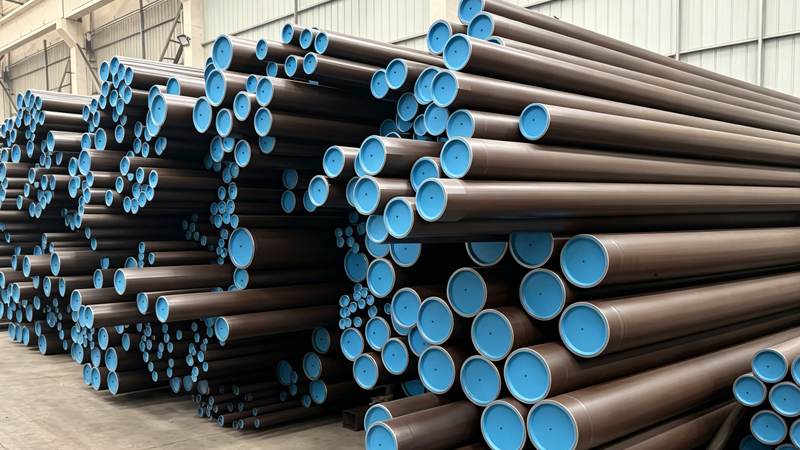
Once the tube reaches a coastal or port-side warehouse, the environment does not get any kinder. Port warehouses are often humid, salt-laden, and subject to temperature swings, so the same disciplines that protect tube in transit have to continue in storage. Keep tube capped, keep the preservative film intact, store it raised off the floor and away from open doors and sea air, and rotate stock so nothing sits long enough for protection to fail.
Handling deserves particular care in this setting because any breach of the protective film invites corrosion. Avoid wiping the bore clean and leaving it dry, avoid dragging or knocking tube in ways that scratch the surface, and re-apply preservative to anything that has been exposed or inspected. In a salty environment, a bare fingerprint or a wiped patch can start a rust spot within days, so the habit of re-protecting any disturbed surface is essential.
Pre-assembly inspection is the last line of defence. Before a tube goes into a cylinder, cap-off and check the bore, because assembling a cylinder around a corroded bore guarantees early failure in an environment that is already trying to destroy it. Catching a compromised tube at the bench, rather than after it is built into a cylinder and installed on a deck, saves enormous cost and protects the reputation of everyone in the chain.
Traceability and building for the marine market
Marine and offshore work is increasingly documentation-driven, and traceability carries real weight. Operators of port and deck equipment often need to know the material grade and origin of critical components for their own maintenance and compliance records. A stockist who supplies tube with clear mill material certificates, traceable to the steel grade and batch, fits into that world; one who supplies anonymous tube does not. Keeping and passing on documentation is part of serving this market well.
Consistency between batches matters here too, because service providers who rebuild marine cylinders standardise their process around known tube behaviour. If the bore tolerance, finish, or material drifts between deliveries, their rebuilds become unpredictable in an application where failures are expensive and hard to reach. A stable, consistent tube source lets them promise reliable rebuilds, which is exactly what marine operators demand.
The complete offer for marine and port deck work, then, is honed tube that arrives corrosion-free after a hard voyage, stays protected in a humid warehouse, and comes with the documentation and consistency that professional operators expect. Serve the market that way and you become a trusted supplier for one of the most demanding corners of hydraulics, where reliability is valued because failure is so costly.
Related Reading
- High-Performance Marine Hydraulic Cylinders: https://eaihydraulic.com/application/high-performance-marine-hydraulic-cylinders/
- Honed Tube product range: https://eaihydraulic.com/product-cate/honed-tube/
Tube That Survives the Sea
If your customers build or rebuild marine and port deck cylinders, they need honed tube that arrives perfect after an ocean crossing and stays that way in a salty warehouse. EAST AI has manufactured honed tube since 2006, and we protect tube for the marine supply chain from mill to bench.
What we offer:
- Honed tube with marine-grade preservative and transit packaging
- Consistent H8–H9 bore and controlled cross-hatch finish for reliable sealing
- VCI and barrier protection options for humid, coastal storage
- Mill material certificates for marine traceability and compliance
Let’s get corrosion-free tube to your bench, voyage after voyage. Email: market@east-ai.com | Phone: +86 13771568763 Address: Wuxi, Jiangsu, China.
Written by Alex, Production Engineer at EAST AI