
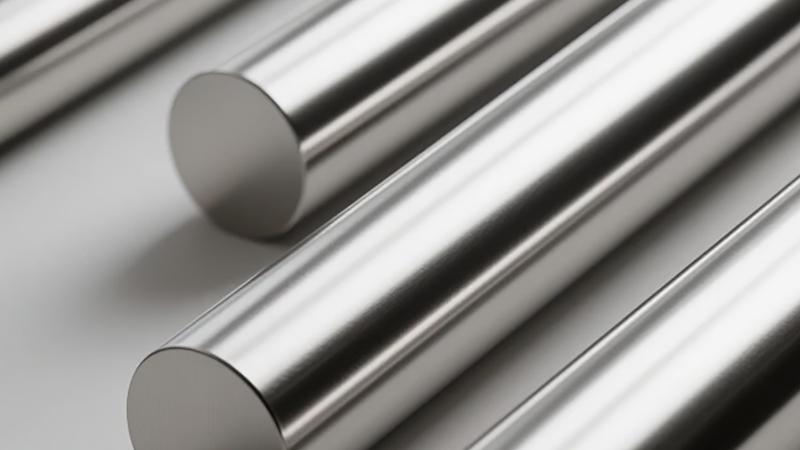
The Seal Wasn’t the Problem
A maintenance team replaced the rod seals on the same hydraulic cylinder twice within six months.The installation followed the manufacturer’s recommendations.Hydraulic oil met cleanliness requirements.Operating pressure remained within the designed range.Nothing suggested that the sealing system itself was defective.When the cylinder was disassembled again, attention shifted away from the seals and toward the Chrome Plated Rod.
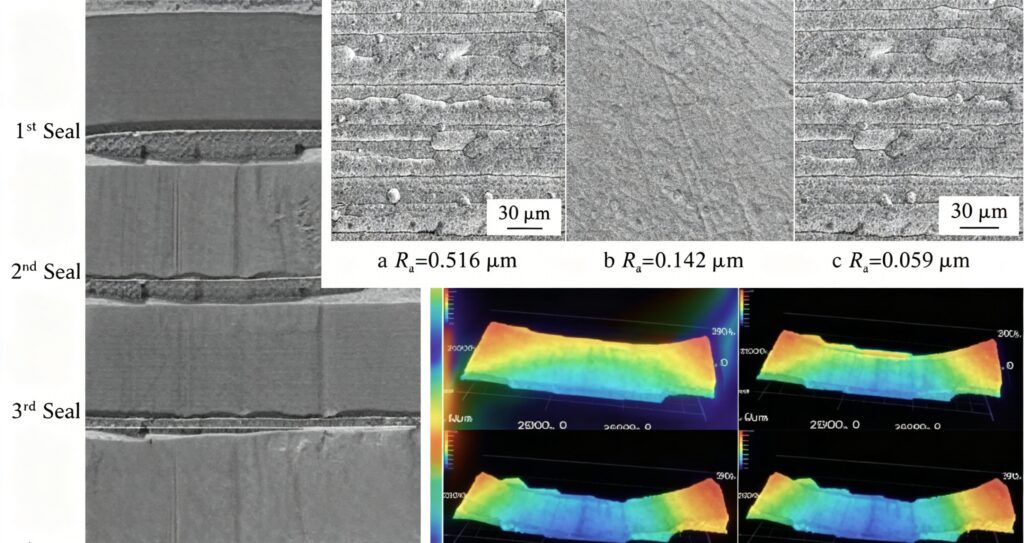
At first glance, the rod looked almost new.The chrome coating remained bright.No corrosion was visible.Dimensions still complied with the original drawing.Only after closer inspection under magnification did engineers notice a series of extremely fine surface scratches running in the direction of rod travel.Each scratch was almost impossible to see with the naked eye.Together, they gradually damaged the sealing lip during every stroke.The seal didn’t fail first. The sliding surface did.
The Surface Does the Real Work
Many discussions about Chrome Plated Rods focus on measurable values.Chrome thickness.Hardness.Diameter tolerance.These characteristics are important because they confirm that the product meets technical requirements.
However, once a hydraulic cylinder begins operating, another characteristic becomes even more important.The surface that continuously slides against the seal.Every extension and retraction creates contact between the rod and the sealing system.If the surface remains smooth, stable, and properly protected, the seal experiences predictable friction and maintains an effective oil film.If the surface begins to deteriorate, even slightly, the sealing system gradually follows.A hydraulic cylinder does not operate on dimensions alone. It operates on surface interaction.
Looking Beyond Chrome Thickness
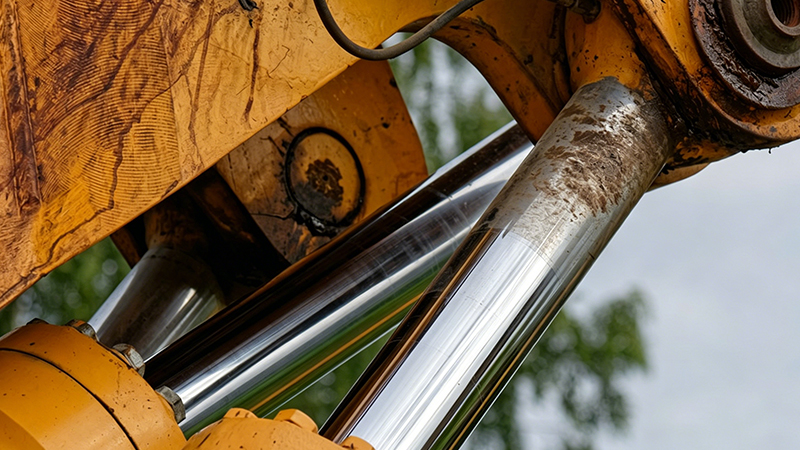
One common misconception is that a thicker chrome layer automatically produces a better rod.In practice, thickness is only one part of the equation.The manufacturing process behind the coating often has a greater influence on long-term performance.Engineers typically evaluate several characteristics together.
- Surface finish consistency
- Uniform chrome distribution
- Adhesion between coating and base material
- Corrosion resistance
- Wear resistance during repeated sealing contact
A rod with excellent process control performs more predictably than one that simply has a thicker coating.Surface quality is the result of the entire manufacturing process—not a single specification.
What Engineers See Under Magnification
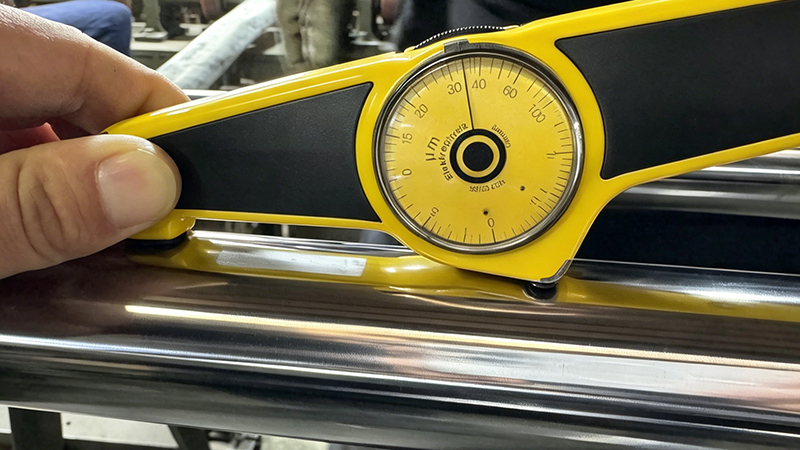
Some surface defects remain invisible during routine visual inspection.Under magnification, however, engineers may identify conditions that influence long-term cylinder performance.
Common Surface Conditions
| Observation | Possible Effect |
|---|---|
| Fine longitudinal scratches | Accelerated seal wear |
| Localised pitting | Increased leakage risk |
| Uneven polishing marks | Higher friction during operation |
| Corrosion spots | Damage to sealing surfaces |
| Surface contamination | Reduced lubrication stability |
Most of these conditions develop gradually rather than appearing suddenly.That is why preventive inspection often costs far less than unexpected maintenance.Microscopic surface changes can create significant operational consequences.
Surface Quality Is More Than Roughness
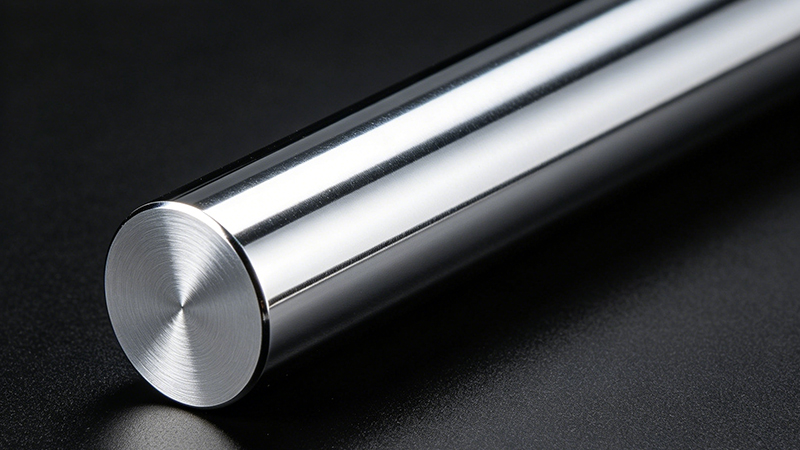
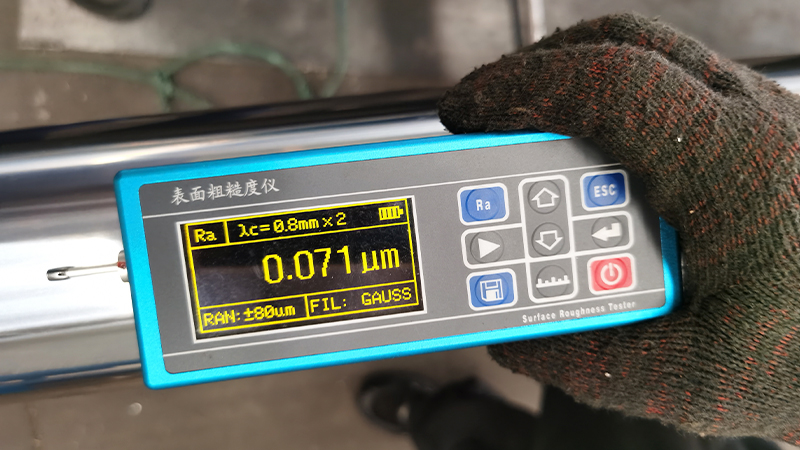
Surface roughness values are frequently specified on engineering drawings.They remain an important indicator of manufacturing quality.However, two rods with similar roughness values may still perform differently over thousands of operating cycles.The difference often lies in characteristics that work together.Consistent polishing.Stable chrome adhesion.Controlled manufacturing processes.Proper handling after plating.Careful packaging before shipment.
These factors help preserve the surface condition until the rod is installed inside a hydraulic cylinder.For manufacturers, the objective is not simply achieving an acceptable roughness value.It is delivering a surface that remains stable throughout the working life of the equipment.The best sliding surface is the one that continues protecting seals long after production has ended.
How Surface Quality Influences Total Operating Cost
When discussing Chrome Plated Rods, purchasing teams often compare unit prices first. Engineers, however, usually look somewhere else.They ask a different question.“How long will this surface continue performing once the cylinder enters service?”The answer affects far more than seal life.A stable rod surface helps reduce friction, minimizes wear on sealing elements, maintains lubrication, and lowers the risk of unexpected downtime. Over thousands of operating cycles, these small improvements often have a greater financial impact than the initial purchase price.The lowest purchase price rarely represents the lowest operating cost.
A Practical Checklist Before Approving Chrome Plated Rods
Inspection reports remain essential, but they should not be the only basis for supplier approval.Experienced manufacturers often review several practical questions before releasing materials into production.
Surface Quality Checklist
| Question | Why It Matters |
|---|---|
| Is the rod surface free from visible scratches or impact marks? | Prevents premature seal damage. |
| Is the chrome layer visually uniform along the full working length? | Indicates stable manufacturing quality. |
| Are rods protected with sleeves or wrapping during transportation? | Reduces handling damage before assembly. |
| Is corrosion protection suitable for storage and ocean shipment? | Preserves surface condition before use. |
| Can the supplier provide consistent quality across multiple batches? | Long-term consistency is more valuable than one excellent shipment. |
This checklist requires only a few minutes to complete, yet it can prevent costly maintenance and production interruptions later.Reliable hydraulic cylinders begin with disciplined material evaluation.
Looking Beyond Product Specifications
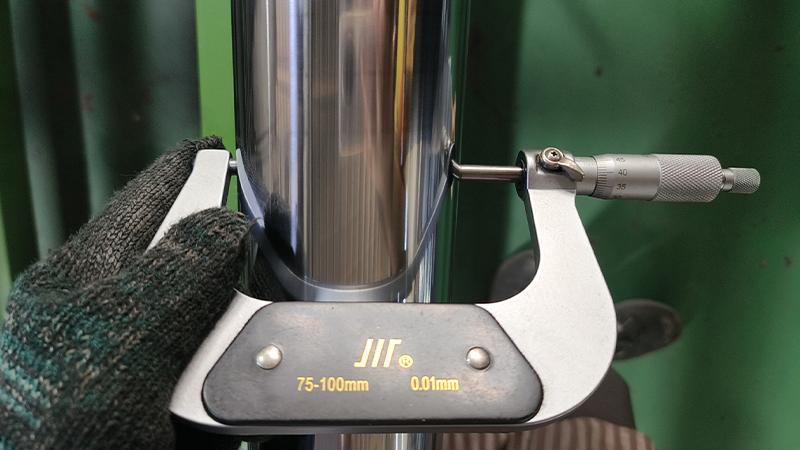
Engineering drawings define dimensions, tolerances, and surface requirements.Real-world operating conditions introduce additional challenges.Dust.Mud.Salt spray.High humidity.Continuous reciprocating movement.These conditions gradually test the quality of the sliding surface.
For this reason, experienced cylinder manufacturers evaluate suppliers not only by whether a Chrome Plated Rod meets specification today, but also by whether it can maintain stable performance throughout its service life.A high-quality sliding surface should continue protecting seals after thousands of operating cycles—not simply pass inspection on the day it leaves the factory.Specifications confirm compliance. Long-term performance confirms manufacturing quality.
Common Misunderstandings About Chrome Plated Rods
Several assumptions appear repeatedly during technical discussions.Understanding the difference between specification and performance helps avoid unnecessary purchasing risks.
| Common Assumption | Practical Reality |
|---|---|
| Thicker chrome always performs better. | Surface integrity and process control are equally important. |
| A bright surface guarantees high quality. | Appearance alone cannot reveal manufacturing consistency. |
| Passing inspection guarantees long service life. | Operating conditions and surface stability determine long-term performance. |
| Seal failures are always caused by poor seals. | The condition of the rod surface is often an overlooked factor. |
Good engineering decisions are based on how components work together, not on one specification alone.
Engineering Note
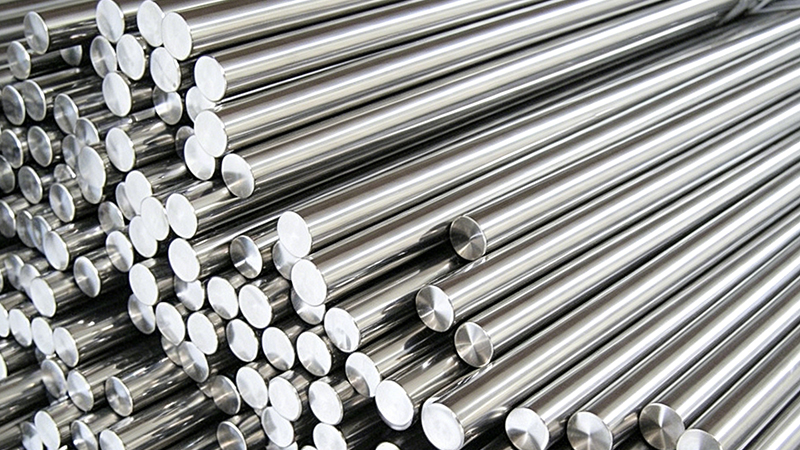
The Chrome Plated Rod is the only moving surface that continuously interacts with the sealing system.Every stroke creates friction.Every stroke influences lubrication.Every stroke contributes to either predictable operation or gradual wear.Protecting that surface through controlled manufacturing, careful handling, and proper packaging helps maintain hydraulic cylinder performance long after installation.
Lesson Learned
A hydraulic cylinder remembers every millimetre its rod travels. The surface determines whether those movements create reliability—or wear.Small imperfections that appear insignificant during inspection may become meaningful after millions of operating cycles.That is why surface quality deserves attention from engineering, production, and purchasing teams alike.
Related Reading
Continue exploring precision components for hydraulic cylinders:
- Honed Tubes (Internal Link → Product Page)
- Chrome Plated Rods (Internal Link → Product Page)
- How Honed Tubes Should Be Stored Before They Ever Reach the Machine Shop (Internal Link → Related Blog)
Frequently Asked Questions
Why is the surface quality of a chrome plated rod so important?
The rod surface slides directly against hydraulic seals. A stable, well-finished surface helps reduce friction, protect seals, and improve cylinder reliability over time.
Can small scratches really shorten seal life?
Yes. Even minor longitudinal scratches can gradually damage sealing lips during repeated operation, increasing the likelihood of leakage and maintenance.
Is chrome thickness the most important specification?
No. Chrome thickness is important, but coating adhesion, surface finish consistency, corrosion resistance, and manufacturing process control all contribute to long-term performance.
Should chrome plated rods be inspected before assembly?
Absolutely. A visual inspection for scratches, corrosion, contamination, and transportation damage helps prevent avoidable problems during cylinder assembly.
Can transportation affect surface quality?
Yes. Improper packaging or handling may introduce scratches, contamination, or corrosion before the rod even reaches the production line.
How should manufacturers evaluate chrome plated rod suppliers?
Look beyond certificates and dimensions. Evaluate manufacturing consistency, packaging methods, process control, technical support, and batch-to-batch stability alongside standard inspection results.
Need Technical Support?
Selecting a Chrome Plated Rod is about more than meeting a drawing. The condition of the sliding surface directly influences seal life, maintenance frequency, and long-term hydraulic cylinder reliability.
At EAST AI, we manufacture Chrome Plated Rods and Honed Tubes with controlled process parameters, consistent surface quality, and protective export packaging designed for demanding hydraulic cylinder applications. Whether you’re reviewing a new supplier, investigating seal wear, or comparing manufacturing capabilities, our engineering team is available to discuss practical solutions based on real production experience.