
Why Chrome Thickness Matters
Chrome thickness is one of the most important specifications when purchasing a chrome plated rod for hydraulic cylinder manufacturing. Although the chrome layer may appear visually uniform, its actual thickness influences the amount of wear protection available on the working surface and must be considered together with the rod material, operating environment, finishing process, and expected service life.
For OEM buyers, specifying only “hard chrome plated rod” leaves too much room for interpretation. A complete requirement should identify the required chrome thickness as well as diameter, material, tolerance, surface roughness, straightness, length, and other characteristics relevant to the cylinder application.
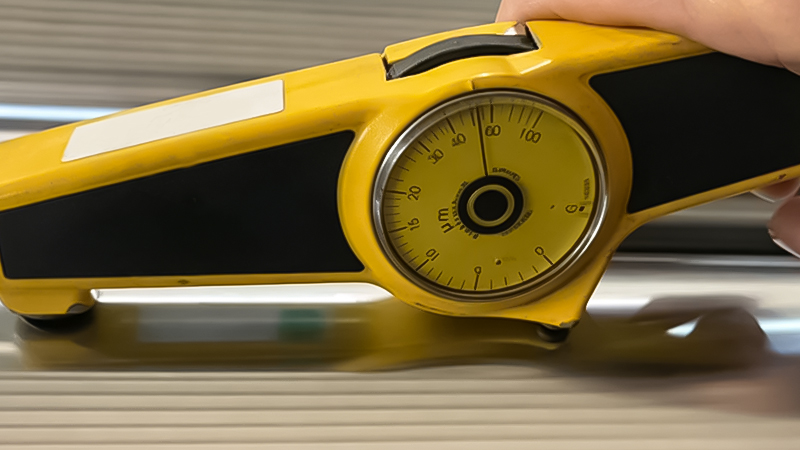
What Does Chrome Thickness Describe?
Chrome thickness refers to the thickness of the hard chrome layer deposited on the external surface of the rod. It is different from the base steel diameter and should not be confused with surface roughness or final dimensional tolerance.
EAST AI’s product specification provides a chrome thickness range of 20–100 μm for chrome plated rods. The appropriate thickness within this range should be determined according to the customer’s application rather than assuming that the maximum thickness is automatically the best choice.
Why the Chrome Layer Is Used on Piston Rods
The piston rod operates in an environment where its external surface is repeatedly exposed to seals, guides, contaminants, moisture, and mechanical movement. The chrome layer provides a hard working surface that can improve resistance to surface wear and corrosion compared with an untreated steel surface.
The value of hard chrome plating therefore comes from the complete surface system. The base material provides the mechanical foundation, while the chrome layer provides the external working surface. Final grinding and polishing then establish the dimensional and surface condition required by the hydraulic cylinder.
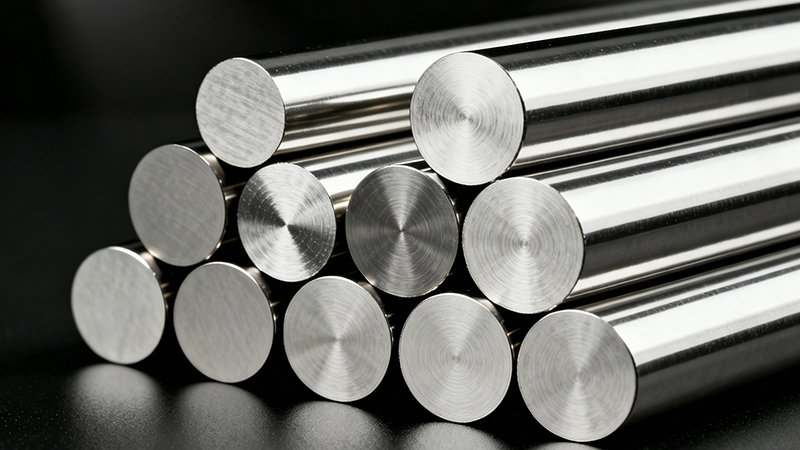
Thicker Does Not Always Mean Better
It can be tempting to assume that a thicker chrome layer will automatically provide better performance. In practice, the correct thickness depends on the application, manufacturing process, and final dimensional requirements.
A hydraulic cylinder operating in a controlled industrial environment may have different requirements from a cylinder used on construction equipment exposed to water, dirt, and repeated mechanical loading. The correct specification should therefore be based on the actual working conditions rather than selecting the thickest available coating as a default.
Chrome Thickness and Final Diameter
Chrome plating adds material to the external surface of the rod, which means the plating process needs to be considered when controlling the final diameter. After plating, grinding and polishing can be used to achieve the specified finished diameter and surface condition.
This is particularly important when the rod must meet a defined tolerance such as f7, f8, or g6. The customer is normally concerned with the finished dimension, not simply the diameter of the steel rod before plating, so the complete manufacturing sequence needs to be controlled accordingly.
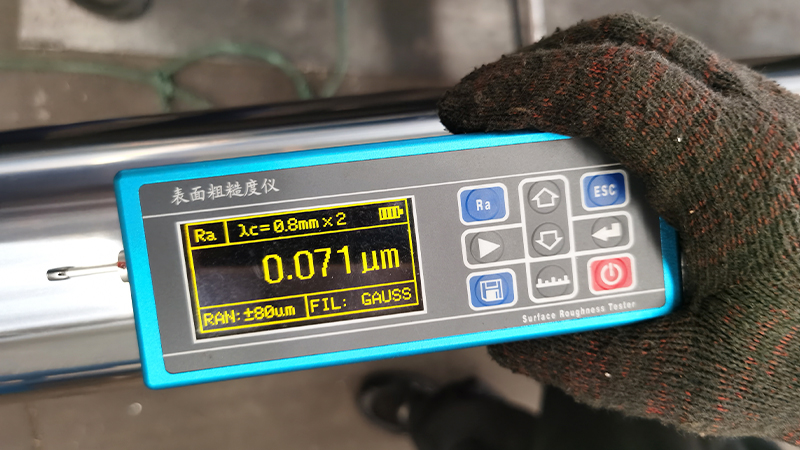
Chrome Thickness and Surface Roughness
Chrome thickness and surface roughness are two separate specifications. Thickness describes how much chrome has been deposited, while roughness describes the microscopic condition of the finished surface.
EAST AI’s product specification lists a surface roughness of Ra ≤0.2 μm. This illustrates why a chrome plated rod should be evaluated using several related specifications instead of judging the product only by its visual appearance or coating thickness.
Chrome Thickness and Corrosion Resistance
Hard chrome plating can contribute to the rod’s resistance to corrosion, but the actual performance depends on more than coating thickness. Chrome quality, surface condition, base material, environmental exposure, handling, storage, and the presence of defects can all influence the final result.
For hydraulic cylinders working outdoors or in humid environments, buyers should therefore consider chrome thickness as one part of the complete corrosion-protection strategy rather than treating it as an isolated guarantee of corrosion resistance.
Choosing Chrome Thickness for Different Applications
Industrial hydraulic cylinders often operate in relatively controlled conditions, while mobile and construction equipment can experience much more aggressive environments. The rod may be exposed to rain, dust, mud, temperature changes, and repeated loading cycles.
The coating specification should reflect these differences. A supplier who understands the application can help determine whether a standard coating requirement is appropriate or whether a different chrome thickness and surface specification should be considered.
Why Manufacturing Control Matters
A specified chrome thickness is useful only when the supplier has a controlled manufacturing process capable of producing it consistently. For OEM production, consistency between individual rods and between production batches can be just as important as the nominal specification itself.
This is particularly relevant when cylinders are produced in quantity. Variations in the finished rod can increase incoming inspection requirements and create additional adjustment work during cylinder assembly. Stable plating and finishing processes help reduce these problems.
What Should Be Included in an OEM Specification?
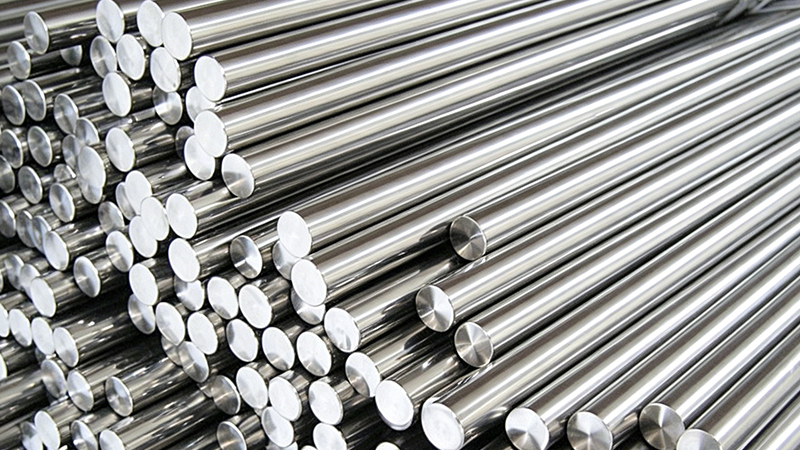
A useful chrome plated rod specification can include the nominal diameter, tolerance, material grade, overall length, chrome thickness, surface roughness, straightness, roundness, and any special requirements related to the application.
EAST AI’s chrome plated rod range supports diameters from 6–500 mm, lengths up to 15 m, chrome thickness from 20–100 μm, surface roughness of Ra ≤0.2 μm, and straightness of ≤0.2/1000 mm, according to the available product specification.
Chrome Thickness Should Be Selected as Part of the Complete Rod Design
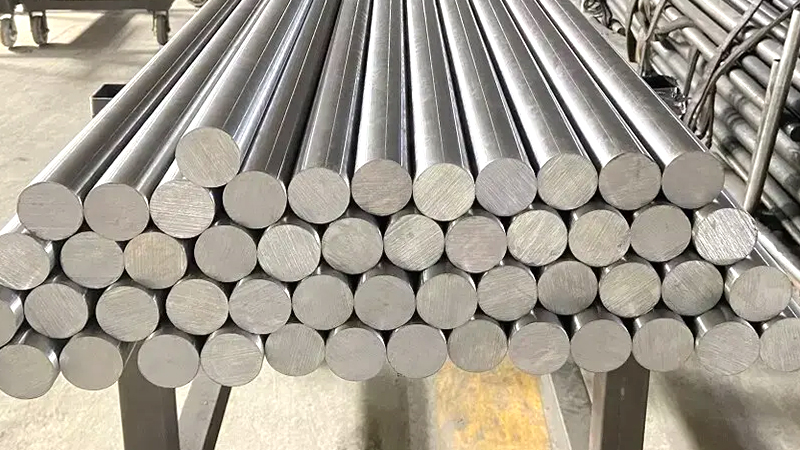
A chrome plated rod is not defined by its chrome layer alone. The final product needs to combine the correct base material, dimensional accuracy, chrome thickness, surface finish, and geometric control so that it can operate correctly inside the hydraulic cylinder.
For OEM buyers, the most reliable approach is to provide the supplier with the complete technical requirement and application information before production. This allows the coating and finishing process to be planned around the finished component rather than treating chrome plating as a separate operation.
Frequently Asked Questions
What chrome thickness is available for EAST AI chrome plated rods?
The available product specification lists chrome thickness from 20–100 μm.
Is a thicker chrome layer always better?
No. The appropriate thickness depends on the operating environment, expected wear, corrosion exposure, final dimensions, and cylinder design.
Does chrome thickness affect final rod diameter?
Yes. Chrome plating adds material to the rod surface, so plating and subsequent grinding or polishing need to be controlled to achieve the required final diameter.
What is the difference between chrome thickness and surface roughness?
Chrome thickness describes the thickness of the plated layer. Surface roughness describes the condition of the finished working surface. They are separate specifications.
Can chrome thickness be specified according to an OEM drawing?
Yes. The required chrome thickness should be confirmed as part of the customer’s technical specification before production.
Related Products & Applications
Industrial Hydraulic Applications
Construction Machinery Hydraulic Applications

Need Technical Support?
Chrome thickness should be selected according to the actual working requirements of the hydraulic cylinder rather than treated as a simple “more is better” specification.
EAST AI supplies chrome plated rods for hydraulic cylinder manufacturers and OEM customers with different diameters, materials, tolerances, lengths, chrome thicknesses, and surface requirements.