
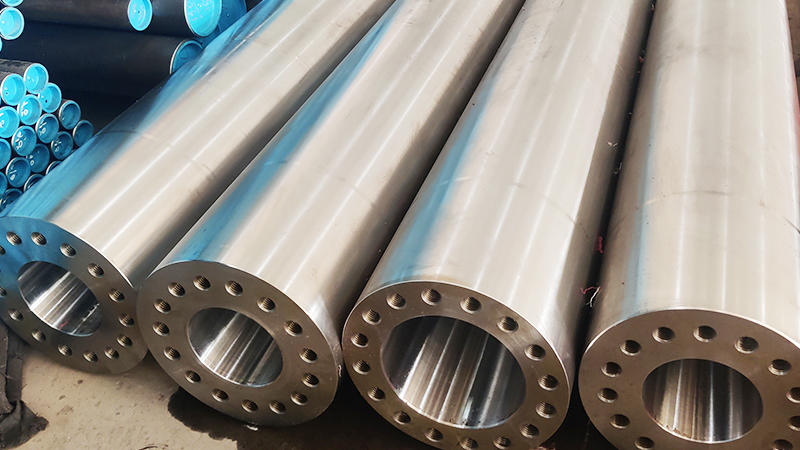
When ordering honed tube for hydraulic cylinder production, tube length is often treated as a simple purchasing specification. In practice, the required length can affect cutting efficiency, end preparation, machining operations, material utilization, and production cost. A tube that is ordered too close to the final cylinder length may leave little room for cutting or end machining, while excessive allowance can increase material waste and handling requirements.
For hydraulic cylinder manufacturers, the better approach is to define the relationship between the supplied tube length and the finished cylinder barrel before placing an order. The required honed tube stock allowance depends on the cutting process, end preparation, machining sequence, finished barrel length, and the way the manufacturer plans to process multiple cylinder sizes.
What Is Honed Tube Stock Allowance?
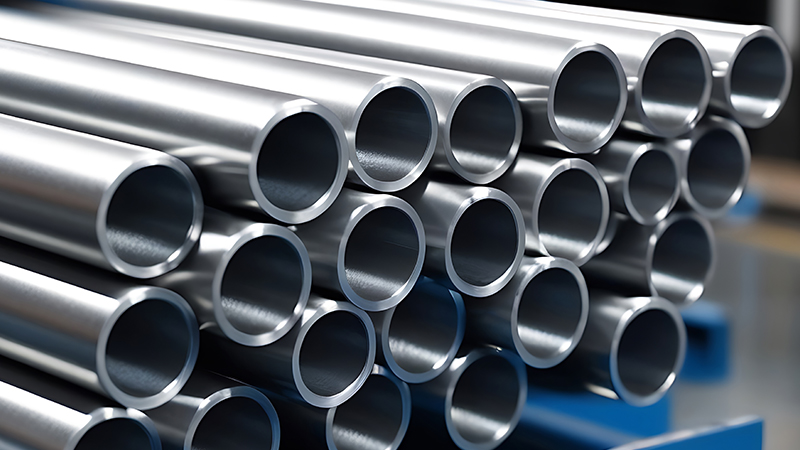
Honed tube stock allowance is the additional tube length retained beyond the required finished barrel length. This extra material gives the manufacturer room for cutting, facing, end machining, deburring, or other production operations. The exact allowance is not a universal number because different cylinder designs and manufacturing processes require different amounts of material.
For example, if a hydraulic cylinder barrel requires a specific finished length, the supplied hydraulic cylinder tube may need to be longer than that final dimension. The actual allowance should be determined from the manufacturer’s cutting accuracy, end-processing requirements, production method, and acceptable material loss rather than simply adding an arbitrary amount.
Why Tube Length Planning Matters in Production
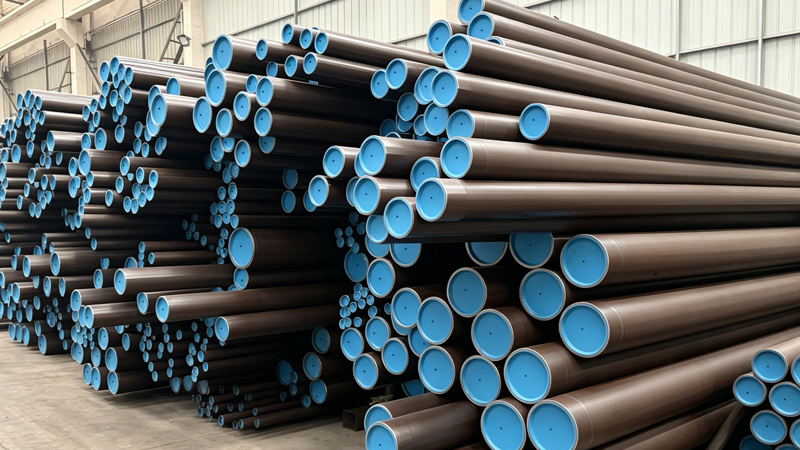
The first reason to plan allowance carefully is dimensional control. A cylinder tube may require a clean and accurately prepared end after cutting. If the supplied tube is ordered exactly to the theoretical finished length, there may be insufficient material to correct a cutting variation or complete the required end preparation. Maintaining a suitable allowance gives the production team more flexibility during processing.
The second reason is material utilization. Excessive allowance may appear safe, but when many cylinders are produced, unnecessary extra length can accumulate into significant material waste. This is especially important when manufacturers purchase longer honed tube lengths and cut them into multiple cylinder barrel sizes. Good cutting plans can improve yield while still leaving enough material for finishing operations.
Factors That Should Be Considered Before Ordering
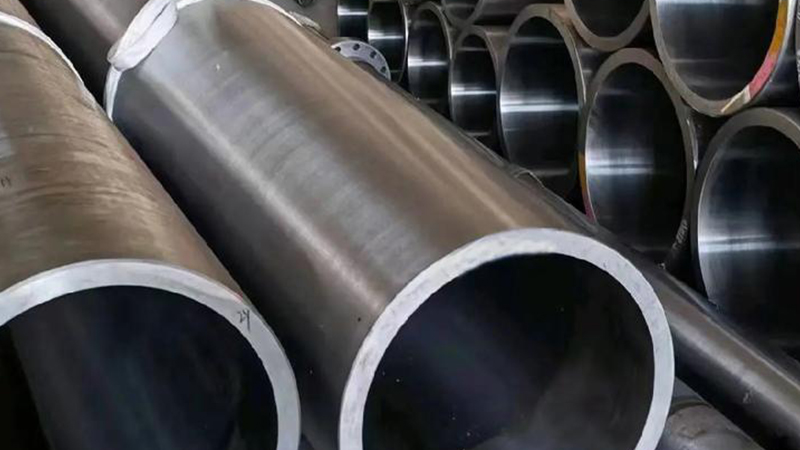
The finished barrel length should always be established first. From there, the manufacturer can consider the cutting method and the amount of material needed for end preparation. If the tube will receive additional machining after cutting, the required allowance may differ from a tube that only needs basic cutting and deburring.
Production volume also matters. A manufacturer producing a small number of cylinders may prioritize processing flexibility, while high-volume production benefits more from optimized cutting plans and repeatable stock lengths. When ordering honed cylinder tube for multiple cylinder models, it can also be useful to evaluate whether one supplied length can efficiently serve several finished barrel sizes.
How OEMs Can Reduce Cutting Waste
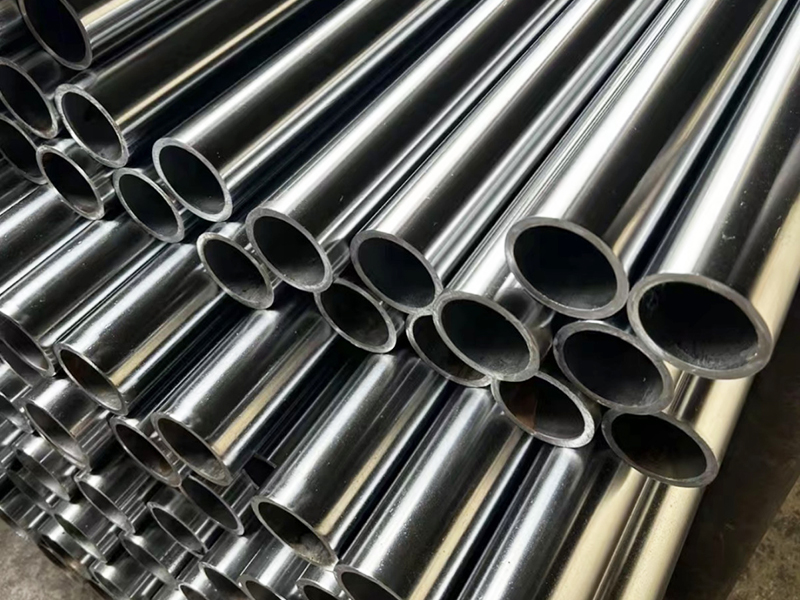
One practical method is to group cylinder barrel requirements before purchasing material. Instead of evaluating each finished tube independently, manufacturers can review the complete production schedule and identify combinations that make efficient use of available tube lengths. This is particularly useful when several cylinder models use similar diameters but different barrel lengths.
Another important point is to confirm the supplier’s available standard lengths. If a supplier can provide suitable long-length honed tube, the OEM may be able to optimize its own cutting plan instead of purchasing many individual finished lengths. However, the final decision should also consider transportation, handling, storage space, cutting equipment, and production capacity.
What to Confirm With a Honed Tube Supplier
Before placing an order, OEMs should provide more than just the nominal finished barrel length. Useful information includes the required tube ID and OD, material grade, tolerance requirements, supplied length, acceptable length tolerance, end condition, surface requirements, and whether the tube will undergo additional machining.
The supplier should also understand whether the requested length is the finished length or supplied stock length. This distinction is important because confusing the two can lead to incorrect purchasing quantities and unnecessary production adjustments. Clear communication at the quotation stage helps prevent avoidable cutting and machining problems later.
Honed Tube Selection Should Start With the Production Process
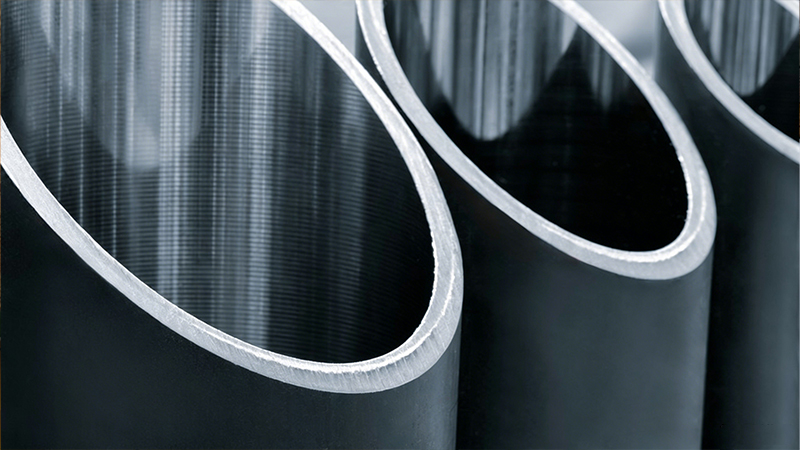
A honed tube is not simply a piece of steel tubing with a specified internal diameter. For hydraulic cylinder manufacturing, its value comes from how well the supplied tube condition supports the subsequent production process. Length planning is therefore part of overall tube specification rather than an isolated purchasing detail.
By calculating the finished barrel requirement together with cutting, end preparation, production volume, and material utilization, OEMs can make more efficient use of their tube inventory. A well-defined stock allowance can provide sufficient processing flexibility without creating unnecessary waste.
Frequently Asked Questions
Should honed tube be ordered at the exact finished cylinder length?
Not necessarily. The required supplied length depends on the cutting process and any subsequent end machining. A suitable allowance may be required to achieve the finished barrel dimension.
Is there one standard stock allowance for every hydraulic cylinder tube?
No. The appropriate allowance depends on the manufacturing process, finished length, cutting method, end preparation, and production requirements.
Can longer honed tubes reduce material waste?
They can, when the cutting plan is optimized across multiple cylinder barrel sizes. However, handling, storage, cutting capability, and purchasing requirements should also be considered.
What should be specified when ordering honed tube?
The specification should normally address dimensions, material, tolerance, supplied length, surface requirements, and end condition, together with any application-specific requirements.
Related Products & Applications
Need Technical Support?
If you are planning honed tube purchases for hydraulic cylinder production, EAST AI can discuss tube dimensions, available lengths, material options, tolerances, and supply requirements based on your application.