
Written by Alex, Production Engineer at EAST AI
Agricultural cylinders don’t get the respect they deserve in terms of duty severity. A combine header lift or a tractor loader arm doesn’t run at the extreme pressures you’d see in a mining shovel, but it works in some of the dirtiest, wettest conditions any hydraulic component sees — mud, chaff dust, irrigation water, and long idle periods between seasons where moisture just sits against the bore.
We’ve quoted honed tube for enough agricultural OEMs now to know that the failure modes here are different from construction or industrial applications, and the tube spec needs to reflect that difference rather than just copying a generic industrial standard.
Why Seasonal Duty Cycles Are Tricky
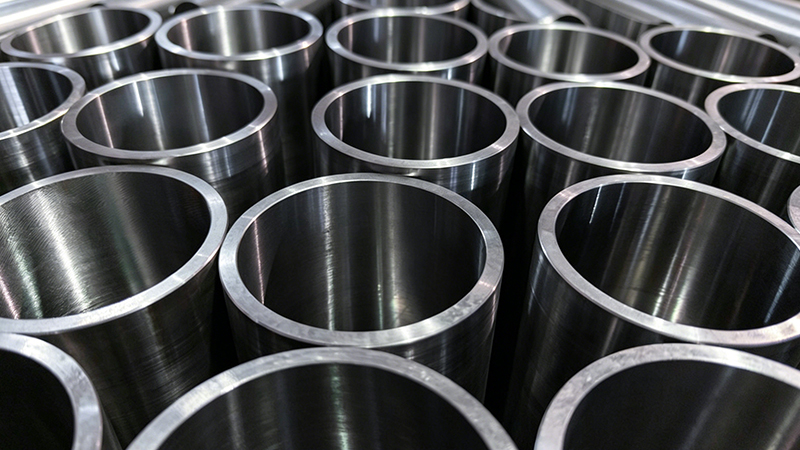
A lot of agricultural equipment doesn’t run continuously — it works hard during planting and harvest, then sits in a shed for months. This intermittent pattern is actually harder on a cylinder bore than steady continuous use, because condensation can form on the internal surface during the idle period and sit there long enough to start light surface corrosion before the machine runs again.
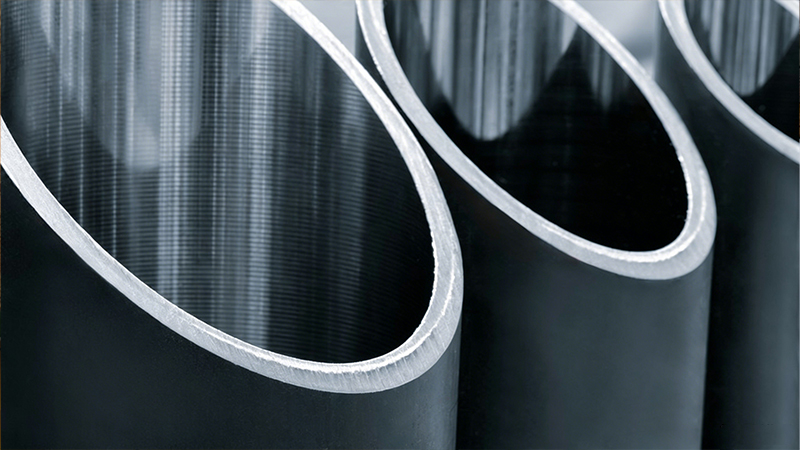
A honed cylinder tube with the right anti-rust treatment and bore finish resists this idle-period corrosion better than a standard industrial tube that’s optimized purely for continuous-duty wear resistance. This is one of the first questions we ask agricultural customers: how long does the machine typically sit idle between uses?
Bore Finish for Dust and Contamination Resistance
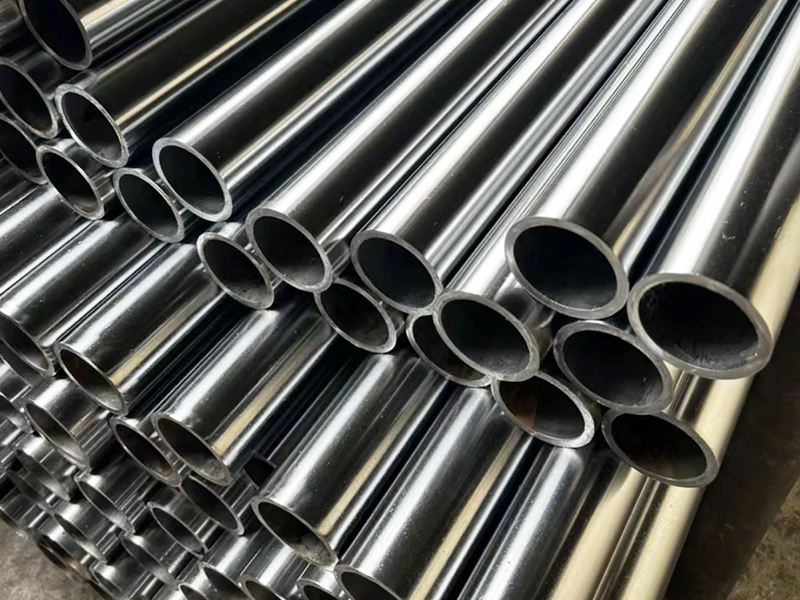
Field equipment draws in more airborne contamination than shop or plant equipment, and dust that gets past the wiper seal acts like light abrasive paste against the bore surface. The honing pattern and surface roughness need to be controlled tightly enough that this contamination doesn’t have obvious peaks and valleys to embed into.
We typically recommend a smoother, more consistent honing finish for dusty field applications than we would for a cleaner industrial environment, even at similar pressure ratings. It’s a small spec difference on paper, but it shows up as a meaningful difference in seal life over a few seasons of use.
Straightness for Long-Reach Attachments
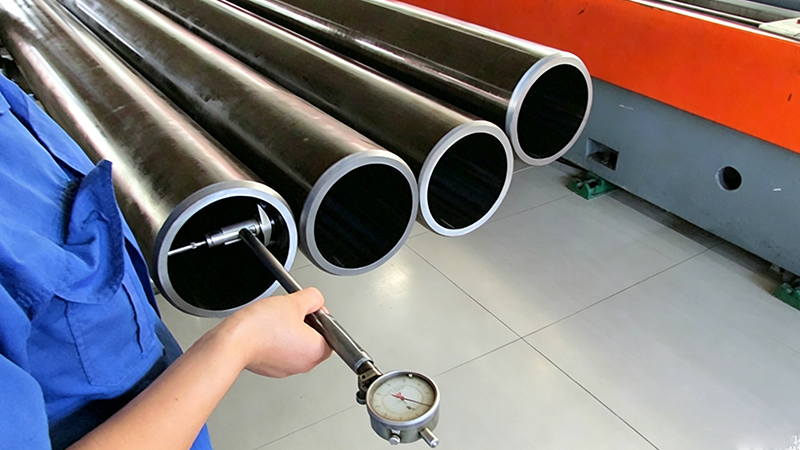
Combine headers, sprayer booms, and loader arms often use longer-stroke cylinders than a comparable industrial application, and a longer tube means straightness tolerance matters more — even a small amount of bow over a long stroke translates into uneven seal wear and side loading on the piston.
We check straightness on every batch, but for agricultural customers running long-stroke designs, we pay particular attention to this because the failure mode (premature seal wear on one side of the bore) is easy to misdiagnose as a seal quality issue when the actual root cause is tube straightness.
Material Selection for Cost-Sensitive Production
Agricultural equipment manufacturers are often more cost-sensitive per unit than construction OEMs, simply because of the volumes and price points involved. This doesn’t mean cutting corners on the tube — it means being smart about which grade actually earns its cost for the application.
For most standard tractor and implement cylinders, a mid-range carbon steel honed tube with a good anti-rust treatment delivers the corrosion and wear resistance needed without paying for alloy-grade properties the application doesn’t actually use. We reserve the higher alloy grades for larger equipment — combines, self-propelled sprayers — where load and cycle count genuinely justify it.
A Field Issue Worth Knowing About
One recurring pattern we’ve seen from agricultural customers: a cylinder performs fine through its first season, then starts weeping oil past the rod seal at the start of the second season after sitting idle over winter. The tube and seals test fine individually when inspected, but the idle-period condensation had created light surface oxidation on the bore that gradually worked the seal lip over the following season’s use.
This is a case where switching to a honed tube with stronger anti-rust protection for the idle period — rather than simply upgrading the seal — solved the recurring complaint, because the actual failure driver was bore condition during storage, not the seal design itself.
How We Support Agricultural OEM Volumes
Agricultural cylinder programs often run on a seasonal ordering pattern — a big push before planting and harvest season, then quieter periods in between. We plan raw material and honing capacity around this pattern for regular customers, so a pre-season order doesn’t get stuck behind other production when the timing is tightest for you.
Every batch still goes through the same 100% dimensional and surface inspection regardless of order size or season, because a smaller agricultural cylinder order deserves the same consistency as a larger industrial one.
What to Send With Your RFQ
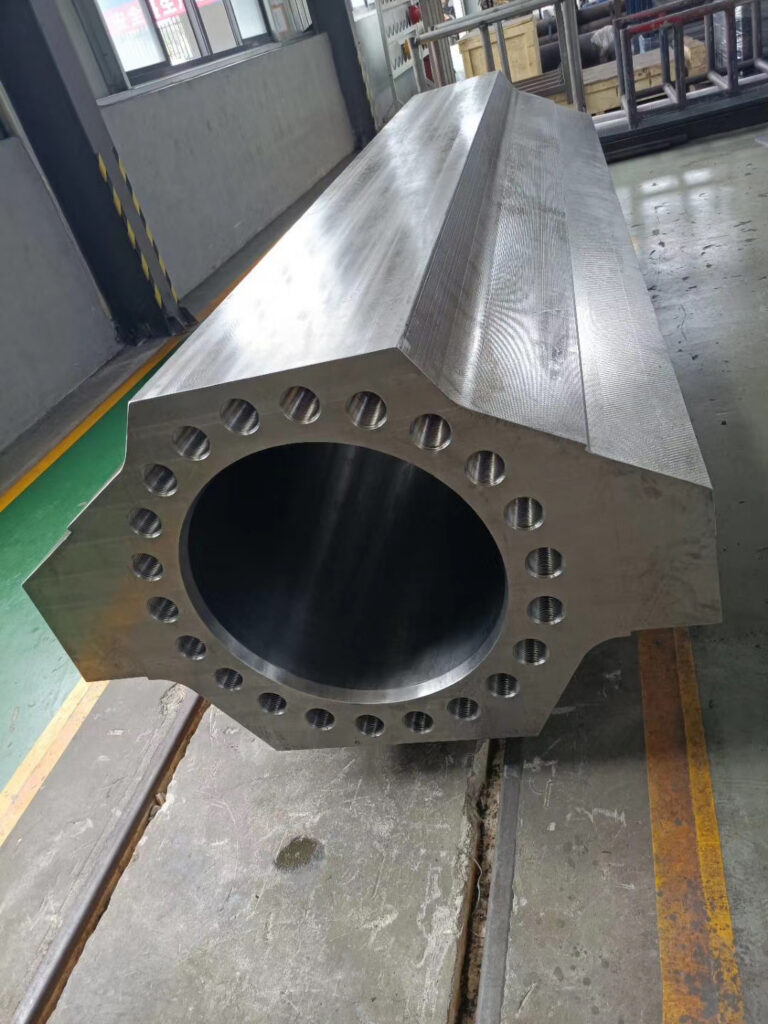
Send us bore diameter and tolerance, tube length, expected typical idle period between uses, and whether the equipment operates in particularly dusty, humid, or coastal conditions. This last detail matters more for agricultural applications than people usually expect, because it changes our anti-rust treatment recommendation.
Frequently Asked Questions
Does honed tube need special treatment for equipment that sits idle for months?
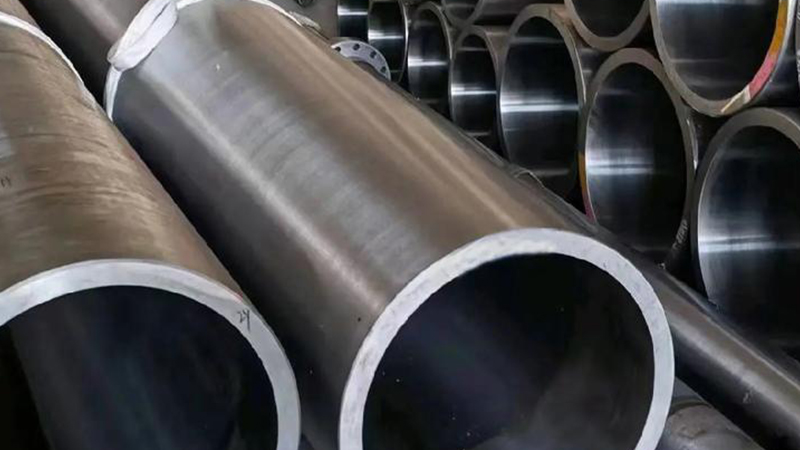
Yes. Extended idle periods allow condensation to sit against the bore surface, so a stronger anti-rust treatment on the honed tube reduces the risk of surface corrosion developing before the next season’s use.
Is a smoother bore finish always better for agricultural cylinders?
For dusty field conditions, a smoother, more consistent honing finish helps reduce the abrasive effect of contamination that gets past the seals, even though this isn’t always the top priority in cleaner industrial settings.
Do agricultural cylinders need alloy steel honed tube?
Not usually. Standard carbon steel honed tube with good anti-rust treatment handles most tractor and implement applications well; alloy grades are typically reserved for higher-load equipment like combines or self-propelled sprayers.
Can EAST AI plan production around agricultural seasonal ordering?
Yes. For regular customers, we plan raw material and honing capacity around the typical pre-planting and pre-harvest ordering push so seasonal orders aren’t delayed by unrelated production queues.
References & Further Reading
Internal resources:
External references:
- ISO 9001:2015, Quality Management Systems — Requirements, referenced for our batch-inspection process: iso.org
- National Fluid Power Association (NFPA), the leading standards body for the hydraulic and pneumatic industry, referenced for general fluid power industry context: nfpa.com
Tell Us Your Season, Not Just Your Spec
If you’re sourcing honed tube for a tractor, combine, or implement cylinder, tell us your typical idle period and field conditions along with your dimensions. It’s a five-minute detail on the RFQ that changes our anti-rust recommendation and can save you a warranty claim two seasons from now.