
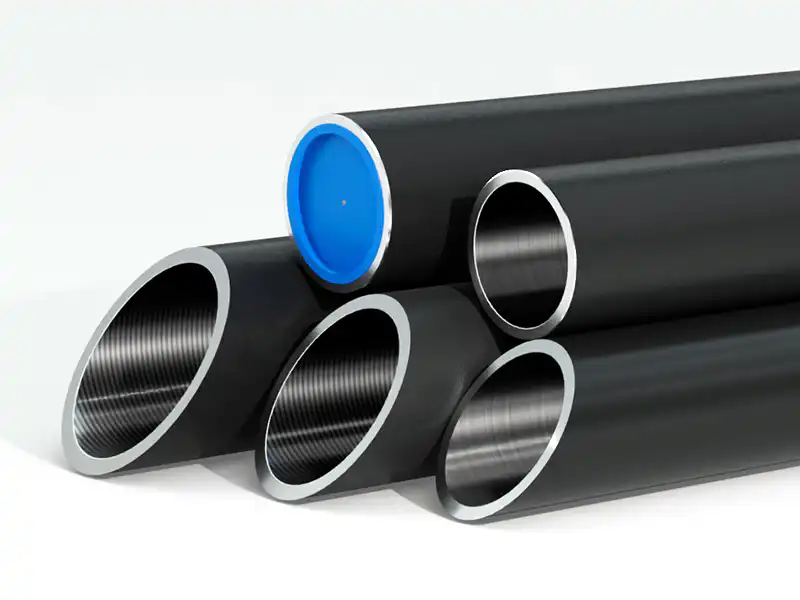
Why Honed Tube Tolerance Is Important for Hydraulic Cylinder Manufacturing
In hydraulic cylinder manufacturing, the tube is not only a structural component. It provides the internal working surface where the piston and seals operate during every movement cycle.
Many buyers focus on tube dimensions such as outside diameter and wall thickness, but internal tolerance control is equally important. The accuracy of the bore directly influences piston movement, sealing performance, friction, and the overall reliability of the hydraulic cylinder.
A honed tube with stable tolerance allows hydraulic cylinder manufacturers to achieve consistent assembly quality and predictable performance. On the other hand, uncontrolled dimensional variation can create problems during production and operation.
For OEM hydraulic cylinder manufacturers, tolerance consistency is often one of the most important factors when selecting a reliable tube supplier.
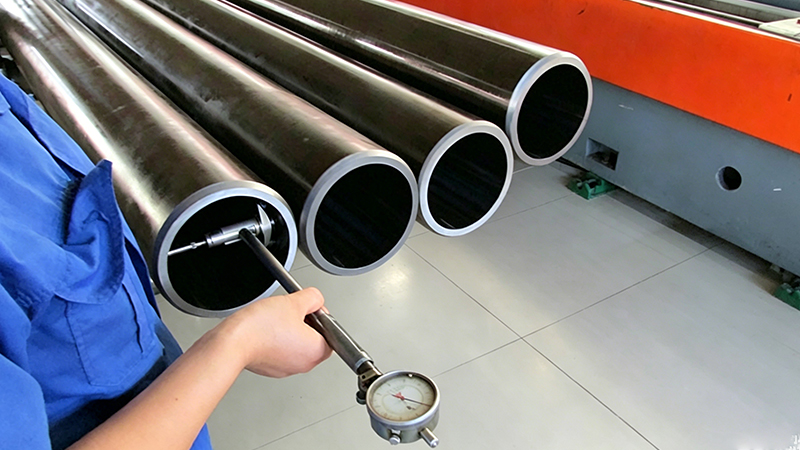
What Does Honed Tube Tolerance Mean?
Honed tube tolerance refers to the allowable dimensional variation of the internal bore after precision processing. It describes how accurately the actual bore size matches the required specification.
In hydraulic cylinder applications, tolerance control usually involves factors such as internal diameter accuracy, roundness, straightness, and surface condition.
These parameters work together to determine how smoothly the piston moves and how effectively the sealing system performs.
A precision honed tube is manufactured to provide a controlled internal environment, allowing hydraulic cylinders to operate with improved stability and efficiency.
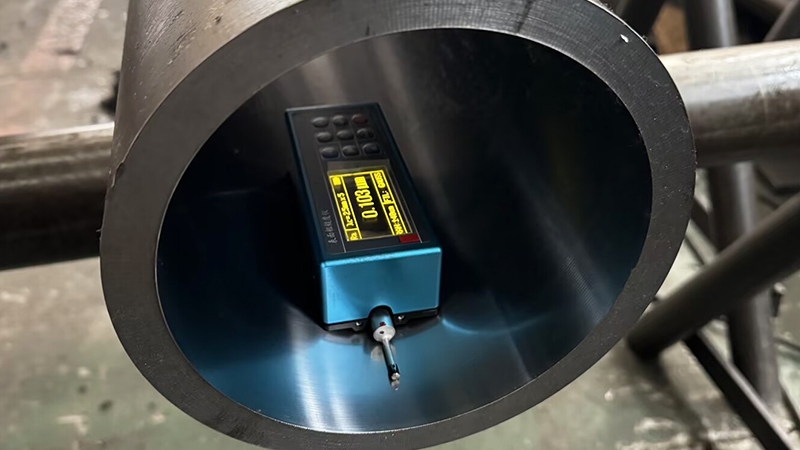
How Bore Tolerance Affects Hydraulic Cylinder Performance
The internal bore of a hydraulic cylinder must match the piston and sealing system accurately. If the bore dimension varies beyond the required tolerance, the relationship between these components can become unstable.
Excessive clearance may reduce sealing effectiveness and create internal leakage risks. Insufficient clearance may increase friction and restrict smooth movement.
For hydraulic cylinder manufacturers, maintaining proper bore tolerance is essential because even small variations can influence cylinder performance, especially in applications requiring frequent movement or precise control.
Precision tolerance control helps ensure that each hydraulic cylinder performs consistently after assembly.
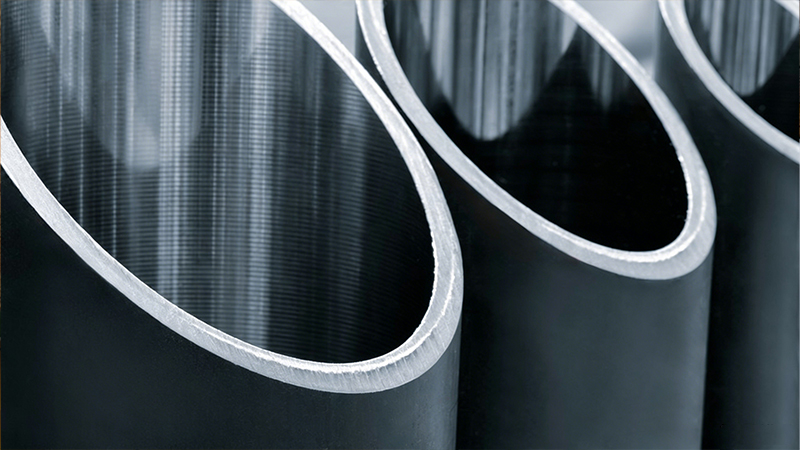
The Relationship Between Honed Tube Tolerance and Seal Life
The sealing system relies heavily on the condition of the honed tube internal surface. During operation, seals continuously move against the tube surface while maintaining hydraulic pressure.
If the bore tolerance is inconsistent, the seal may experience uneven contact pressure. Over time, this can increase wear, reduce sealing efficiency, and shorten service life.
A properly controlled honed tube provides a more stable operating environment for seals, helping reduce unnecessary friction and improving long-term reliability.
This is why experienced hydraulic cylinder manufacturers evaluate tube tolerance together with surface finish and material quality.
Why Surface Quality and Tolerance Must Work Together
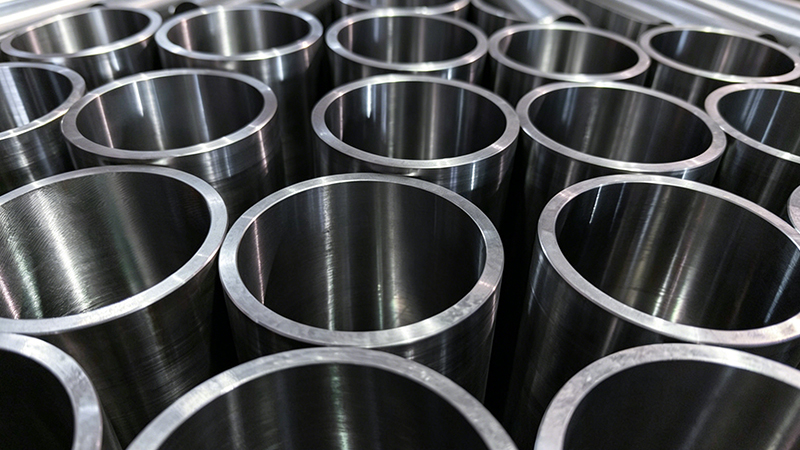
Tolerance alone does not determine honed tube performance. The internal surface condition is equally important.
A tube may have the correct internal diameter, but if the surface quality is unsuitable, it can still affect lubrication, friction, and seal performance.
Professional honed tube manufacturing requires control of multiple factors, including bore size accuracy, surface roughness, roundness, and straightness.
The combination of dimensional accuracy and surface quality creates the foundation for reliable hydraulic cylinder operation.
How Tolerance Control Improves OEM Production Efficiency
For hydraulic cylinder OEM manufacturers, consistent tube tolerance provides advantages beyond final product performance.
Stable tube dimensions reduce assembly difficulties, minimize adjustment requirements, and improve production efficiency.
When every batch maintains predictable specifications, manufacturers can reduce inspection workload and improve production consistency.
This is especially important for customers producing hydraulic cylinders in large quantities where component variation can create significant manufacturing challenges.
Common Problems Caused by Poor Honed Tube Tolerance
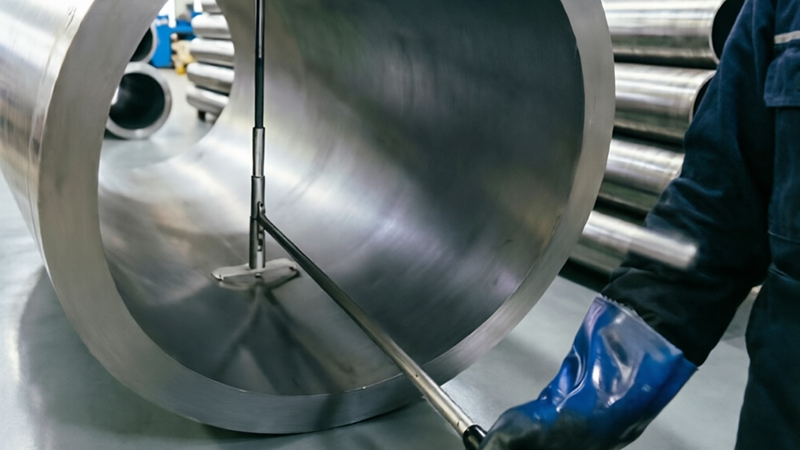
Poor tolerance control can create several problems during hydraulic cylinder production and operation.
During assembly, dimensional variation may cause fitting issues between the tube, piston, and seals. During operation, it may contribute to leakage, unstable movement, increased wear, or reduced service life.
These problems are often difficult to identify because the cylinder may appear normal during initial testing but fail after extended operation.
Choosing a supplier with reliable tolerance control helps prevent these hidden risks.
Why Material and Manufacturing Process Affect Tolerance Stability
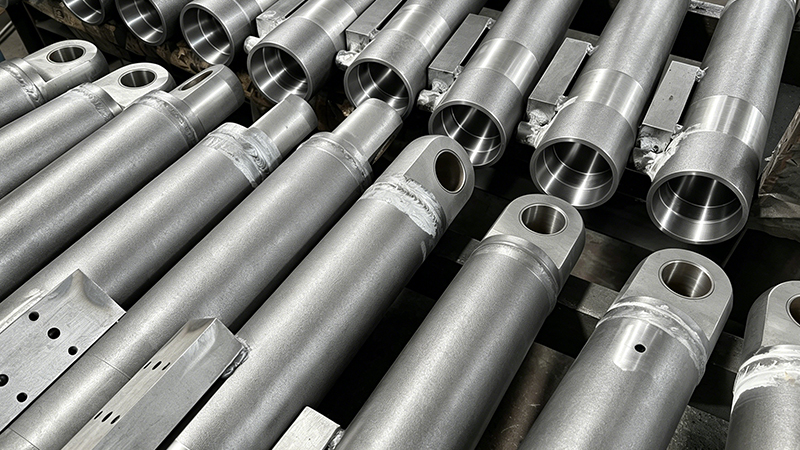
Honed tube tolerance is influenced by more than the final honing process. Raw material quality, cold drawing process, heat treatment, and production control all affect dimensional stability.
A stable manufacturing process allows suppliers to maintain consistent bore accuracy across different production batches.
For hydraulic cylinder manufacturers, this consistency is valuable because it supports predictable product quality and reduces production uncertainty.
A reliable supplier manages the entire process rather than focusing only on the final inspection result.
How to Select a Reliable Honed Tube Supplier
When choosing a honed tube supplier, buyers should evaluate manufacturing capability, inspection standards, material control, and experience in hydraulic applications.
A professional supplier should understand the requirements of hydraulic cylinder production and provide stable quality rather than only competitive pricing.
Important considerations include dimensional accuracy, surface control, production consistency, and the ability to support long-term OEM cooperation.
The right supplier helps manufacturers build more reliable hydraulic cylinders and reduce quality risks.

Frequently Asked Questions
Why is honed tube tolerance important?
Honed tube tolerance affects piston movement, sealing performance, friction, and the overall reliability of hydraulic cylinders.
What tolerance is required for hydraulic cylinder tubes?
The required tolerance depends on cylinder design, application requirements, sealing system, and performance expectations.
Can poor tube tolerance cause hydraulic cylinder leakage?
Yes. Incorrect bore dimensions can affect seal contact and increase the risk of internal leakage.
Is surface finish as important as tube tolerance?
Yes. Both dimensional accuracy and surface quality influence hydraulic cylinder performance.
Why do OEM manufacturers prefer precision honed tubes?
Precision honed tubes provide stable quality, easier assembly, and more consistent hydraulic cylinder performance.
How does honed tube quality affect cylinder service life?
Stable tolerance and surface condition help reduce wear, improve sealing performance, and extend operating life.
Related Products & Applications
Precision Honed Tube for Hydraulic Cylinder Manufacturing
Construction Machinery Hydraulic Applications
Industrial Hydraulic System Applications
Heavy Equipment Hydraulic Solutions

Need Technical Support?
Hydraulic cylinder performance depends on the accuracy and consistency of every internal component.
EAST AI supplies precision Honed Tubes with controlled dimensions, stable manufacturing processes, and reliable quality for hydraulic cylinder manufacturers.
Choosing the right honed tube quality helps OEM customers improve production consistency and build hydraulic cylinders with long-term reliability.