
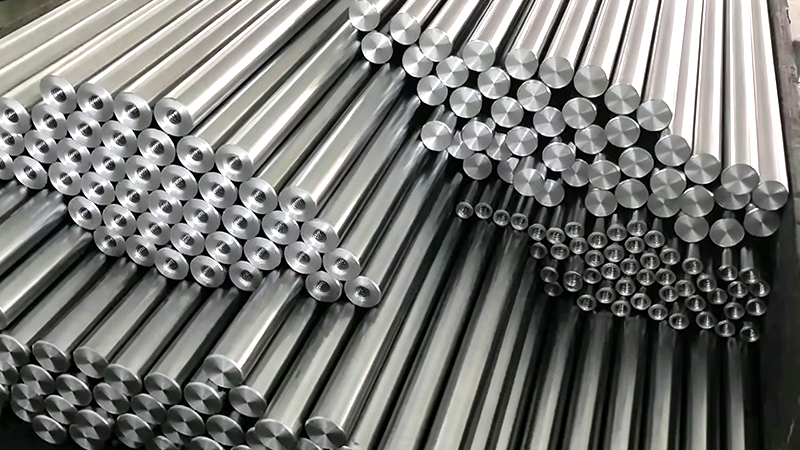
Why Surface Finish Is Critical for Hydraulic Cylinder Rod Performance
The piston rod is one of the most important working components inside a hydraulic cylinder. During operation, it repeatedly moves through the sealing system while being exposed to external conditions such as dust, moisture, impact, and corrosion risks.
Many buyers focus mainly on rod diameter, material grade, and chrome thickness when evaluating a chrome plated rod. However, surface finish is equally important because it directly affects seal performance, friction behavior, wear resistance, and the service life of the complete hydraulic cylinder.
A chrome plated rod with unsuitable surface characteristics may create problems even when other specifications appear correct. Small differences in surface quality can influence how smoothly seals operate and how long the cylinder maintains reliable performance.
For hydraulic cylinder manufacturers, controlling surface finish is not only a manufacturing requirement. It is a key factor in producing stable and durable hydraulic systems.
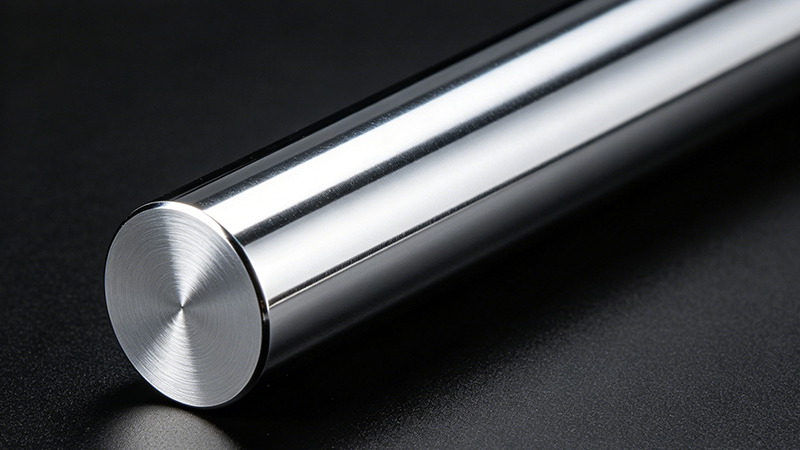
What Is Chrome Plated Rod Surface Finish?
Chrome plated rod surface finish refers to the final condition of the rod surface after machining and chrome plating processes. It includes characteristics such as surface roughness, uniformity, hardness, and consistency along the complete working length.
The purpose of surface finishing is not simply to create a smooth appearance. The surface must provide the correct balance between sealing performance and lubrication retention.
A hydraulic seal requires a controlled contact surface. If the rod surface is too rough, it can increase friction and accelerate seal wear. If the surface is too smooth, it may affect lubrication retention and increase operating resistance.
Professional chrome plated rod manufacturing requires precise control of these surface characteristics to achieve reliable hydraulic cylinder performance.
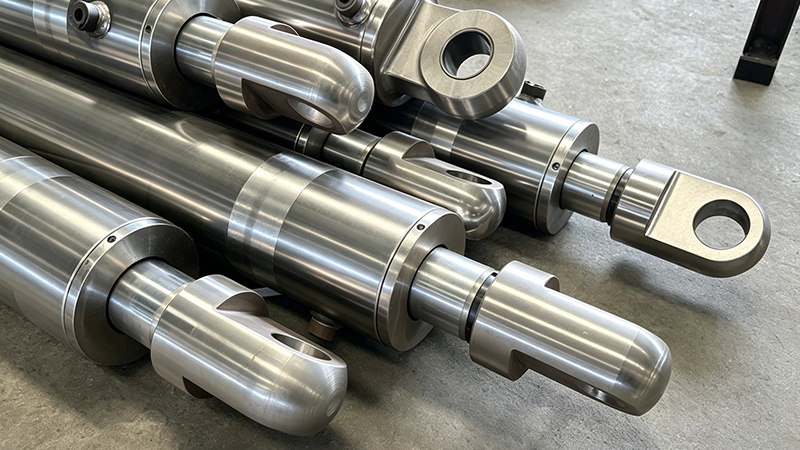
How Surface Finish Affects Hydraulic Cylinder Sealing Performance
The sealing system is one of the most sensitive areas affected by chrome plated rod quality. Every extension and retraction cycle forces the seal to move across the rod surface thousands of times.
When the rod surface is properly controlled, the seal can maintain stable contact while allowing smooth movement. This reduces unnecessary friction and helps extend service life.
However, poor surface finish, inconsistent plating, or machining defects can damage the sealing edge over time. This may lead to oil leakage, reduced efficiency, and increased maintenance requirements.
For this reason, experienced hydraulic cylinder manufacturers evaluate rod surface quality as part of the complete sealing system rather than as an independent specification.
The Relationship Between Chrome Plating and Surface Durability
Hard chrome plating provides the rod with improved wear resistance and corrosion protection. However, the final performance depends on the complete production process rather than chrome thickness alone.
The quality of the base material, machining accuracy, surface preparation, plating uniformity, and final inspection all influence the finished rod performance.
A high-quality chrome plated rod requires consistent control from raw material selection through final surface treatment. Any variation during production may affect dimensional accuracy and surface reliability.
For OEM customers, manufacturing consistency is especially important because hydraulic cylinders require thousands of components with predictable performance.
Why Surface Roughness Matters for Hydraulic Cylinder Rods
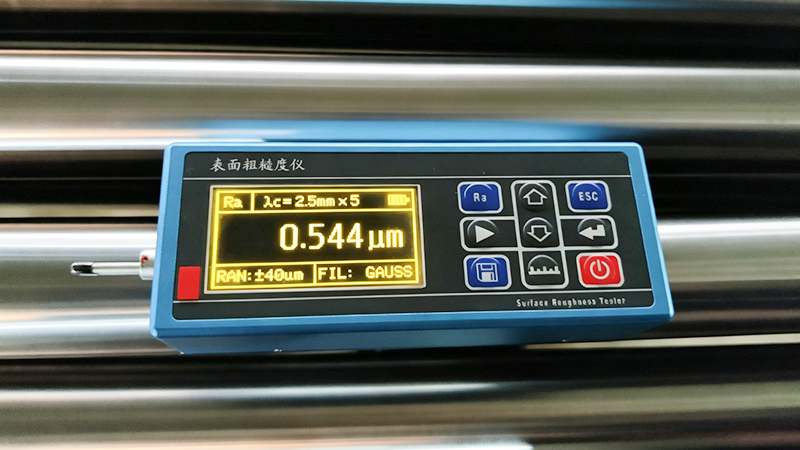
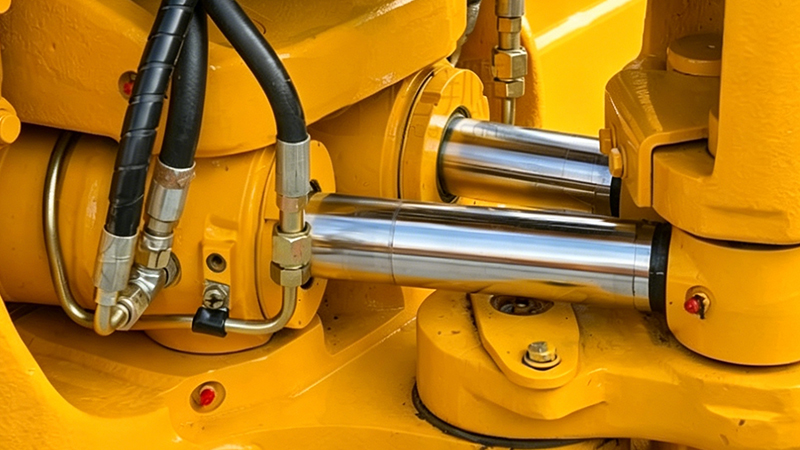
Surface roughness is one of the key indicators used to evaluate chrome plated rod quality. The correct roughness level allows the seal to operate effectively while maintaining proper lubrication conditions.
If the surface roughness is too high, the sealing lip may experience excessive wear because of increased friction. Over time, this can create leakage paths and reduce cylinder reliability.
If the surface condition is not consistent across the rod length, different areas of the cylinder may experience different levels of wear during operation.
This is why professional suppliers control surface parameters carefully and perform inspections to ensure stable results.
How Environmental Conditions Influence Rod Surface Requirements
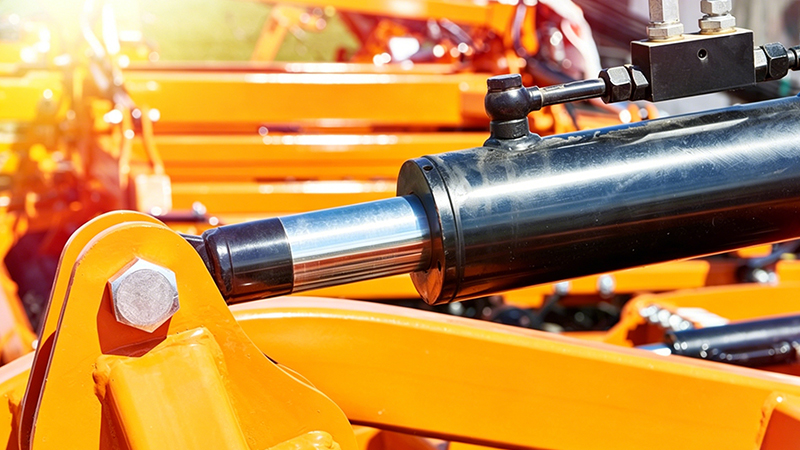
Different hydraulic applications create different demands on chrome plated rod surface quality.
Construction equipment, mining machinery, and outdoor hydraulic systems often operate in environments containing dust, moisture, and abrasive particles. In these conditions, the rod surface must provide strong wear resistance and corrosion protection.
Industrial hydraulic systems may require higher precision because they operate with frequent cycles and strict performance requirements.
Selecting the correct rod surface specification requires understanding the actual working environment. A solution suitable for one application may not provide the same reliability in another.

Common Mistakes When Selecting Chrome Plated Rods
One common mistake is evaluating chrome plated rods only by price. Lower-cost products may appear attractive initially, but inconsistent surface quality can create higher costs through maintenance, replacement, and equipment downtime.
Another mistake is focusing only on chrome thickness while ignoring other important factors such as base material, straightness, dimensional tolerance, and surface consistency.
A reliable hydraulic cylinder component requires balance between material selection, manufacturing process, and application requirements.
Professional buyers evaluate the complete quality system behind the product, not only the final specification sheet.
How Manufacturers Control Chrome Plated Rod Quality
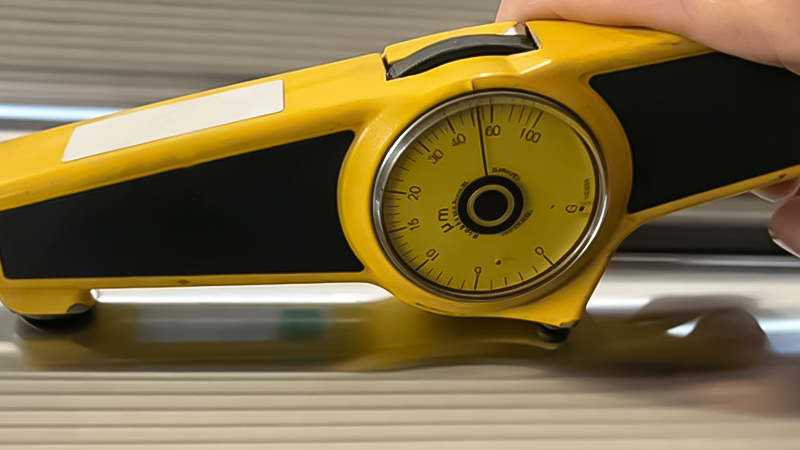
Reliable chrome plated rod production requires strict control throughout the manufacturing process.
This includes raw material inspection, precision machining, surface preparation, chrome plating control, dimensional inspection, and final quality verification.
For hydraulic cylinder OEM manufacturers, stable production capability is often more valuable than a single high-quality sample. Consistency between batches determines whether the supplier can support long-term cooperation.
A professional supplier should provide predictable quality that allows customers to maintain stable hydraulic cylinder production.
Why Surface Quality Should Be Considered During Supplier Selection
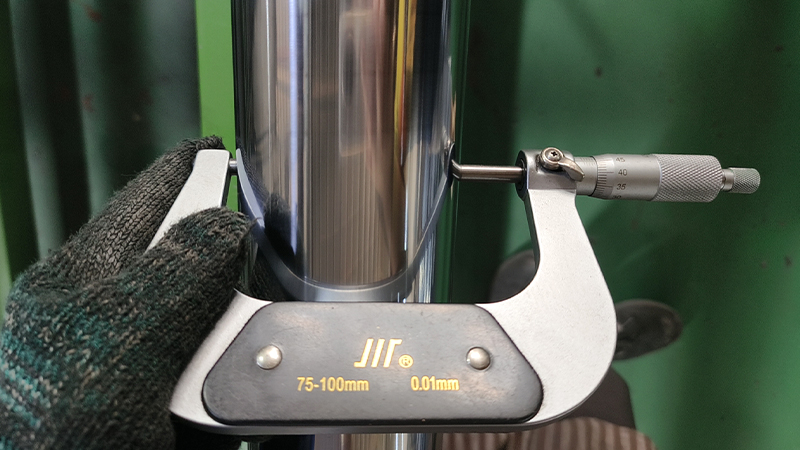
Choosing a chrome plated rod supplier is not only a purchasing decision. It directly influences the reliability of the final hydraulic cylinder.
A capable supplier should understand hydraulic applications and provide technical support related to material selection, surface requirements, tolerance control, and production consistency.
For OEM manufacturers, supplier reliability reduces production risks and helps ensure that every hydraulic cylinder performs as expected.
The best component suppliers provide not only products but also confidence in long-term performance.
Frequently Asked Questions
Why is chrome plated rod surface finish important?
Surface finish directly affects seal performance, friction, wear resistance, and hydraulic cylinder service life.
Does thicker chrome plating always mean better rod quality?
Not necessarily. Chrome thickness is only one factor. Material quality, surface finish, straightness, and manufacturing consistency are also important.
How does poor rod surface quality cause hydraulic cylinder leakage?
Poor surface conditions can accelerate seal wear, damage sealing edges, and create leakage paths during cylinder operation.
What surface characteristics should buyers evaluate?
Important factors include surface roughness, hardness, chrome uniformity, straightness, dimensional accuracy, and inspection control.
Why do OEM manufacturers care about batch consistency?
OEM production requires thousands of components with predictable performance. Stable quality reduces assembly problems and customer complaints.
What applications require high-quality chrome plated rods?
Heavy equipment, construction machinery, mining systems, and industrial hydraulic applications often require reliable rod surface performance.
Related Reading
Chrome Plated Rod Product Solutions
Chrome Plated Rod for Hydraulic Cylinder Manufacturing
Hard Chrome Plated Rod for Heavy Equipment Applications
Hydraulic Cylinder Application Solutions
Construction Equipment Hydraulic Cylinder Components
Mining Equipment Hydraulic Component Solutions

Need Technical Support?
The performance of a hydraulic cylinder depends on the quality and consistency of every working component.
EAST AI manufactures Chrome Plated Rods for hydraulic cylinder manufacturers, focusing on stable material control, precision production, surface quality, and reliable OEM supply.
Choosing the correct rod quality helps manufacturers reduce maintenance risks and improve hydraulic cylinder performance throughout the equipment lifecycle.