
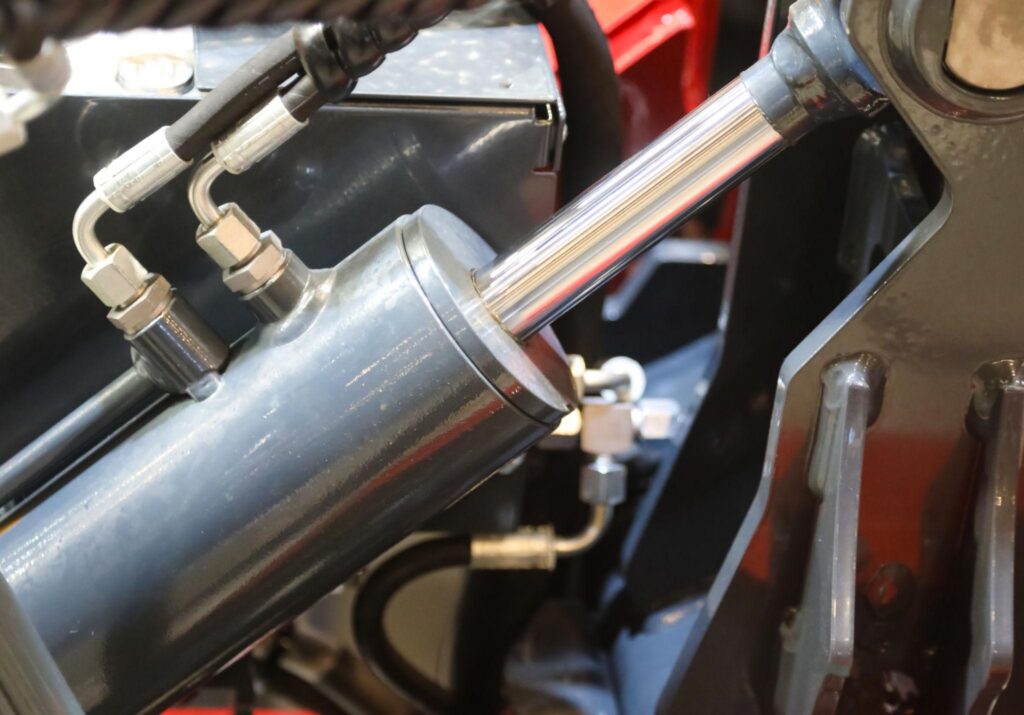
Introduction
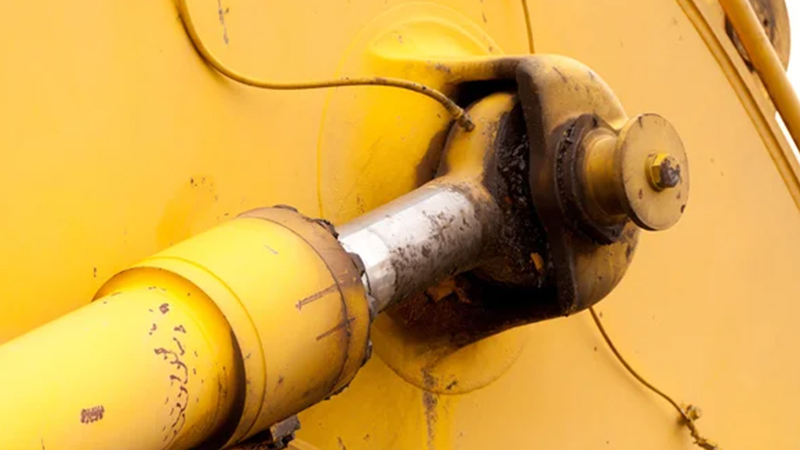
Hydraulic cylinder leakage and seal failure are among the most common issues in industrial hydraulic systems.
In most real applications, these problems do not appear suddenly. They usually develop gradually—starting with slight pressure instability, minor oil leakage, or reduced seal lifespan after a period of operation.
From an engineering perspective, these issues are rarely caused by a single factor. They are usually the result of accumulated variations in material quality, machining tolerance, and surface treatment stability.
This article shares a real engineering scenario based on manufacturing and inspection experience in hydraulic cylinder components. All sensitive details have been removed for confidentiality.
1. Field Problem Description
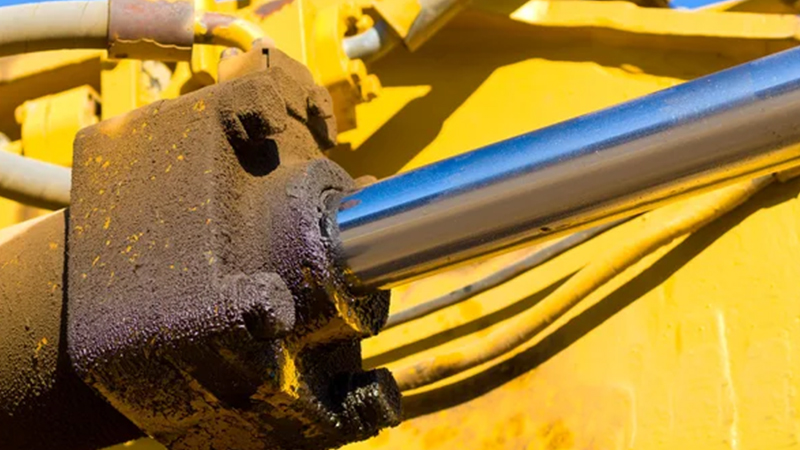
In a typical industrial application, the following symptoms were observed after a period of operation:
- Minor internal leakage in the hydraulic cylinder
- Reduced pressure holding performance
- Accelerated seal wear compared to expected service life
At the early stage, no structural damage or installation issues were identified. The system design itself was not considered problematic.
However, performance degradation became more noticeable during continuous operation.
2. Initial Engineering Inspection
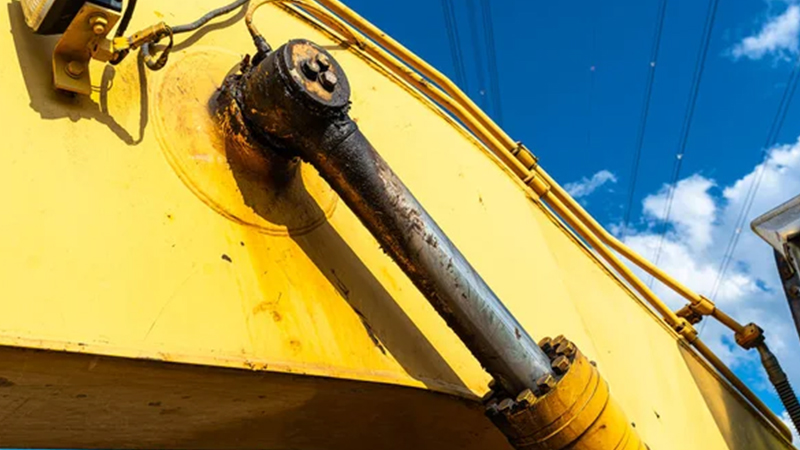
Standard inspection in such cases usually focuses on:
- Piston rod surface condition
- Cylinder bore dimensional stability
- Seal contact behavior under working pressure
In this case, no single catastrophic failure point was found. Instead, the system showed gradual performance deviation across multiple parameters.
This type of issue is often more difficult to detect than direct mechanical failure.
3. Root Cause Analysis
After disassembly and comparison analysis, three main contributing factors were identified.
3.1 Material Batch Variation
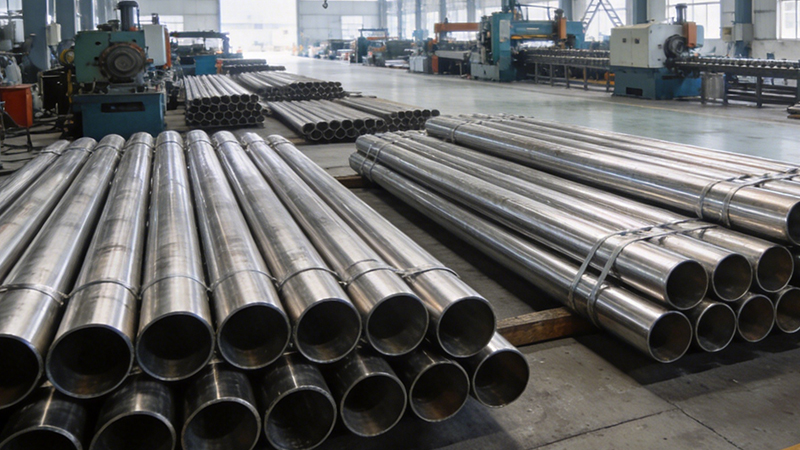
Even within the same steel grade, different production batches may show slight variations in hardness and internal microstructure.
Under low load conditions, this is not noticeable. However, under continuous high-pressure cycling, these differences gradually affect wear behavior and dimensional stability.
3.2 Tolerance Deviation
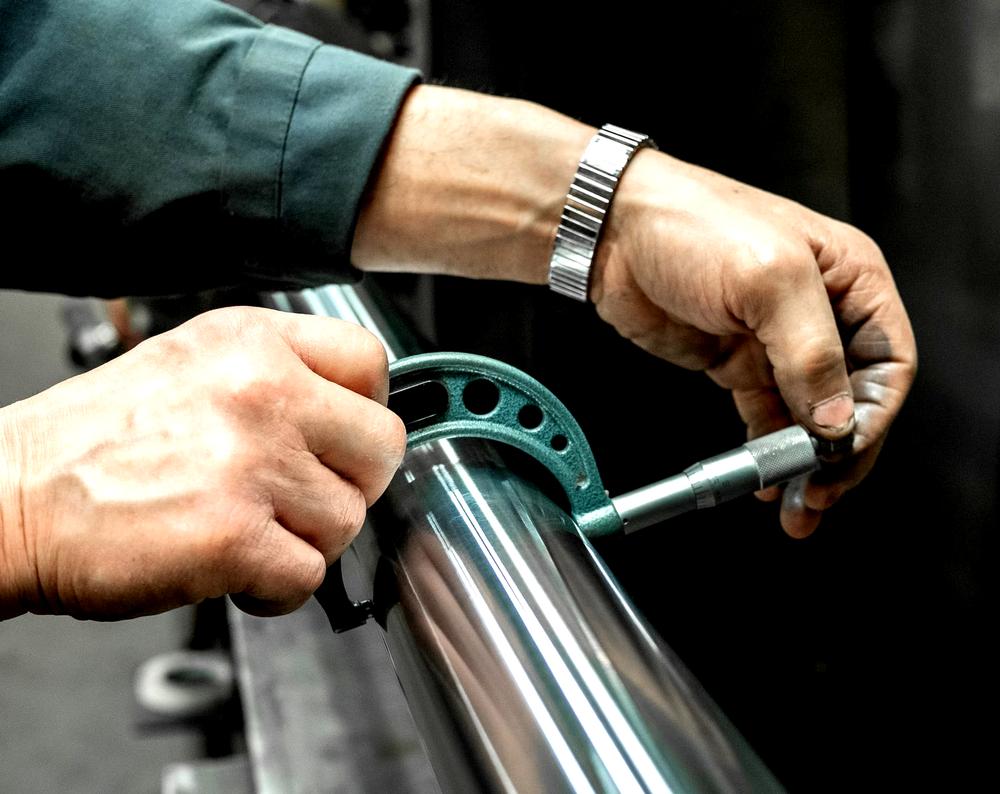
Small deviations between cylinder bore diameter and piston rod diameter can directly impact sealing performance.
Typical symptoms include:
- Minor internal leakage
- Reduced pressure retention
- Inconsistent performance across batches
Even micrometer-level deviation can influence long-term sealing stability in hydraulic systems.
3.3 Surface Roughness and Chrome Stability
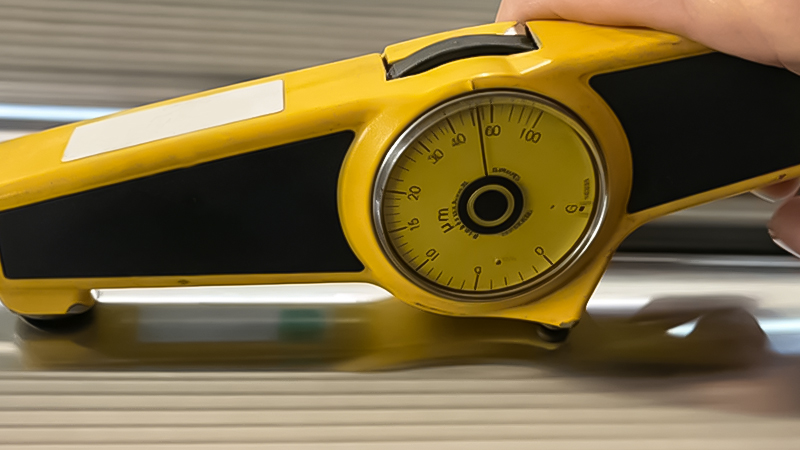
Surface condition plays a critical role in sealing systems.
Key factors include:
- Surface roughness (Ra consistency)
- Chrome layer thickness uniformity
- Surface hardness after finishing treatment
Inconsistent surface conditions can increase friction variation and reduce seal lifespan over time.
4. Engineering Solution Approach
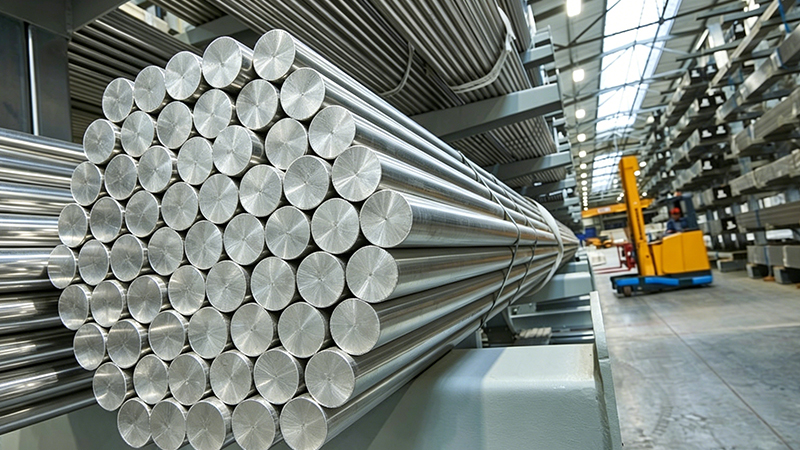
In similar cases, the solution is not a single-point repair but a system-level control approach:
- Standardizing raw material sourcing from stable steel suppliers
- Tightening machining tolerance control for cylinder bore and piston rod
- Stabilizing surface treatment processes (honing and chrome plating)
- Implementing 100% inspection before shipment, including pressure and dimensional testing
The key objective is not improving a single specification, but reducing variation between production batches.
5. Engineering Outcome
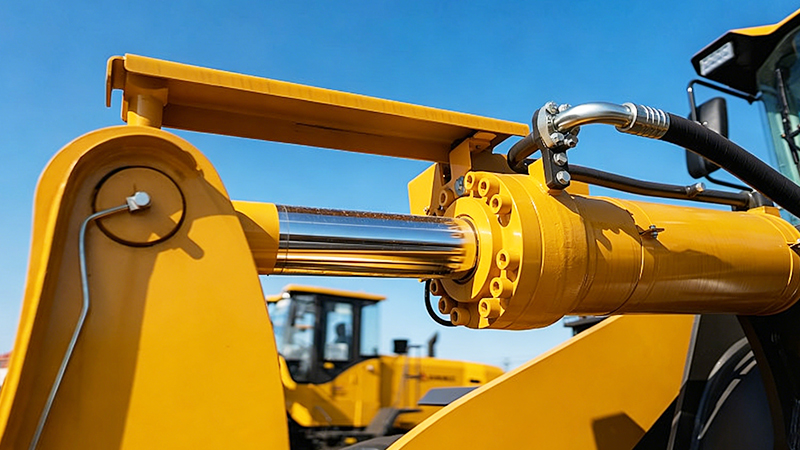
After applying consistency-focused manufacturing control in similar applications, typical improvements include:
- More stable sealing performance during operation
- Reduced occurrence of leakage issues
- More consistent service life across batches
- Improved long-term hydraulic system reliability
The primary improvement is not performance increase, but stability improvement.
6. Engineering Insight
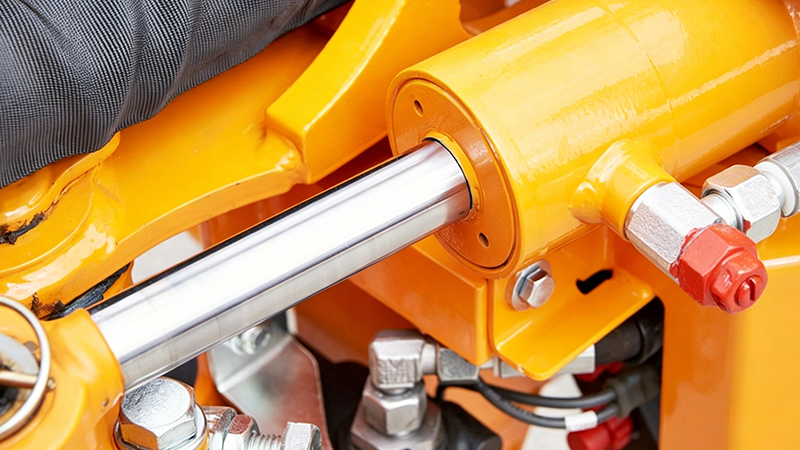
In hydraulic systems, seal failure is often incorrectly attributed to seal quality itself.
In most real cases, the root cause is linked to:
- Machining consistency
- Surface condition stability
- Material variation across batches
System reliability is determined more by manufacturing consistency than by single component specifications.
7. Application Scope
This type of issue is commonly found in:
- Construction machinery hydraulic systems
- Industrial hydraulic press equipment
- Agricultural machinery systems
- Heavy-duty hydraulic applications
8. Engineering Support

If similar symptoms such as leakage, pressure instability, or abnormal seal wear are observed in your hydraulic system, it is recommended to evaluate the system from a manufacturing consistency perspective.
EAST AI provides hydraulic cylinder components and related hydraulic parts manufacturing based on engineering drawings and application requirements.
Technical evaluation and engineering discussion are available for OEM manufacturers, distributors, and industrial equipment suppliers.
What causes hydraulic cylinder leakage?
Hydraulic cylinder leakage is often caused by a combination of material variation, tolerance deviation, and inconsistent surface roughness rather than a single failure point.
Can hydraulic cylinder seals cause leakage problems?
Seal damage is often a result, not the root cause. In many cases, surface condition and dimensional inconsistency are the real underlying factors.
How does tolerance affect hydraulic cylinder performance?
Even small dimensional deviations between piston rod and cylinder bore can reduce sealing efficiency and lead to internal leakage over time.
Why do hydraulic cylinders fail over time instead of immediately?
Most failures develop gradually due to wear accumulation, material variation, and surface degradation during continuous operation.
📩 Contact Engineering Support
If you are facing hydraulic cylinder performance issues related to leakage, seal wear, or pressure instability, our engineering team can help evaluate possible root causes from a manufacturing perspective.
We support component-level manufacturing including:
- Hydraulic cylinder tubes
- Chrome plated piston rods
- Custom hydraulic components based on drawings
Feel free to contact us for technical discussion or project evaluation.