
Published: 2026-10-21 | Last Updated: 2026-10-21
Dual-sourcing honed tube is already standard risk practice at most OEMs by now. The harder question comes after: should the second source sit in the same region as the primary, or somewhere genuinely far away? These are not the same decision, and treating them as interchangeable is where a lot of “dual-sourcing” strategies quietly fail to protect against the risk they were built for.

Two Different Problems, Two Different Solutions
A second supplier near the primary one protects against company-specific disruption — a quality lapse, a labor dispute, a capacity crunch at that one site. A second supplier in a genuinely different region protects against something else entirely: a natural disaster, a regional logistics breakdown, a trade policy shift, a capacity shortage hitting an entire area at once. Same-region dual-sourcing does nothing for that second category. Both suppliers go down together.
What Each Geography Actually Covers
| Risk Type | Same-Region Second Source | Cross-Region Second Source |
|---|---|---|
| Single supplier quality or capacity issue | Protects well | Protects well |
| Regional natural disaster or infrastructure disruption | No protection | Protects |
| Trade policy or tariff change affecting one country | No protection | Protects, if unaffected region |
| Regional currency or logistics volatility | No protection | Protects |
| Added logistics complexity and lead time variability | Minimal | Meaningful |
Neither geography is automatically correct. A false sense of security comes from dual-sourcing within the same region while believing it covers risks that only genuine geographic separation actually addresses.
The Cost Side Nobody Mentions in the Risk Pitch
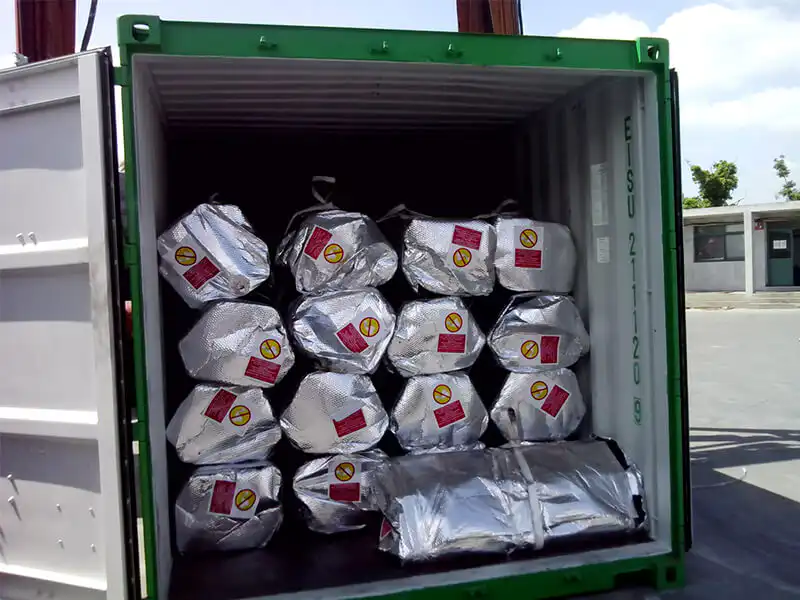
A distant second source solves regional concentration risk. It also brings longer, less predictable shipping, more customs complexity, and a relationship that’s naturally slower to communicate and solve problems with than a nearby one. Weigh these costs honestly against the specific regional risk being mitigated. Geographic diversification is not an unambiguous win — it trades one risk for a different, smaller set of operational ones.
You Don’t Need Equal Volume Split to Get Real Protection
A cross-region source doesn’t require 50/50 allocation to provide meaningful protection. The right split reflects how much weight the OEM actually places on the regional risk, balanced against the logistics cost of running real volume through the more distant source. A smaller allocation — just enough to keep the relationship genuinely production-ready — often delivers most of the protective value without the full logistics cost of an even split.
Keeping a distant second source “warm” takes more deliberate effort than keeping a nearby one warm. Proximity creates natural ongoing contact that distance doesn’t.
A nearby second source stays engaged with specifications and quality expectations simply through routine order flow. A distant one, with only occasional token orders, can drift out of real readiness to scale up quickly. A minimum regular order volume and planned periodic technical reviews compensate for the natural engagement a closer relationship gets for free.
Currency Exposure Compounds, It Doesn’t Just Add
Beyond the landed cost math already familiar to anyone comparing cross-border quotes, a cross-region second source means managing currency exposure across two distinct supply relationships simultaneously, not just one. This ongoing overhead exists even at low order volume with the distant source, and it should factor into how much relative weight that source gets in the overall sourcing strategy.
Why Qualification Shouldn’t Be Lighter Just Because It’s Harder to Arrange
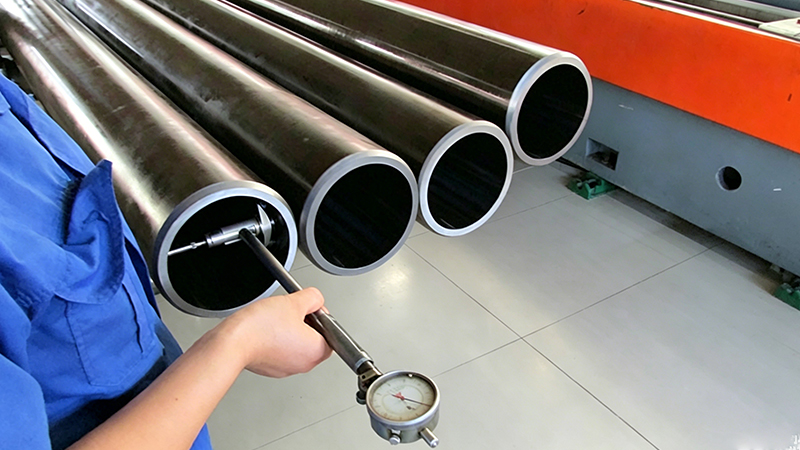
A distant supplier deserves exactly the same qualification rigor as a nearby one — dimensional verification, material certs, trial production runs assembled and tested under representative conditions. Geography changes the logistics of qualifying, not what qualification is actually meant to confirm. Resist any temptation to apply a lighter standard simply because the process is more cumbersome across distance.
Time Zones Are a Real Operational Cost
Managing a cross-region relationship day to day means working around time zone gaps and naturally less frequent direct contact than a nearby supplier relationship involves — which slows routine technical questions, change notifications, and quality issue resolution. Scheduled regular check-ins and clear escalation paths compensate for friction that a nearby relationship doesn’t generate in the first place.
Trade Policy Doesn’t Stay Static After the Decision Is Made
A cross-region source chosen to protect against regional risk can itself become exposed to a different risk category later — a tariff change, a trade policy shift specific to that country. Monitor this on an ongoing basis. The original sourcing decision isn’t a fixed arrangement immune to policy changes that happen years after it was made.
This Decision Should Be Revisited, Not Set Once
An OEM’s appropriate dual-sourcing geography isn’t permanent. A company expanding into new markets, facing regulatory change, or shifting which regional risks matter most should periodically revisit whether the existing geography still addresses today’s actual exposure — treating it as a standing question revisited at each strategic planning cycle, not a decision made once early on and left unexamined for years.
Timing the Decision to Your Own Growth Stage
An OEM doesn’t need to qualify a cross-region second source immediately upon recognizing the regional concentration risk. The right timing depends on how much current volume and growth trajectory can support the added qualification effort and ongoing relationship management, balanced against how urgently the regional risk needs addressing given current geopolitical and supply chain conditions. A smaller or earlier-stage OEM with limited internal resources might reasonably defer until volume justifies the investment. A larger OEM with more at stake from a regional disruption may want to move sooner, even at modest current volume — and qualification itself takes time, so it shouldn’t be rushed once the decision is made.
Put the Risk Assessment in Writing
Proposing the added cost and complexity of a cross-region source to internal stakeholders — finance, senior leadership — is easier with a written risk assessment that quantifies, even approximately, the potential cost of a regional disruption against the ongoing cost of maintaining the relationship. A general argument that geographic diversification is “good practice” doesn’t carry the same weight. This document also becomes a useful reference later if the relationship’s value is ever questioned during a cost-cutting review, preserving the original reasoning for someone evaluating it without the original context.
Give the Relationship a Named Owner
A cross-region relationship that nobody specifically owns internally tends to drift toward neglect over time — the added complexity of managing it across time zones and distance makes it an easy thing to deprioritize when attention is scarce. Assign explicit ownership to a specific individual or team, with clear expectations about maintaining qualification status and order cadence. This protects against the relationship quietly becoming less ready than assumed, a problem that usually only becomes visible at the worst possible moment: when the OEM actually needs to lean on it during a real primary-source disruption.
What Happens If the Distant Source Never Actually Gets Used
Some OEMs qualify a cross-region second source, run a small ongoing order volume to keep it warm, and never actually experience the disruption the relationship was designed to protect against — which can raise an internal question years later about whether the ongoing cost and management attention was ever worth it. This is the wrong way to evaluate an insurance-style decision. A cross-region second source that never gets called upon isn’t a failed investment any more than insurance that never pays a claim is a wasted expense — the value was in the protection existing during the years it wasn’t needed, not in some eventual payout that justifies the cost retroactively. An OEM questioning whether to maintain the relationship should evaluate it against the current and forward-looking risk picture, not against whether a specific disruption happened to occur during the years already elapsed.
Why the Qualification Documentation Should Travel With the Relationship, Not Live in One Person’s Memory
A cross-region supplier relationship qualified years ago, with the qualification process and decisions documented primarily in the memory of whoever ran it at the time, becomes vulnerable the moment that person moves to a different role or leaves the company. A new team member inheriting the relationship without access to the original qualification rationale, test data, and ongoing performance history has to either trust the relationship blindly or re-qualify it from scratch, both of which are worse outcomes than simply maintaining accessible documentation from the start. Treating the qualification record as an institutional asset, not a personal one, protects the relationship’s value from depending on any single individual’s continued presence at the company.
Why a Simple Annual Drill Beats Assuming the Cross-Region Source Will Perform When Called Upon
An OEM maintaining a cross-region second source for exactly the scenario where the primary supplier becomes unavailable should periodically test that assumption rather than simply trusting it, through a deliberate drill — placing a larger-than-usual order with the cross-region source to confirm it can actually scale up within the timeframe the OEM would need in a real disruption. **This kind of periodic stress test reveals whether the “warm” relationship is genuinely ready to scale, rather than discovering a capacity or responsiveness gap for the first time during an actual primary-source crisis, when there’s no room left to absorb a surprise and the schedule pressure is already real. An annual drill, run once, costs far less than the disruption it’s designed to catch early, and it gives the OEM a realistic basis for deciding whether the current cross-region arrangement would actually hold up under the pressure it exists to absorb, rather than hoping it would without ever having actually checked.
The Decision in Summary
Same-region dual-sourcing and cross-region dual-sourcing solve different problems. Confusing them produces a strategy that feels protective without actually covering the specific risk that matters most to a given OEM’s situation. Get clear on which risk is actually the priority before choosing the geography, and revisit that choice as the business and its exposure change over time, rather than treating an early decision as permanently settled.
Related Reading
- How Should an OEM Decide Whether to Dual-Source Honed Tube or Stay With One Supplier?
- How Much Does Switching Honed Tube Suppliers Actually Cost an Equipment Manufacturer, Beyond the Unit Price?
- Honed Tube Wall Thickness and Pressure Rating: A Selection Guide
Discuss a Cross-Region Dual-Sourcing Strategy
Evaluating whether your second honed tube source should be geographically diversified? Talk with our team about how to structure a qualification and volume allocation plan.
What We Offer
- Transparent lead time and logistics guidance to support cross-region sourcing decisions
- Flexible volume allocation options to keep a secondary relationship genuinely production-ready
- Consistent quality documentation that supports qualification regardless of order volume
- Technical collaboration to maintain specification alignment across a distributed supply base
Contact EAST AI (eaihydraulic.com) Email: market@east-ai.com Phone: +86 13771568763 Address: Wuxi, Jiangsu, China.