
Why Cold Drawn Tubes Are Not Always the Final Product
Cold drawn steel tubes are widely used in precision mechanical applications because the process can provide improved dimensional control and mechanical characteristics compared with conventional hot-finished tubes.
However, hydraulic cylinder manufacturing places additional requirements on the internal working surface of the tube. The piston and sealing system move directly inside the bore, meaning the internal condition of the tube becomes an important part of cylinder performance.
This is where honing becomes important. A cold drawn tube can provide the basic geometry and material foundation, while precision honing further prepares the internal bore for hydraulic cylinder operation.
What Does Honing Do?
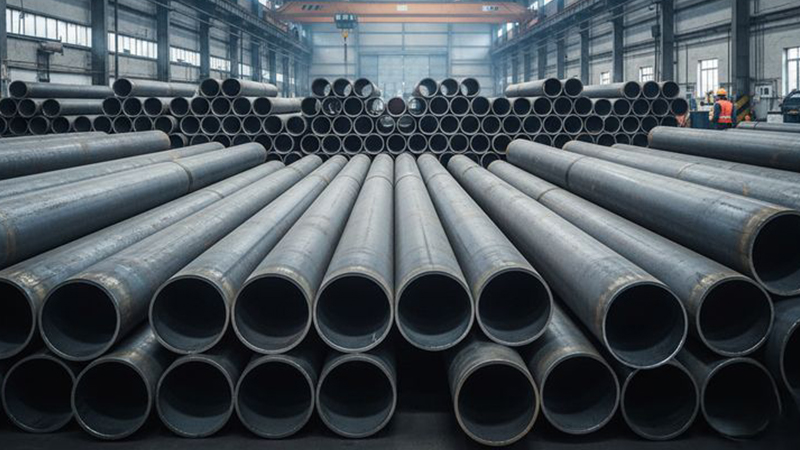
Honing is a precision machining process used to improve the internal surface and dimensional characteristics of a tube.
The objective is not simply to make the bore look smoother. Honing allows manufacturers to control the internal working surface so that it is better suited to the movement of pistons and interaction with hydraulic seals.
The final honed condition depends on the tube condition before honing, the machining process, tooling, process control, and inspection.
For hydraulic cylinder manufacturers, the value of honing comes from the controlled working surface it creates inside the tube.
Cold Drawing and Honing Perform Different Jobs
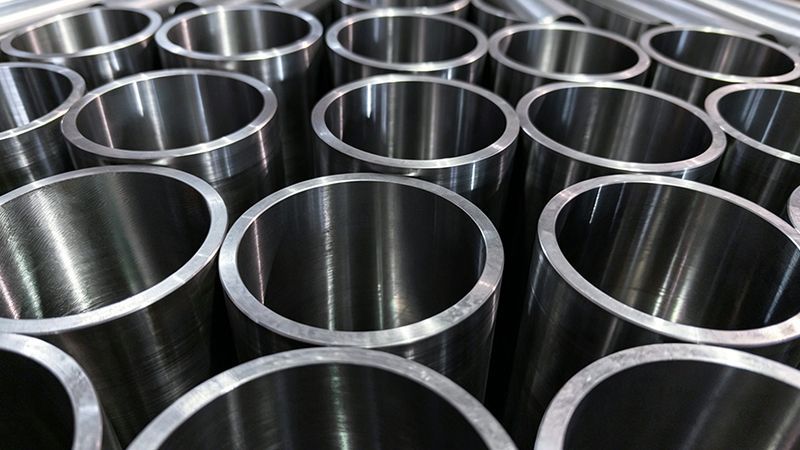
Cold drawing and honing should not be considered competing processes. They serve different purposes within precision tube manufacturing.
Cold drawing helps establish the tube’s basic dimensional and mechanical characteristics. Honing then focuses on the internal bore and working surface required for the final hydraulic cylinder application.
Using these processes together allows manufacturers to move from a steel tube toward a precision component designed specifically for hydraulic cylinder production.
This distinction is important when evaluating the manufacturing route of a honed tube.
Why the Internal Bore Matters in a Hydraulic Cylinder
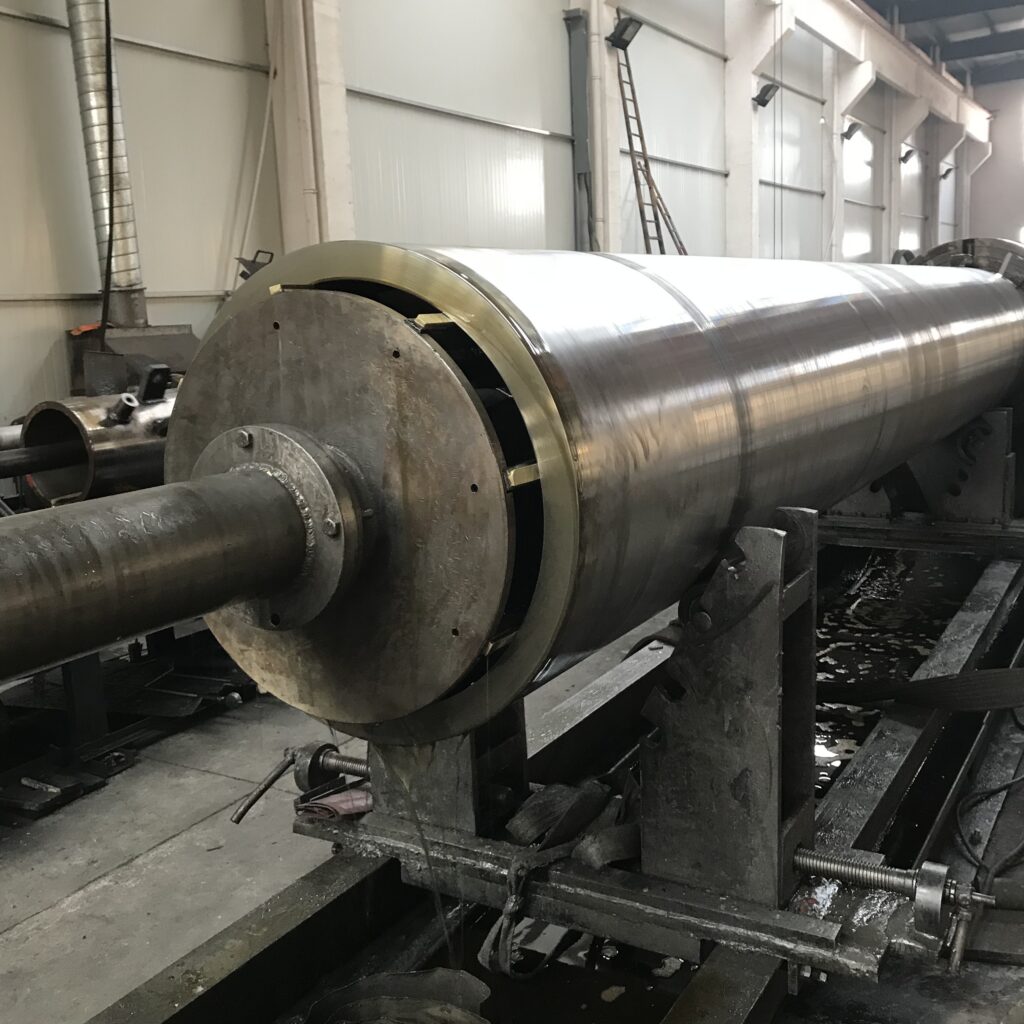
The piston moves repeatedly inside the cylinder tube, while the sealing system works to maintain hydraulic pressure between different chambers.
This means the internal bore must provide a stable working environment. Variations in geometry or surface condition can affect friction, sealing behavior, and component wear.
For this reason, the internal bore is one of the most important characteristics of a hydraulic cylinder tube.
A properly processed honed tube helps create the conditions required for consistent piston movement and reliable sealing.
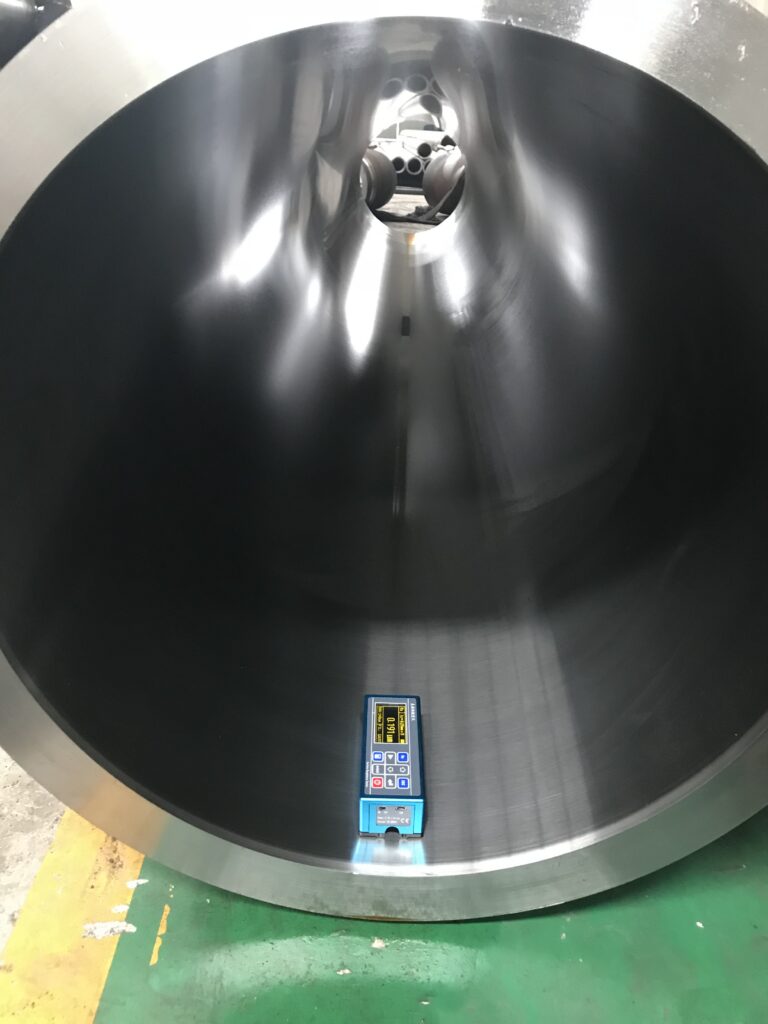
Honing and Surface Quality
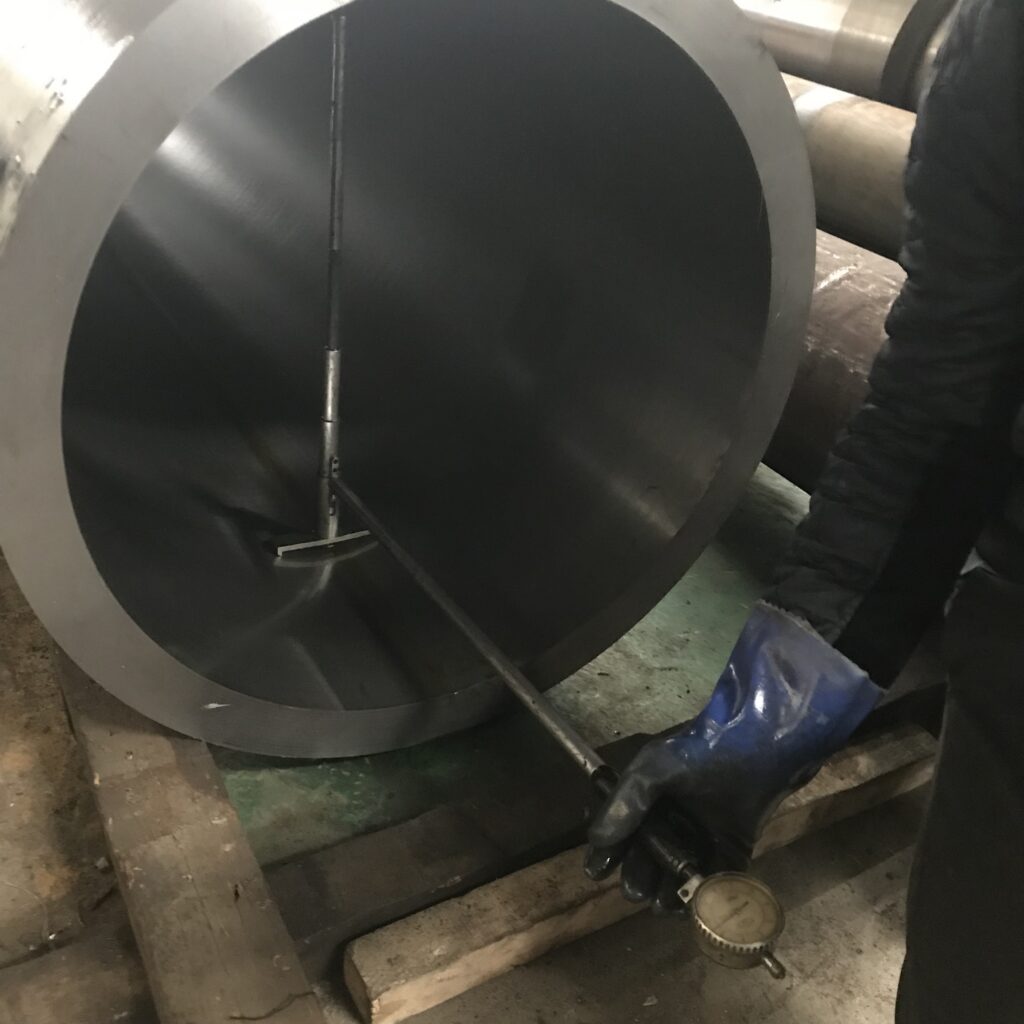
Surface quality has a direct relationship with how moving components interact with the tube.
An unsuitable internal surface can increase friction or contribute to premature seal wear. A properly controlled surface provides a more predictable interface for the piston and sealing system.
However, surface quality should not be evaluated independently from dimensional accuracy. Both characteristics need to meet the requirements of the hydraulic cylinder design.
For OEM manufacturers, maintaining this balance across production batches is particularly important.
Why Honing Quality Matters for OEM Production
A hydraulic cylinder manufacturer may use large quantities of tubes during repeated production. If the internal characteristics of the tubes vary significantly from one batch to another, assembly and final cylinder performance can also become less predictable.
This is why professional tube manufacturing requires process control rather than relying only on final inspection.
Stable production conditions, suitable tooling, dimensional measurement, and surface inspection all contribute to consistent honed tube quality.
For OEM customers, consistency can be just as important as the nominal specification.
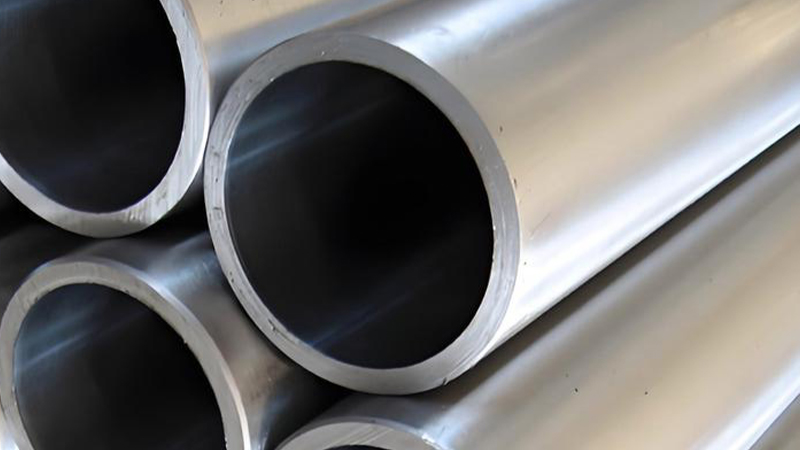
How Honed Tubes Support Hydraulic Cylinder Sealing
Hydraulic seals need to maintain pressure while the piston moves repeatedly inside the cylinder.
The interaction between the seal and tube surface therefore becomes an important part of cylinder reliability.
A correctly manufactured honed tube provides a controlled internal working surface that supports this interaction. When combined with a suitable piston and sealing system, it can help reduce unnecessary friction and maintain stable cylinder performance.
The tube itself does not guarantee sealing performance, but it provides an important part of the environment in which the sealing system operates.
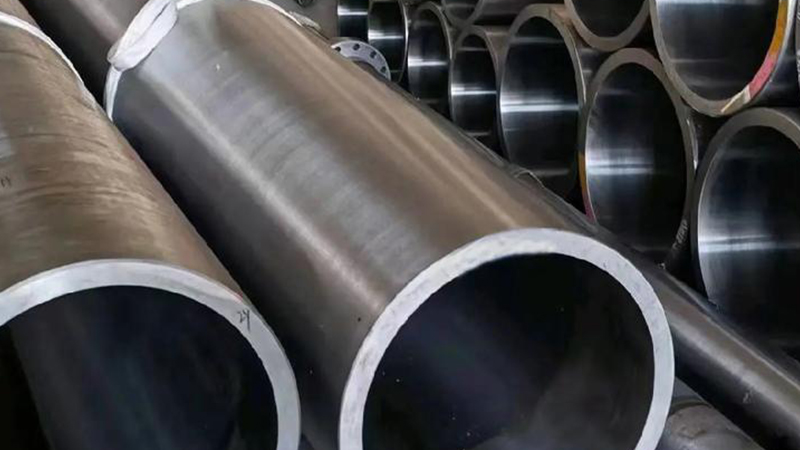
Honed Tube Selection Should Start With the Cylinder Design
A tube should not be selected simply because it is described as a honed tube.
The required bore, tolerance, tube length, material, surface characteristics, application, and operating conditions all need to be considered.
Construction machinery, industrial equipment, agricultural machinery, and other hydraulic applications can have very different requirements.
A suitable honed tube is therefore one that matches the complete cylinder design rather than one that simply meets a generic specification.
What Buyers Should Ask About the Manufacturing Process
When purchasing honed tubes, buyers should understand how the product is manufactured and controlled.
Important questions include the starting tube condition, material control, dimensional processing, honing process, internal surface inspection, straightness control, and final inspection.
For long-term OEM cooperation, it is also useful to understand whether the supplier can maintain the same process and quality level across repeated batches.
This information provides a better indication of manufacturing capability than a product description alone.
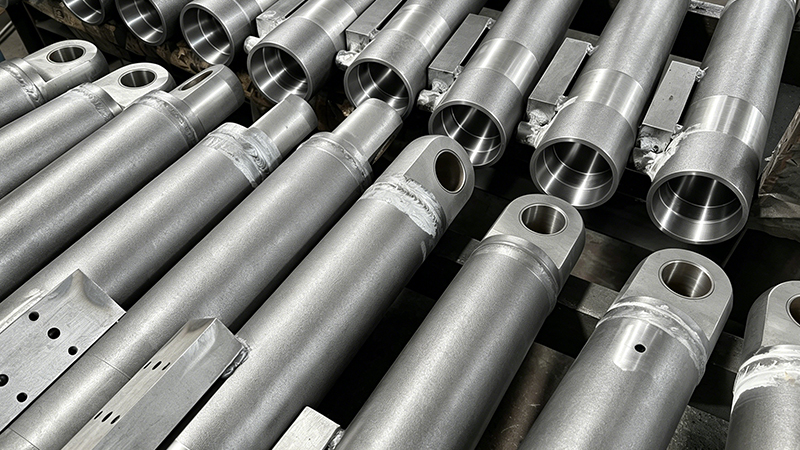
Honed Tube as Part of a Complete Hydraulic Cylinder Solution
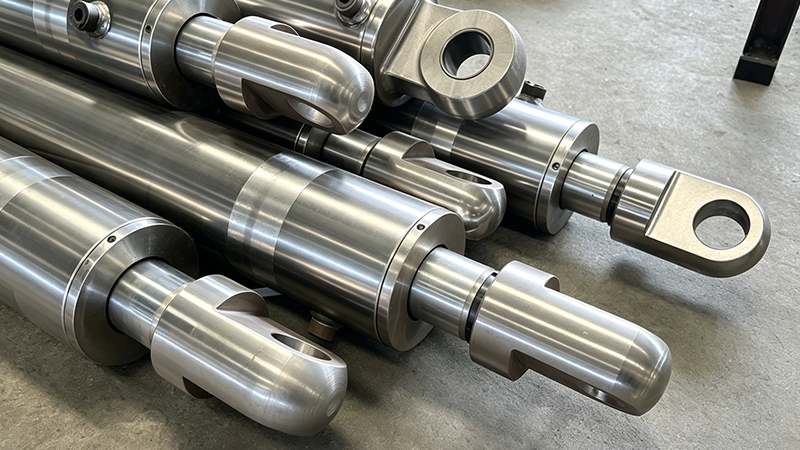
The honed tube is one of the core components of a hydraulic cylinder, but it works together with the piston, seals, piston rod, guide elements, and mounting structure.
For this reason, tube selection should be considered within the complete hydraulic cylinder application.
The correct tube provides a stable foundation for piston movement and sealing. The correct piston rod and sealing system then need to be matched to the same operating requirements.
This approach allows component selection to become part of a complete hydraulic cylinder solution rather than an isolated purchasing decision.
Frequently Asked Questions
Why does a cold drawn tube need honing?
Cold drawing provides the basic tube characteristics, while honing further improves the internal bore and working surface required for hydraulic cylinder applications.
Is honing only used to make the tube smoother?
No. Honing is a precision machining process used to control the internal working surface and dimensional characteristics of the tube.
Why is the internal surface important for hydraulic cylinders?
The piston and sealing system operate directly inside the tube, so the bore condition influences movement, friction, sealing behavior, and wear.
Does honing determine the entire quality of a hydraulic cylinder tube?
No. Material quality, starting tube condition, machining, honing, dimensional control, and inspection all contribute to the final product.
Why is batch consistency important?
Consistent tube characteristics help hydraulic cylinder manufacturers maintain stable assembly conditions and predictable product performance across repeated production.
Related Products & Applications
Construction Machinery Hydraulic Applications
Industrial Hydraulic Applications

Need Technical Support?
A honed tube is not simply a cold drawn tube with an additional finishing step. The honing process creates the internal working characteristics required for reliable hydraulic cylinder operation.
EAST AI supplies precision honed tubes for hydraulic cylinder manufacturers with a focus on controlled manufacturing, consistent quality, and OEM production requirements.