
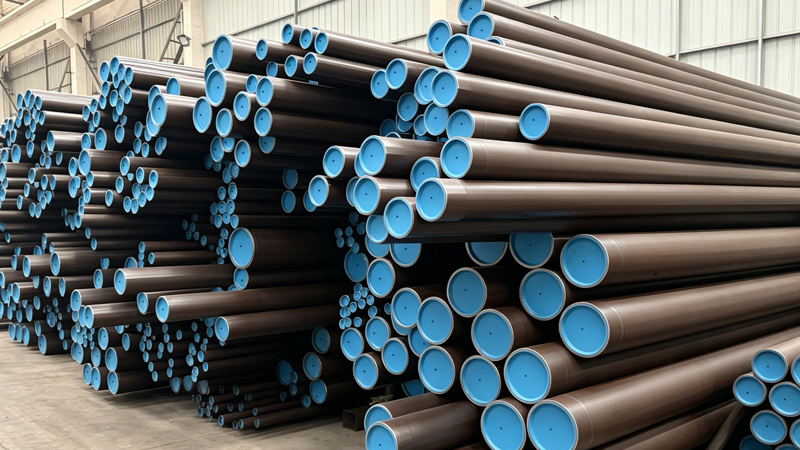
Why Straightness Matters in a Hydraulic Cylinder Tube
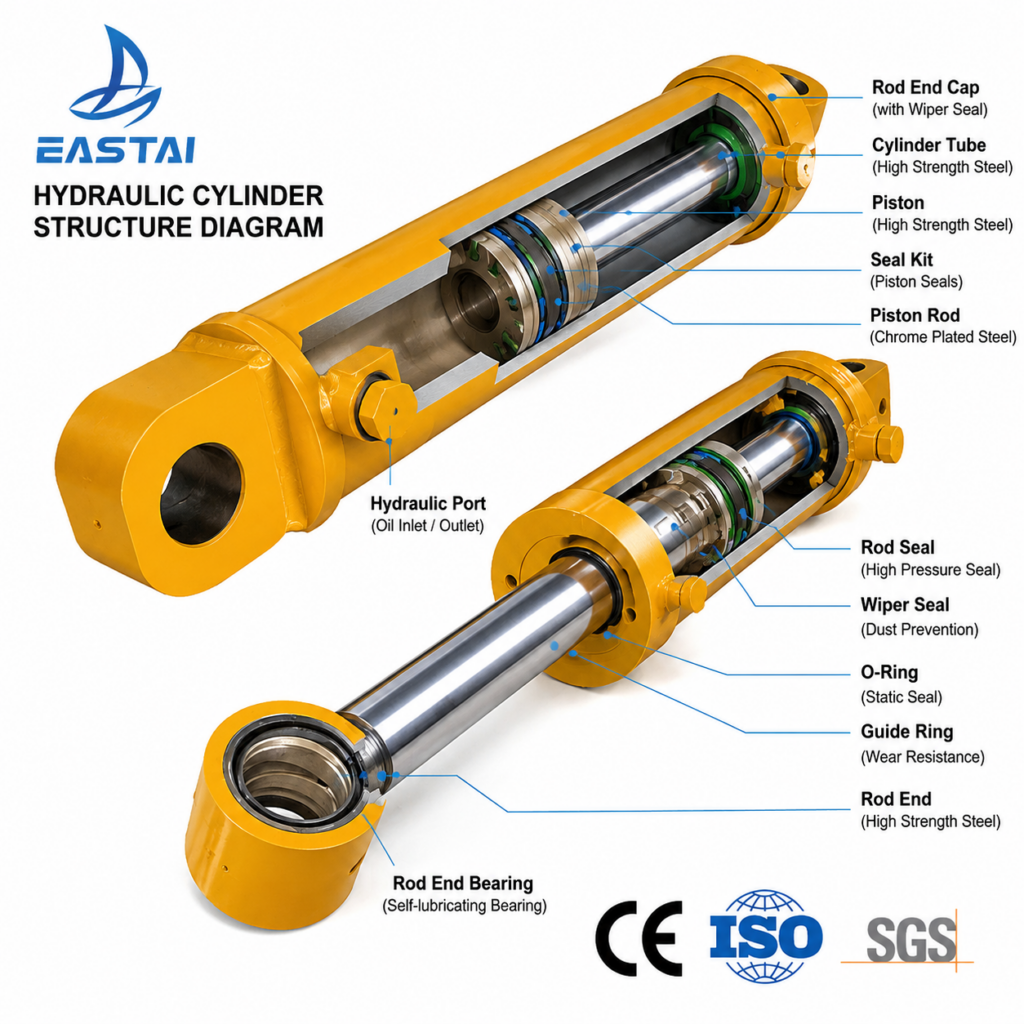
A hydraulic cylinder tube is not simply a container for hydraulic oil. Its internal bore provides the working path for the piston, seals, and guiding components throughout the cylinder’s operating cycle. Because these components move repeatedly inside the tube, the geometry of the tube can have a direct influence on how the cylinder performs.
Straightness is one of the dimensional characteristics that should be considered when evaluating a honed tube. If the tube is not sufficiently straight for the intended application, the piston assembly may experience uneven movement or additional mechanical loading as it travels through the bore. For hydraulic cylinder manufacturers, this becomes increasingly important as cylinder length and stroke increase.
A suitable honed tube therefore needs to provide not only the required bore and surface condition, but also dimensional characteristics that are compatible with the complete cylinder design.
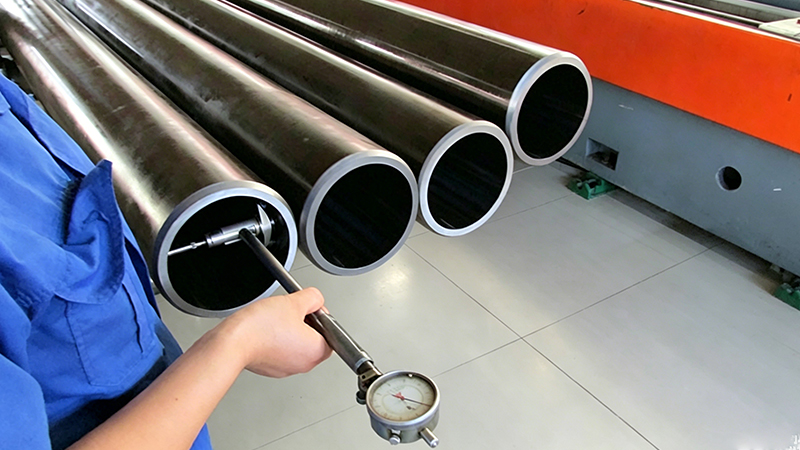
What Does Honed Tube Straightness Mean?
Tube straightness describes how closely the actual tube follows a straight reference line over its specified length. In practical hydraulic cylinder manufacturing, this characteristic helps determine whether the piston and related components can move through the cylinder without unnecessary geometric interference.
Straightness should not be confused with bore tolerance. Bore tolerance describes the dimensional variation of the internal diameter, while straightness describes the overall geometric condition of the tube.
A tube can meet its specified bore dimension and still require attention to straightness. This is why hydraulic cylinder tube specifications normally need to be evaluated as a complete set rather than focusing on a single dimensional value.
How Poor Straightness Can Affect Piston Movement
The piston needs to travel through the cylinder tube along a controlled path. If the tube geometry deviates excessively from the required straight condition, the piston and guiding components may encounter additional resistance during movement.
This can become more noticeable in longer cylinders because the piston travels through a greater length of tube. The longer the working path, the more important the relationship between tube geometry and the movement of internal components becomes.
For equipment manufacturers, stable piston movement is particularly important in applications where the cylinder operates frequently or where controlled positioning is required.
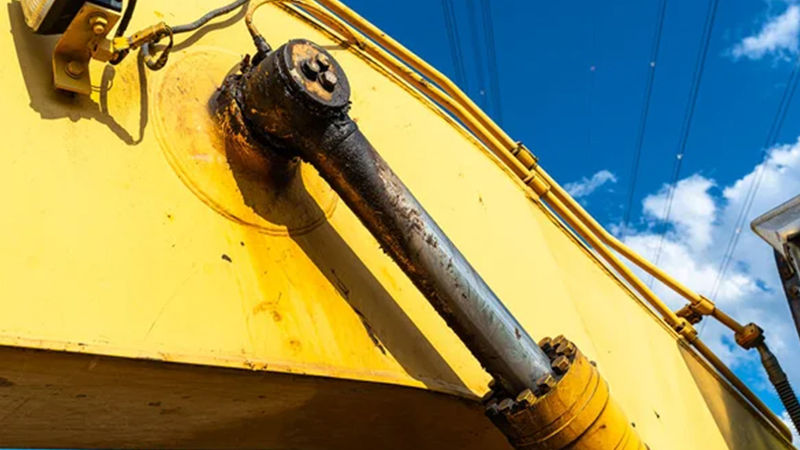
The Relationship Between Straightness and Sealing
Hydraulic seals are designed to maintain pressure while allowing the piston to move through the cylinder. Their performance depends on the relationship between the seal, piston, and internal tube surface.
If the internal geometry creates excessive variation during movement, the sealing system may experience uneven loading or movement. Over time, this can contribute to increased friction or wear depending on the design and operating conditions.
Straightness is therefore not an isolated dimensional requirement. It forms part of the overall geometry that allows the piston and sealing system to work correctly.
Why Long Hydraulic Cylinders Require More Attention
Straightness becomes particularly relevant when the hydraulic cylinder has a long tube or long stroke.
A short cylinder has a relatively limited working path, while a long cylinder requires the piston and rod assembly to travel through a much greater distance. Small geometric deviations can therefore become more significant across the complete working length.
Long-stroke cylinders used in industrial equipment, construction machinery, agricultural machinery, and other mobile applications may require closer attention to tube geometry during component selection.
For these applications, the tube specification should be established according to the actual cylinder design rather than using a generic value for every application.
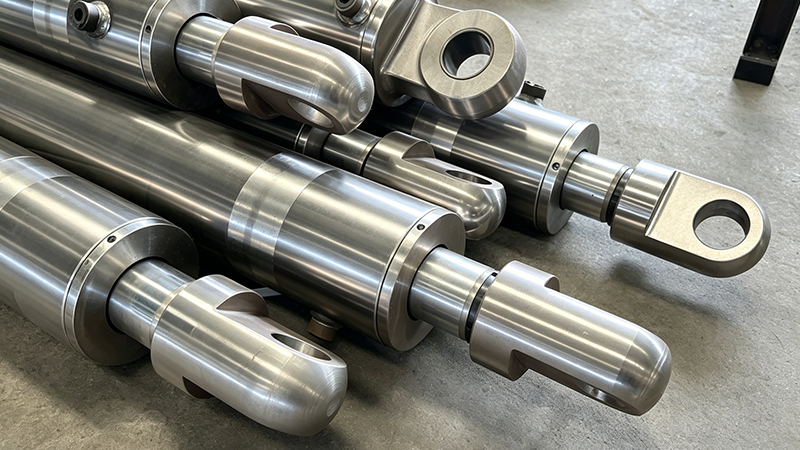
Straightness, Bore and Surface Quality Work Together
Straightness is only one part of honed tube quality.
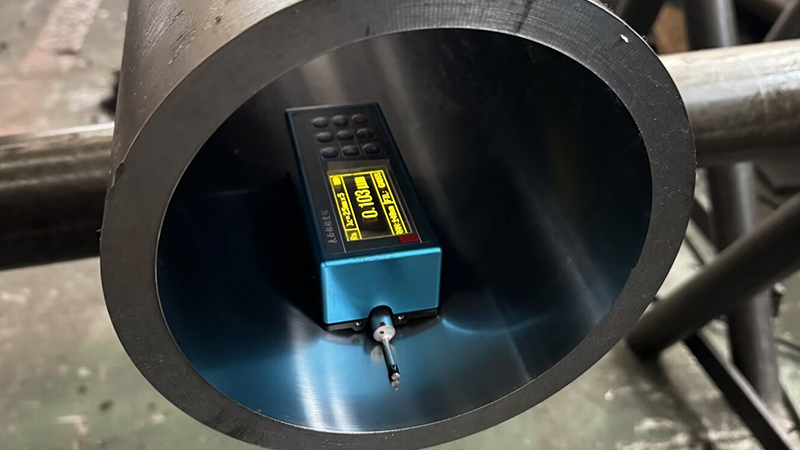
The internal bore dimension determines the relationship between the tube and piston assembly. Surface quality affects how the piston and sealing system interact with the internal wall. Straightness describes the overall geometric condition through the tube length.
These characteristics work together during cylinder operation.
A tube that has suitable bore dimensions but unsuitable surface quality may still create problems. Similarly, a tube with a suitable surface condition but inadequate geometry may not provide the expected piston movement.
This is why professional honed tube selection needs to consider dimensional accuracy, surface condition, straightness, material, and application requirements together.
Why Straightness Matters for OEM Production
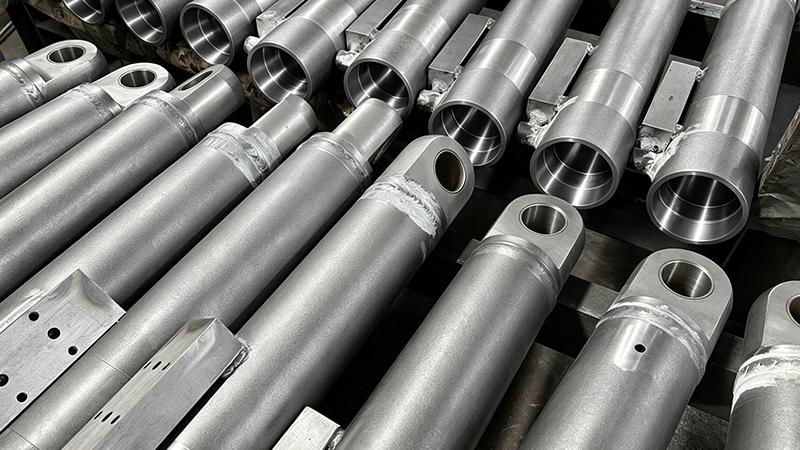
For OEM hydraulic cylinder manufacturers, the requirement is normally not one acceptable tube. The manufacturer needs repeated deliveries that remain consistent enough to support stable assembly and predictable cylinder performance.
Variations in tube geometry can create additional production challenges, especially when cylinders are manufactured in larger quantities or when the same tube specification is used across multiple production batches.
Stable manufacturing and inspection processes therefore become important when purchasing honed tubes for OEM applications.
The objective is not simply to obtain a tube that meets a specification once, but to establish a reliable component supply that remains consistent over time.
How Application Conditions Influence Tube Requirements
Not every hydraulic cylinder has the same requirements.
A cylinder used for controlled industrial movement may have different requirements from one used on an excavator or heavy-duty mobile machine. Operating load, stroke, speed, mounting arrangement, environmental conditions, and duty cycle can all influence the appropriate tube specification.
This means straightness should always be evaluated in the context of the complete application.
For demanding hydraulic systems, engineers may need to consider tube geometry together with piston design, guiding components, sealing requirements, and cylinder length.
What Should Buyers Check When Ordering Honed Tubes?
When purchasing honed tubes, buyers should provide more than a material grade and nominal bore.
The complete specification may need to include bore dimensions, tolerance, tube length, straightness requirements, surface characteristics, material, and inspection requirements.
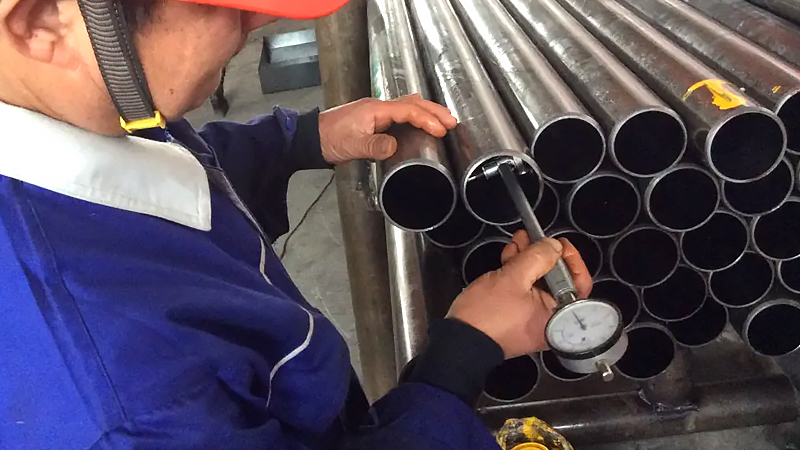
It is also important to understand how the supplier controls these characteristics during production. A supplier’s ability to maintain consistent quality across repeated batches can be especially important for OEM customers.
Clear specifications reduce misunderstandings and make it easier for both sides to evaluate whether the supplied tube is suitable for the intended hydraulic cylinder.
Why Manufacturing Control Matters
Straightness is influenced by the condition of the starting tube, manufacturing processes, handling, machining, honing, and final inspection. It should therefore be controlled throughout production rather than treated as a characteristic that can only be checked at the end.
For precision hydraulic cylinder tubes, process consistency provides a stronger foundation for final product consistency.
This is particularly relevant for customers who require repeat orders. A stable process makes it easier to maintain the same product characteristics from one batch to the next.
Straightness as Part of a Complete Hydraulic Cylinder Solution
The purpose of a honed tube is not simply to satisfy a dimensional drawing. It needs to provide the internal working environment required by the complete hydraulic cylinder.
The tube works together with the piston, seals, guiding components, piston rod, and hydraulic system. If the cylinder is designed for long stroke or demanding operating conditions, the relationship between these components becomes even more important.
This is why tube selection should begin with the actual application and cylinder design rather than starting from a generic tube catalogue.
When Should You Pay More Attention to Straightness?
Straightness deserves particular attention when the cylinder has a long working length, long stroke, demanding movement requirements, high operating frequency, or tight assembly requirements.
It can also become more important when the hydraulic cylinder is part of equipment where positioning accuracy, smooth movement, or long service life is commercially important.
In these situations, buyers should communicate the complete cylinder requirements to the tube supplier so that the appropriate specification can be established before production.
Frequently Asked Questions
What is honed tube straightness?
Honed tube straightness describes how closely the tube maintains a straight geometric path over its specified length.
Is straightness the same as bore tolerance?
No. Bore tolerance concerns the dimensional variation of the internal diameter, while straightness concerns the overall geometry of the tube.
Why is straightness important for hydraulic cylinders?
The piston and guiding components move through the tube, so tube geometry can influence movement, friction, sealing behavior, and overall cylinder performance.
Is straightness more important for long hydraulic cylinders?
Long tubes and long-stroke cylinders generally require greater attention to geometry because the piston travels through a longer working path.
Should buyers specify straightness when ordering honed tubes?
Yes, when straightness is relevant to the cylinder design, it should be included in the technical specification together with bore, tolerance, surface requirements, material, and length.
Does good straightness alone guarantee good hydraulic cylinder performance?
No. Material quality, bore accuracy, surface condition, piston design, seals, guiding components, rod quality, and operating conditions also influence the final cylinder.
Related Products & Applications
Hydraulic Cylinder Applications
Construction Machinery Hydraulic Applications
Industrial Hydraulic Applications

Need Technical Support?
Honed tube straightness is one of the dimensional characteristics that can influence how reliably a hydraulic cylinder operates. For longer cylinders and demanding applications, tube geometry should be considered together with bore accuracy, surface condition, material, and the complete cylinder design.
EAST AI supplies precision honed tubes for hydraulic cylinder manufacturers with a focus on controlled manufacturing, consistent quality, and OEM production requirements.