
Introduction
In hydraulic systems, pressure loss is rarely an immediate failure.
Most of the time, it develops slowly. The system still works, but performance becomes unstable over time. Operators may notice that force output is weaker, holding pressure is inconsistent, or the cycle time becomes slightly longer than usual.
Because the change is gradual, it is often misinterpreted as normal wear or pump-related issues, while the real cause may be inside the hydraulic cylinder itself or its interaction with the system.
1. What Pressure Loss Looks Like in Real Applications
In field operation, pressure loss is usually not obvious at the beginning. Typical signs include:
- Reduced holding force under load
- Slight delay in actuator response
- Inconsistent stroke performance
- System needing longer time to reach working pressure
At this stage, the system is still functional, so the issue is often ignored or compensated by increasing pump output.
2. Why This Problem Is Often Misdiagnosed
One common mistake in field troubleshooting is assuming pressure loss always comes from the pump or valve system.
In reality, the hydraulic cylinder itself can contribute significantly to the issue.
Because the system is interconnected, small internal inefficiencies are often amplified across the entire circuit.
3. Main Causes Behind Gradual Pressure Loss
Based on engineering inspection experience, the most common contributing factors are:
3.1 Internal Leakage inside Cylinder
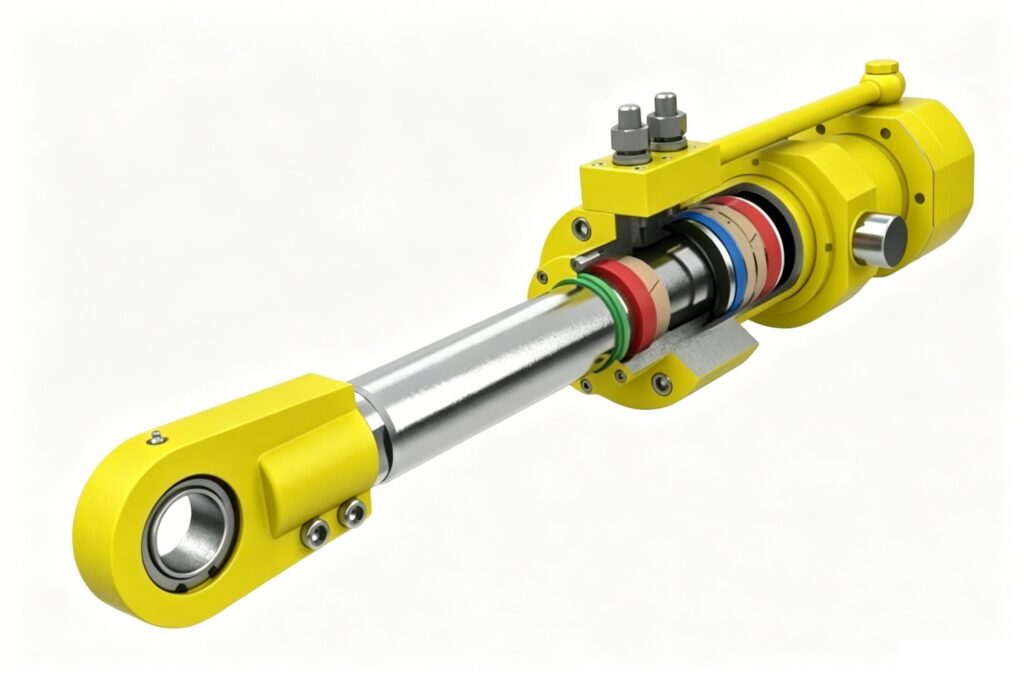
Even minor internal leakage between piston and cylinder wall can slowly reduce system pressure.
This does not usually cause immediate failure, but it creates continuous performance drift.
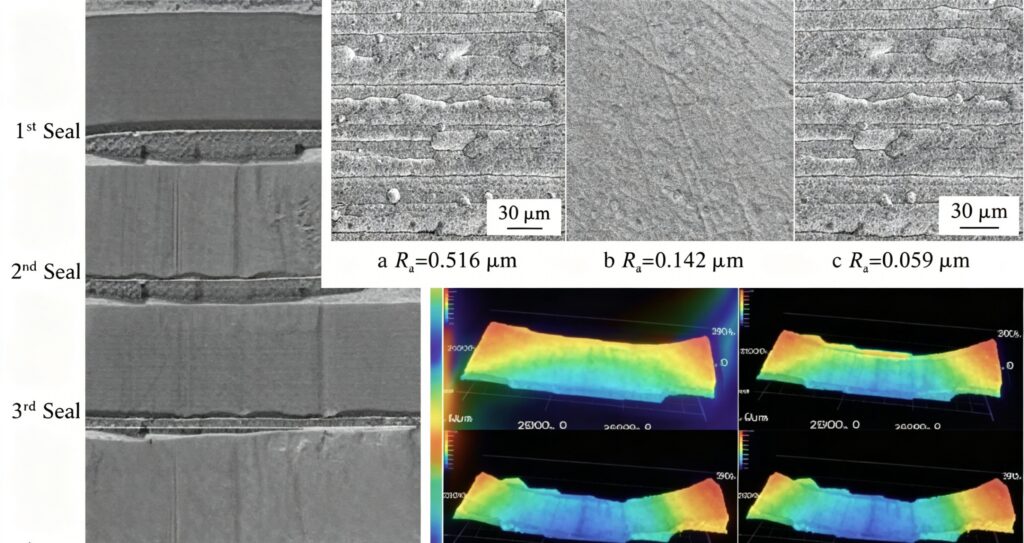
3.2 Seal Wear and Surface Condition Degradation
When sealing surfaces or rod conditions are not stable, micro-level leakage paths begin to form.
Over time, this affects pressure retention more noticeably under load conditions.
3.3 Tolerance Accumulation in System Components
Hydraulic systems are sensitive to accumulated tolerances across components.
Even if each part is within specification, combined deviation can lead to:
- Reduced sealing efficiency
- Loss of pressure stability
- Increased internal bypass flow
3.4 Fluid Contamination Impact
Contaminated hydraulic oil introduces wear particles into the system.
These particles accelerate internal abrasion and gradually increase leakage rates.
Reference Page:Hydraulic cylinder process
4. How Engineers Typically Diagnose It
In real maintenance work, pressure loss is usually diagnosed step by step:
- Check external leakage first
- Measure system pressure under load
- Compare pump output with actuator response
- Inspect cylinder internal sealing condition
- Analyze oil contamination level
Only after separating system-side and actuator-side behavior can the real cause be confirmed.
5. Engineering Approach to Stabilize Pressure
Instead of focusing on a single component, the effective approach is system consistency:
- Improve sealing system stability inside cylinder
- Control machining tolerance of piston and tube
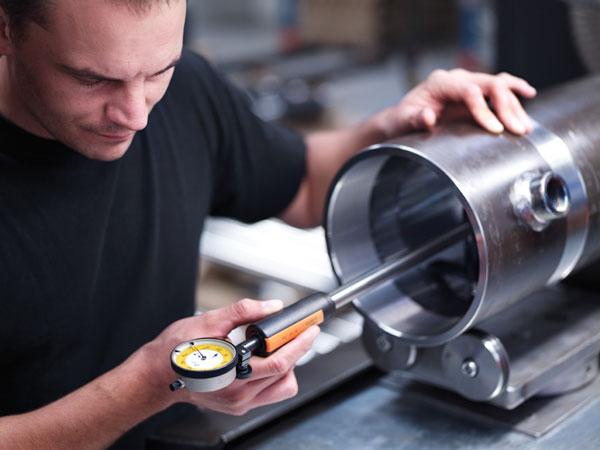
- Ensure surface finish consistency (honing quality)
- Maintain clean hydraulic fluid conditions
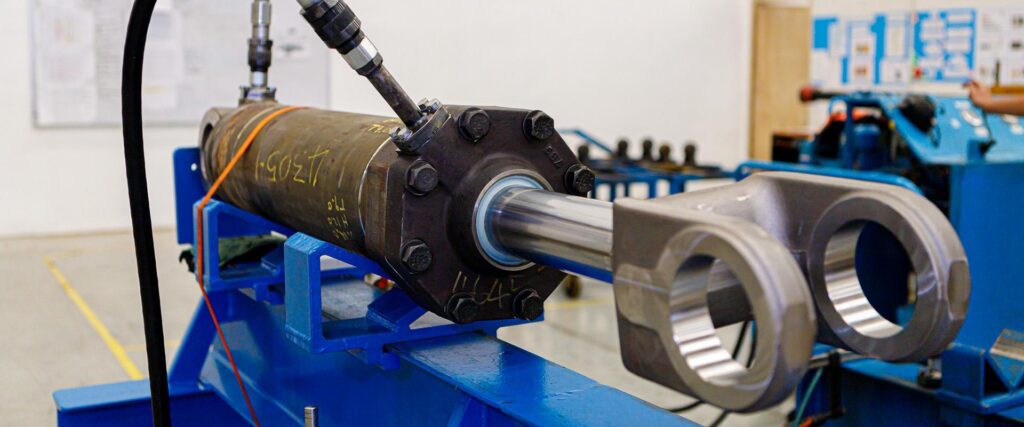
- Perform pressure testing before delivery
The key objective is not increasing maximum performance, but maintaining stable pressure behavior over time.
6. Engineering Insight
In most real cases, gradual pressure loss is not caused by a single failure point.
It is usually the result of combined effects:
- Small internal leakage
- Seal wear progression
- Surface condition degradation
- System contamination accumulation
This is why replacing only one component often does not fully solve the problem.
7. Where This Problem Commonly Appears
This type of issue is frequently found in:
- Construction machinery hydraulic systems
- Industrial press equipment
- Continuous duty hydraulic applications
- Heavy load automation systems
8. Engineering Support
If hydraulic systems show gradual pressure loss, reduced holding force, or unstable performance, it is recommended to evaluate both system components and cylinder internal conditions together.
EAST AI provides hydraulic cylinder components including rods, honed tubes, and custom hydraulic parts manufactured according to engineering drawings and application requirements.
Technical discussion and evaluation are available for OEM manufacturers and industrial equipment users.
Why does hydraulic pressure drop over time instead of suddenly?
Because internal leakage and wear develop gradually rather than immediate failure.
Is pressure loss always caused by the pump?
No. Hydraulic cylinders and seals can also contribute significantly to pressure instability.
Can contaminated oil cause pressure loss?
Yes. Contaminants accelerate wear and increase internal leakage.
How can pressure loss be diagnosed?
By separating pump output, valve performance, and cylinder internal behavior step by step.
Can pressure loss be fixed without replacing the cylinder?
In some cases yes, if the root cause is contamination or system-level imbalance.
📩 Contact Engineering Support
If you are experiencing gradual pressure loss or unstable hydraulic performance, our engineering team can help analyze whether the issue is related to cylinder internal condition, machining consistency, or system contamination.
We support custom hydraulic cylinder components and engineering-level evaluation based on real application requirements.