
Written by Alex, Production Engineer at EAST AI
Mining equipment doesn’t run gently. A rope shovel, a rotary drill mast, or a crusher hydraulic circuit sees repeated shock loading, continuous vibration, and some of the most abrasive airborne contamination any hydraulic system deals with. The honed tube in that cylinder isn’t working under the same conditions as a clean industrial press, and specifying it like it is tends to end in early bore wear or seal failure.
We’ve supplied honed tube into enough mining OEM and rebuild programs to know the failure modes here are dominated by wear resistance and impact tolerance rather than the corrosion or fatigue concerns that drive spec decisions in other industries.
Why Wall Thickness Gets Priority Over Everything Else
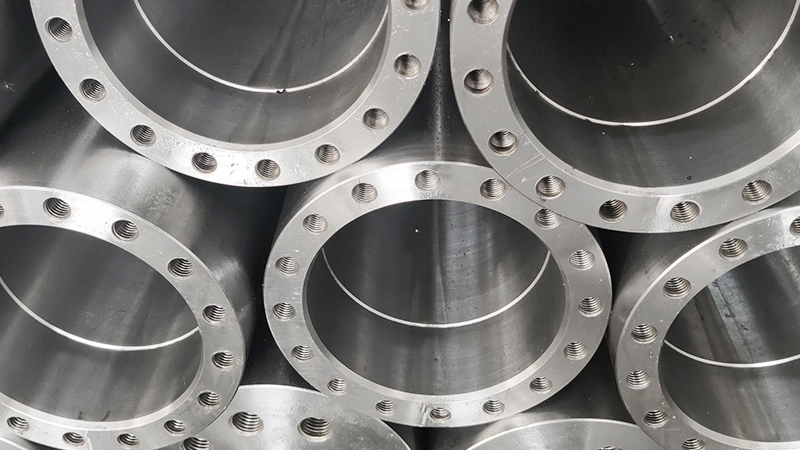
Large-tonnage mining equipment runs at higher working pressures and takes more shock loading than almost any other hydraulic application, so wall thickness margin matters more here than in general industrial cylinders running at moderate, steady pressure. We typically recommend sizing wall thickness with more margin above the minimum calculated requirement for shovel, drill, and crusher cylinders than we would for a comparable-bore industrial ram.
This isn’t about over-engineering for its own sake — a mining cylinder that’s marginal on wall thickness and then takes an unexpected pressure spike from a hydraulic shock event is the cylinder that cracks or deforms, and replacing a large-bore mining cylinder tube isn’t a quick turnaround for most operations.
Bore Hardness for Abrasive Contamination
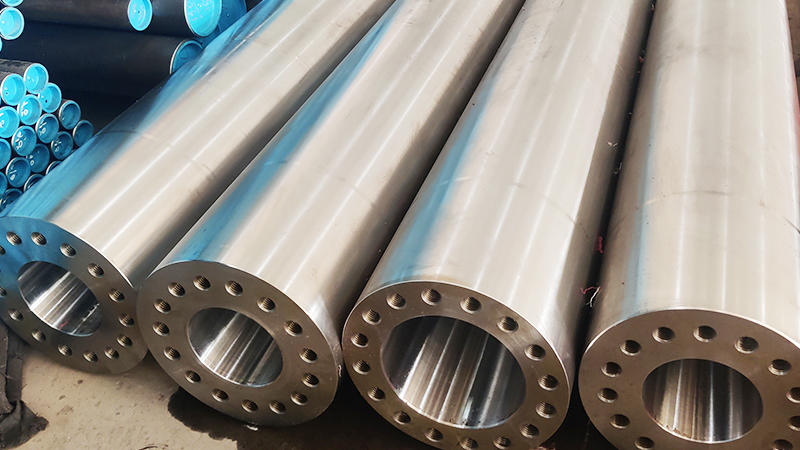
Dust ingress in a mining environment is heavier and more abrasive than field dust in agriculture or general construction — it often carries a higher mineral content that behaves more like grinding compound than soft dirt once it gets past a seal. A honed bore’s surface hardness becomes a real wear-life factor here, not just a theoretical spec line.
For mining-duty cylinders, we frequently recommend alloy grades with better inherent wear resistance over standard carbon steel honed tube, even when the pressure rating alone wouldn’t require the upgrade. The material choice is driven by contamination tolerance as much as by pressure.
Straightness Under Reciprocating Shock Load
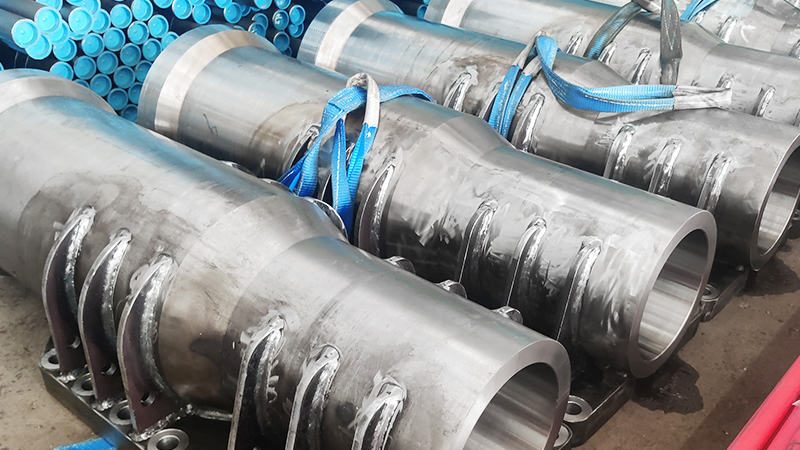
Mining cylinders — particularly on crushers and vibrating equipment — see repeated shock cycling that puts more stress on tube straightness than steady-state loading does. A tube that’s straight enough for a slow-cycling application can still develop premature seal wear on a shock-loaded mining cylinder if the straightness tolerance wasn’t held tight enough to begin with.
We hold tighter straightness tolerances for cylinders we know are going into shock-loaded mining service, because the failure mode here — one-sided seal wear from a slightly bowed tube — gets accelerated dramatically by repeated impact rather than gradual wear.
A Field Issue Worth Knowing About
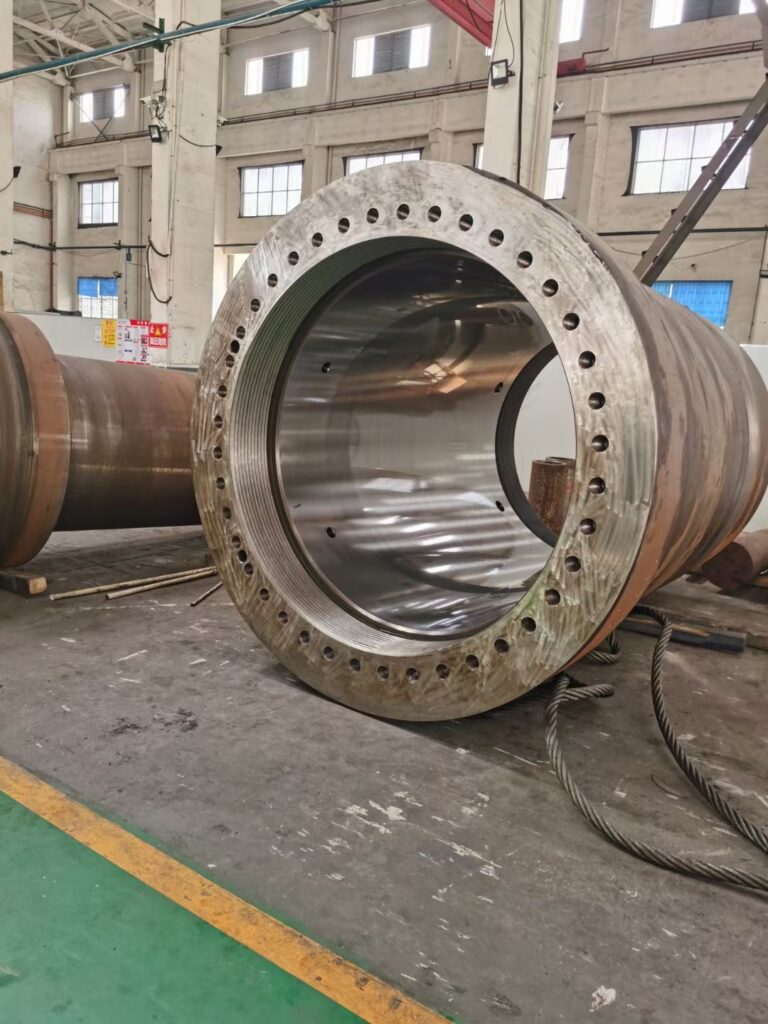
One pattern we’ve seen from mining equipment rebuilders: a crusher cylinder gets rebuilt with new seals and a tube that passes standard dimensional inspection, but the bore wears through to base metal within a fraction of the expected service interval. On inspection, the honed tube itself was a standard industrial grade rather than a wear-optimized mining grade — dimensionally correct, but not matched to the abrasive dust loading the crusher actually sees.
Once the rebuild spec was updated to a harder-wearing tube grade with the appropriate surface finish for high-contamination duty, the wear interval returned to what the equipment was originally designed for. The dimensional spec had never been wrong — the material grade was.
How We Support Mining Equipment Programs
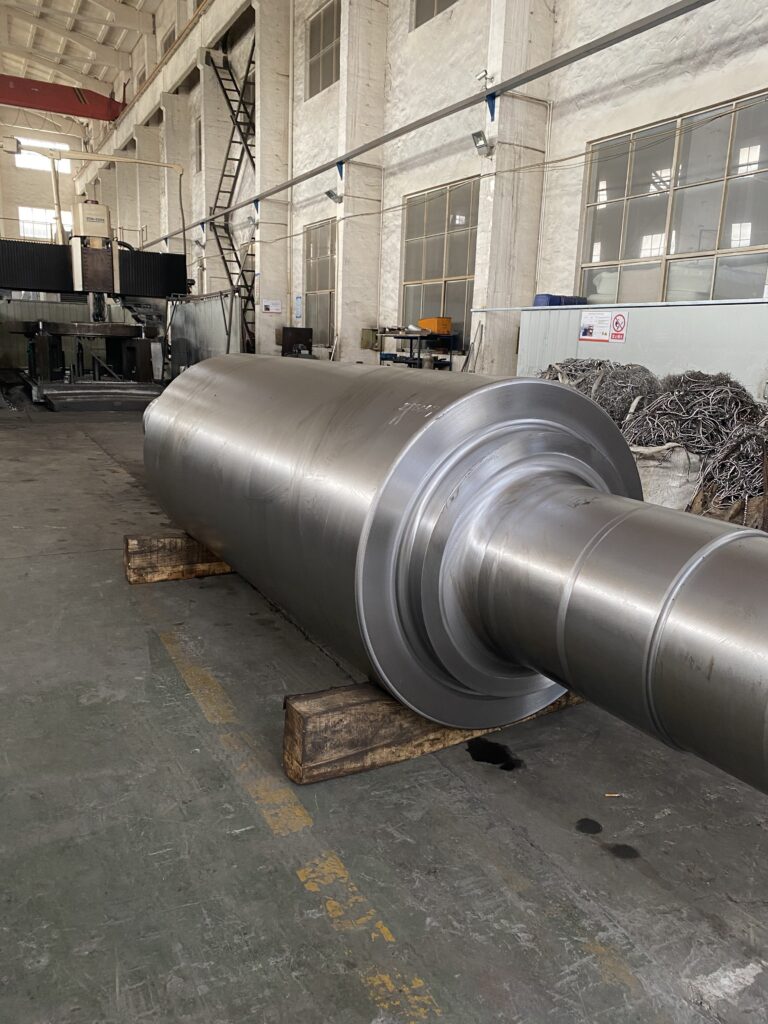
Mining cylinder orders often come with less flexibility on lead time than other industries, because a down crusher or shovel has a direct production cost every day it’s out of service. We keep raw material stock positioned for the larger bore sizes and higher-wear grades common in mining applications specifically so a rebuild or replacement order doesn’t sit behind unrelated production.
Every batch still goes through full dimensional and surface inspection regardless of order urgency, because a rush order for mining equipment deserves the same consistency check as a scheduled one — arguably more, given how the equipment will be used.
What to Send With Your RFQ
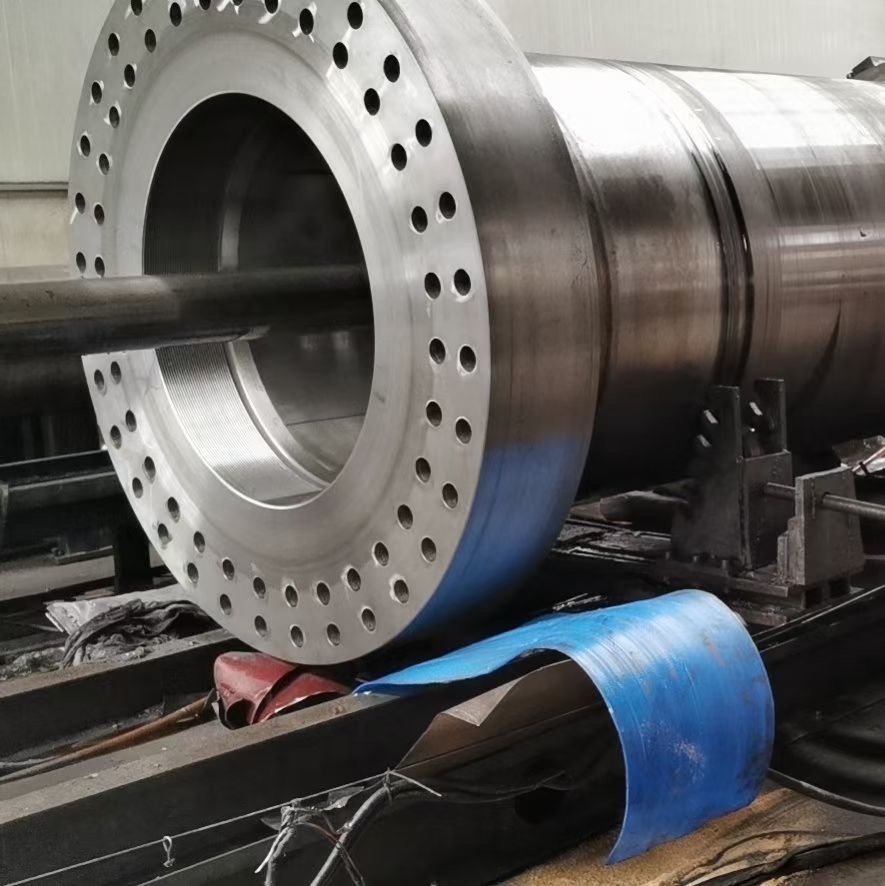
Send us bore diameter and tolerance, tube length, working pressure including any known shock loading events, and the specific equipment type (shovel, drill, crusher, or loader). This last detail changes our material grade and straightness recommendation more than people usually expect from mining customers.
Frequently Asked Questions
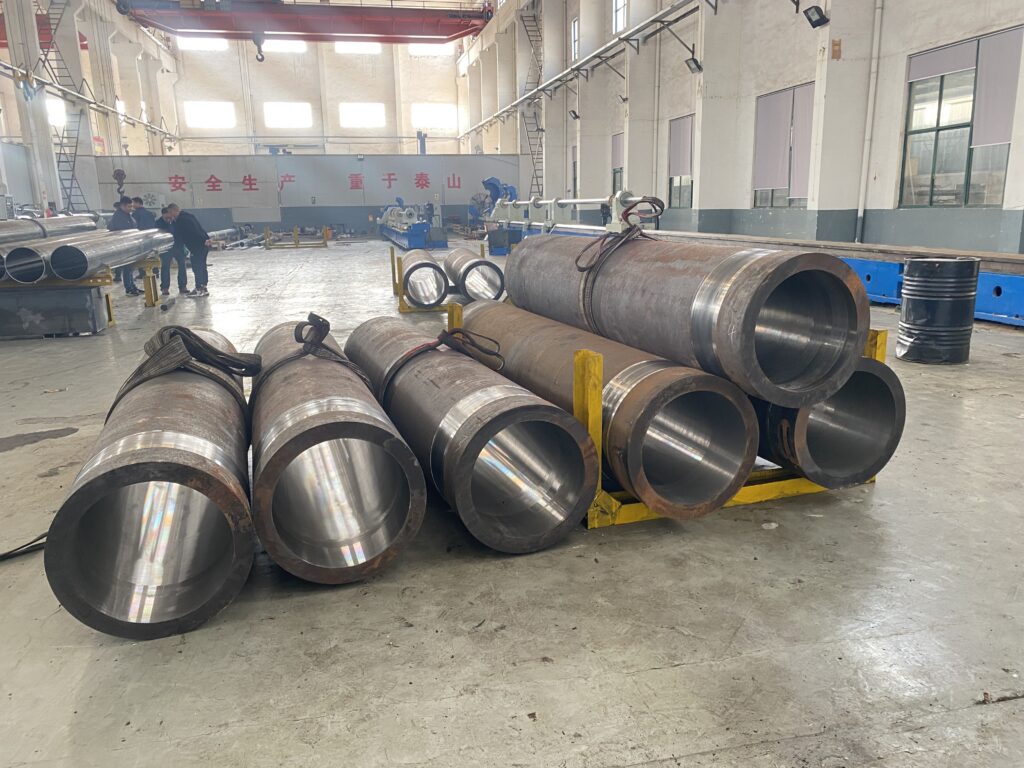
Does mining equipment need a different honed tube grade than general industrial equipment? Often yes. Mining cylinders typically see heavier abrasive contamination and more shock loading, which favors alloy grades with better inherent wear resistance over standard carbon steel honed tube, even at similar pressure ratings.
Why does wall thickness margin matter more for mining cylinders? Mining equipment is more prone to pressure spikes from shock loading events, so extra wall thickness margin above the calculated minimum reduces the risk of cracking or deformation under an unexpected load spike.
Can EAST AI supply larger-bore honed tube for mining equipment on shorter lead times? We keep raw material positioned for common mining bore sizes and wear grades to support faster turnaround, since mining equipment downtime carries a direct production cost for most operations.
Is straightness tolerance different for shock-loaded mining cylinders? We typically hold tighter straightness tolerances for known shock-loaded applications like crushers, because a slightly bowed tube leads to one-sided seal wear that gets accelerated by repeated impact loading.
References & Further Reading
Internal resources:
- Honed Tube Product Range
- Hydraulic Cylinders for Mining and Heavy Machinery
- Hydraulic Cylinder Product Range
External references:
- ISO 9001:2015, Quality Management Systems — Requirements, referenced for our batch-inspection process: iso.org
- National Fluid Power Association (NFPA), the leading standards body for the hydraulic and pneumatic industry, referenced for general fluid power industry context: nfpa.com
Tell Us Your Equipment Type, Not Just Your Bore Size
If you’re sourcing honed tube for shovel, drill, crusher, or loader cylinders, tell us the equipment type and any known shock loading pattern along with your dimensions. It’s a detail that changes our material and straightness recommendation, and it’s the difference between a tube that lasts a normal service interval and one that wears through early.