
Written by Alex, Production Engineer at EAST AI
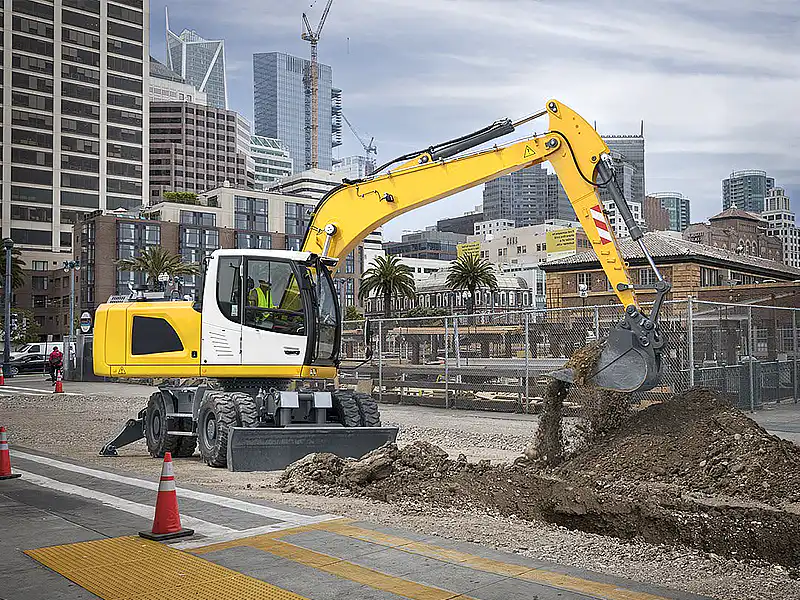
An excavator has three main hydraulic cylinders — boom, arm, and bucket — and they don’t all experience the same loading even though they’re often quoted as if one wall thickness spec fits all three. The bucket cylinder, closest to the digging edge, typically sees the highest instantaneous force during breakout, while the boom cylinder deals with more sustained load-bearing duty. Treating all three the same on wall thickness is a common way to either over-spend on two cylinders or under-spec the one that needs the most margin.
We’ve supplied honed tube into enough excavator OEM and aftermarket rebuild programs to know that the boom, arm, and bucket distinction matters more than most customers initially assume when they send us a single bore and pressure spec for “excavator cylinders.”
Why Bucket Cylinders See the Highest Peak Loads
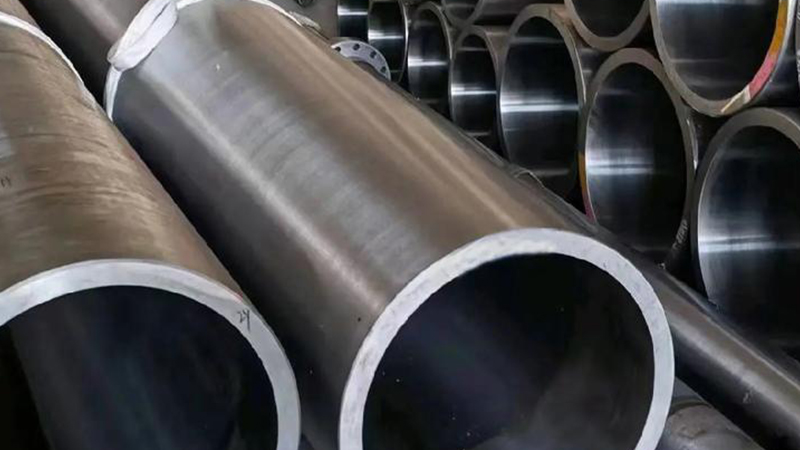
Breakout force — the force applied when the bucket digs into resistant material — generates some of the highest instantaneous loads anywhere on the machine, concentrated through the bucket cylinder specifically. This peak load is often higher than the machine’s rated hydraulic system pressure would suggest on its own, because breakout can involve genuine mechanical resistance beyond normal hydraulic circuit behavior, particularly when an operator works against rock or compacted material.
We typically recommend the most conservative wall thickness margin of the three cylinder types for bucket cylinders specifically, even when boom and arm cylinders on the same machine can run closer to standard calculated minimums.
Boom Cylinders: Sustained Load, Different Failure Pattern
Boom cylinders carry sustained load-bearing duty — holding the boom up, controlling descent — more than the sharp, momentary peak loading that characterizes bucket cylinder duty. This sustained-load pattern makes boom cylinder wall thickness decisions more about long-term fatigue and consistent pressure-holding than about surviving momentary shock, which is a meaningfully different design consideration even at a similar working pressure rating.
Arm Cylinders: A Combination of Both
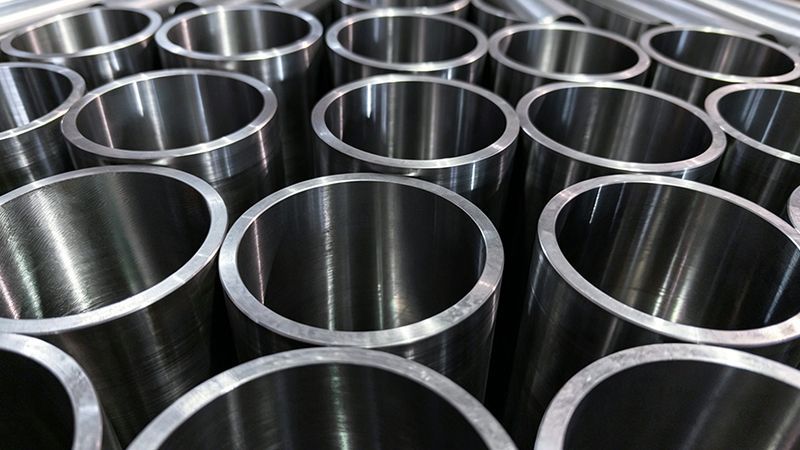
Arm cylinders typically see a combination of the sustained loading pattern common to boom cylinders and some of the shock loading common to bucket cylinders, depending on the digging motion and material resistance. We generally treat arm cylinder wall thickness as an intermediate case between boom and bucket, rather than defaulting to whichever of the two specs was already established for the machine.
Straightness and Bore Finish Under Reciprocating Digging Cycles
Excavator digging cycles are fast and repetitive through a full shift, and the reciprocating motion puts real demand on straightness tolerance and bore surface finish, similar to the shock-loading concerns we cover for crusher and mining equipment. A tube that’s marginal on straightness shows this wear pattern faster on an excavator working a full daily digging cycle than it would on slower-cycling equipment.
A Field Issue Worth Knowing About
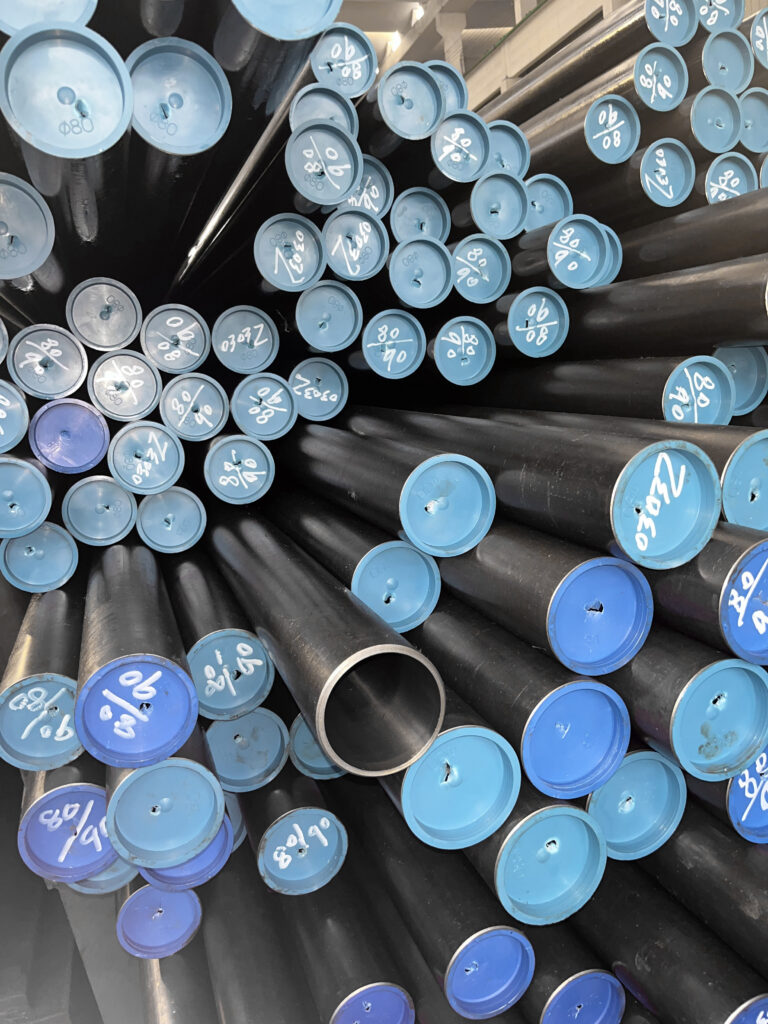
One pattern we’ve seen from excavator rebuild shops: a bucket cylinder tube fails prematurely under normal digging duty while boom and arm cylinders on the same machine, rebuilt with the same tube grade and wall thickness, show no issue at all. The wall thickness that was adequate for boom and arm duty wasn’t sized with enough margin for the bucket cylinder’s actual breakout force profile, because all three cylinders had been rebuilt to a single shared spec rather than differentiated by position.
Once the bucket cylinder was upgraded to a thicker-wall tube sized specifically for breakout force, the recurring failure stopped, while boom and arm cylinders continued running on their original, lighter spec without issue. This is a useful example of why a single “excavator cylinder” spec line often isn’t precise enough.
How We Support Excavator OEM and Rebuild Programs
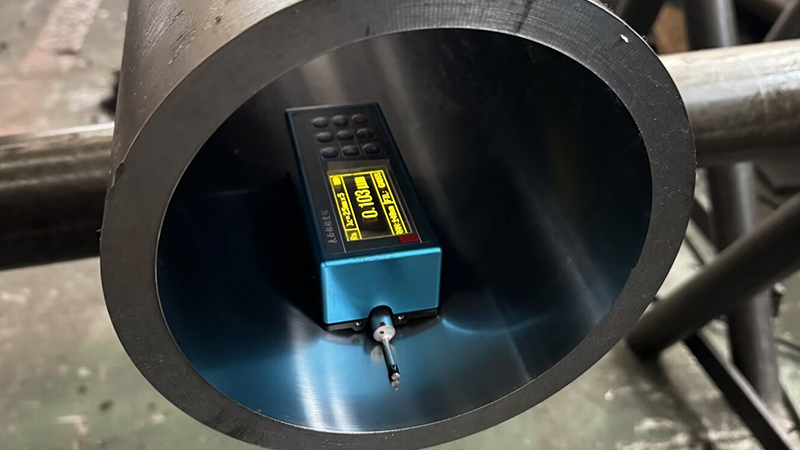
We work with both excavator OEMs specifying new-build cylinders and rebuild shops replacing failed cylinders in the field, and we ask which of the three cylinder positions — boom, arm, or bucket — a given tube is for specifically, rather than quoting a single generic “excavator cylinder” spec across all three. This single question changes our wall thickness and straightness recommendation meaningfully.
What to Send With Your RFQ
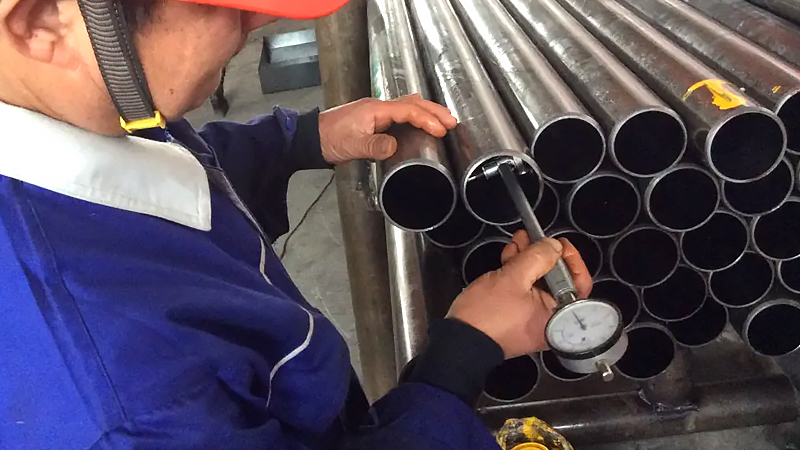
Send us bore diameter, working pressure, and specifically which cylinder position (boom, arm, or bucket) the tube is for. If you know the machine’s rated breakout force or have experienced a specific failure pattern on a previous tube, share that too — it helps us confirm the right wall thickness margin for that position.
Frequently Asked Questions
Do boom, arm, and bucket cylinders on an excavator need different honed tube specs? Often yes. Bucket cylinders typically see the highest peak loads from breakout force, boom cylinders see more sustained load-bearing duty, and arm cylinders fall somewhere between the two — treating all three identically can under-spec the bucket cylinder or over-spec the other two.
Why does breakout force matter more than rated hydraulic pressure for bucket cylinder wall thickness? Breakout force involves real mechanical resistance from the material being dug, which can generate instantaneous loads higher than the machine’s rated hydraulic system pressure alone would suggest, particularly when working against rock or compacted ground.
Can EAST AI supply different wall thickness specs for boom, arm, and bucket cylinders on the same machine? Yes, and we recommend it. Specifying by cylinder position rather than a single shared “excavator cylinder” spec lets us size wall thickness appropriately for each cylinder’s actual loading pattern.
Does digging cycle speed affect straightness requirements? Yes. Fast, repetitive digging cycles put more demand on straightness tolerance and bore finish than slower-cycling equipment, similar to the shock-loading concerns relevant to crusher and mining equipment.
References & Further Reading
Internal resources:
- Honed Tube Product Range
- Hydraulic Cylinders for Construction Machinery
- Hydraulic Cylinder Product Range
External references:
- ISO 9001:2015, Quality Management Systems — Requirements, referenced for our batch-inspection process: iso.org
- National Fluid Power Association (NFPA), the leading standards body for the hydraulic and pneumatic industry, referenced for general fluid power industry context: nfpa.com
Tell Us the Cylinder Position, Not Just “Excavator Cylinder”
If you’re sourcing honed tube for excavator cylinders, tell us whether it’s for the boom, arm, or bucket position specifically. It’s a small detail that changes our wall thickness recommendation meaningfully, and it’s usually the difference between a tube that lasts the machine’s normal service interval and one that fails early under breakout load.