
A cylinder builder once asked why two chrome plated rods, both finished to the same diameter, the same chrome thickness, and the same visible surface quality, behaved so differently under a bending load: one rod ran true for years on a demanding excavator boom cylinder, while an apparently identical rod on a similar duty developed a slight permanent bend after eighteen months. The chrome on both rods was fine. The difference was hidden beneath it, in the base steel core: one rod was built on a plain carbon steel bar, adequate for moderate loads, and the other was built on an alloy steel bar chosen for its higher strength and better resistance to bending under sustained side load. The chrome plating protects the surface. It does not change what is holding the rod straight underneath.
This article is for cylinder builders and procurement engineers specifying chrome plated rod, and it explains why the base steel core deserves as much specification attention as the chrome layer, and how to choose between carbon steel and alloy steel cores for different duty levels.
Chrome Is the Skin, Not the Skeleton
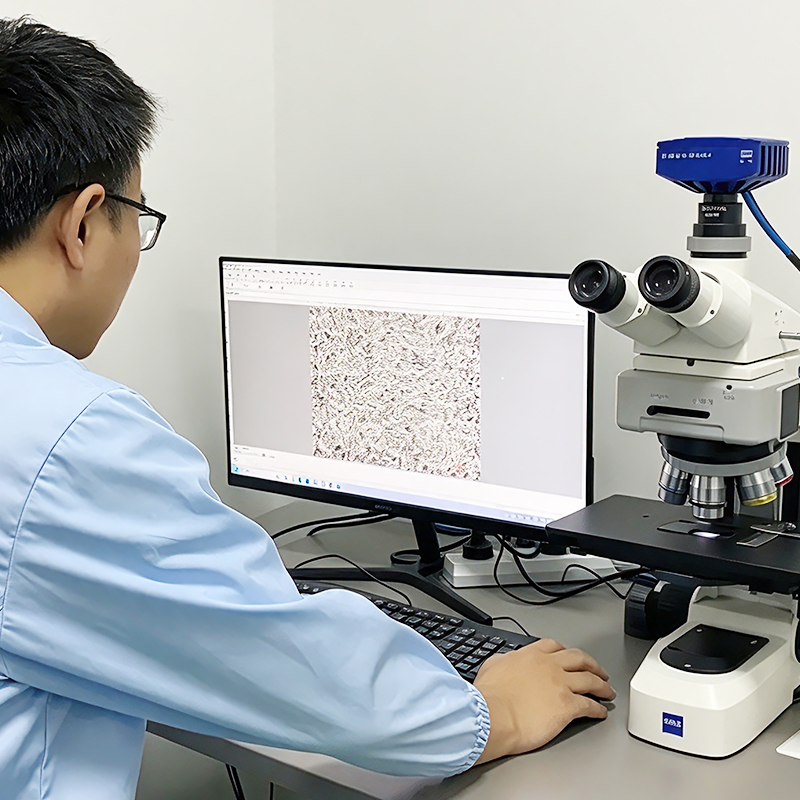
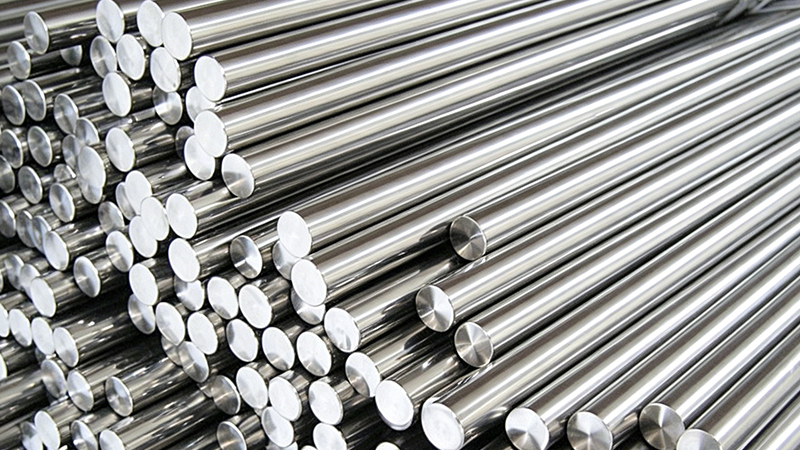
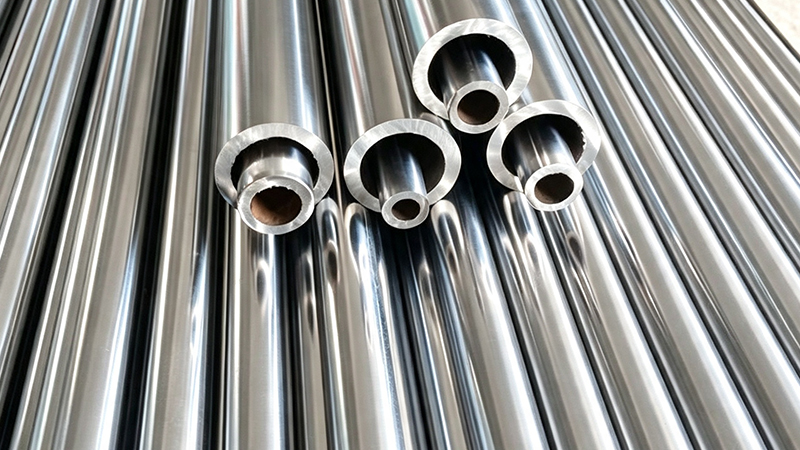
Hard chrome plating on a hydraulic rod is a thin, hard, corrosion-resistant surface layer, typically tens of microns thick, applied over a base steel bar that does the structural work of resisting bending, carrying load, and surviving the fatigue of repeated pressure cycles. The chrome’s job is wear and corrosion resistance at the surface. The base steel’s job is strength and stiffness through the whole cross-section. A specification that focuses entirely on chrome thickness and hardness while treating the base steel as an afterthought is only specifying half the rod.
Carbon Steel Cores: Where They Fit
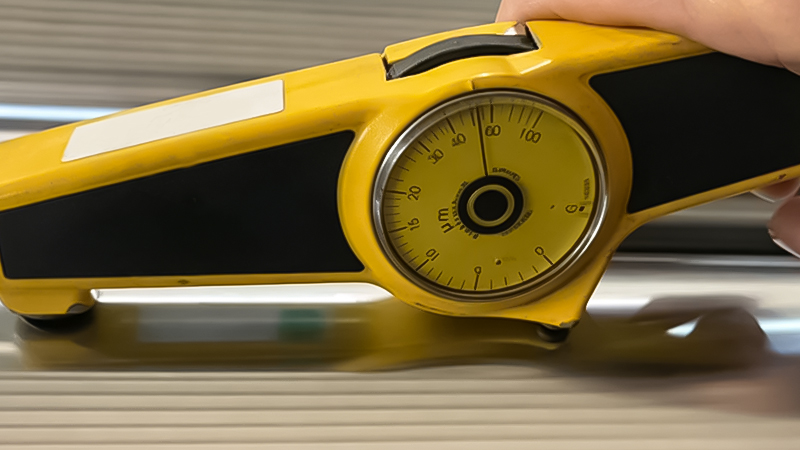
Plain carbon steel grades, often used in a normalized condition (HRC 15-22), offer good machinability, reliable weldability where the rod is fabricated into an assembly, and adequate strength for moderate loads and moderate bending demands. They are a sound, economical choice for general industrial cylinders, light-duty mobile equipment, and applications where side load and bending stress are modest relative to the rod’s diameter.
The limitation shows up under sustained or repeated side load, the kind seen in boom, dipper, and attachment cylinders on excavators and similar equipment, where a carbon steel core sized adequately for straightforward axial load can bend permanently or fatigue over time under bending stress that a higher-strength core would resist without deforming.
Alloy Steel Cores: Where They Earn Their Cost
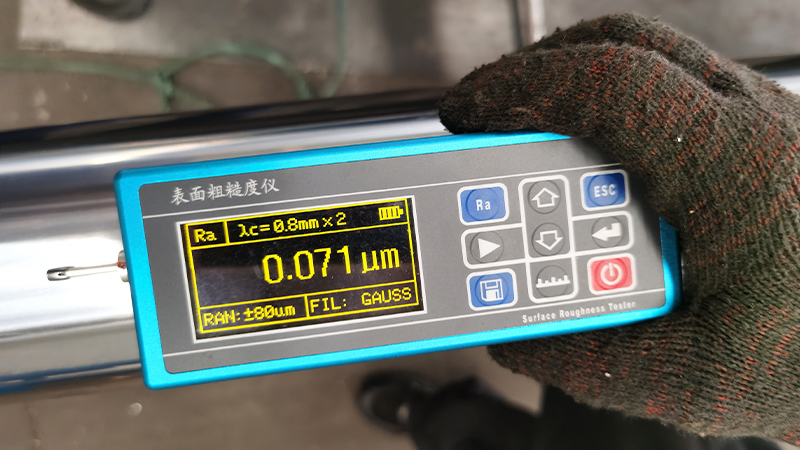
Alloy steel grades, commonly quenched-and-tempered (HRC 25-32) or in higher-duty cases induction hardened (HRC 50-62), deliver significantly higher strength and better resistance to bending and fatigue than plain carbon steel at the same diameter. For rods carrying significant side load, heavy bending moments, or cyclic fatigue duty, such as excavator boom and arm cylinders, mining equipment, and cranes, an alloy core resists the permanent deformation that a carbon steel core might develop under the same load, extending service life and protecting the chrome layer above it, since a bent rod cracks its chrome at the bend regardless of how well that chrome was applied.
Why the Failure Above Was a Core Problem, Not a Chrome Problem
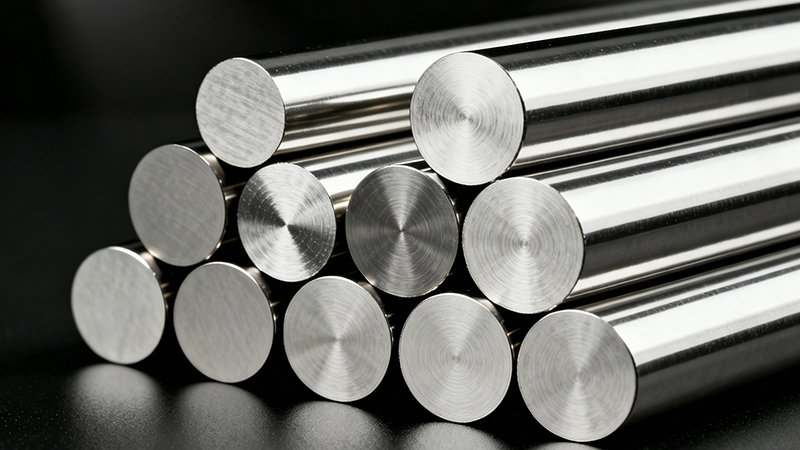
Returning to the two rods described at the start: neither one had a plating defect. Both would have passed a chrome thickness and adhesion check with identical results. The rod that bent was carrying a bending load the carbon steel core beneath its chrome was not strong enough to resist indefinitely, while the rod that ran true was built on an alloy core suited to that same load. A supplier troubleshooting the bent rod purely from a plating perspective would never find the cause, because the cause was never in the plating.
Matching Core Grade to Duty When Ordering
The practical specification question is not only “what chrome thickness” but “what base steel, in what heat treatment condition, for what load and bending demand.” For general industrial and moderate mobile equipment duty, a carbon steel or lightly hardened core is often sufficient and economical. For excavator, crane, mining, and other high-side-load duty, specifying an alloy steel core in an appropriate heat-treated condition is the detail that prevents the kind of premature bending failure described above, regardless of how well the chrome itself is applied.
A supplier’s certificate should identify the base steel grade and heat treatment condition alongside the chrome specification, so a buyer can confirm the whole rod, not just its surface, matches the intended duty.
Related Reading
- Chrome Plated Rod for Mining and Heavy-Duty Cylinders: Choosing Your Stock
- Chrome Plated Rod for Excavator Attachments: Quick Coupler and Auxiliary Circuit Duty
- Rod Base Steel: CK45 vs 42CrMo Under the Chrome
Specify What’s Under the Chrome
Chrome protects the surface; the base steel core carries the load. Match carbon steel or alloy steel cores, in the right heat-treated condition, to your actual bending and side-load duty, not just to the chrome specification on top.
What We Offer
- Chrome plated rod available on carbon steel and alloy steel cores in multiple heat treatment conditions
- Normalized, quenched-and-tempered, and induction hardened base steel options
- Guidance on matching core grade to side load and bending duty
- Full material traceability from base steel heat through finished chrome layer
Contact EAST AI (eaihydraulic.com) Email: market@east-ai.com Phone: +86 13771568763 Address: Wuxi, Jiangsu, China.
Written by Alex, Production Engineer at EAST AI