
Published: 2026-10-14 | Last Updated: 2026-10-14
Every OEM purchasing manager eventually gets pressure to requalify a honed tube source for a better unit price, and the spreadsheet comparison always looks straightforward until the real switching costs start showing up outside that spreadsheet. The unit price difference between two qualified suppliers is often the smallest number in the actual total cost of a supplier change — the bigger numbers live in requalification testing, production line disruption risk, and the warranty exposure window before a new source’s long-term reliability is actually proven. Understanding these hidden costs isn’t an argument against ever switching suppliers; it’s an argument for pricing the full decision correctly before committing, rather than discovering the real cost after the fact.
Requalification Testing Isn’t Optional, and It Isn’t Free
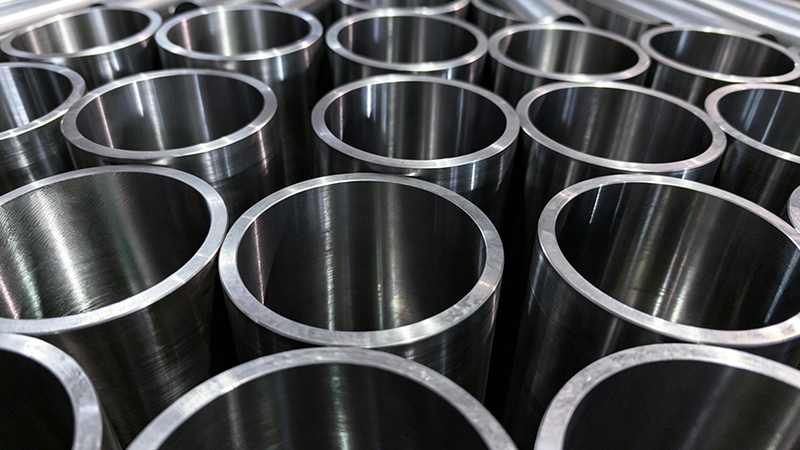
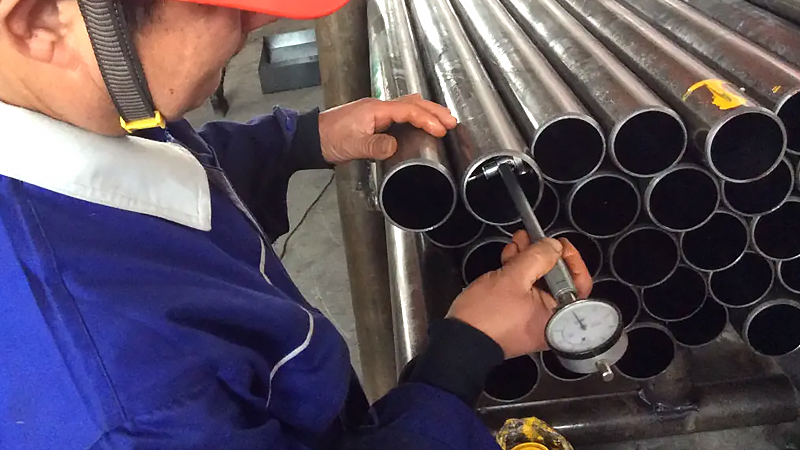
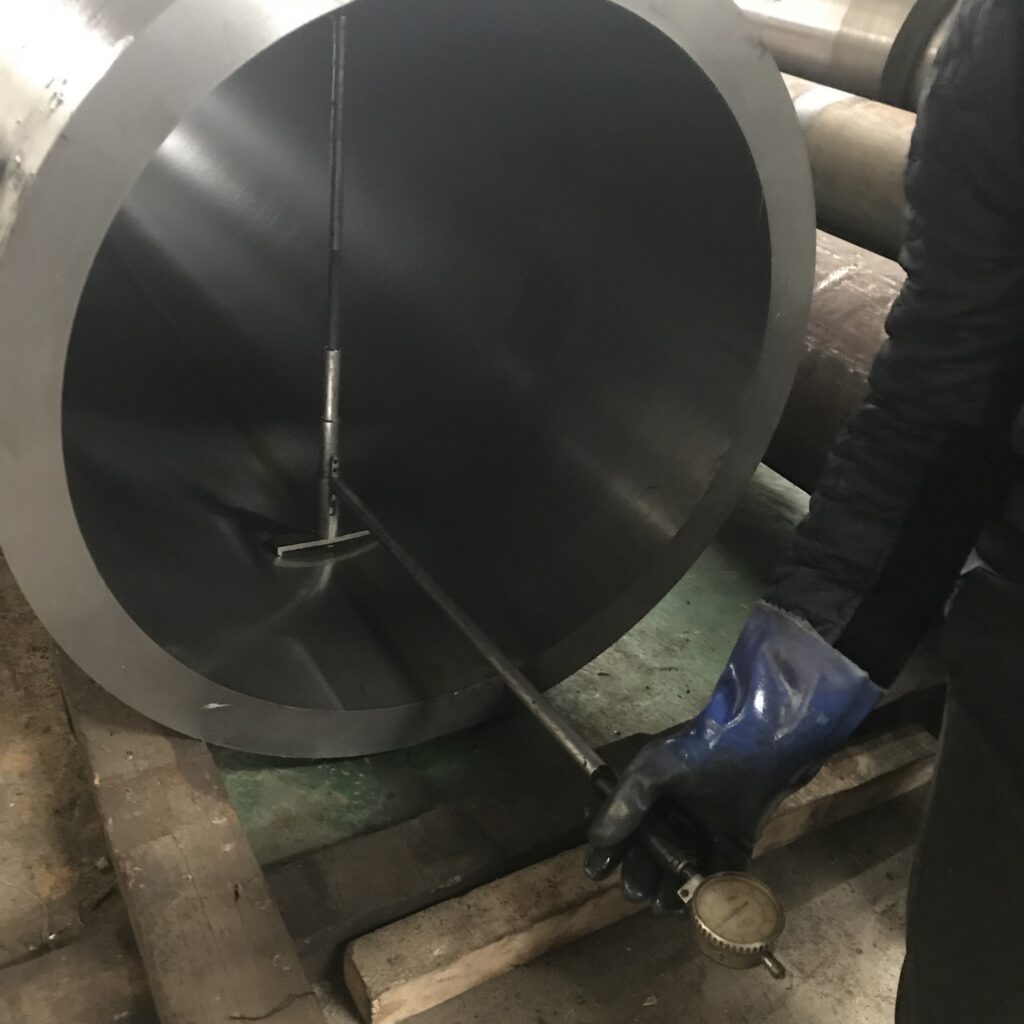
Any honed tube switch into a cylinder that carries pressure, especially one used in load-bearing or safety-relevant equipment, typically requires some level of requalification: dimensional verification against drawing tolerances, pressure testing to confirm the new source’s wall thickness and material consistency actually deliver the rated burst and working pressure margins, and often a run of cylinders through accelerated life testing before full production volume shifts. This isn’t a formality — it’s protecting against exactly the kind of batch-level surprise that a unit-price comparison can’t reveal. Budgeting real engineering time and test cylinder cost into a switching decision, rather than treating requalification as a quick formality, is what separates a successful transition from an expensive mistake.
A Rough Breakdown of Where Switching Cost Actually Lands
| Cost Category | What It Covers | When It Hits |
|---|---|---|
| Requalification testing | Dimensional, pressure, and accelerated life testing on sample cylinders | Before volume shifts |
| Dual-sourcing overhead | Running old and new supplier’s tube in parallel, extra part numbers | During the transition window |
| Warranty exposure | Claims risk on equipment built with an unproven new source | Full warranty period after cutover |
| Engineering review time | Specification comparison, documentation review, supplier audit | Before and during qualification |
| Unit price difference | The number that started the conversation | Every order, ongoing |
The unit price line is usually the easiest number to see and the smallest one in the full picture.
Production Disruption Risk During the Transition Window
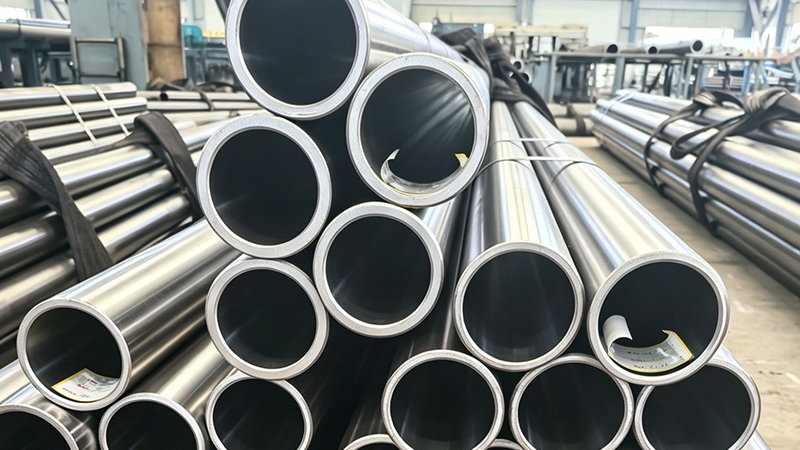
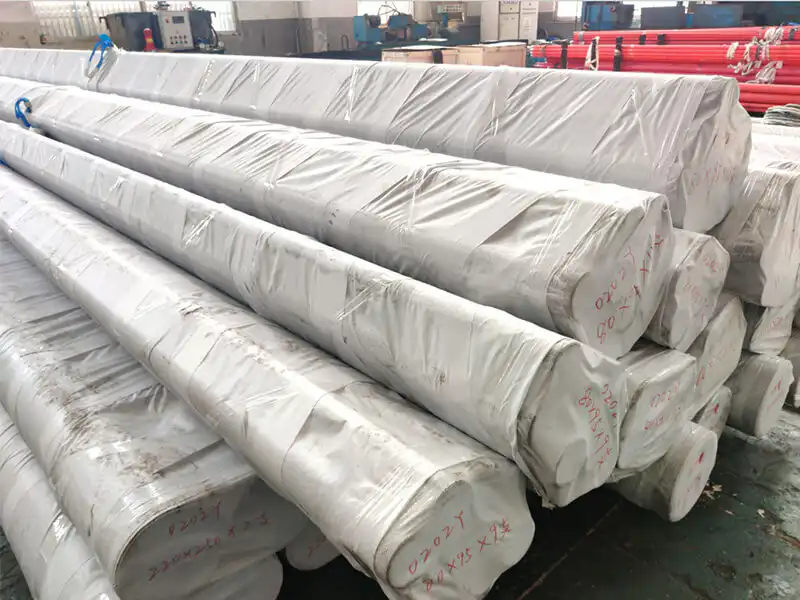
Dual-sourcing during a transition — running both the old and new supplier’s tube through production simultaneously for some period — reduces risk but adds its own cost in inventory complexity and the labor overhead of managing two part numbers temporarily. Skipping dual-sourcing to save that overhead concentrates risk into a single cutover point, where any unexpected issue with the new supplier’s early production runs has nowhere to fall back to without a production stoppage. Most experienced OEM purchasing teams accept the dual-sourcing overhead specifically because the alternative — betting the entire supply on an unproven new source from day one — carries a much larger downside if something goes wrong.
The Warranty Exposure Window Nobody Puts a Number On
Cylinders built with newly qualified tube carry warranty exposure for the full warranty period before the new supplier relationship has actually demonstrated long-term reliability in the field. If a batch consistency issue surfaces eighteen months into the relationship — the kind of problem that doesn’t show up in initial qualification testing — the OEM is managing warranty claims against equipment already in customers’ hands, built with a supplier relationship that was still, in practice, unproven. This exposure is real cost, even though it’s genuinely difficult to quantify in advance, and it argues for weighting a new supplier’s demonstrated track record more heavily than a pure price comparison would suggest.
When Switching Genuinely Makes Sense
None of this means suppliers should never change. A current supplier with declining quality, chronic lead time problems, or capacity constraints that are actually hurting production creates real cost on the status quo side of the comparison too, and in those cases the switching costs discussed here are worth absorbing because the alternative — staying with a demonstrably failing supplier — carries its own escalating risk. The decision framework that holds up is comparing total cost on both sides: the real cost of switching against the real, ongoing cost of staying, rather than comparing a new supplier’s quoted unit price against the current supplier’s invoice price alone.
Structuring a Lower-Risk Transition
OEMs that manage supplier transitions well typically start with a limited qualification run on a less critical product line or lower-volume SKU before shifting core volume, giving the new supplier relationship time to demonstrate consistency across multiple production batches before the stakes get larger. Building the requalification testing budget and dual-sourcing overhead into the transition plan from the start, rather than discovering these costs mid-transition, keeps the decision grounded in the actual total cost rather than the headline unit price difference that started the conversation.
What to Ask a New Supplier to Reduce Transition Risk
Before committing to a transition, asking a prospective new honed tube supplier for data from their own history of onboarding other OEM customers — how qualification testing typically went, what batch consistency looked like across the first year of a new relationship, how they’ve handled any issues that surfaced during other customers’ transition periods — gives a more complete picture than a quotation and a sample batch alone can provide.
Related Reading
- Honed Tube Wall Thickness and Pressure Rating: A Selection Guide
- Honed Tube for Truck-Mounted Crane Outrigger Cylinders: Short-Stroke, High-Load Duty
- Honed Tube ID Cross-Hatch Angle and Oil Film Retention
Request a Transition Risk Review
Considering a supplier change and want help pricing the full decision, not just the unit cost? Request a transition planning consultation and we’ll help map out a lower-risk qualification path.
What We Offer
- Structured onboarding support for OEMs transitioning honed tube suppliers, including dual-sourcing documentation
- Qualification test data and historical batch consistency records available for prospective customers
- Lower-risk transition planning starting with limited-volume qualification runs
- Full material traceability and MTC documentation supporting warranty and quality investigations
Contact EAST AI (eaihydraulic.com) Email: market@east-ai.com Phone: +86 13771568763 Address: Wuxi, Jiangsu, China.
Written by Alex, Production Engineer at EAST AI