
Published: 2026-10-15 | Last Updated: 2026-10-15
An equipment manufacturer ramping up production to meet a sudden surge in end-market demand often discovers the hard way that the honed tube supplier offering the best unit price isn’t necessarily the supplier who can actually deliver enough volume fast enough to support that ramp. Price and capacity are two completely different evaluation dimensions, and a sourcing decision that optimizes only for price while ignoring demonstrated capacity headroom is making a bet on an assumption that’s never been tested — namely, that the supplier’s current pricing and lead times will hold up once order volume meaningfully increases. For OEMs in cyclical industries like construction and agricultural equipment, where demand spikes are a recurring pattern rather than a one-time event, this evaluation gap can turn a good steady-state supplier relationship into a production bottleneck exactly when it matters most.
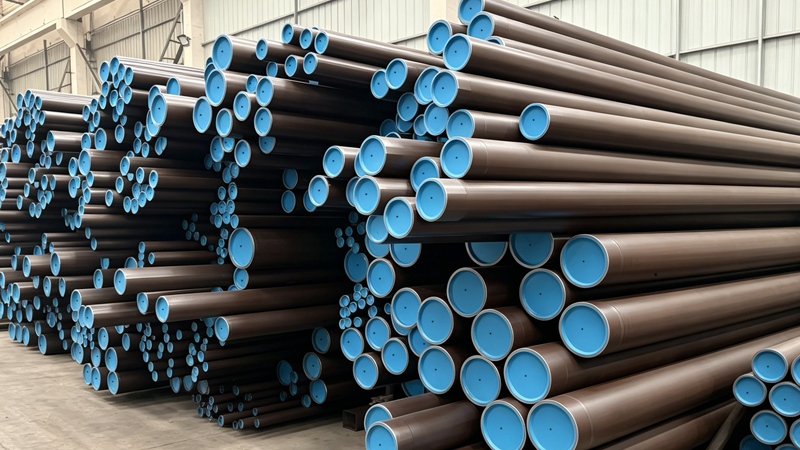
Why a Good Price at Low Volume Doesn’t Predict Performance at High Volume
A supplier’s quoted price and lead time at a buyer’s current, steady-state order volume reflects that supplier’s capacity utilization under current conditions — it says very little about what happens to price, lead time, or quality consistency when that buyer’s order volume suddenly doubles or triples during a demand surge, especially if other customers of the same supplier are experiencing similar surges simultaneously. A supplier running near full capacity utilization has limited ability to absorb a sudden volume increase without either extending lead times, compromising quality control under production pressure, or both — and this capacity ceiling is rarely visible in a standard price quotation.
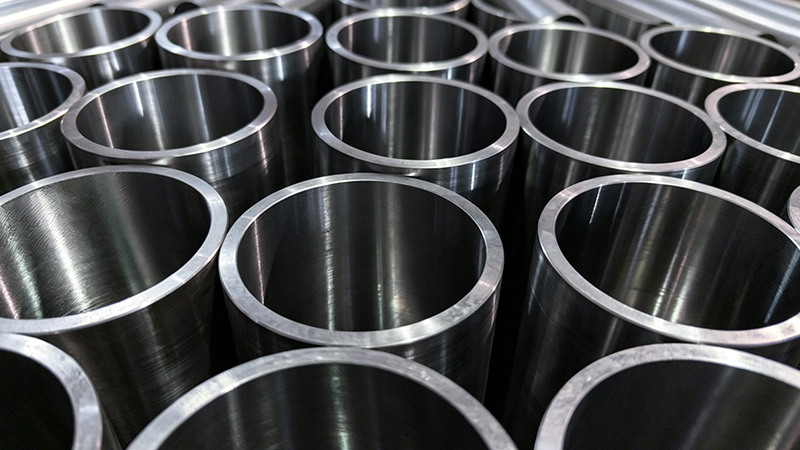
Questions That Reveal Real Capacity Headroom
| Question | What It Reveals |
|---|---|
| What percentage of your production capacity is currently utilized? | Direct indicator of headroom for sudden volume increases |
| How many production lines run this specific size range, and are they shared across multiple customers? | Shows whether a volume spike from one customer competes with existing commitments |
| Have you handled a sudden 50%+ volume increase from an existing customer before? How did lead time and quality hold up? | Historical evidence beats theoretical capacity claims |
| What’s your typical response time for scaling production on short notice? | Practical measure of actual flexibility, not just stated capacity numbers |
The Risk of Concentrating Volume With a Capacity-Constrained Supplier
OEMs that concentrate the large majority of their honed tube volume with a single supplier, chosen primarily on price, face real exposure if that supplier’s capacity turns out to be insufficient during exactly the demand spike that volume concentration was meant to support efficiently. Maintaining a qualified secondary supplier relationship, even one used only occasionally during normal demand periods, provides tested capacity flexibility that a single-source relationship cannot offer — the secondary supplier is already qualified and familiar with the OEM’s specifications when a capacity crunch hits, rather than needing emergency qualification under time pressure.
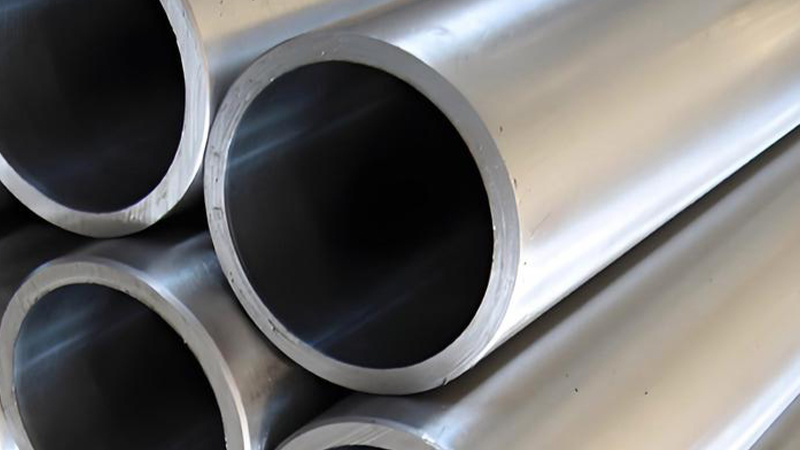
Balancing Price Efficiency Against Capacity Insurance
Running a dual-source strategy does carry some cost in administrative overhead and potentially slightly higher blended pricing compared to concentrating 100% of volume with the lowest-price single source. For OEMs in genuinely stable, non-cyclical demand patterns, this insurance may not justify its cost. For OEMs in cyclical industries where demand spikes are a recurring, predictable pattern rather than a rare event, the capacity insurance that dual-sourcing provides is usually worth the modest cost premium, because the alternative — a production bottleneck during exactly the period when sales volume and margin opportunity are highest — carries a much larger downside.
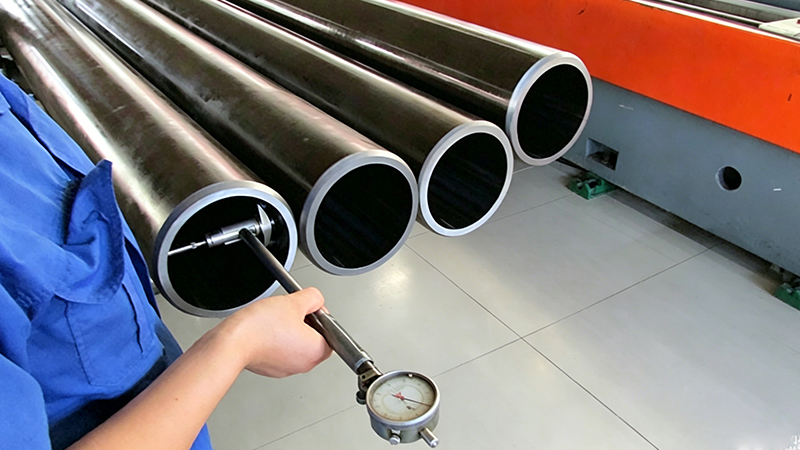
What Capacity Headroom Actually Looks Like in Practice
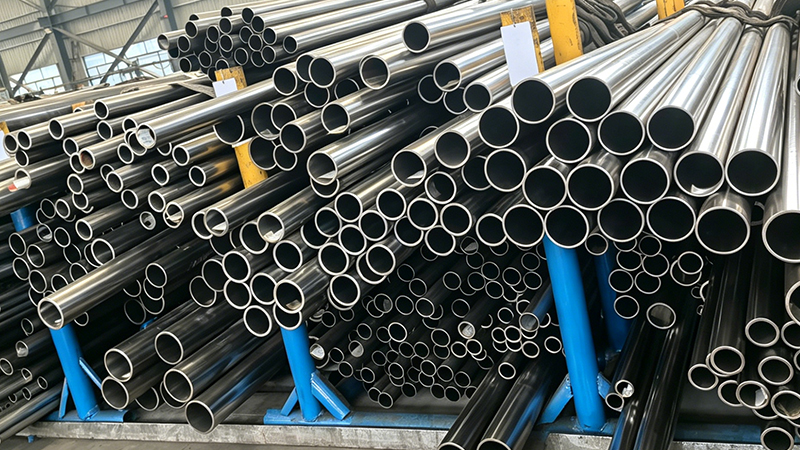
A supplier demonstrating genuine capacity headroom can usually point to specific evidence: multiple production lines capable of running the relevant size range, a track record of successfully scaling for other customers during demand surges, and transparent communication about current utilization levels rather than vague assurances of “no problem, we can handle it.” Buyers evaluating capacity claims should ask for this kind of specific evidence rather than accepting general reassurance, particularly before committing to concentrate significant volume with a single source.
Planning Ahead of the Next Demand Cycle
For OEMs in industries with recognizable demand cycles, the right time to evaluate and qualify a secondary honed tube source is during a stable, low-pressure period — not scrambling to find capacity during an active demand spike when every potential new supplier is also fielding similar requests from other buyers facing the same market conditions. Building this capacity planning into regular supplier review cycles, rather than treating it as a one-time qualification exercise, keeps an OEM’s supply chain genuinely resilient across demand cycles rather than just efficient during stable periods.
Discuss Capacity Planning for Your Demand Cycle
Planning for an upcoming demand cycle and want to understand our actual production capacity headroom? Talk with our team about capacity data and dual-sourcing qualification support.
Related Reading
- Honed Tube for Truck-Mounted Crane Outrigger Cylinders: Short-Stroke, High-Load Duty
- Honed Tube Wall Thickness and Pressure Rating: A Selection Guide
- Honed Tube for Agricultural Sprayer and Boom Cylinders: Fine Motion Under Contamination
What We Offer
- Multiple production lines supporting flexible capacity across common honed tube size ranges
- Transparent communication on current capacity utilization for OEMs evaluating supply resilience
- Qualification support for OEMs establishing a secondary-source relationship ahead of demand cycles
- Track record supporting customers through documented demand surge periods
Contact EAST AI (eaihydraulic.com) Email: market@east-ai.com Phone: +86 13771568763 Address: Wuxi, Jiangsu, China.
Written by Alex, Production Engineer at EAST AI