
Published: 2026-10-26 | Last Updated: 2026-10-26
A customer with their own steel sourcing relationship proposes a toll processing arrangement: they supply the base steel bar, you plate and finish it to spec, they pay only for the processing. The pitch is lower total cost for them and guaranteed volume for you. Neither half of that pitch is automatically true once the real logistics get worked through.
What Toll Processing Actually Changes About the Relationship
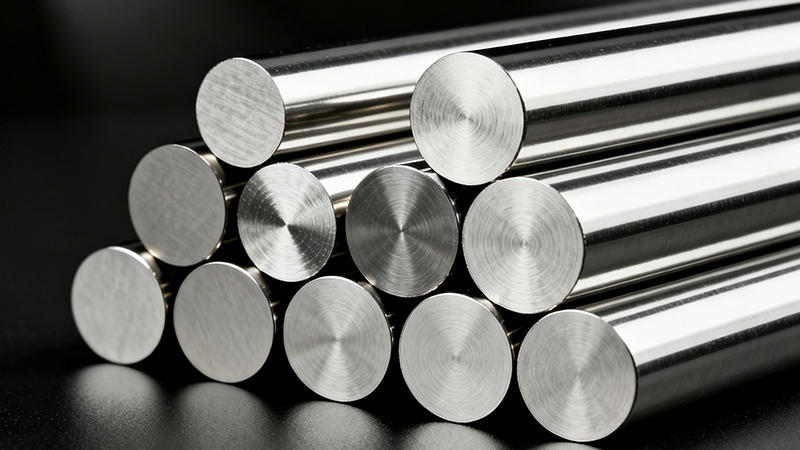
In a standard order, you control the full material chain — sourcing, certification, traceability — and stand behind the finished product’s performance as a complete package. In a toll arrangement, you’re responsible only for the plating and finishing quality on steel you didn’t source and may not have fully verified before it entered your process. That’s a meaningfully different liability position, and it needs to be addressed explicitly before accepting the arrangement, not discovered the first time something goes wrong.
The Core Trade-Off in Plain Terms
| Factor | Standard Full-Service Order | Toll Processing Arrangement |
|---|---|---|
| Material sourcing control | Full control over base steel quality | Customer controls — you inherit their choice |
| Liability if base steel is defective | Clearly yours | Needs explicit contractual clarification |
| Pricing structure | Bundled material plus processing | Processing fee only — customer bears material cost/risk |
| Customer’s incentive | Trusts your full sourcing | Wants cost control or has existing steel relationship |
Neither column is universally better. The right fit depends on how much the customer’s stated reason for wanting toll processing actually holds up, and whether your quality system can cleanly separate “steel defect” from “processing defect” when something goes wrong.
Verify Incoming Material Before You Touch It
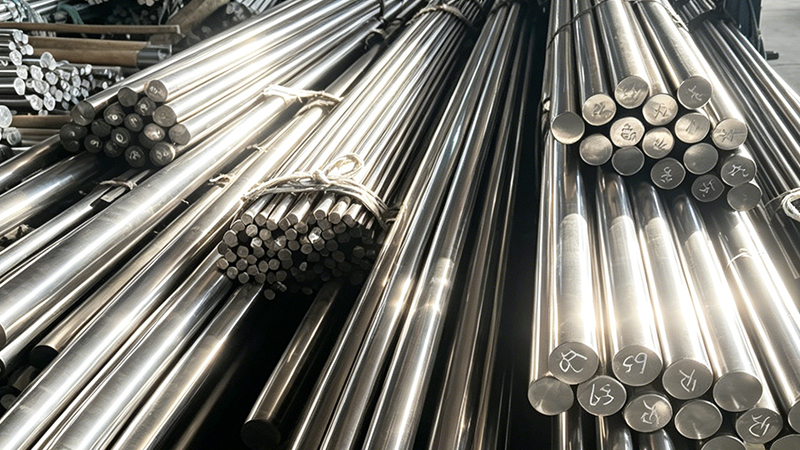
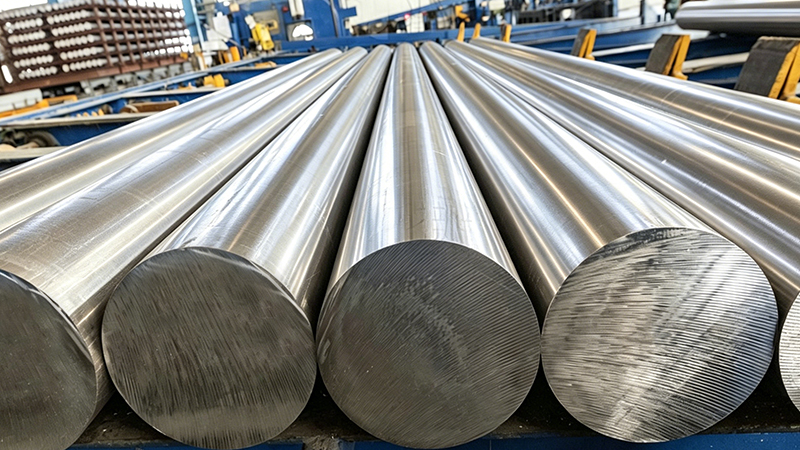
Receiving inspection on customer-supplied steel should be at least as rigorous as what you’d apply to steel from your own qualified suppliers — dimensional check, material certification review, visual inspection for surface defects that would affect plating quality. Skipping this step because “it’s the customer’s material, not ours” is exactly how a base steel defect becomes incorrectly attributed to your plating process once the finished part fails in the field.
Why the Contract Needs to Separate Two Different Failure Modes Explicitly
A finished part can fail because the base steel had an undetected flaw, or because the plating process itself had a defect — and from the outside, after the part is in service, these can look identical. The toll processing agreement should explicitly define how a failure gets attributed when the cause isn’t immediately obvious, including what documentation each party needs to produce and who bears the cost of root-cause investigation. Leaving this ambiguous until an actual failure happens means negotiating liability under the worst possible conditions — after a customer is already upset about a failed part.

Pricing a Toll Arrangement Fairly for Both Sides
Processing-only pricing should reflect your actual cost structure for the plating and finishing work alone, not a simple discount off your normal bundled price that implicitly assumes the material cost component was the only thing removed. Your process costs — labor, equipment time, quality verification — stay the same regardless of who sourced the base steel, and pricing that doesn’t reflect this accurately either underprices your actual service or overcharges a customer who’s genuinely offering fair value with their own material.
When a Customer’s Reason for Wanting This Doesn’t Hold Up
Some customers propose toll processing because they genuinely have a better steel sourcing relationship or specific material requirement you don’t carry. Others propose it because they’ve miscalculated the actual savings, not realizing your bundled pricing on sourced-and-verified steel is already competitive once their own sourcing, verification, and logistics costs are counted. Walk through the real comparison with the customer rather than assuming their stated reason is automatically sound — sometimes the conversation reveals they’d be better served by your standard full-service order after all.
Capacity Planning Gets More Complicated, Not Less
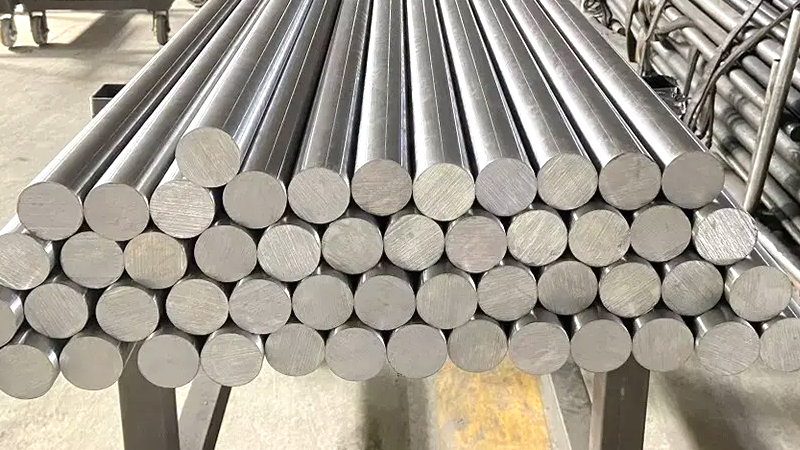
A toll processing commitment ties up processing capacity just as a standard order would, but without the predictability that comes from controlling your own material supply chain — a customer’s steel delivery delay becomes your processing schedule’s problem too, even though you had no control over it. Build explicit terms for how a customer-side material delay affects your committed processing schedule and any resulting penalty or priority implications, rather than silently absorbing the scheduling risk of a supply chain you don’t control.
What Happens If the Customer’s Steel Doesn’t Meet Spec on Arrival
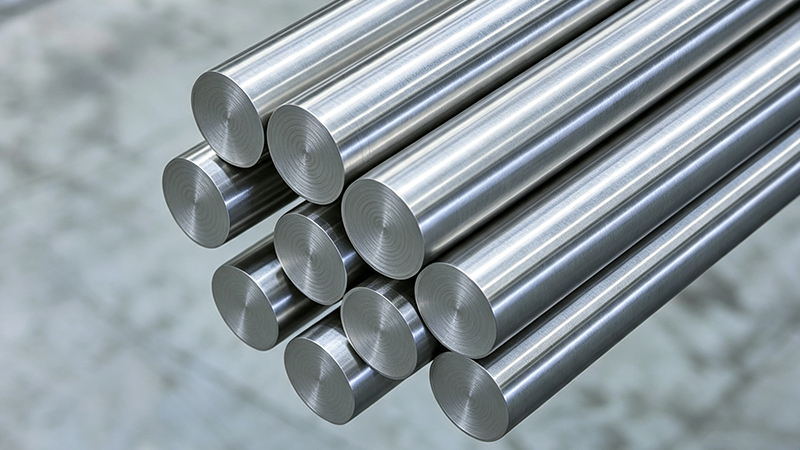
Define upfront what happens when incoming material fails your receiving inspection — do you reject and return it, hold it pending customer decision, or proceed with documented exceptions if the customer accepts the risk in writing? An agreement without this defined in advance turns every borderline incoming batch into an ad hoc negotiation under time pressure, exactly when a calm, pre-agreed process would serve both sides better.
Why Starting With a Smaller Trial Batch Makes Sense for Both Parties
Before committing to an ongoing toll processing relationship, running a smaller trial batch lets both sides confirm the arrangement actually works as expected — the customer’s material meets the quality level your process needs, your processing meets their specification expectations, and the liability and documentation framework holds up in practice rather than just on paper. This trial period costs little relative to the risk of discovering a mismatch only after committing to ongoing volume.

Maintaining Your Own Quality Reputation Across Two Different Material Sources
Running both standard full-service orders and toll processing simultaneously means your finished product quality depends partly on material you control and partly on material you don’t, which puts real pressure on your receiving inspection to be the consistent quality gate protecting your reputation regardless of material source. Treat toll-processed material with at least the same inspection rigor as your own sourced steel — your name is on the finished, plated part either way, regardless of whose steel went into it.
When This Arrangement Genuinely Makes Sense
A toll processing relationship works best with customers who have a demonstrably sound reason for the arrangement — a specialized steel grade you don’t carry, a long-term captive sourcing relationship of their own — and who are willing to engage seriously with the liability and quality framework rather than treating it as a pure cost-cutting shortcut. Approached this way, it can be a genuinely good fit for a specific subset of customers, without becoming a standard offering extended to anyone who asks simply to accommodate a request.
Why Insurance and Liability Coverage Deserve a Direct Conversation Before Starting
A toll processing arrangement changes who is practically responsible for what, which can have implications for how your general liability or product liability insurance coverage actually applies if a finished part fails in the field. Have an explicit conversation with your insurance provider about how coverage works for toll-processed material specifically, rather than assuming your existing coverage automatically extends the same way it would to material you fully sourced yourself — this is a detail easy to overlook until a claim situation reveals a gap nobody anticipated.
How to Handle a Long-Term Toll Customer Who Wants to Expand the Arrangement
A toll processing relationship that’s worked well on a smaller trial basis sometimes leads to a customer wanting to expand it significantly — more volume, possibly additional part types beyond the original scope. Treat an expansion request as its own decision point requiring fresh evaluation, not an automatic extension of the original trial approval, since a larger volume commitment changes your capacity planning exposure in ways the original smaller trial didn’t fully reveal, and a broader part scope may introduce material or geometry considerations the original qualification never tested.
What a Toll Processing Relationship Teaches You About Your Own Cost Structure
Pricing a toll processing arrangement accurately forces a level of clarity about your actual processing-only cost structure that a bundled material-plus-processing price can sometimes obscure, since the material cost component is no longer available to quietly absorb inefficiencies elsewhere in the process. Many processors find that working through an honest toll processing cost breakdown reveals something useful about their standard bundled pricing too, surfacing cost structure insights that improve pricing accuracy across their full business, not just the toll processing segment of it.
Why a Toll Processing Agreement Should Specify What Happens if Either Side Wants to End It
Like any supply relationship, a toll processing arrangement benefits from clear terms on how either party can exit the relationship — notice period, handling of any material already in process, final settlement of outstanding fees. Address exit terms during the initial agreement rather than leaving them unaddressed until one side actually wants to end the relationship, since negotiating exit terms after one party has already decided to leave tends to produce a worse outcome for both sides than terms agreed calmly at the relationship’s outset.
Why a Second Opinion From Someone Outside the Deal Helps on a Borderline Toll Request
A toll processing proposal that looks attractive mainly because it unlocks a large volume commitment can tempt a sales-focused reviewer to overlook liability or quality concerns that a more neutral second reviewer would catch. Have someone without a direct stake in closing the specific deal review any toll processing proposal before final approval, particularly for a first-time arrangement with a new customer, since this kind of structural check tends to catch exactly the issues that enthusiasm about the business opportunity can obscure, before they become binding commitments that are far harder to unwind later.
Why This Decision Should Never Be Made Purely to Win a Deal Under Pressure
A toll processing proposal that arrives attached to an urgent, time-pressured deadline for approval deserves exactly the same diligence as one with no deadline pressure at all — the structural risks around liability and material verification don’t shrink just because a sales opportunity feels time-sensitive, and rushing this specific decision is one of the more common ways a reasonable-sounding arrangement turns into a genuine problem later.
Related Reading
- Chrome Plated Rod Base Steel: Carbon Steel Core vs Alloy Steel Core
- Chrome Plated Rod for Excavator Attachments: Quick Coupler and Auxiliary Circuit Duty
- Corrosion-Resistant Honed Tube Options for Wet and Washdown Environments
Discuss a Toll Processing Arrangement
Considering a toll processing relationship for chrome plating on customer-supplied steel? Talk with our team about how we structure liability, verification, and pricing for this kind of arrangement.
What We Offer
- Rigorous receiving inspection on customer-supplied material before any processing begins
- Clear contractual frameworks separating material and process liability
- Trial batch options to validate a toll processing relationship before committing to volume
- Consistent plating and finishing quality regardless of base material source
Contact EAST AI (eaihydraulic.com) Email: market@east-ai.com Phone: +86 13771568763 Address: Wuxi, Jiangsu, China.
Written by Alex, Production Engineer at EAST AI