
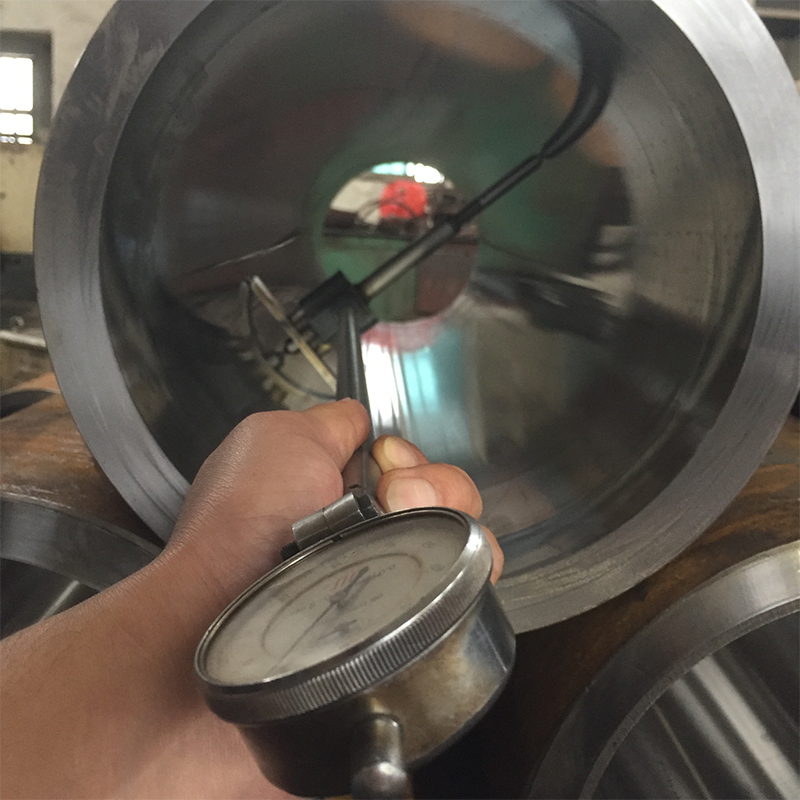
A food-processing equipment builder sent us a cylinder barrel that had lasted just over a year. The outside was painted and looked fine. Inside, the honed bore near the cap end carried a band of rust pits, and the piston seal had worn a groove in the pitted zone. The machine was washed down with hot water and cleaning chemicals every shift, and water was finding its way into the cylinder through the rod gland and a breather. A standard carbon-steel honed tube is an excellent cylinder barrel in oil, but it has no inherent defence once water gets inside.
This article is for cylinder builders, service providers, and stockists who supply equipment used in wet or washdown conditions: food and beverage processing, marine and port service, water treatment, sanitation, and agriculture. It compares the material and surface options for honed tube and explains how to match them to the real exposure.
Why Standard Honed Tube Corrodes
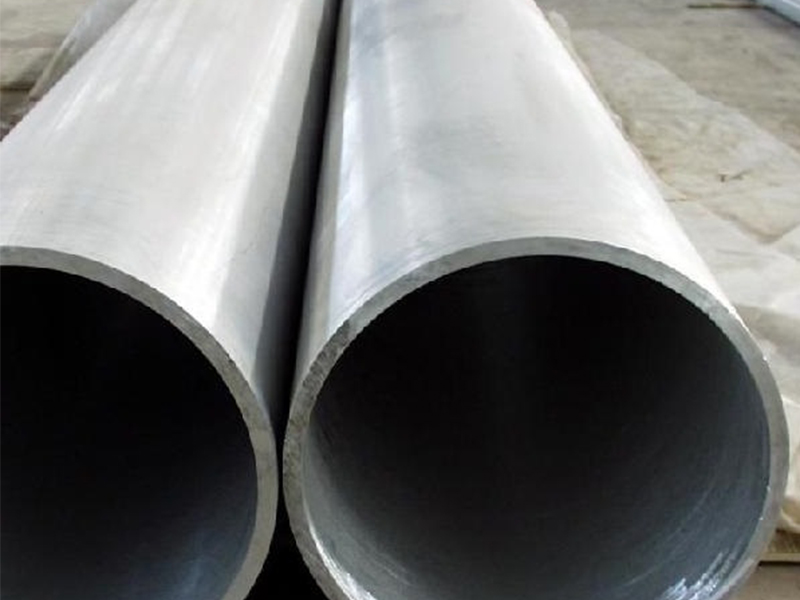
Most honed tube is made from carbon or low-alloy steel such as E355 / ST52 or CK45. These grades have excellent strength and machinability, and in a clean mineral-oil system the bore stays protected by the oil film. The problem starts when water enters the cylinder. Water can come in past a worn wiper and rod seal, through breathers on single-acting cylinders, from condensation when a cylinder cycles between warm and cold, or with contaminated hydraulic fluid.
Once water sits against bare steel, rust forms quickly, and a honed bore has nothing between it and the water except the oil film. Pits in the bore damage seals, and the damaged seals let in more water. In washdown and marine equipment, this cycle can destroy a cylinder in months.
Option 1: Standard Honed Tube With Better System Protection
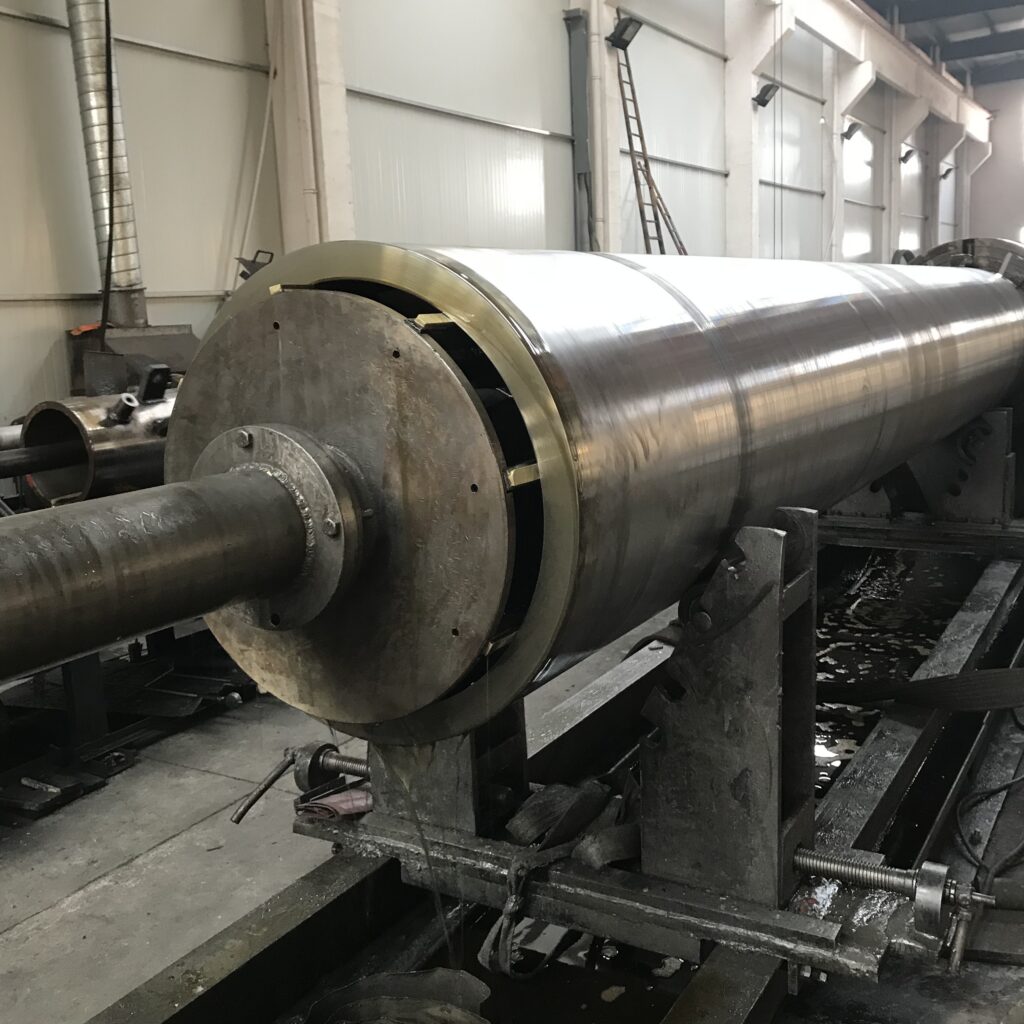
For moderately wet conditions, the cheapest effective answer is often to keep water out rather than change the tube. Robust wiper seals, well-maintained rod seals, sealed or desiccant breathers, and fluid condition monitoring reduce water ingress substantially. The outside of the tube is protected by paint or coating. In many agricultural and general outdoor applications, this is enough, and standard honed tube remains the most economical choice.
The limitation is that it depends on maintenance. Where water exposure is constant, or where the equipment is washed with high-pressure water and chemicals, system protection alone often cannot keep the bore dry for the life of the machine.
Option 2: Internally Chrome-Plated Honed Tube
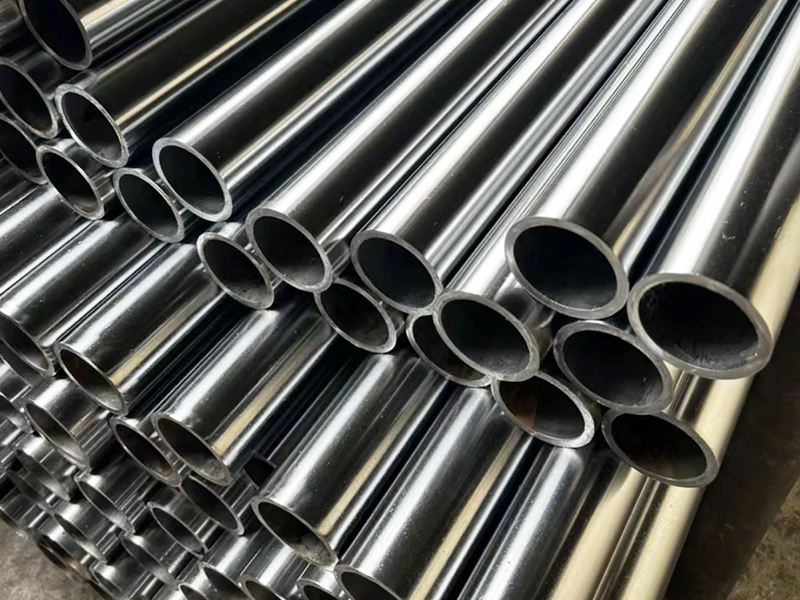
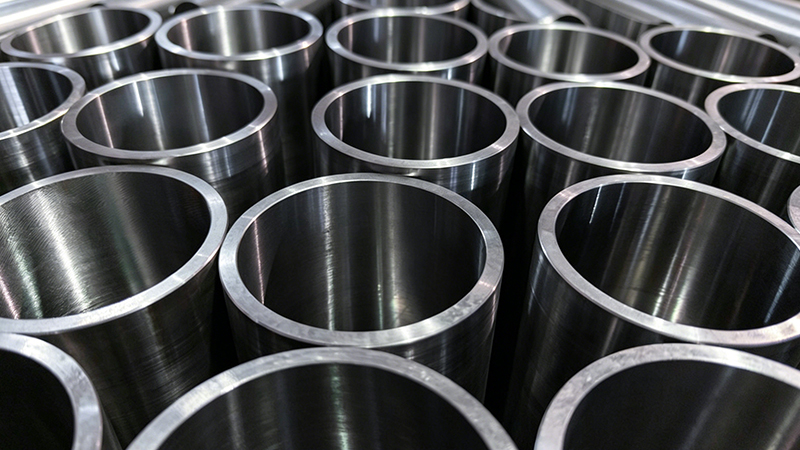
Internally hard chrome plated honed tube adds a layer of hard chrome to the bore after honing. The chrome provides a harder, more wear-resistant surface and significantly better resistance to corrosion than bare steel, while the carbon-steel base keeps the tube’s strength and cost reasonable. It is a common choice for cylinders in marine, port, and wet industrial service, and for applications where the bore also sees abrasive wear.
The trade-offs are cost, lead time, and the need for good plating control. Chrome thickness must be uniform along the full bore, and the plated bore must still meet its H8 / H9 tolerance and surface-finish requirements after plating and finishing. Not every bore size or length is economical to plate internally, so it is worth checking feasibility early in the design.
Option 3: Stainless Steel Honed Tube
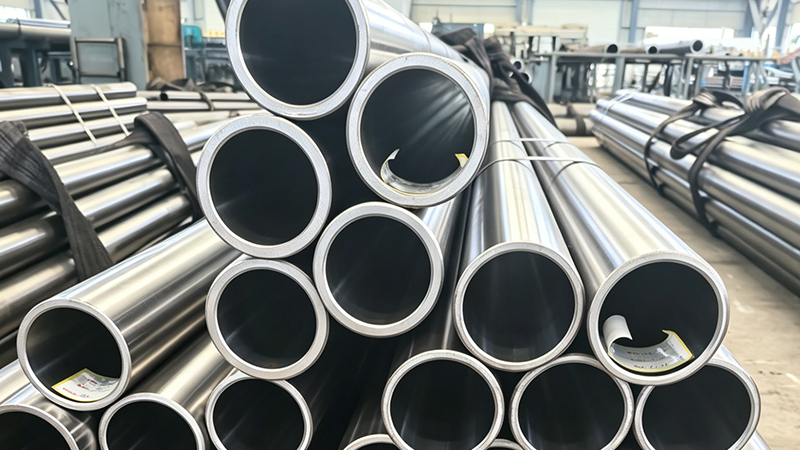
Where the bore is regularly wetted by water or cleaning chemicals, and especially where food hygiene rules apply, stainless steel honed tube is often the right answer. Stainless grades resist corrosion through their alloy chemistry rather than a coating, so there is no layer to wear through, and the whole wall is protected.
Stainless is not a drop-in substitute, however. It usually costs considerably more than carbon steel, its mechanical properties differ from E355 or CK45, and the wall thickness may need to be recalculated for the working pressure. Weldability, galling behaviour with certain seal and bushing materials, and the specific stainless grade suited to chlorides or cleaning chemicals all need attention. Stainless is best specified with the full cylinder design in mind, not simply swapped in to solve a rust problem.
Matching the Option to the Exposure
A practical way to decide is to classify the exposure honestly. Occasional moisture such as rain, humidity, or seasonal idle usually calls for standard honed tube with good sealing and breather protection. Frequent wetting and salt exposure, such as marine decks, ports, and agricultural sprayers, points toward internally chrome-plated tube combined with duplex or thick-chrome rod. Daily washdown with water and chemicals, particularly in food processing, points toward stainless steel or a fully sealed cylinder design.
The rod deserves the same thinking. A corrosion-resistant bore paired with a standard rod simply moves the failure to the rod surface, which then damages the seal and admits water. Matching rod coating and tube material as a set gives the cylinder a consistent service life.
Storage and Handling Still Matter
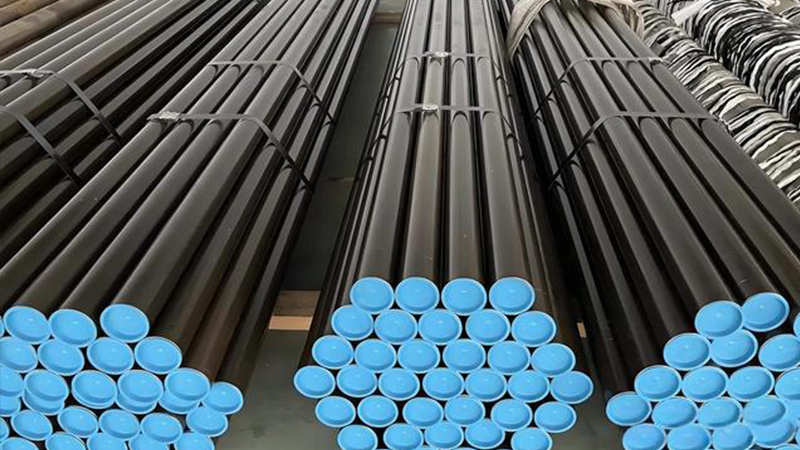
Whichever option is chosen, corrosion can start before the tube ever enters service. Honed tube waiting in stock or in a fabrication shop should keep its rust-preventive oil, end caps, and protective wrap until it is assembled. A corrosion-resistant bore that is pitted by months of careless storage delivers none of the benefit the customer paid for.
Related Reading
- Honed Tube for Marine and Port Deck Cylinders: Corrosion, Storage, and Handling
- Honed Tube for Agricultural Machinery Cylinders
- Honed Tube category

Choose the Bore for the Water It Will See
Corrosion in a honed bore is a specification problem, not bad luck. Classify the exposure, choose between better sealing, chrome-plated bores, or stainless steel, and match the rod to the tube.
What We Offer
- Honed tube in E355 / ST52 and CK45 for standard service
- Internally hard chrome plated honed tube for wet, marine, and abrasive duty
- Guidance on matching tube, rod coating, and sealing to your exposure level
- Rust-preventive protection, end caps, and full traceability on every delivery
Contact EAST AI (eaihydraulic.com) Email: market@east-ai.com Phone: +86 13771568763 Address: Wuxi, Jiangsu, China.
Written by Alex, Production Engineer at EAST AI