
Introduction
During supplier evaluations, most discussions around honed tubes focus on familiar specifications.Bore tolerance.Surface finish.Material grade.Straightness.These parameters are important because they are easy to measure and compare.Yet many hydraulic cylinder manufacturers eventually run into a different problem.
Two batches of honed tubes arrive with nearly identical specifications, but they behave very differently once production begins.One batch machines smoothly.The other requires tool adjustments, creates additional inspections, or even increases production time.The dimensions are correct.The material certificates look acceptable.So what changed?In many cases, the answer lies in factors that never appear on the quotation sheet.
Machining Performance Is More Than a Material Grade
A material designation provides a general description of the steel being used.It does not guarantee that every batch will behave exactly the same during machining.Experienced production engineers know this well.Small differences in material cleanliness, residual stress, or microstructure can influence:
- Cutting stability
- Tool life
- Surface consistency
- Heat generation during machining
None of these factors may be obvious when the material first arrives.The differences usually become visible only after production begins.
The Cost of Variation Is Often Hidden
When machining performance changes, the first reaction is rarely to question the incoming tube.Attention often shifts toward:
- Machine settings
- Cutting tools
- Operators
- Process parameters
Only after repeated adjustments do engineers start looking upstream.By then, the cost has already begun to accumulate.Additional setup time.More inspections.Lower productivity.Unplanned delays.A tube that costs slightly less on paper can sometimes become more expensive during production.
For more details, please click here.
Material Cleanliness Makes a Difference
Material cleanliness rarely appears in marketing brochures.However, it often influences how stable the machining process feels from one production batch to another.Inclusion levels and material consistency can affect:
- Tool wear
- Surface finish stability
- Cutting predictability
This is one reason why experienced manufacturers tend to value stable material sourcing.They are not simply buying steel.They are buying repeatable production conditions.
For more details, please click here.
Residual Stress Often Shows Up Later
Residual stress is another characteristic that can influence manufacturing performance.A tube may pass incoming inspection without any visible concerns.Later, during machining or welding, distortion behaves differently than expected.The issue is not necessarily that the material is defective.The challenge is that small variations can gradually influence production efficiency.
For manufacturers producing large numbers of cylinders, these small differences become increasingly important.
Why Consistency Matters More Than One Good Batch
Producing one excellent batch of honed tubes is achievable.Delivering the same performance repeatedly is considerably more difficult.Manufacturers depend on predictable incoming materials because stable inputs simplify everything that follows:
- Process planning
- Machining efficiency
- Inspection procedures
- Delivery schedules
Consistency removes uncertainty from production.And in manufacturing, reducing uncertainty often creates more value than achieving a single exceptional result.
A Situation Many Manufacturers Have Experienced
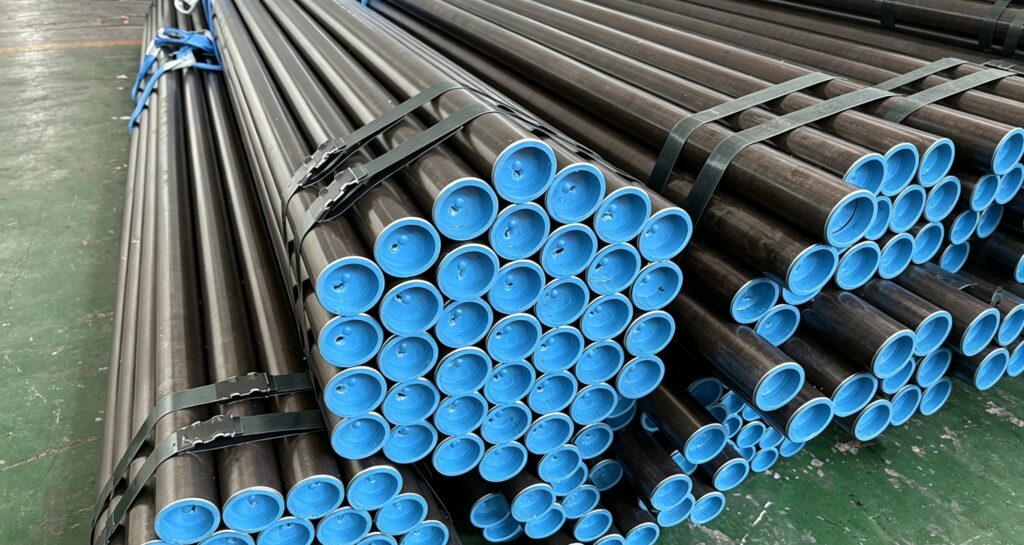
A hydraulic cylinder manufacturer once reported a gradual increase in machining time.Nothing significant had changed inside the factory.The same machines were running.The same programs were being used.The same operators remained in place.After several weeks of investigation, attention turned toward incoming materials.The dimensions of the tubes met specification.The certificates were correct.
The difference was ultimately traced to variation in incoming material characteristics that influenced machining behaviour.No individual tube was defective.But the variation was enough to affect production efficiency.Situations like this are not unusual.Many manufacturing challenges begin with small inconsistencies that only become visible once production starts.
For more details, please click here.
Looking Beyond the Inspection Report
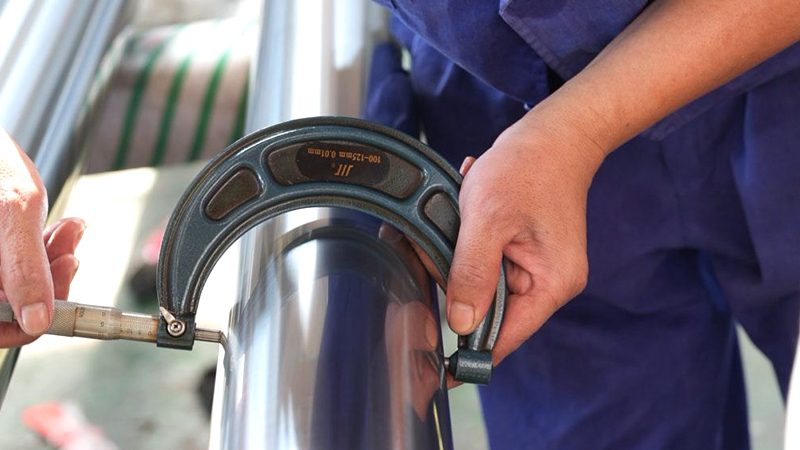
Dimensional compliance remains important.Surface finish remains important.Material certification remains important.
However, long-term manufacturing performance depends on more than individual measurements.Experienced buyers often evaluate whether a supplier can consistently provide:
- Stable material quality
- Repeatable machining behaviour
- Reliable batch-to-batch performance
- Predictable production results
Because the true value of a honed tube is not measured only by its dimensions.It is also measured by how easily and consistently it performs in manufacturing.
Final Thoughts
Specifications define minimum requirements.Manufacturing performance is influenced by much more.Material consistency, process control, and repeatability all contribute to how a honed tube behaves once production begins.
For hydraulic cylinder manufacturers, reducing variation in incoming materials often means reducing variation throughout the entire production process.And in many cases, that consistency becomes one of the most valuable characteristics a supplier can provide.
Why do two honed tubes with the same specifications machine differently?
Because factors such as material cleanliness, residual stress, and process consistency can influence machining behaviour.
Can material variation increase production costs?
Yes. Additional setup, inspections, and lower machining efficiency can all increase manufacturing costs.
Why doesn’t the material certificate show these differences?
Certificates confirm compliance with specifications but do not fully describe machining behaviour or production consistency.
What do experienced buyers usually evaluate?
Beyond dimensions and certificates, they often evaluate repeatability, material sourcing, and long-term consistency.
Why is batch consistency important?
Because stable incoming materials improve production efficiency and reduce unexpected variation.
Need Technical Support?
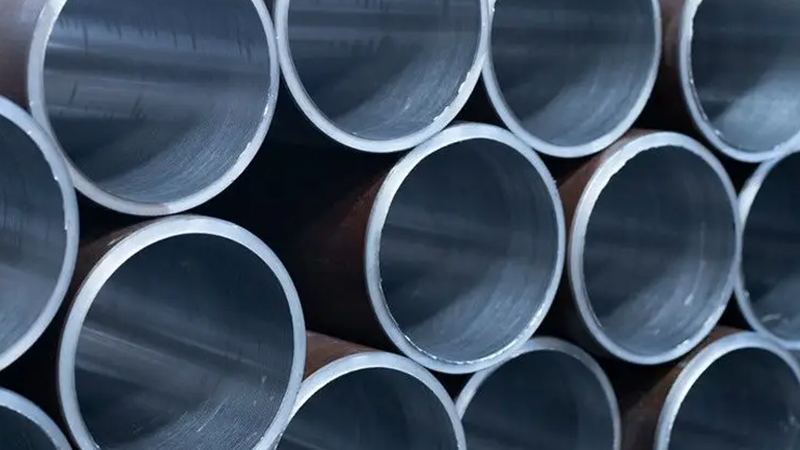
Selecting honed tubes involves more than reviewing dimensions and material grades.Manufacturing performance is often influenced by factors that become visible only after production begins.
EAST AI manufactures Honed Tubes, Chrome Plated Rods, and hydraulic cylinder components according to customer drawings and application requirements.
If you are reviewing suppliers, investigating machining inconsistencies, or looking to improve production stability, our engineering team is available to discuss technical requirements and share practical manufacturing experience.