
A Chrome Plated Rod Is More Than a Steel Rod With Chrome
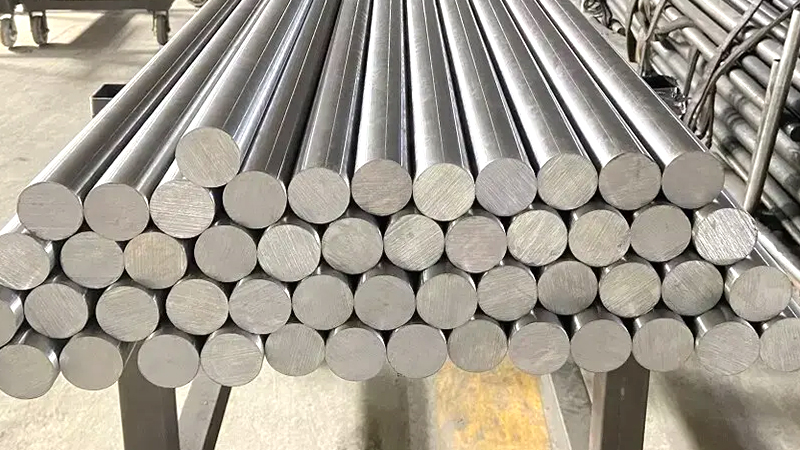
A chrome plated rod is a precision steel rod with a hard chrome layer applied to its external working surface. It is widely used as a piston rod in hydraulic cylinders because the rod needs to move repeatedly through seals and guides while being exposed to friction, moisture, contaminants, and mechanical loads.
The basic concept is simple, but the finished component is the result of several manufacturing stages. Material selection, machining, chrome plating, grinding, polishing, dimensional control, surface roughness, straightness, and inspection all contribute to the final rod used in a hydraulic cylinder.
Why Hydraulic Cylinders Need a Special Rod Surface
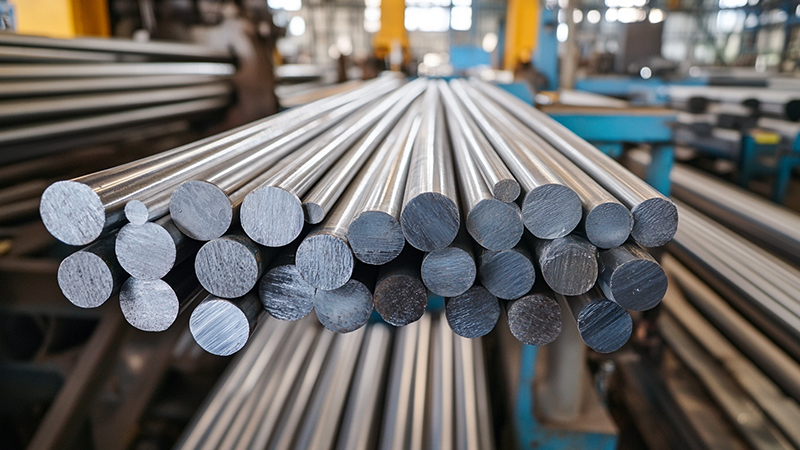
A hydraulic piston rod has a different job from an ordinary structural steel shaft. During operation, it repeatedly moves through the cylinder head and rod sealing system, while part of the rod may be exposed to the external environment.
The working surface therefore needs to provide a controlled combination of hardness, surface condition, dimensional accuracy, and corrosion resistance. Hard chrome plating provides a practical surface treatment for this type of repeated mechanical service.
How Is a Chrome Plated Rod Made?
The manufacturing process normally starts with a suitable steel material that is machined to the required dimensions. The surface is then prepared for chrome plating, after which a hard chrome layer is deposited onto the external surface.
After plating, the rod can undergo grinding and polishing to achieve the required final diameter and surface condition. This final finishing stage is important because the customer uses the finished rod dimension and surface, not simply the condition of the rod immediately after plating.
What Materials Can Be Used?
The base material determines the mechanical foundation of the rod, while the chrome layer provides the external working surface. Different hydraulic applications may therefore require different steel grades depending on strength, toughness, operating conditions, and cylinder design.
The available product information includes materials such as CK45, SAE1045, JIC45C, ST52, 4140, 42CrMo, 40Cr, 20MnV6, SS430, SS431, 304, 316, and 2205, among others. The correct material should be selected according to the customer’s drawing and application rather than assuming that one steel grade is suitable for every cylinder.
What Does the Chrome Layer Do?
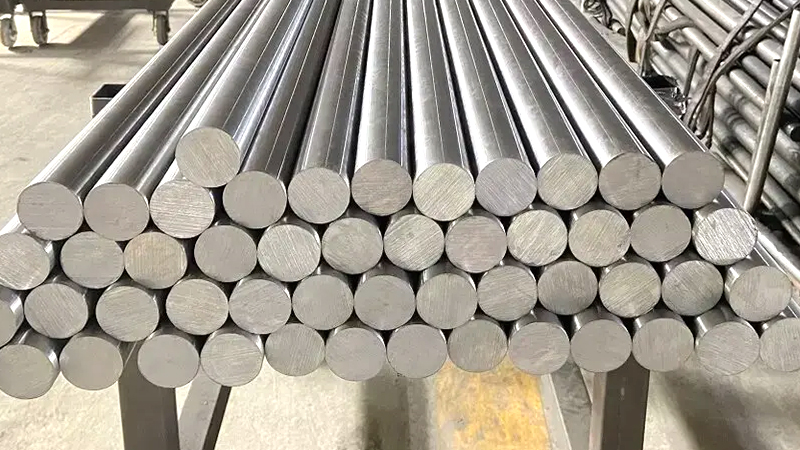
The hard chrome layer creates a hard external working surface that can provide resistance to wear and contribute to corrosion protection. This is particularly useful because the rod is repeatedly exposed to contact with seals and guides.
The available product specification lists chrome thickness from 20–100 μm and chrome layer hardness of approximately 850 HV. These values provide engineering references for the finished product, but the appropriate specification still needs to be matched to the intended application.
Why Surface Finish Matters
The rod surface interacts directly with the hydraulic cylinder’s sealing system. A controlled surface helps the seal perform its intended function while the rod moves through the cylinder during repeated operating cycles.
The available product specification lists surface roughness of Ra ≤0.2 μm. This is one reason surface roughness should be treated as a technical characteristic rather than simply describing the rod as “polished” or “smooth.”
What Sizes Are Available?
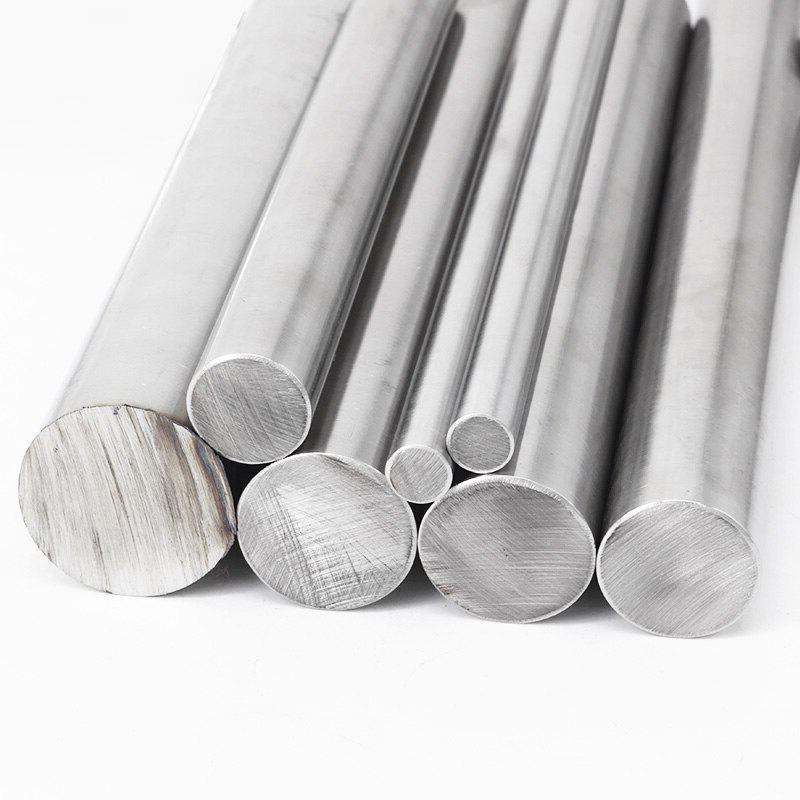
Chrome plated rods are produced across a wide range of diameters and lengths because hydraulic cylinders themselves vary greatly in size and application.
The available product specification covers diameters from 6–500 mm and lengths up to 15 m. This range can support applications from relatively compact hydraulic equipment to large industrial or mobile hydraulic cylinders, subject to the customer’s specific engineering requirements.
Where Are Chrome Plated Rods Used?
Chrome plated rods are commonly associated with hydraulic cylinders used in industrial equipment, mobile machinery, construction equipment, agricultural machinery, material handling systems, and other applications where controlled linear movement is required.
The exact rod specification changes according to the application. A construction machine may require different environmental resistance and mechanical characteristics from an indoor industrial machine, even when both use hydraulic cylinders.
How Does the Rod Work With the Cylinder?
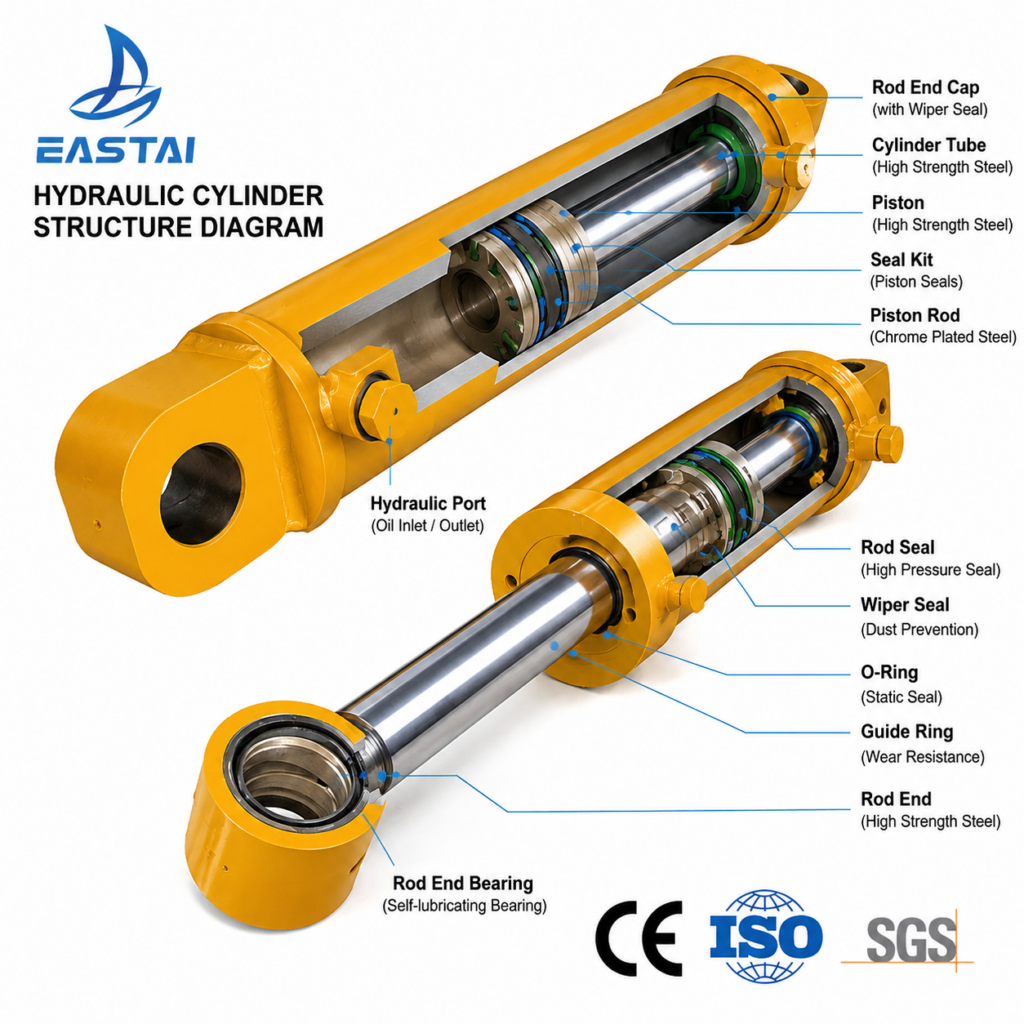
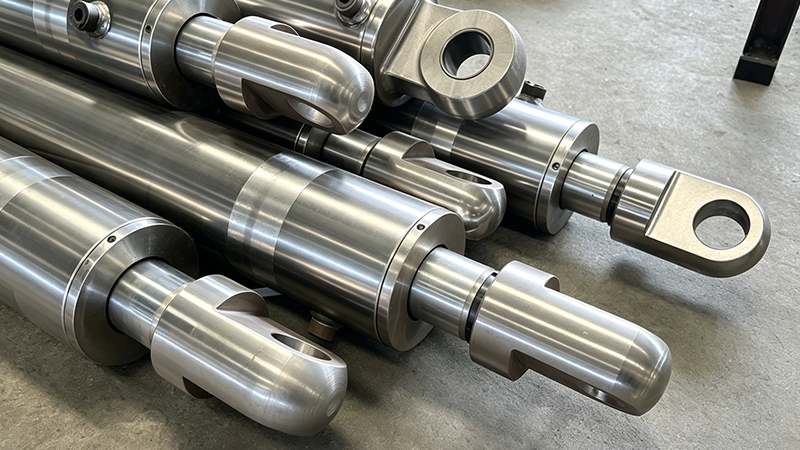
The piston rod is one component of a larger system. Inside the cylinder, the piston and seals convert hydraulic pressure into linear movement. The rod transfers this movement to the external mechanism while passing through guiding and sealing components.
This means the rod cannot be selected independently from the rest of the cylinder. Diameter, tolerance, surface roughness, straightness, material, chrome thickness, seal design, guide arrangement, and operating conditions all need to be considered together.
Why Do OEM Buyers Specify Tolerance?
Nominal diameter alone does not fully describe a precision piston rod. For example, the available product specification includes f7, f8, and g6 tolerance options, allowing the finished rod to be produced according to different engineering requirements.
The correct tolerance depends on the cylinder design and mating components. The buyer should therefore provide the applicable drawing or technical specification instead of asking only for a nominal diameter.
Chrome Plated Rod vs Ordinary Steel Rod
An ordinary steel rod may be suitable for structural applications where its external surface does not repeatedly interact with precision seals. A hydraulic piston rod has more demanding surface requirements because it becomes part of a moving sealing and guiding system.
Hard chrome plating provides a controlled external surface designed for this working environment. This is why a chrome plated rod should be considered a specialized hydraulic component rather than simply a standard steel shaft with decorative plating.
How Should You Select One?
The starting point should be the hydraulic cylinder rather than the rod catalogue. Identify the cylinder dimensions, operating pressure, stroke, environment, load, seal system, guide arrangement, and expected service conditions.
The rod specification can then be developed around those requirements. Material, diameter, tolerance, chrome thickness, surface roughness, straightness, length, and other characteristics can be confirmed with the supplier before production.
The Important Point for Hydraulic Cylinder Manufacturers
The main value of a chrome plated rod comes from the combination of its material, chrome layer, final surface condition, and dimensional accuracy. None of these characteristics should be considered completely independent from the others.
For OEM production, the most useful approach is to provide the complete technical requirement and application information. This gives the supplier a clear target and helps ensure that the finished rod is compatible with the hydraulic cylinder it will become part of.
Frequently Asked Questions
What is a chrome plated rod used for?
It is commonly used as a piston rod in hydraulic cylinders where repeated linear movement, sealing contact, surface durability, and environmental resistance are required.
How thick is the chrome layer?
The available product specification lists chrome thickness from 20–100 μm.
How hard is the chrome layer?
The available product information specifies a chrome layer hardness of approximately 850 HV.
What surface roughness is available?
The available specification lists Ra ≤0.2 μm surface roughness.
What diameters are available?
The available product range covers diameters from 6–500 mm, with lengths up to 15 m, subject to the specific product and application.
Can different materials be used?
Yes. The available material range includes carbon steels, alloy steels, stainless steels, and duplex stainless steel grades. The correct grade should be confirmed against the customer’s application and technical requirements.
Related Products & Applications
Industrial Hydraulic Applications
Construction Machinery Hydraulic Applications

Need Technical Support?
A chrome plated rod is a precision hydraulic component whose performance depends on the relationship between material, chrome layer, dimensions, surface finish, and geometry.
EAST AI supplies chrome plated rods for hydraulic cylinder manufacturers and OEM customers according to application requirements, technical drawings, dimensions, tolerances, materials, chrome thickness, and surface specifications.