
Construction Equipment Places Different Demands on Hydraulic Rods
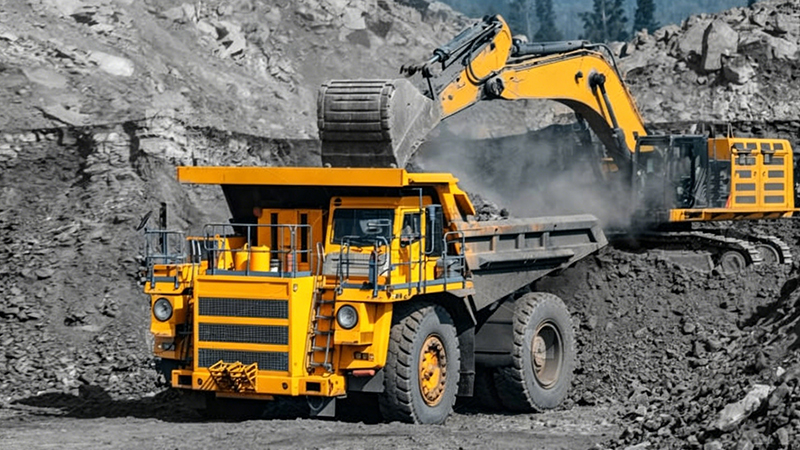
Hydraulic cylinders used on excavators, loaders, cranes, agricultural machinery, and other mobile equipment rarely operate under laboratory conditions. The piston rod may be exposed to dust, mud, moisture, impact, temperature changes, repeated loading, and long working cycles. At the same time, it must continue moving through the sealing system while maintaining the required surface condition.
This makes piston rod selection more than a question of diameter and material. Engineers need to consider the mechanical load, stroke length, operating environment, sealing system, rod exposure, and expected service life together. A chrome plated rod provides a hard working surface for repeated movement, but the complete rod specification still needs to match the actual cylinder.
For construction equipment manufacturers, the objective is usually straightforward: the rod needs to continue working reliably after repeated exposure to the conditions for which the machine was designed.
Why the Working Environment Matters
A hydraulic cylinder installed on construction equipment may spend much of its service life outdoors. The exposed rod can come into contact with water, dust, soil, abrasive particles, and other contaminants.
The sealing system is designed to protect the internal cylinder, but the rod surface remains part of that protection system. If the working surface becomes damaged or severely worn, the seal may face a more difficult operating condition.
This is one reason chrome plated rods are widely used in hydraulic applications where surface durability and corrosion resistance are important considerations. The chrome surface provides the external working layer while the steel substrate provides the structural foundation of the rod.
Load Should Be Considered Together With Rod Length
A construction equipment cylinder may experience substantial loads, but load alone does not determine the correct piston rod specification.
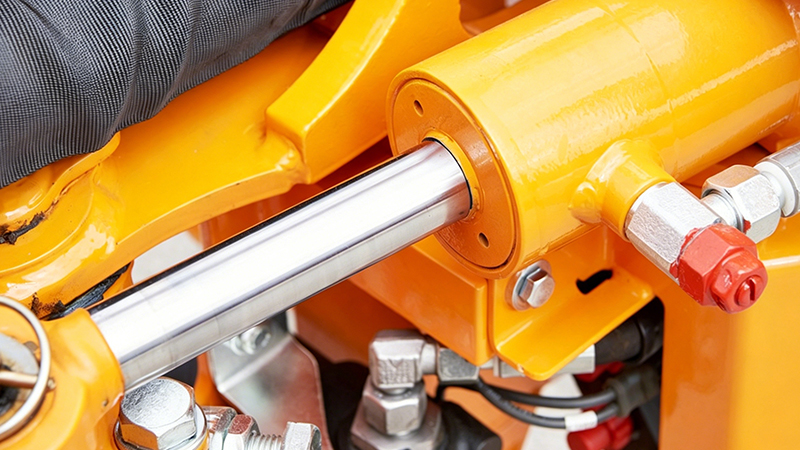
Rod diameter, unsupported length, mounting arrangement, load direction, stroke, and operating cycle all influence the mechanical condition of the rod. A long rod working under compression can require different consideration from a shorter rod working under a different loading condition.
This is particularly important for large equipment where cylinder dimensions can become significant. Selecting a rod simply because its diameter appears suitable can overlook the effect of length and loading on the complete cylinder.
Why Chrome Surface Quality Matters in Mobile Equipment
The piston rod repeatedly passes through the rod seal during cylinder operation. Every extension and retraction creates another working cycle between the rod surface and the sealing system.
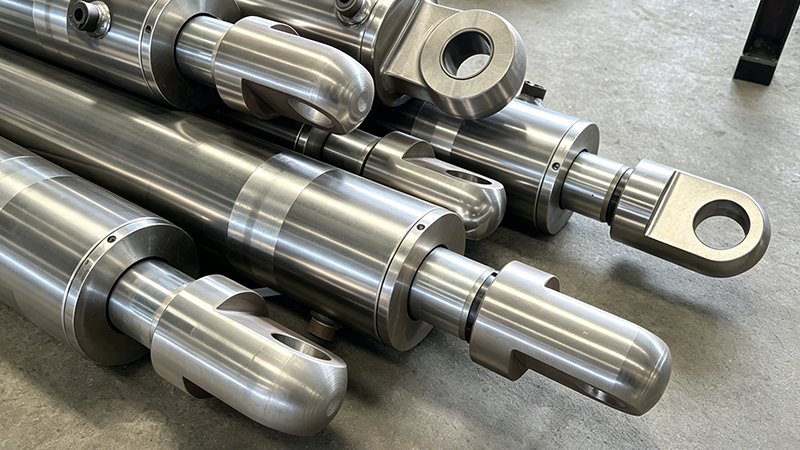
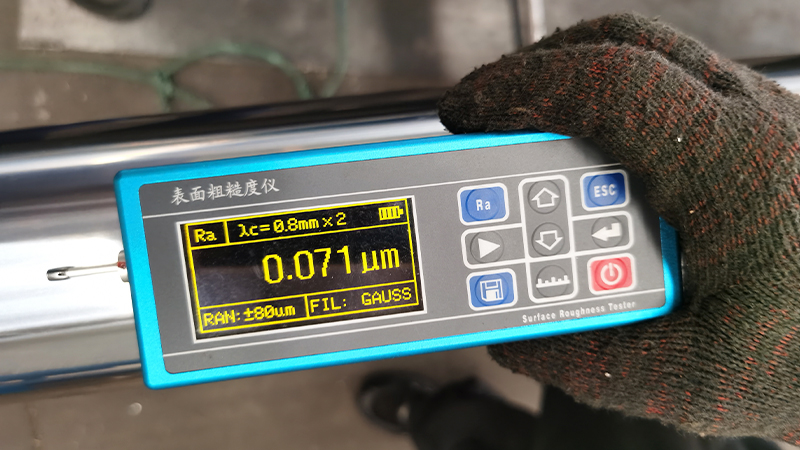
A controlled chrome plated surface provides the working condition required for this repeated movement. The surface needs to remain suitable for the sealing system while resisting the wear associated with continuous operation.
This is why the chrome layer should be considered together with the final surface finish and dimensional condition of the rod. The coating is not an isolated feature; it becomes part of the working interface of the cylinder.
Contamination Is a Real Operating Factor
Construction equipment often operates in environments where contamination cannot be completely avoided.
Fine dust, mud, water, and abrasive particles can reach the exposed portion of the piston rod. The cylinder’s wiper and sealing system must deal with these conditions, while the rod surface needs to withstand the repeated interaction created by the operating environment.
The correct response is not simply to specify the strongest possible rod. The cylinder should be designed as a complete system in which rod surface, sealing arrangement, protection, lubrication, and operating conditions work together.
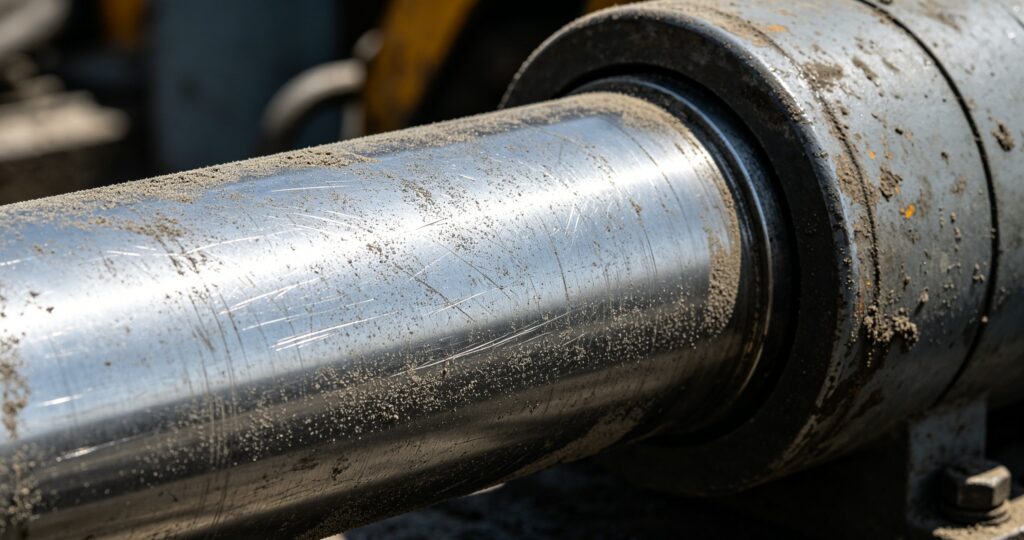
Why Rod Surface Damage Can Become a Cylinder Problem
A damaged piston rod can create problems beyond the rod itself.
Scratches, corrosion, or significant surface deterioration can interact with the sealing system during repeated movement. Depending on the location and severity of the damage, this may influence seal wear and eventually affect the cylinder’s ability to maintain the required hydraulic performance.
For this reason, rod surface condition is especially important in equipment where cylinder downtime is expensive. Preventing surface damage through appropriate rod selection and protection can be more effective than dealing with a cylinder problem after failure.
Material and Surface Treatment Have Different Jobs
The steel substrate and chrome layer should not be treated as interchangeable.
The base material provides the structural characteristics of the rod, while the chrome plated surface provides the working layer exposed to the sealing system and surrounding environment. The material therefore needs to be selected according to the mechanical requirements, while the surface treatment needs to meet the working and environmental requirements.
This distinction becomes useful when comparing different piston rod specifications. A rod with a suitable chrome surface still needs the correct structural material underneath it.
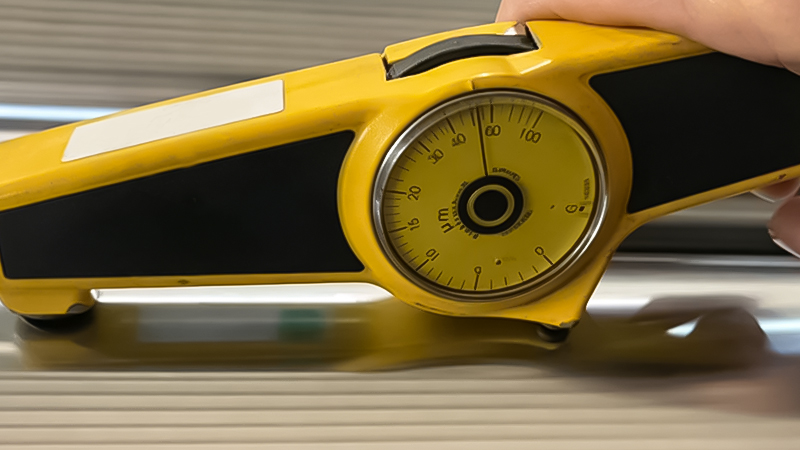
What About Long-Stroke Construction Cylinders?
Long-stroke cylinders introduce additional considerations because the rod travels a greater distance and may have a longer unsupported section.
The longer the rod, the more important it becomes to consider alignment, straightness, rod diameter, loading, and mounting conditions together. The rod also contributes more significantly to the overall moving mass of the cylinder.
For OEM equipment manufacturers, this is where supplier involvement can become valuable. The supplier should be able to manufacture the required rod specification consistently rather than treating every order as a simple standard-size product.
When Should OEMs Consider a Customized Rod?
Construction equipment manufacturers often have established cylinder drawings and specific requirements for their machines. A standard rod may be suitable for some models, while another cylinder may require a particular material, diameter, length, tolerance, or surface specification.
Customization becomes useful when the cylinder operates under unusual loads, has a long stroke, requires a special dimension, or needs a specific combination of material and surface treatment.
The important point is that customization should begin with the cylinder requirement. The supplier should understand what the rod needs to accomplish rather than simply modifying a standard product after the fact.
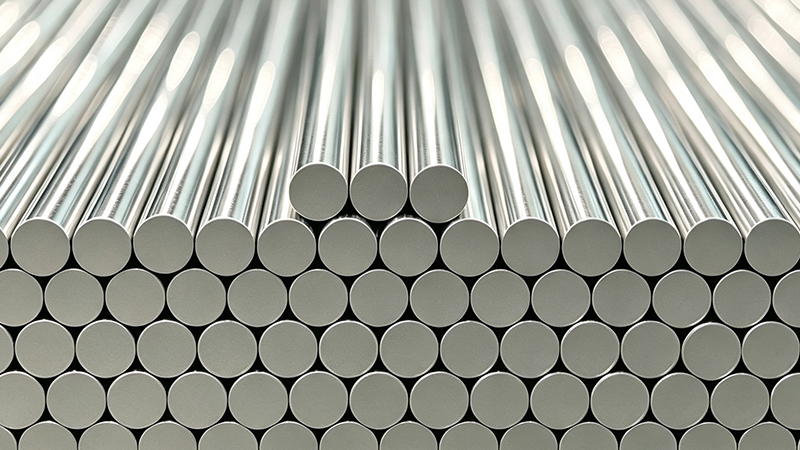
Choosing a Chrome Plated Rod Supplier
For construction equipment applications, consistency can be more important than a single impressive sample.
The supplier should be able to maintain the agreed material, dimensions, surface condition, chrome plating, and inspection requirements over repeated production. This becomes especially important for OEM manufacturers purchasing rods for multiple cylinder models.
A stable production process reduces the risk of receiving components with inconsistent characteristics that later create assembly or field-performance issues.
Chrome Plated Rods Are Part of the Hydraulic Solution
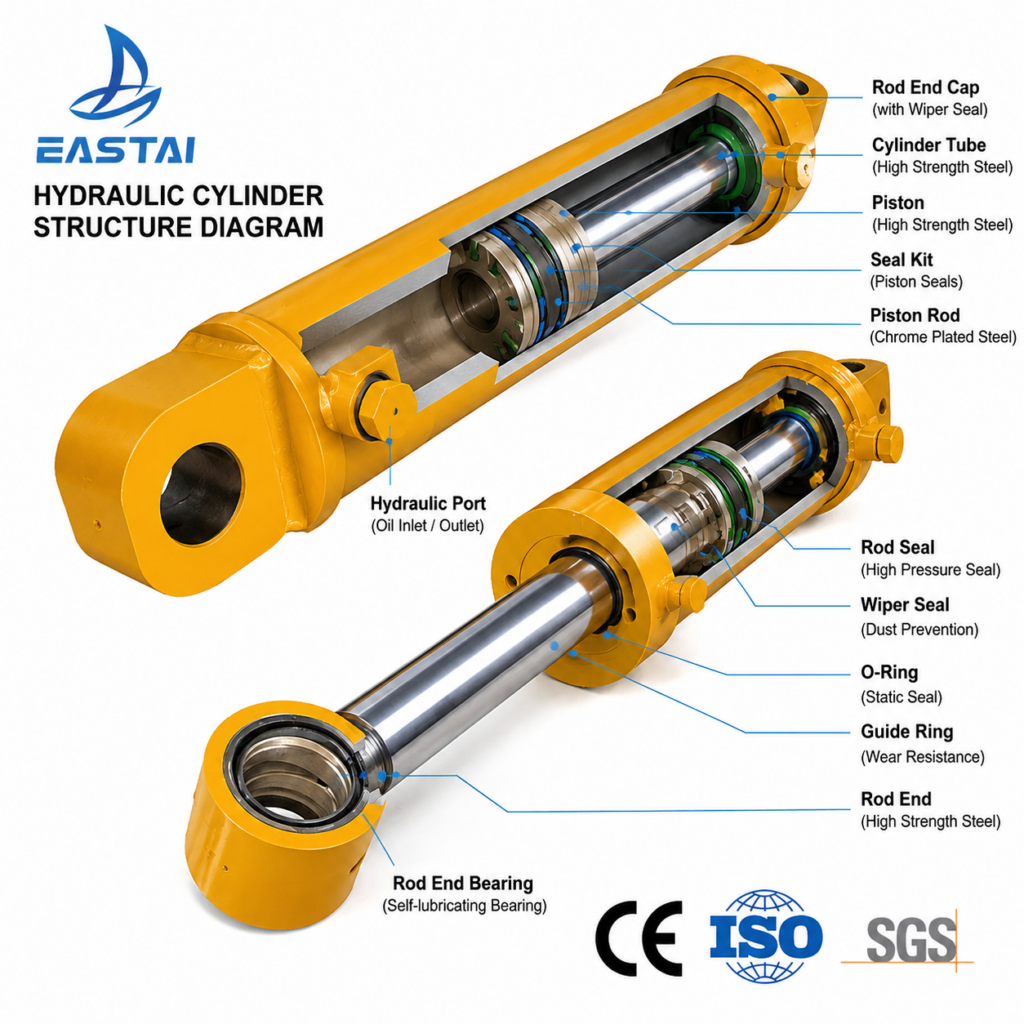
The piston rod is only one component of a hydraulic cylinder, but it has a direct relationship with the sealing system and the outside working environment.
For construction equipment, the correct rod needs to balance structural requirements with surface durability and environmental resistance. Load, stroke, material, diameter, surface treatment, sealing, and equipment conditions all need to be considered together.
A properly selected chrome plated rod gives the cylinder a more suitable working surface and provides the foundation for reliable repeated movement in demanding mobile equipment.
Frequently Asked Questions
Why are chrome plated rods used in construction equipment?
They provide a hard working surface designed for repeated movement through hydraulic seals while offering additional resistance to surface wear and environmental exposure.
Is rod diameter the only important factor?
No. Rod length, load direction, stroke, mounting arrangement, material, surface condition, and operating environment also influence rod selection.
Why is the exposed rod surface important?
The exposed surface can encounter dust, moisture, mud, and other contaminants. Its condition directly affects the environment in which the rod seal operates.
Can the same chrome plated rod be used for every hydraulic cylinder?
Not necessarily. Different cylinders may require different materials, dimensions, surface specifications, and mechanical characteristics.
Are construction equipment cylinders harder on piston rods?
They can be. Mobile equipment may expose cylinders to repeated loading, contamination, impact, outdoor conditions, and long working cycles.
What should an OEM provide when requesting a chrome plated rod?
The cylinder drawing or technical specification should ideally include material, diameter, length, tolerance, surface requirements, chrome specification, straightness, and other application-specific requirements.
Related Products & Applications
Construction Machinery Hydraulic Cylinders
Heavy Equipment Hydraulic Applications

Need Technical Support?
Construction equipment places demanding requirements on hydraulic cylinders, and the piston rod needs to work reliably within that complete system. The correct specification depends on the mechanical load, rod dimensions, surface requirements, sealing system, and operating environment.
EAST AI supplies chrome plated rods for hydraulic cylinder manufacturers and OEM applications, supporting different material, dimensional, surface, and application requirements.