
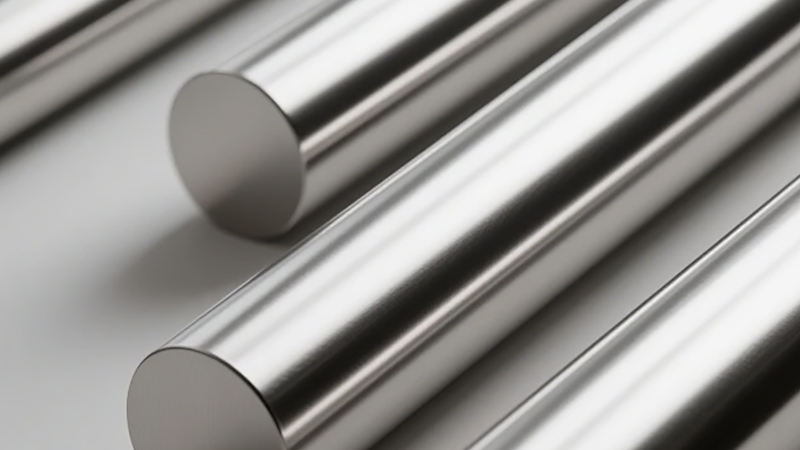
Why Material Selection Matters in Hydraulic Cylinder Components
Material selection is one of the most important decisions when manufacturing hydraulic cylinder components. Although a hydraulic cylinder may appear to be a simple mechanical assembly, every component must withstand repeated loads, pressure changes, environmental exposure, and long-term operating cycles.
For components such as chrome plated rods, the steel grade directly influences mechanical strength, machining performance, surface treatment quality, and service reliability. Choosing an unsuitable material may not create immediate problems during production, but it can affect durability after the equipment enters real working conditions.
For hydraulic cylinder manufacturers and OEM customers, material selection is not only a technical requirement. It is also related to product reliability, customer expectations, and long-term supply stability.
Two commonly used materials in hydraulic cylinder rod applications are 20MnV6 and CK45. Understanding their characteristics helps engineers make better decisions according to different application requirements.
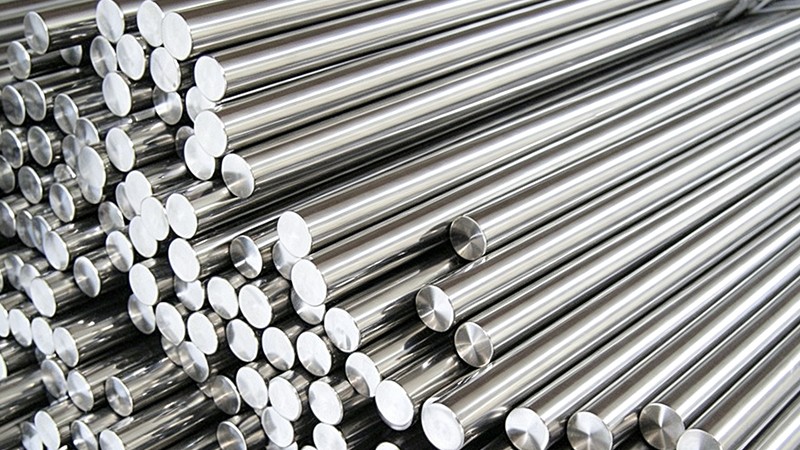
Understanding CK45 Steel for Hydraulic Cylinder Applications
CK45 is a medium carbon steel widely used in mechanical engineering applications. Due to its good balance between strength, machinability, and availability, it has become a common choice for hydraulic cylinder components, especially chrome plated rods.
The material provides suitable mechanical properties for many standard hydraulic applications where reliable strength and surface performance are required. After appropriate machining and chrome plating processes, CK45 rods can achieve the surface characteristics needed for many hydraulic cylinder systems.
For general industrial equipment, agricultural machinery, and standard hydraulic applications, CK45 remains a practical and cost-effective material option.
However, material selection should always consider the actual operating environment. Applications involving extreme temperatures, demanding loads, or special performance requirements may require alternative material solutions.
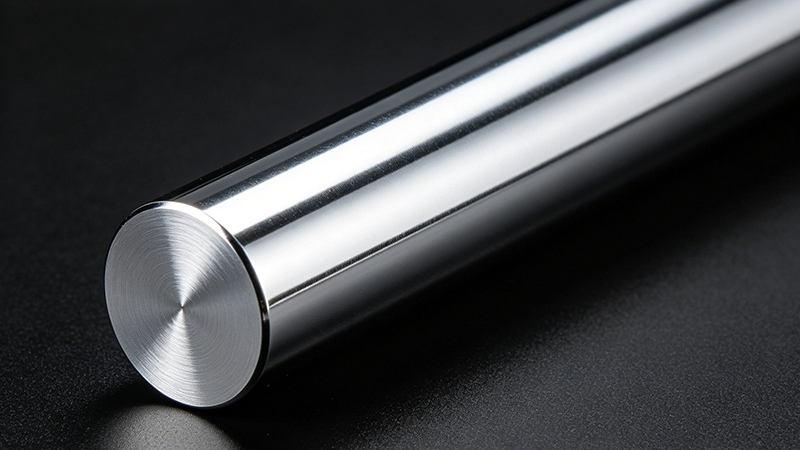
Understanding 20MnV6 Steel for Hydraulic Cylinder Components
20MnV6 is a micro-alloyed steel commonly used in European hydraulic cylinder applications. It is known for its consistent mechanical properties and good performance in precision hydraulic components.
Compared with conventional carbon steel materials, 20MnV6 provides advantages in dimensional stability and manufacturing consistency, making it suitable for applications where reliable performance and repeatable quality are important.
This material is often selected for demanding hydraulic cylinder rod applications, especially in markets where customers require stable material performance, controlled production processes, and compliance with European engineering expectations.
For OEM manufacturers supplying high-quality equipment, material consistency can become an important factor when selecting hydraulic component suppliers.
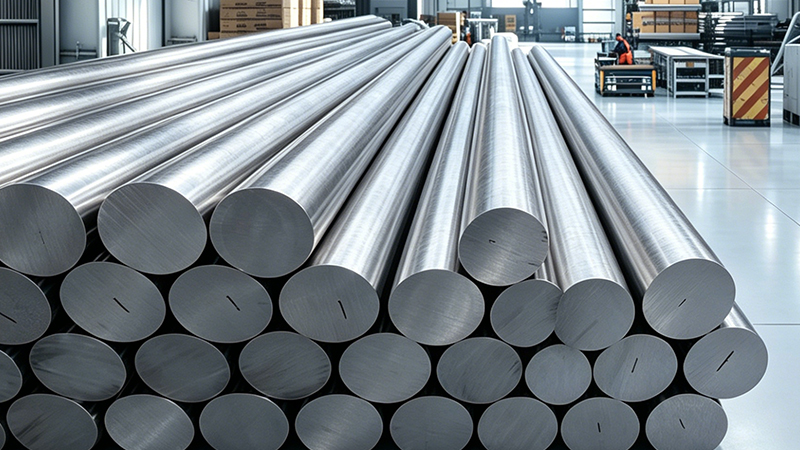
Key Differences Between 20MnV6 and CK45
The main difference between 20MnV6 and CK45 is not simply strength. Their differences are reflected in material structure, application preference, manufacturing requirements, and market acceptance.
CK45 is widely used because it provides a good balance between performance and cost. It is suitable for many standard hydraulic cylinder applications where operating conditions are well understood.
20MnV6 is often chosen when customers require higher consistency and specific engineering characteristics, particularly in European markets where hydraulic component quality requirements are typically strict.
The correct choice depends on the application, production requirements, customer expectations, and operating environment.
How Material Choice Influences Chrome Plated Rod Performance
The steel material provides the foundation of a chrome plated rod, but the final performance depends on the complete manufacturing process.
A high-quality hydraulic cylinder rod requires suitable raw material, precise machining, controlled heat treatment, accurate straightness, and reliable chrome plating quality.
Even when two rods have the same external dimensions, differences in material quality can influence machining stability, surface treatment results, and long-term durability.
For this reason, professional hydraulic cylinder manufacturers evaluate the complete production chain rather than focusing only on the final appearance of the chrome plated surface.
Choosing Between 20MnV6 and CK45 for Different Applications
There is no universal material that is suitable for every hydraulic cylinder application. The correct choice depends on the working environment, performance requirements, and customer expectations.
CK45 is often suitable for standard hydraulic systems where cost efficiency and reliable performance are important considerations. It is widely accepted in many industrial applications and provides a practical solution for common hydraulic cylinders.
20MnV6 is often preferred for higher-demand applications where material consistency, European standards, and long-term reliability are important factors.
For OEM manufacturers, understanding the final application is the key to selecting the correct material.
Why Material Traceability Matters for Hydraulic Cylinder Manufacturers
For professional hydraulic component suppliers, material traceability is an important part of quality control.
Hydraulic cylinder manufacturers need confidence that every batch of material meets the required specifications. Consistent material properties help maintain stable machining processes, predictable surface treatment results, and reliable final performance.
Material certificates and production control provide additional confidence for customers, especially when supplying equipment for demanding industries.
A reliable supplier does not only provide steel components. They provide confidence that every production batch meets the expected requirements.
How to Select a Reliable Chrome Plated Rod Supplier
When selecting a chrome plated rod supplier, buyers should evaluate more than price and availability.
Important factors include material control, machining capability, chrome plating quality, dimensional accuracy, inspection procedures, and production consistency.
A supplier with stable manufacturing processes can help customers reduce quality risks and maintain consistent hydraulic cylinder production.
For OEM manufacturers, supplier reliability becomes an important part of their own product quality.
Frequently Asked Questions
Is 20MnV6 better than CK45 for hydraulic cylinder rods?
Neither material is universally better. The correct choice depends on application requirements, operating conditions, customer standards, and performance expectations.
Why is CK45 commonly used for chrome plated rods?
CK45 provides a good balance between mechanical properties, machinability, availability, and cost, making it suitable for many standard hydraulic applications.
Why do European customers prefer 20MnV6?
20MnV6 is widely recognized in European hydraulic applications because of its consistent performance and suitability for precision components.
Does material affect chrome plating quality?
Yes. The base material influences machining stability, surface preparation, and the final performance of the chrome plated surface.
What information should buyers request from suppliers?
Buyers should evaluate material certificates, dimensional inspection, production capability, and quality control procedures.
Which material should OEM hydraulic cylinder manufacturers choose?
The choice should be based on the actual application, required performance, market expectations, and long-term reliability requirements.
Related Reading
How Surface Finish Affects Hydraulic Cylinder Rod Performance
Hydraulic Cylinder Components: Material Selection Guide

Need Technical Support?
Selecting the correct material is the first step toward producing reliable hydraulic cylinder components.
EAST AI supplies precision Honed Tubes and Chrome Plated Rods with controlled manufacturing processes, stable quality, and material traceability for hydraulic cylinder manufacturers.
Understanding material differences helps OEM customers choose components that deliver consistent performance throughout the equipment lifecycle.