
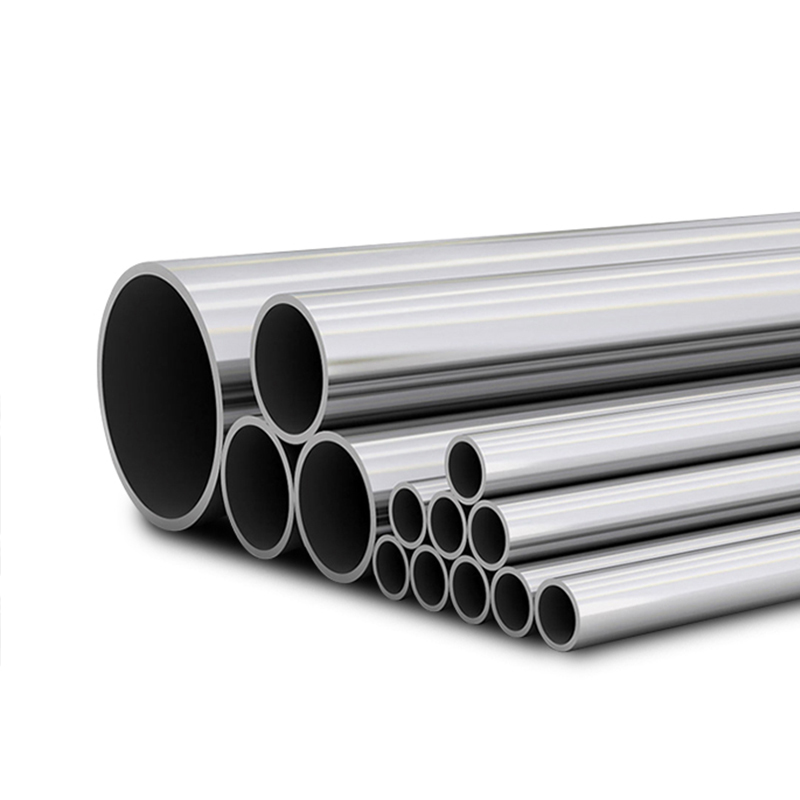
Why Wall Thickness Matters
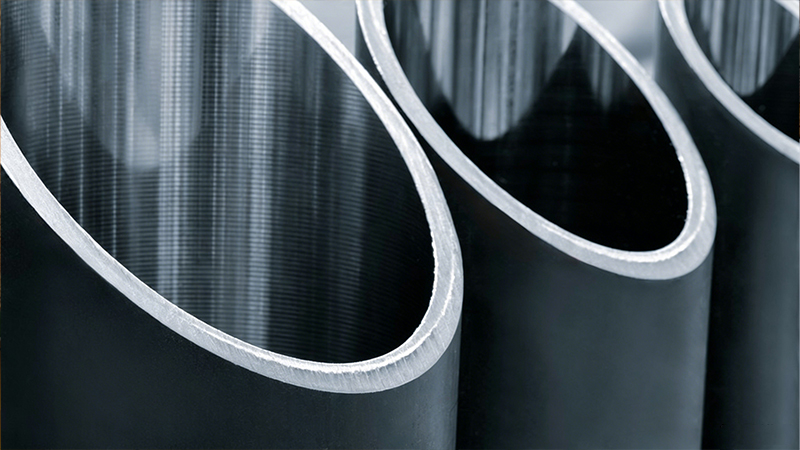
When selecting a honed tube for a hydraulic cylinder, buyers often focus first on the internal bore. However, wall thickness is also an important part of the cylinder barrel because it connects the internal working diameter with the external structural dimension.
Wall thickness is determined by the relationship between the inside diameter and outside diameter. For hydraulic cylinder manufacturers, this relationship needs to be considered together with operating pressure, load, cylinder size and the material selected for the barrel.
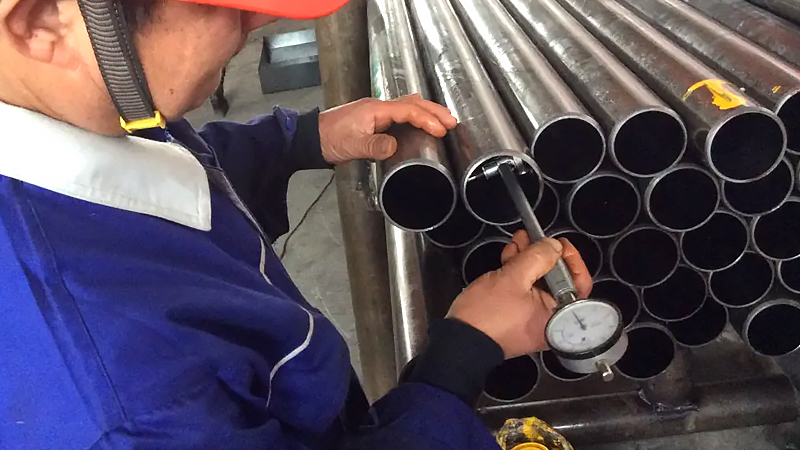
How Is Tube Wall Thickness Determined?
The basic wall thickness can be understood from the difference between the outside diameter and inside diameter of the tube. In practical hydraulic cylinder manufacturing, however, the final design involves more than simply calculating this dimensional difference.
The engineer also needs to consider the cylinder’s operating conditions and mechanical requirements. A hydraulic cylinder tube therefore should be selected from the finished cylinder design rather than from a single dimension.
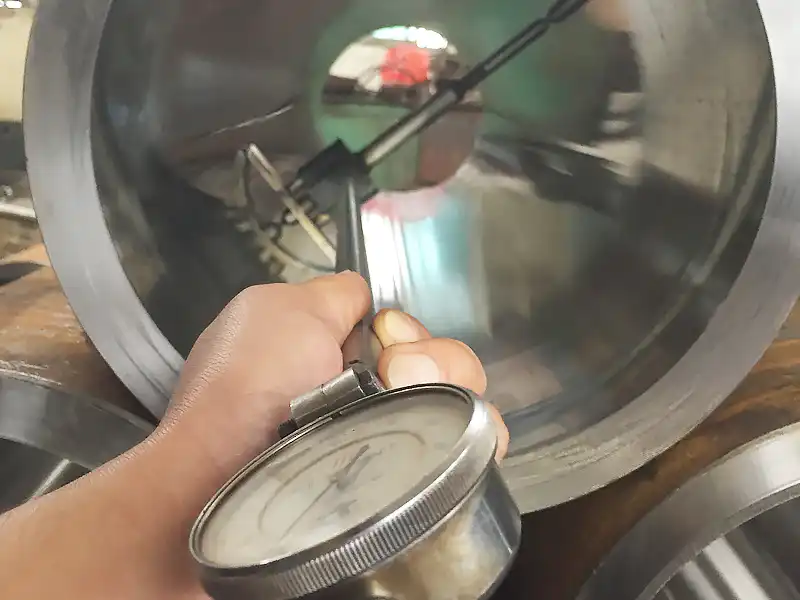
Bore Size and Outside Diameter
A cylinder tube has two fundamental diameter dimensions: the internal bore and the outside diameter. The bore defines the working space for the piston, while the outside diameter contributes to the overall structure of the cylinder barrel.
If the bore remains fixed while the outside diameter increases, the wall becomes thicker. If the outside diameter remains fixed while the bore increases, the wall becomes thinner. This simple relationship is important when developing cylinder dimensions.
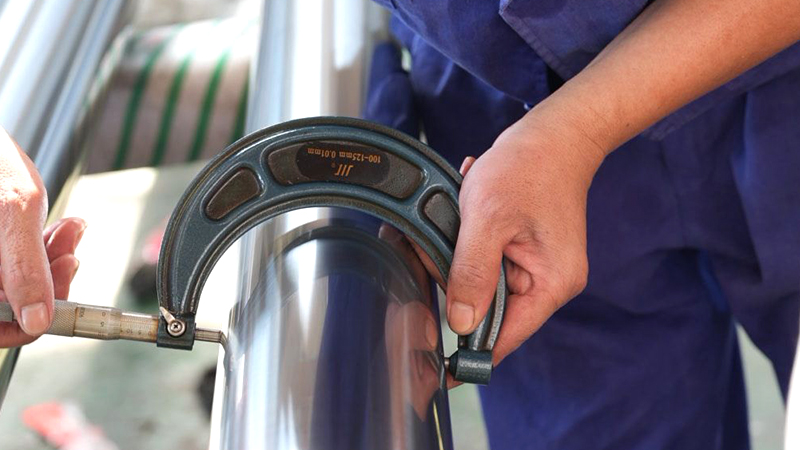
Why Operating Pressure Matters
Hydraulic pressure creates forces within the cylinder, and the barrel must be capable of handling the loads associated with its operating conditions.
For this reason, wall thickness should not be selected only by comparing available tube sizes. The hydraulic cylinder’s pressure rating, diameter, load and overall construction should be evaluated by the cylinder designer before the final honed cylinder tube specification is established.
Material Also Affects the Design
Two tubes with the same dimensions can have different mechanical characteristics if they are manufactured from different materials or grades.
The appropriate material for a honed tube should therefore be selected according to the cylinder design and application. Material strength, manufacturing condition and operating environment can all influence the engineering decision.
Honed Tube Is More Than a Thick-Wall Tube
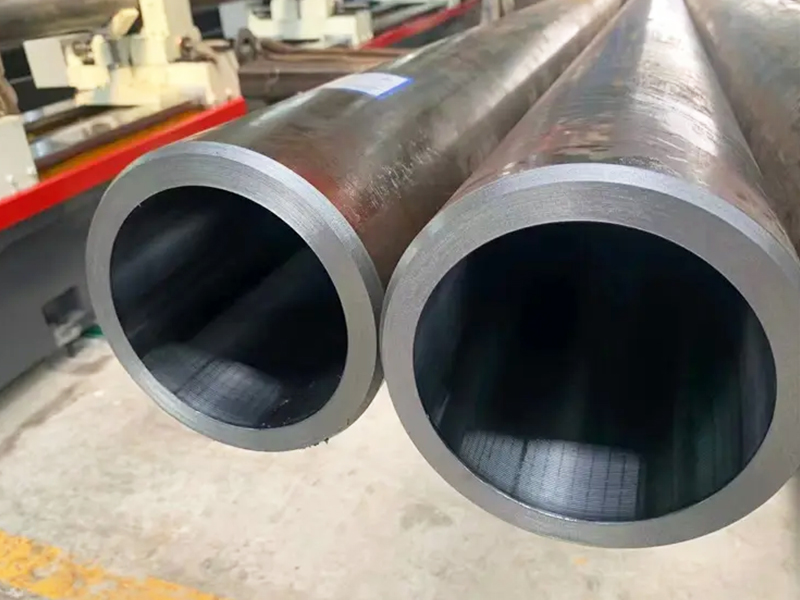
Wall thickness describes the structural geometry of the tube, while honing describes the condition of the internal bore. These are different characteristics.
A tube can have sufficient wall thickness but still require the correct internal honing process to achieve the bore condition needed by the hydraulic cylinder. For OEM buyers, both structural and internal surface requirements need to be included in the specification.

The Importance of Bore Accuracy
The internal diameter of a hydraulic cylinder tube must be controlled because the piston and sealing components are designed around this dimension.
Bore tolerance therefore becomes particularly important for repeat production. Consistent dimensions help the manufacturer maintain predictable assembly conditions and reduce unnecessary adjustment during cylinder production.
Wall Thickness and Cylinder Weight
Increasing wall thickness generally increases the amount of steel used in the cylinder barrel. This can affect the finished cylinder’s weight, which may be important in mobile machinery and other applications where overall equipment weight is a consideration.
The objective is therefore not simply to make the tube as thick as possible. The final design should balance mechanical requirements, dimensions, weight and manufacturing considerations.
Mobile Hydraulic Cylinders
Mobile equipment can place different requirements on hydraulic cylinders compared with stationary industrial systems. Construction machinery, agricultural equipment and other mobile applications may experience vibration, shock loading and changing environmental conditions.
For these applications, the honed tube should be selected as part of the complete cylinder design. Bore, wall thickness, material and overall dimensions should reflect the actual operating environment.
Industrial Hydraulic Cylinders
Industrial hydraulic cylinders can also require substantial mechanical capability, particularly in heavy-duty machinery, presses and material handling equipment.
At the same time, industrial manufacturers often value repeatability because cylinders may be produced in standardized series. A consistent honed cylinder tube specification can help maintain stable production across repeated orders.
What Should Buyers Provide?
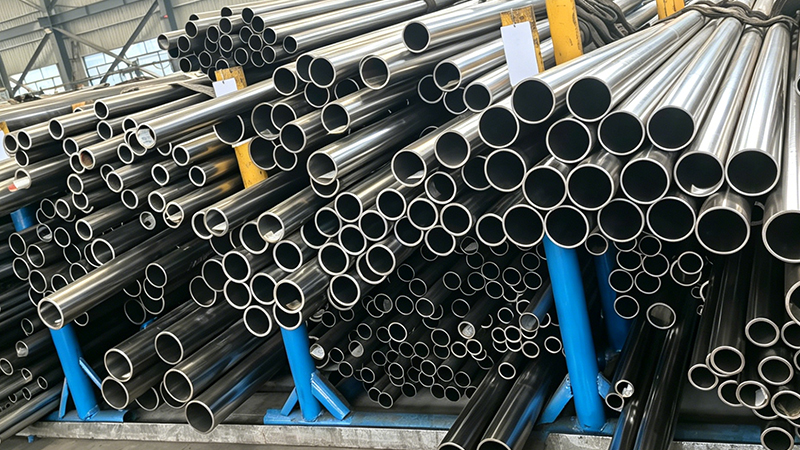
When requesting a quotation, buyers should ideally provide inside diameter, outside diameter, length, material, tolerance, surface requirements and quantity.
For a customized cylinder barrel, a technical drawing is even more useful. It gives the supplier the complete dimensional context rather than requiring individual dimensions to be interpreted independently.
Avoid Selecting a Tube by Bore Alone
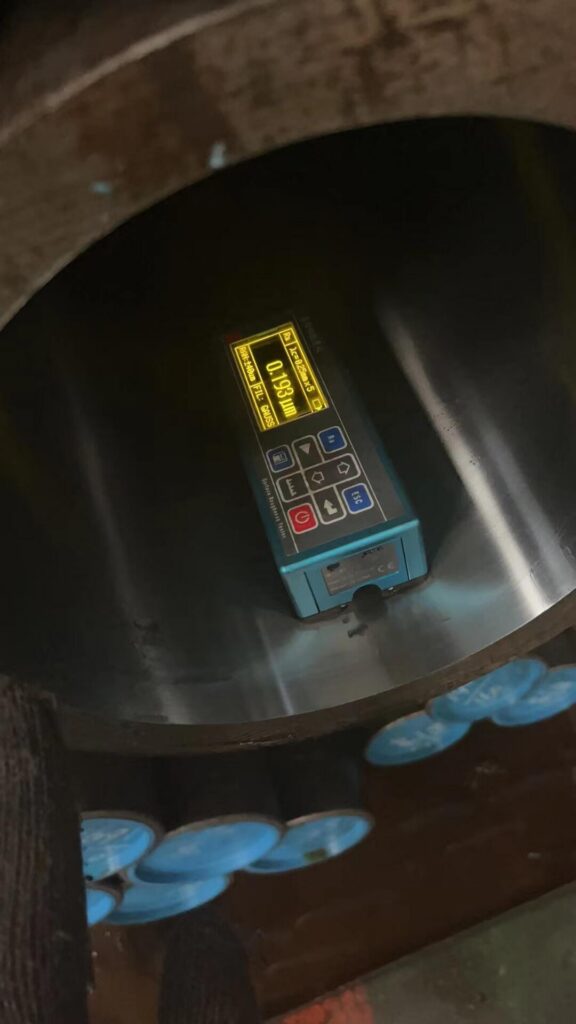
Two tubes may have the same internal bore while having different outside diameters and therefore different wall thicknesses.
This means that ordering a hydraulic cylinder tube simply by bore size can create unnecessary ambiguity. A complete dimensional specification helps ensure that the supplied tube fits the intended cylinder design.
A Balanced Approach to Tube Selection
The correct honed tube wall thickness is ultimately determined by the cylinder’s engineering requirements. Bore, outside diameter, material, operating pressure, load and application should be considered together.
For OEM manufacturers, this approach also makes supplier communication easier because the tube is specified as a component of a particular cylinder design rather than as a generic steel tube.
Frequently Asked Questions
Why is wall thickness important in a hydraulic cylinder tube?
It contributes to the structural design of the cylinder barrel and must be considered together with pressure, load, material and dimensions.
Can I select a honed tube only by inside diameter?
It is better to specify both inside and outside diameter when both are controlled by the cylinder design.
Does thicker always mean better?
No. The appropriate wall thickness depends on the complete engineering requirements and should not simply be maximized.
Does honing determine wall thickness?
No. Honing controls the internal bore condition, while wall thickness is determined by the relationship between inside and outside diameter.
Related Products & Applications
Construction Machinery Applications
Agricultural Hydraulic Applications
Industrial Hydraulic Applications
Need Technical Support?
The correct honed tube should match the complete hydraulic cylinder design, including bore, outside diameter, wall thickness, material and internal surface requirements.
EAI provides precision tube solutions for hydraulic cylinder manufacturers and OEM customers according to technical specifications.