
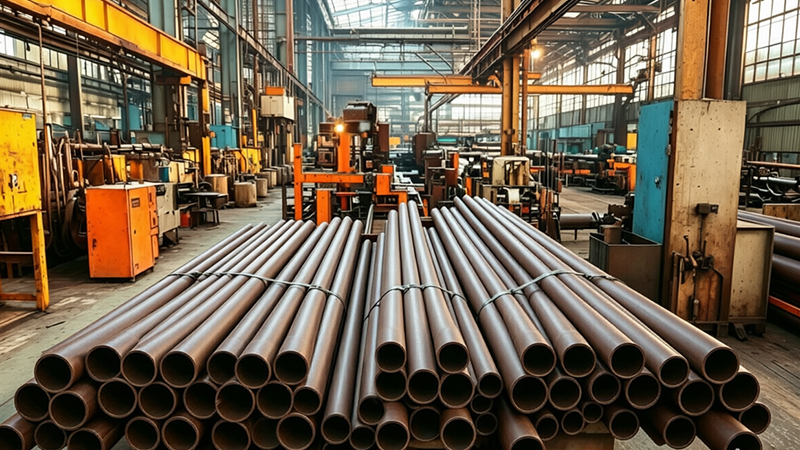
Why Cylinder Tube Wear Deserves Attention
The internal bore of a hydraulic cylinder tube is one of the most important working surfaces in the cylinder. The piston and its seals move repeatedly inside this bore, so changes in surface condition can eventually affect friction, sealing and cylinder performance.
When premature wear appears inside a cylinder, the tube itself is not necessarily the only cause. Bore condition, hydraulic contamination, piston and seal condition, alignment, lubrication and operating load can all contribute to the actual wear pattern.
The Role of the Honed Surface
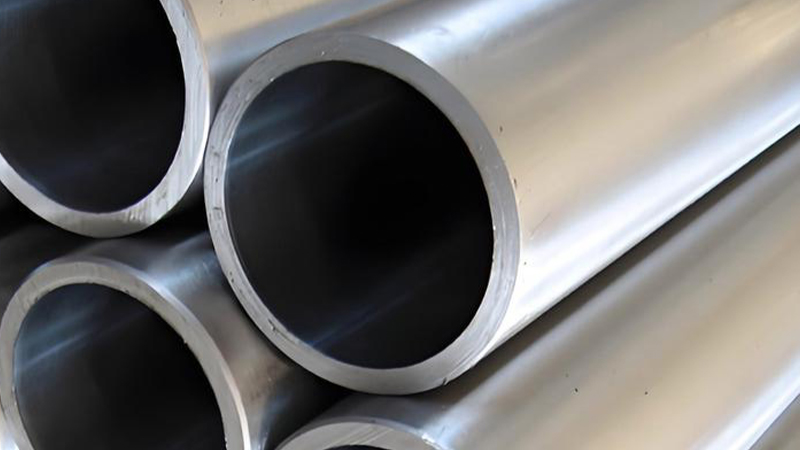
A honed tube is manufactured with a controlled internal surface intended for hydraulic cylinder applications. Honing improves bore geometry and surface condition so that the internal wall is suitable for interaction with the piston and sealing system.
The objective is not simply to make the bore look smooth. The finished surface needs to meet the dimensional and roughness requirements of the cylinder design, because the internal bore becomes part of the working system after assembly.
Contamination Can Accelerate Wear
Hydraulic systems operate with moving components and hydraulic fluid, and contamination can introduce abrasive particles into the cylinder. When contaminants enter the working interface between seals, piston components and the bore, they can increase surface wear.
This is why hydraulic cleanliness and filtration are important parts of cylinder service life. A well-finished honed cylinder tube cannot compensate indefinitely for severe contamination inside the hydraulic system.
Seal Condition Also Matters
The piston and sealing elements are designed to control hydraulic fluid while allowing the piston to move through the cylinder bore. If seals become damaged, worn or contaminated, their interaction with the tube can change.
A damaged seal can also allow contaminants or fluid conditions to affect the cylinder differently from the original design. Tube wear should therefore be investigated together with piston and seal condition instead of treating the bore as an isolated component.
Alignment and Side Loading
Hydraulic cylinders are designed to produce controlled linear movement, but the actual application may introduce side loads or misalignment. These forces can change how the piston and guide components interact with the cylinder bore.
In demanding applications, the tube, piston, guide and piston rod need to work as a coordinated system. A suitable hydraulic cylinder tube should therefore be selected according to the complete cylinder design rather than only its nominal bore.
Why Bore Accuracy Matters
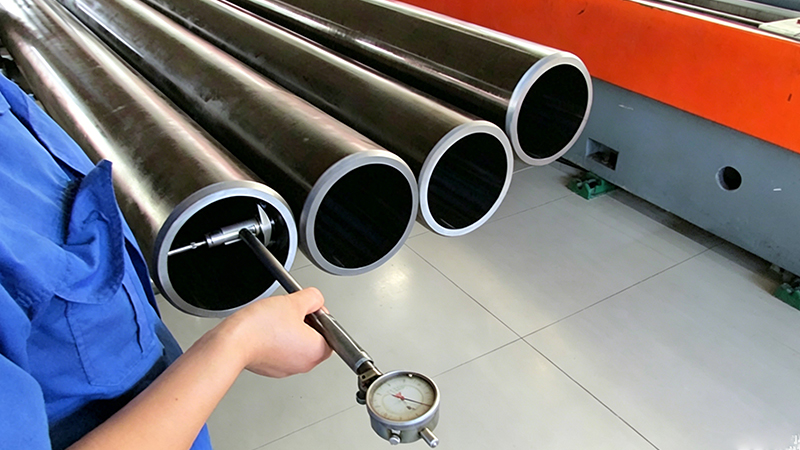
Bore diameter and tolerance determine the dimensional relationship between the cylinder tube and its internal components. If the bore is outside the intended specification, the cylinder assembly may not perform according to the original design.
For OEM manufacturing, controlling the bore before assembly is particularly important because repeated production requires predictable dimensions from one tube to the next.
Surface Roughness and Friction
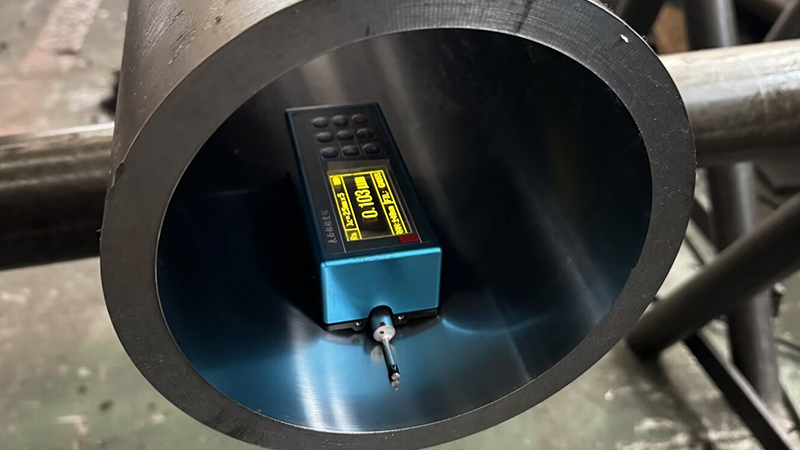
Surface roughness affects how the internal bore interacts with seals and moving components. An uncontrolled or inappropriate surface can influence friction and the behavior of the sealing interface.
The available product specification for EAST AI honed products includes controlled internal surface requirements. For a specific cylinder, the final roughness should always be confirmed against the customer’s drawing and sealing system.
Material Selection Also Plays a Role
The tube material forms the structural foundation of the cylinder barrel. The appropriate material depends on cylinder dimensions, operating pressure, mechanical loading and application environment.
A material that is suitable for a standard industrial cylinder may not necessarily be the preferred choice for every heavy-duty application. Material selection should therefore be made together with the cylinder’s mechanical requirements.
Why Honed Tubes Are Used
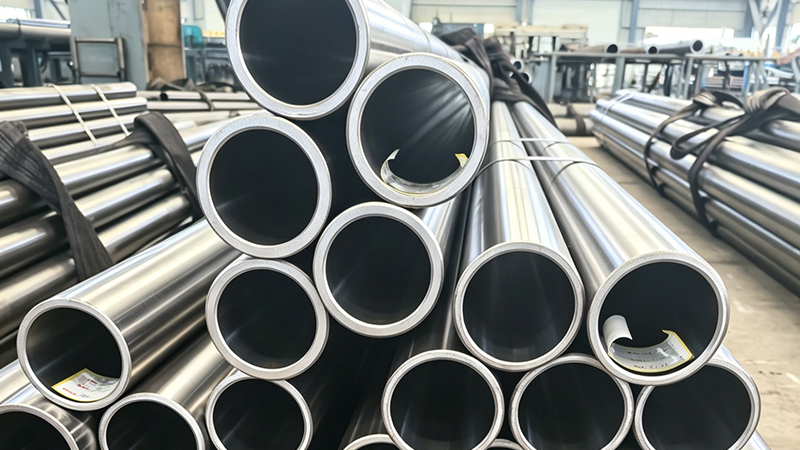
The purpose of using a honed tube is to start cylinder manufacturing with a controlled internal bore rather than a general-purpose tube requiring extensive internal finishing.
For manufacturers producing hydraulic cylinders repeatedly, this can simplify production planning and provide a more consistent starting condition. The exact amount of additional machining still depends on the customer’s manufacturing process.
Preventing Premature Tube Wear
Reducing tube wear starts with the complete hydraulic system. Correct bore specifications, suitable seals, clean hydraulic fluid, appropriate lubrication, correct alignment and proper operating conditions all contribute to the service life of the cylinder.
From the manufacturing side, selecting a properly specified hydraulic cylinder tube gives the cylinder manufacturer a controlled foundation. From the service side, maintaining the hydraulic system helps preserve that original condition.
What OEM Buyers Should Specify
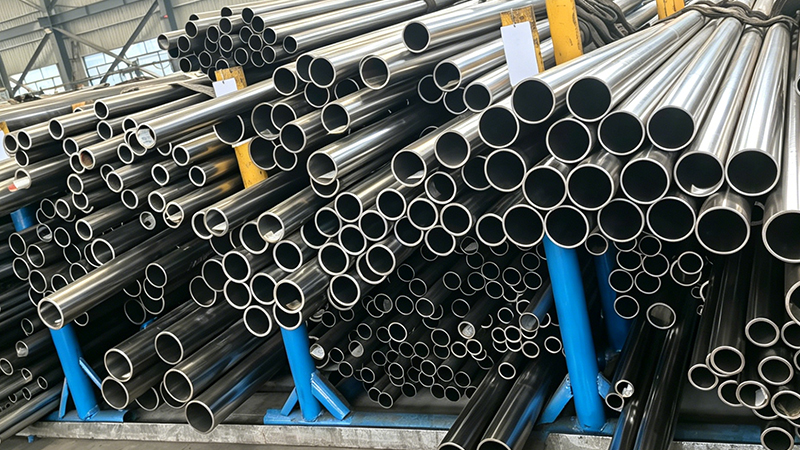
When purchasing a tube for hydraulic cylinder production, buyers should define the required material, inside diameter, outside diameter, length, bore tolerance and internal surface requirements.
Providing the application or technical drawing is also useful. It allows the supplier to understand whether the tube will be used for industrial, mobile, agricultural or construction hydraulic equipment.
A Tube Problem Is Not Always a Tube Problem
When a hydraulic cylinder shows internal wear, replacing the tube may solve the immediate issue but not necessarily the underlying cause. If contamination, side loading, misalignment or seal failure remains, the replacement component can experience the same problem.
A better approach is to inspect the complete cylinder system. The condition of the honed cylinder tube, piston, seals, guide and hydraulic circuit should be considered together when determining the cause of premature wear.
Frequently Asked Questions
Why does a hydraulic cylinder tube wear?
Possible causes include contamination, unsuitable surface condition, seal problems, misalignment, side loading, lubrication issues and demanding operating conditions.
Does honing prevent cylinder tube wear?
Honing provides a controlled internal surface suitable for the intended cylinder application, but it cannot eliminate wear caused by severe operating conditions or hydraulic contamination.
Why is surface roughness important?
The bore interacts with seals and moving components, so surface condition can influence friction, sealing behavior and wear.
Can tube material affect service life?
Yes. Material selection should match the cylinder’s mechanical requirements and operating environment.
Related Products & Applications
Industrial Hydraulic Applications
Construction Machinery Applications
Agricultural Hydraulic Applications

Need Technical Support?
A durable hydraulic cylinder tube depends on more than the tube itself. Bore accuracy, internal surface condition, material and the complete cylinder design all need to work together.
EAI supplies honed tube solutions for hydraulic cylinder manufacturers and OEM customers according to application and technical requirements.