

Material Selection Starts With the Cylinder Application
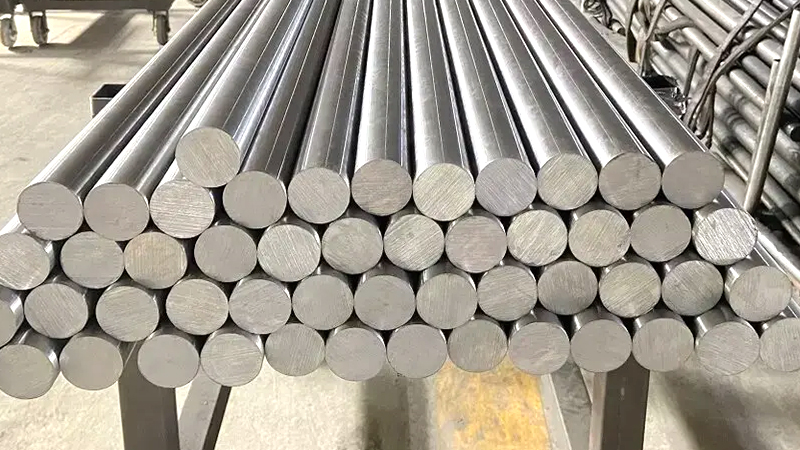
Choosing a chrome plated rod is not simply a matter of selecting a diameter and adding a chrome layer. The steel beneath the coating provides the structural properties of the rod, while the chrome surface provides the working layer that interacts with seals, guides, and the external environment.
This becomes especially important when hydraulic cylinders operate under different loads, strokes, speeds, or environmental conditions. A rod used in a standard industrial cylinder does not necessarily require the same base material as one used in heavy-duty construction equipment or a demanding OEM hydraulic system.
The right material should therefore be selected from the actual cylinder requirements first, with the chrome plating and finishing specifications considered as part of the complete rod.
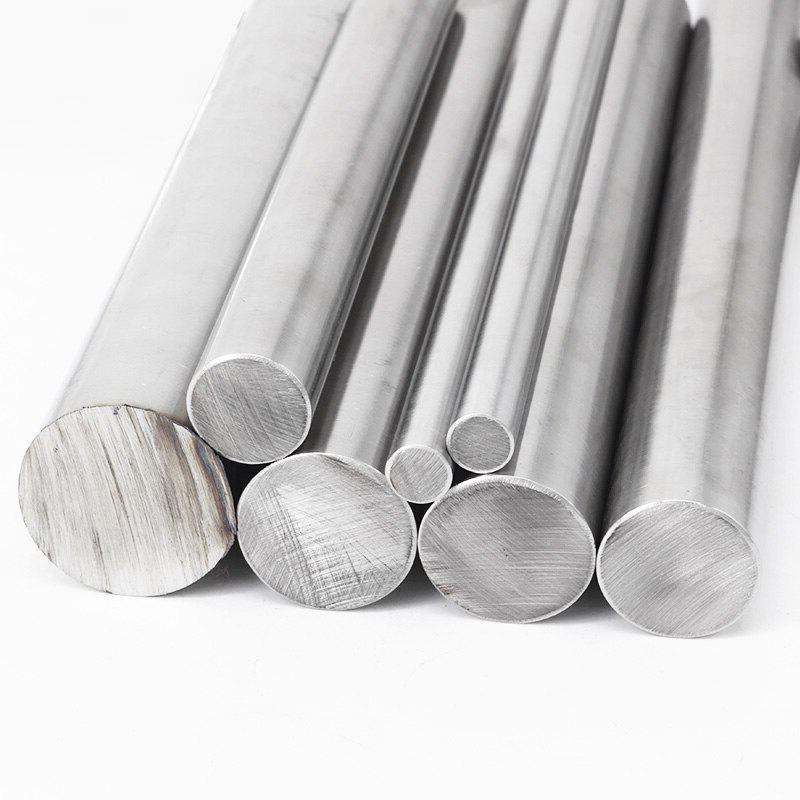
CK45: A Common Choice for Hydraulic Cylinder Rods
CK45 is widely used for hydraulic piston rod applications where a balance between mechanical properties, machinability, availability, and cost is required. It is a practical choice for many conventional hydraulic cylinders and industrial equipment applications.
Its suitability for a particular cylinder still depends on the required diameter, heat-treatment condition, load, rod length, and operating environment. A standard material choice can work very well when the cylinder does not require unusually high mechanical performance.
For manufacturers producing hydraulic cylinders in regular volumes, CK45 can also provide a practical basis for maintaining consistent production and procurement.
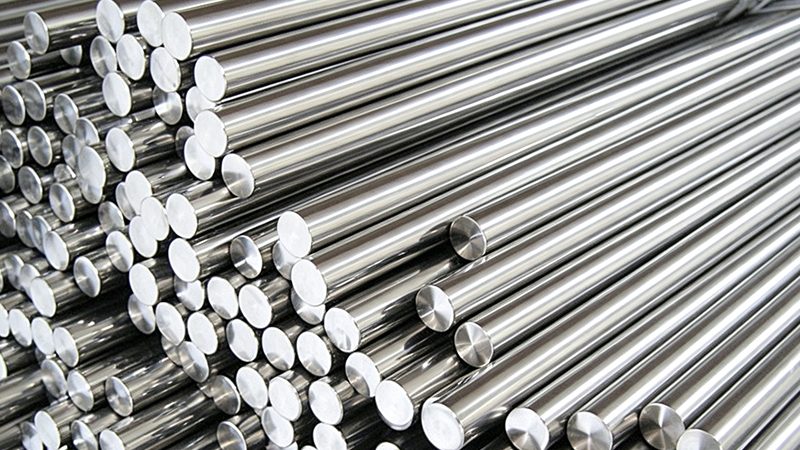
When 42CrMo Becomes More Relevant
42CrMo is generally considered when the hydraulic cylinder requires higher mechanical performance than a conventional carbon steel solution can provide.
This can become relevant for cylinders exposed to higher loads, demanding mechanical conditions, or applications where the rod needs greater strength and toughness. The actual heat-treatment condition and mechanical requirements still need to be matched to the cylinder design.
The important point is that selecting 42CrMo should be driven by the mechanical requirements of the application rather than simply choosing a stronger material because it appears more advanced.
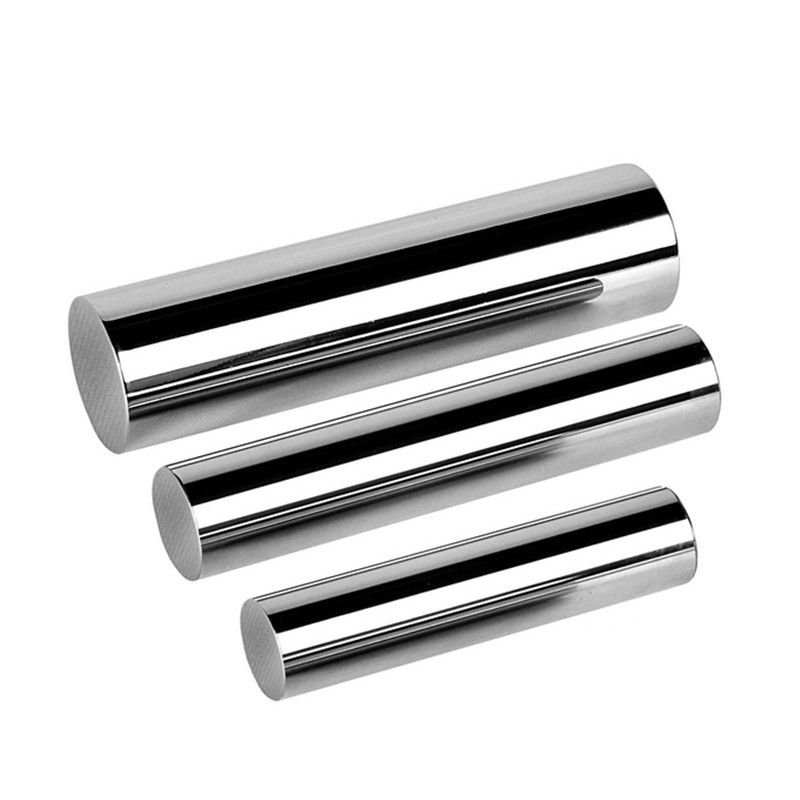
Where 20MnV6 Can Be Considered
20MnV6 is another material option used for precision hydraulic components and piston rod applications. It can be particularly relevant when the customer specification requires a European-oriented material grade or a particular combination of mechanical and manufacturing characteristics.
For OEM customers supplying European hydraulic equipment, material designation can also matter from a technical documentation and purchasing perspective. The material needs to match the drawing, specification, and quality documentation required by the customer.
This is why material selection should be agreed before production rather than changed after the rod has already entered manufacturing.
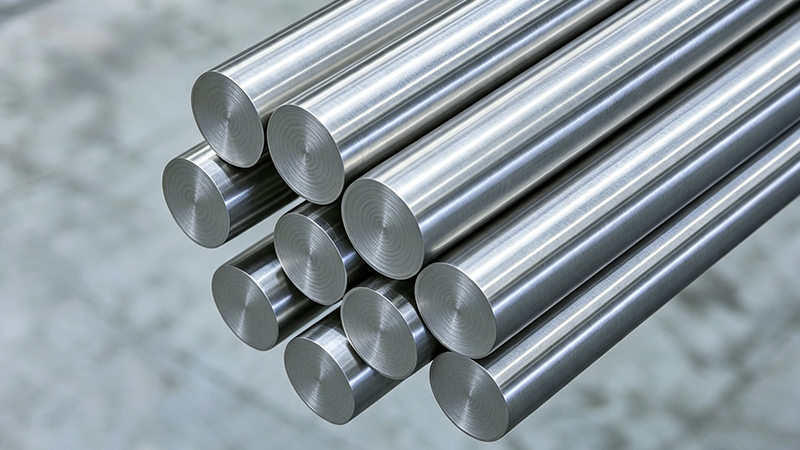
Material Strength Is Only One Part of Rod Performance
A common mistake is to compare materials only by tensile strength or yield strength.
The hydraulic piston rod operates as a complete component. Rod diameter, unsupported length, loading direction, mounting arrangement, stroke, surface treatment, and operating cycle all influence the actual working condition.
For example, a long slender rod may have different structural requirements from a short rod of the same diameter. A rod operating under repeated compression may also require different consideration from one primarily exposed to tensile loading.
Material selection therefore needs to follow the actual mechanical design rather than relying on one material property.
The Chrome Layer Does Not Replace the Base Material
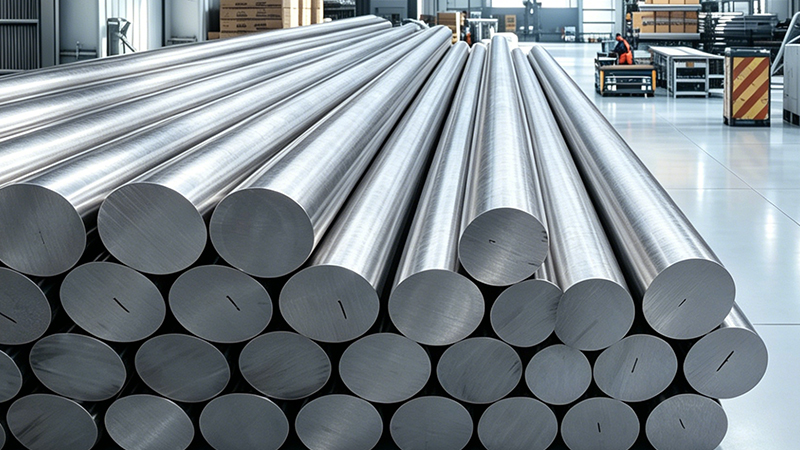
Chrome plating provides the working surface, but it does not replace the structural role of the steel substrate.
The base material determines the main mechanical characteristics of the rod, while the chrome layer provides a hard and wear-resistant surface for repeated interaction with seals and the external environment.
This distinction is important when comparing chrome plated rods. Two rods can have similar surface specifications but different base materials, resulting in different mechanical characteristics.
For OEM purchasing, both parts of the specification need to be controlled.
Material and Rod Diameter Should Be Considered Together
Rod diameter is closely related to the mechanical requirements of the cylinder. A larger diameter may be required when the rod needs to withstand greater loads or resist bending and buckling over a long stroke.
However, increasing diameter is not always the most efficient solution. Material selection, rod length, mounting arrangement, load direction, and operating conditions all influence the final design.
This is why a supplier should understand the application instead of quoting a rod based only on a diameter number.
Surface Treatment Still Matters After Material Selection
Once the base material has been selected, the working surface needs to be specified correctly.
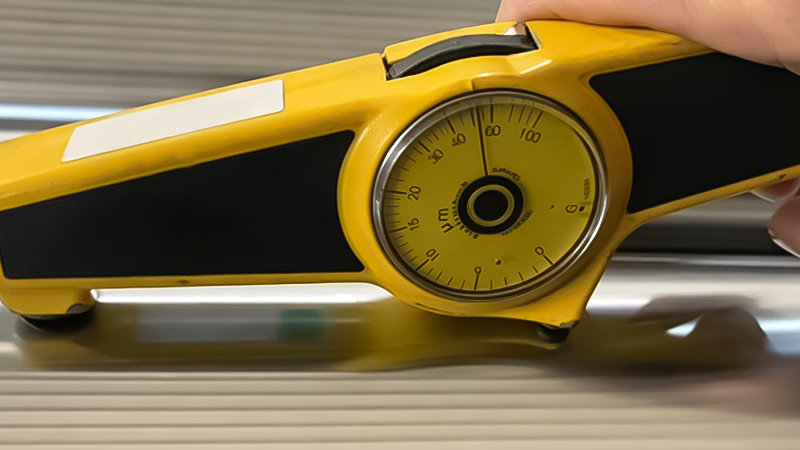
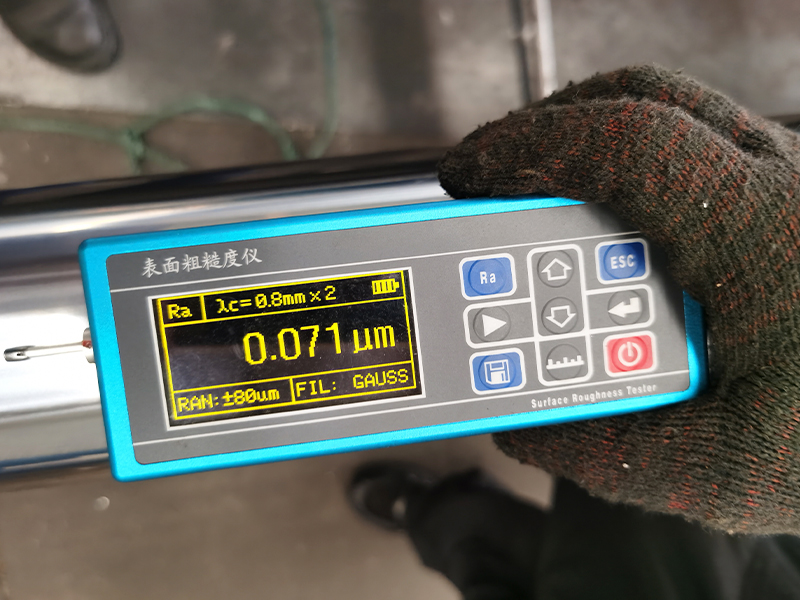
The chrome plated rod product range used by EAST AI includes chrome layer hardness of 850 HV, chrome thickness from 20–100 μm, and surface roughness of Ra ≤0.2 μm. The product specifications also include dimensional tolerances such as f7, f8, and g6 depending on the required configuration.
These specifications work together with the selected base material. A suitable steel grade cannot compensate for poor surface quality, while a good chrome surface cannot compensate for an unsuitable structural material.
Common Materials for Different Requirements
For many conventional hydraulic cylinder applications, CK45 can provide a practical balance between performance and cost.
When the cylinder has more demanding mechanical requirements, 42CrMo may be considered. When a European-oriented specification or specific material requirement is involved, 20MnV6 can also be an appropriate option.
EAST AI’s chrome plated rod range also includes other material options such as SAE1045, JIC45C, ST52, 4140, 40Cr, SS430, SS431, 304, 316, and 2205, allowing the rod specification to be adapted to different mechanical and environmental requirements.
The important point is not to build a fixed ranking of materials. The correct material is the one that matches the actual cylinder.
How OEM Buyers Should Specify the Material
When requesting chrome plated rods, an OEM buyer should provide the material grade together with the required mechanical condition where applicable.
The specification should also identify diameter, tolerance, length, chrome thickness, surface hardness, surface roughness, straightness, and inspection requirements. This gives the supplier a complete technical basis for production.
EAST AI’s product range covers chrome plated rod diameters from 6–500 mm and lengths up to 15 m, allowing different rod sizes and application requirements to be addressed within one product range.
Why Batch Consistency Matters
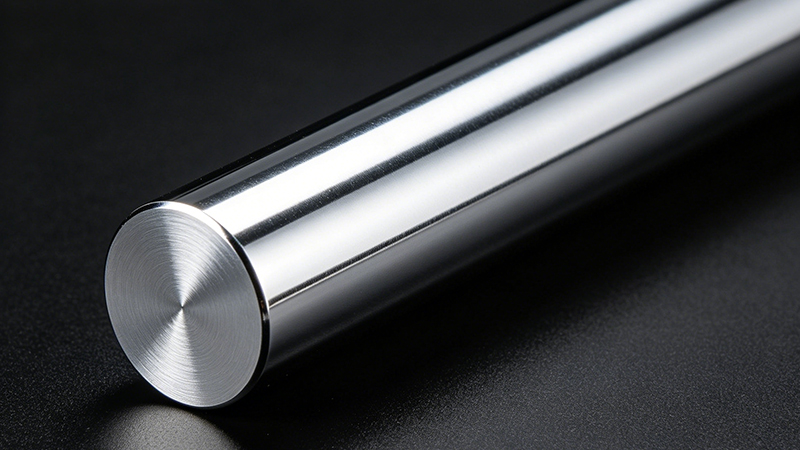
For OEM hydraulic cylinder manufacturers, changing material characteristics from one production batch to another can create unnecessary production uncertainty.
The objective is not simply to receive a rod that meets the drawing once. The supplier needs to maintain the agreed material, dimensional, surface, and inspection requirements across repeated orders.
This is particularly important when the same rod is used across multiple cylinder models or production batches.
A Better Way to Select Chrome Plated Rod Material
The most reliable approach is to start with the cylinder.
Define the load, stroke, rod diameter, operating environment, duty cycle, sealing system, and expected service conditions. Then select the base material and surface treatment according to those requirements.
This prevents over-specification in simple applications while avoiding under-specification in demanding equipment.
A good chrome plated rod is therefore not simply a steel grade with a chrome surface. It is a complete component engineered around the working conditions of the hydraulic cylinder.
Frequently Asked Questions
Is CK45 suitable for hydraulic cylinder rods?
CK45 can be suitable for many conventional hydraulic cylinder applications, provided its mechanical condition, rod dimensions, and operating requirements match the cylinder design.
When should 42CrMo be considered?
42CrMo can be considered when the cylinder requires higher mechanical performance or operates under more demanding loading conditions.
What is the advantage of 20MnV6?
20MnV6 can be considered where its material characteristics and specification requirements fit the application, particularly when a European-oriented material grade is required.
Does chrome plating replace the need for a strong base material?
No. The steel substrate provides the main structural properties of the rod, while the chrome layer provides the working surface.
What should be included in a chrome plated rod specification?
Material, mechanical condition where applicable, diameter, tolerance, length, chrome thickness, chrome hardness, surface roughness, straightness, and inspection requirements should be considered.
Can different materials be supplied for chrome plated rods?
Yes. The product range can include carbon steels, alloy steels, and stainless steel options depending on the required application and specification.
Related Products & Applications
Hydraulic Cylinder Applications
Construction Machinery Hydraulic Applications
Industrial Hydraulic Applications
Heavy Equipment Hydraulic Applications

Need Technical Support?
Material selection should begin with the mechanical and operating requirements of the hydraulic cylinder. CK45, 42CrMo, 20MnV6, and other materials can each be appropriate when matched to the right application.
EAST AI supplies chrome plated rods with different material, diameter, tolerance, surface, and finishing options for hydraulic cylinder manufacturers and OEM applications.