
Why Honed Tube Selection Matters
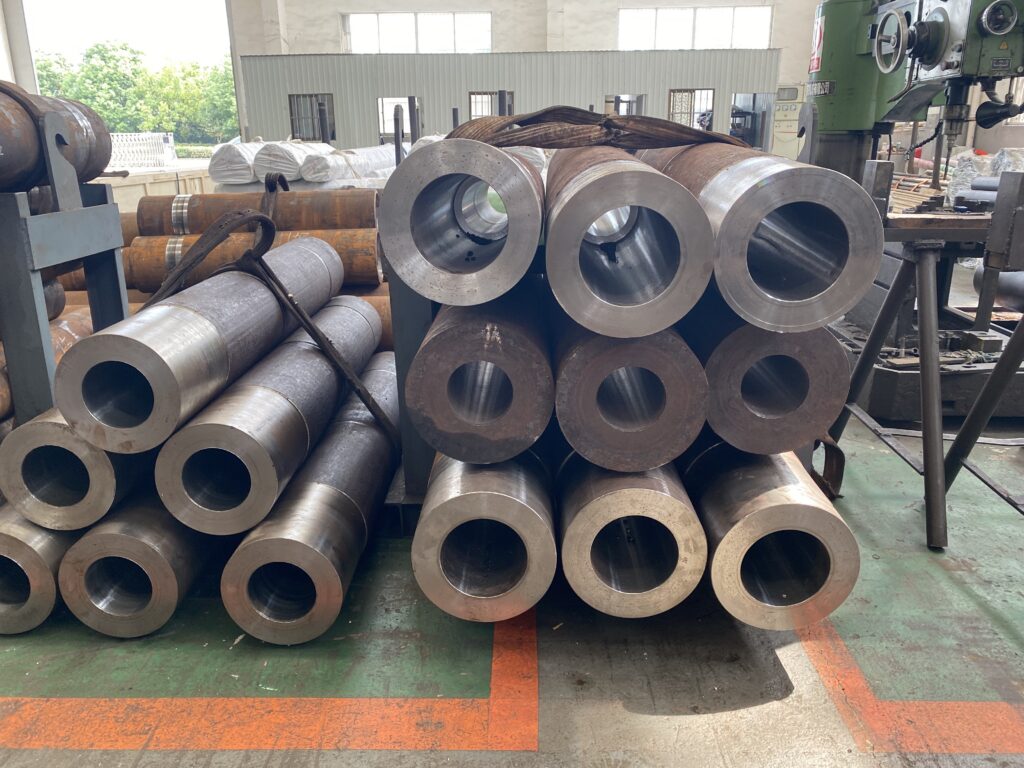
A honed tube is one of the most important components in hydraulic cylinder manufacturing because its internal surface becomes the working bore of the finished cylinder. The piston, piston seals and other internal components depend on the bore being manufactured to the required dimensional and surface conditions.
For OEM hydraulic cylinder manufacturers, selecting a tube should therefore involve more than checking the nominal outside diameter. Bore size, dimensional tolerance, surface roughness, material, tube length and application requirements all need to be considered before production. A suitable tube can reduce additional machining work and make the manufacturing process more consistent.
What Is a Honed Tube?
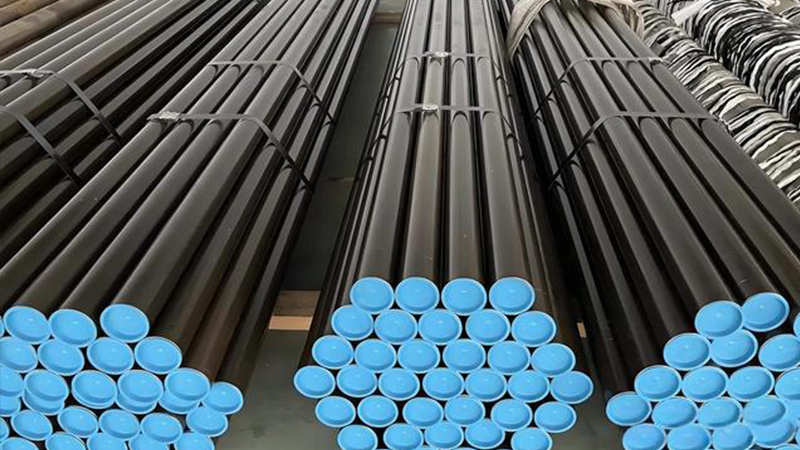
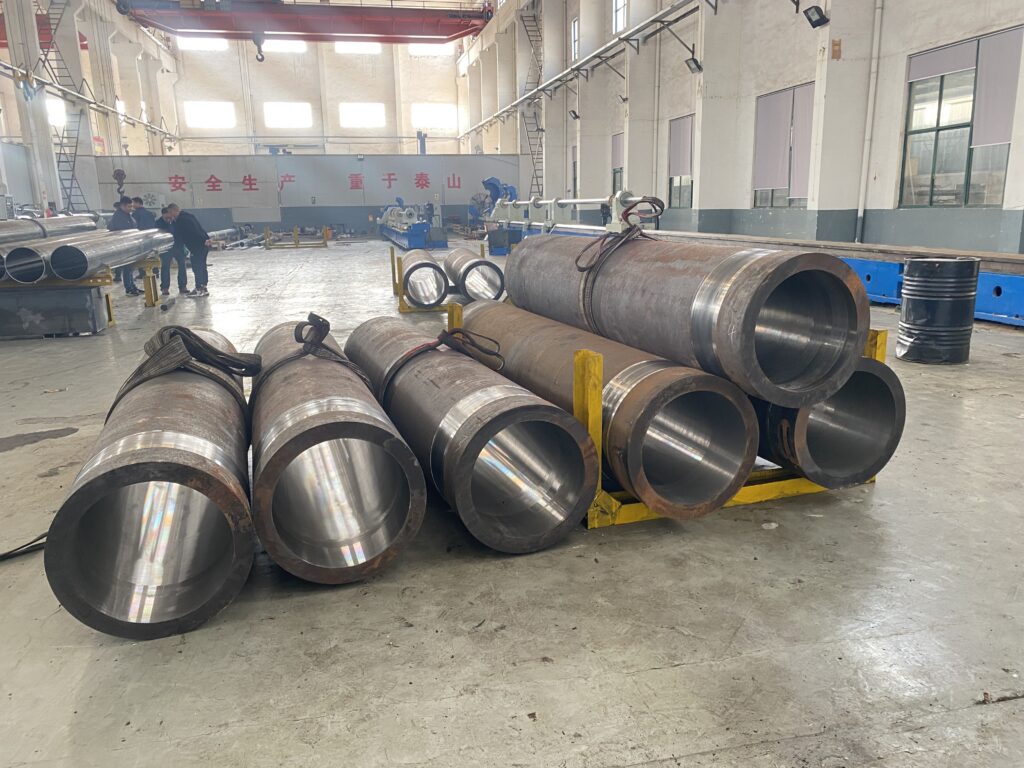
A honed tube is a precision tube that has undergone internal honing to achieve a controlled bore condition. Honing removes a controlled amount of material from the internal surface and improves the dimensional accuracy and surface characteristics required for hydraulic cylinder applications.
The main advantage is that the customer receives a tube with an internal bore prepared for its intended cylinder manufacturing process. Depending on the specification, the tube may be ready for further cutting and assembly operations or may still require additional processing to meet a specific cylinder design.
Start With the Required Bore
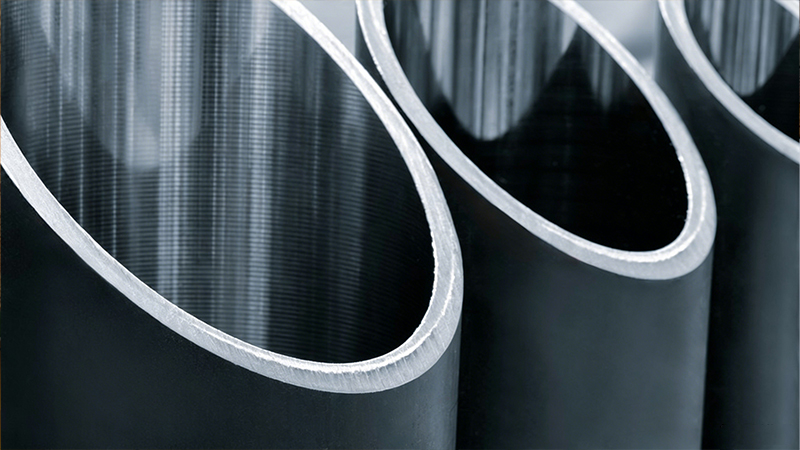
The internal bore is normally one of the first specifications to establish when selecting a hydraulic cylinder tube. The bore determines the working diameter of the piston and is directly related to the hydraulic cylinder’s force characteristics.
The supplier should receive the required inside diameter and tolerance rather than only the outside diameter. If the cylinder drawing specifies a finished bore, the tube specification should be developed around that requirement so that the delivered product can be integrated into the customer’s manufacturing process.
Why Bore Tolerance Is Important
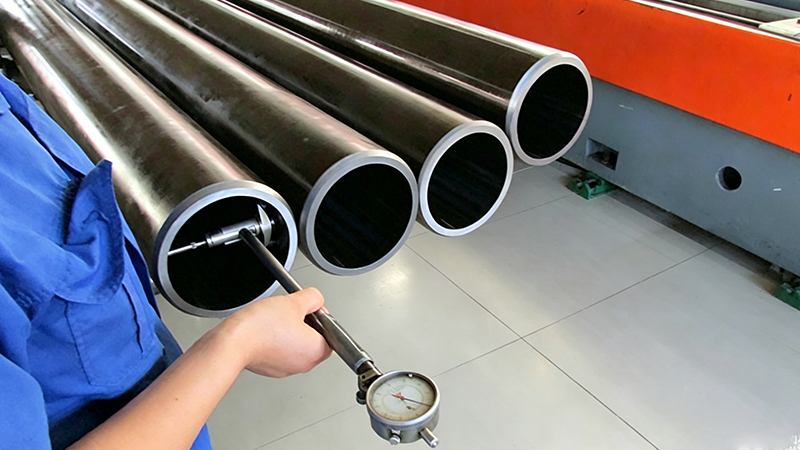
A nominal bore dimension does not completely define a precision cylinder tube. The permitted dimensional variation determines how closely the finished bore must remain to the nominal size.
This becomes important when the tube is assembled with a piston and sealing system. Excessive dimensional variation can affect the intended relationship between the piston, seals and cylinder bore. For OEM production, defining the bore tolerance in advance helps the supplier manufacture and inspect the tube against a clear technical target.
Surface Roughness Inside the Tube
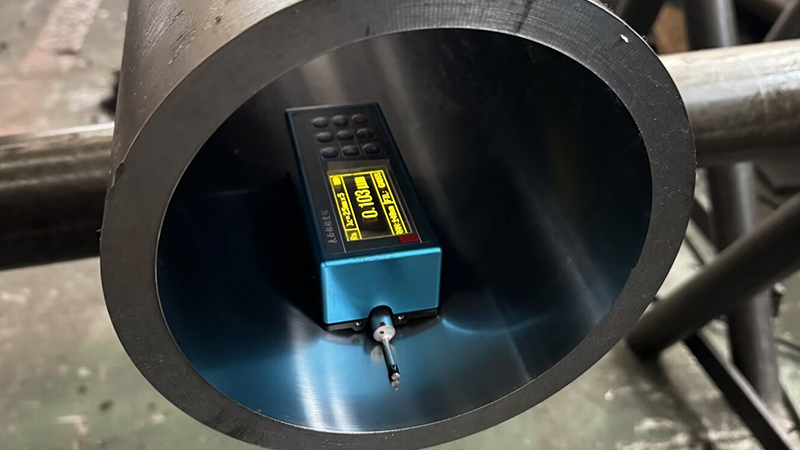
The internal surface of the honed tube is part of the working environment of the hydraulic cylinder. During operation, the piston and seals move repeatedly along this surface, so the condition of the bore can influence friction, sealing behavior and wear.
A polished appearance alone is not sufficient to define the internal surface. Surface roughness should be specified numerically where required, together with the appropriate measurement method. This gives the manufacturer and supplier the same reference when evaluating the finished tube.
Material Selection for Honed Tubes
The tube material provides the mechanical foundation of the cylinder barrel. Material selection should therefore reflect the required strength, operating pressure, cylinder dimensions, environment and manufacturing process.
Available product information for the hydraulic tube range includes materials used for hydraulic cylinder applications, but the final grade should always be selected against the customer’s engineering drawing and application requirements. The same material does not necessarily represent the best solution for every cylinder design.
Tube Length and Production Planning
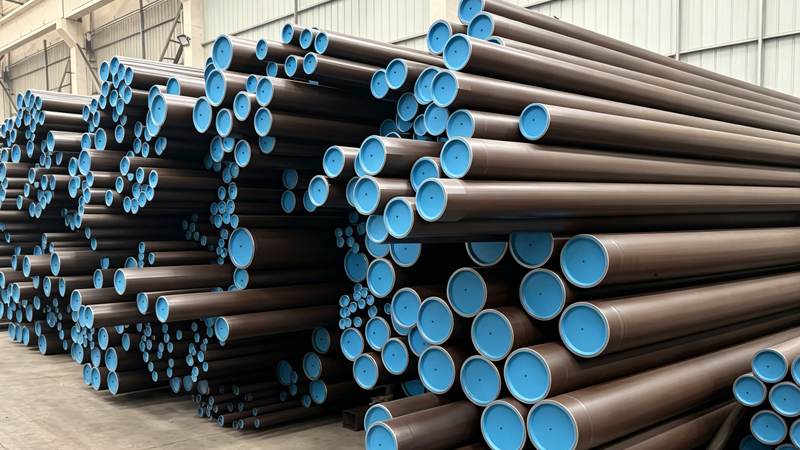
Tube length is another practical consideration for OEM buyers. A supplier may be able to provide long tube lengths that can subsequently be cut into individual cylinder barrels, depending on the manufacturing specification.
For manufacturers producing cylinders in different stroke lengths, this can provide flexibility in production planning. However, the delivered tube length, dimensional condition and cutting allowance should be agreed before production so that the material fits the customer’s manufacturing process.
Honed Tube for Different Hydraulic Applications
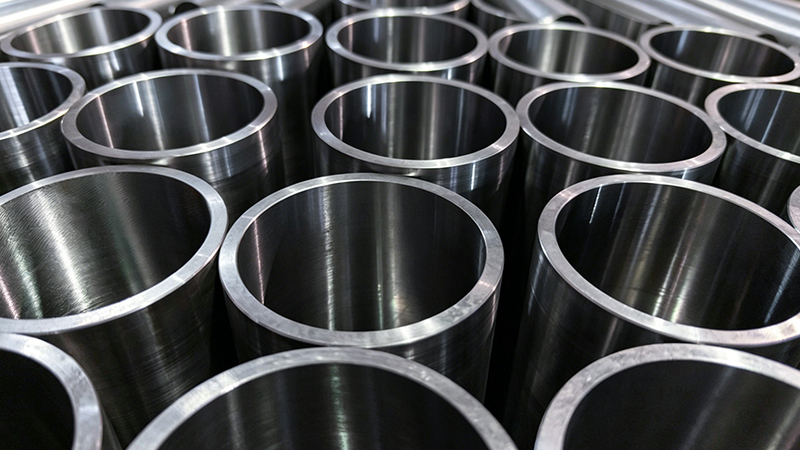
The required tube specification can change significantly according to the application. Industrial hydraulic cylinders may operate in relatively controlled environments, while construction machinery, agricultural equipment and mobile hydraulic systems can experience dust, water, vibration and heavy mechanical loads.
The correct honed cylinder tube therefore needs to be selected according to the complete operating environment. Bore accuracy and surface condition remain important, but the material and overall cylinder design also need to match the mechanical demands of the application.
Honed Tube and Hydraulic Cylinder Assembly
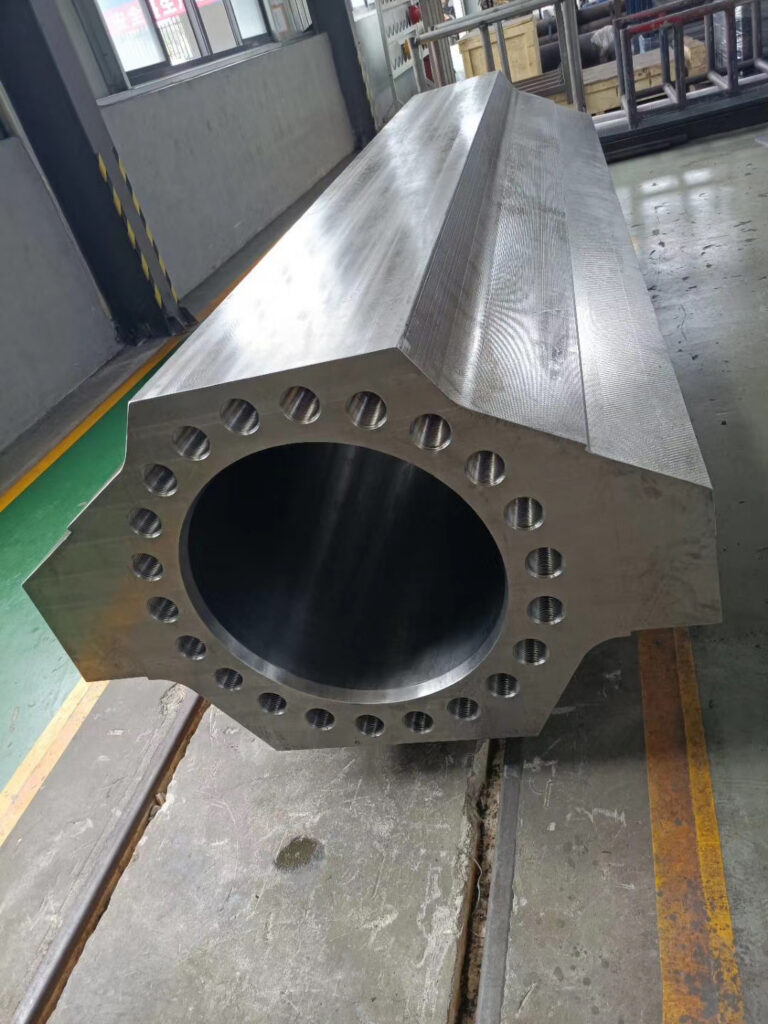
The tube is not an independent component once the cylinder is assembled. It works together with the piston, piston seals, guide components, piston rod and hydraulic fluid.
For this reason, tube selection should be coordinated with the other cylinder components. A supplier that understands the complete application can better evaluate whether the proposed bore condition and material are appropriate for the finished cylinder rather than treating the tube as a generic steel product.
Honed Tube vs Tube for Further Machining
Some manufacturers purchase precision tubing and perform their own internal machining or honing. Others prefer to purchase a finished honed tube to reduce internal processing requirements.
Neither approach is automatically better. The right option depends on the customer’s equipment, production volume, required bore condition and manufacturing cost. A manufacturer with its own honing capability may value process flexibility, while another manufacturer may benefit from receiving a tube that is already internally finished.
What Should Be Included in an Inquiry?
A professional inquiry should include the required material, outside diameter, inside diameter, length, bore tolerance, surface roughness, quantity and application whenever possible.
For OEM cylinder production, providing the technical drawing is often the most efficient approach because it allows the supplier to understand the complete dimensional and manufacturing requirement instead of interpreting the product from a general description such as “hydraulic cylinder tube.”
Why Consistency Matters in OEM Production
For a single prototype cylinder, a small variation may be manageable. For repeated OEM production, however, consistency between batches becomes much more important.
A stable honed tube specification allows the cylinder manufacturer to maintain more predictable assembly conditions and reduce unnecessary incoming inspection or production adjustment. This is one reason experienced OEM buyers evaluate supplier process capability rather than comparing products only by unit price.
The Right Honed Tube Starts With the Cylinder Requirement
Choosing a honed tube should begin with the finished hydraulic cylinder rather than with a generic tube catalogue. The required bore, tolerance, surface condition, material and length should be defined according to the cylinder’s operating requirements.
Once those requirements are clear, the supplier can recommend or manufacture the appropriate tube condition. This approach reduces ambiguity and helps ensure that the delivered material fits the customer’s production process.
Frequently Asked Questions
What is a honed tube used for?
A honed tube is commonly used as the cylinder barrel in hydraulic cylinders where a controlled internal bore is required for piston and seal operation.
Is a honed tube ready for hydraulic cylinder assembly?
It depends on the specification and the customer’s manufacturing process. Some tubes are supplied in a condition intended for direct cylinder production, while others may require additional operations.
Why is the internal surface important?
The internal surface is the working bore of the cylinder and interacts with the piston and sealing system during repeated movement.
How should I specify a honed tube?
The inquiry should normally include material, bore, outside diameter, tolerance, length, surface requirements, quantity and application.
Related Products & Applications
Industrial Hydraulic Applications
Construction Machinery Hydraulic Applications

Need Technical Support?
A suitable honed tube should match the hydraulic cylinder’s bore, dimensional, surface and material requirements rather than being selected only by nominal size.
EAI supplies precision tube solutions for hydraulic cylinder manufacturers and OEM customers according to application requirements and technical specifications.