
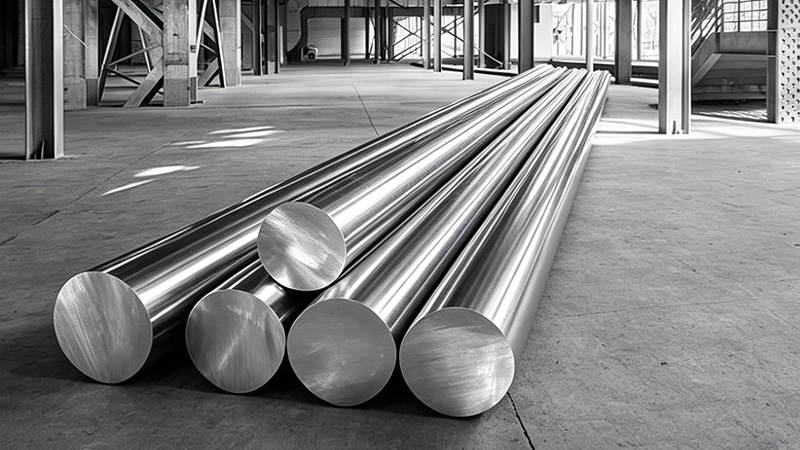
Why Rod Diameter Is More Important Than Many Engineers Expect
When selecting or designing a hydraulic cylinder, many engineers initially focus on parameters such as working pressure, cylinder bore size, and required force output. These factors are essential, but the piston rod diameter is equally important because it directly affects the structural reliability of the entire cylinder assembly.
The piston rod is the component that transfers hydraulic power into mechanical movement. During operation, it experiences repeated compression loads, vibration, impact, and possible side forces caused by the equipment structure. If the rod diameter is not correctly selected, the cylinder may appear suitable during initial testing but develop problems after extended operation.
For OEM equipment manufacturers, hydraulic cylinder reliability is not only about whether the cylinder can generate enough force. It is about whether the cylinder can maintain stable performance throughout thousands of working cycles under real operating conditions.
The correct rod diameter provides the foundation for mechanical stability, longer service life, and predictable equipment performance.

What Is Hydraulic Cylinder Rod Diameter?
Hydraulic cylinder rod diameter refers to the external diameter of the piston rod installed inside the hydraulic cylinder assembly. It is one of the main design parameters that determines the mechanical strength and stability of the cylinder.
Unlike bore diameter, which mainly influences hydraulic force generation, rod diameter primarily affects the ability of the cylinder to withstand external loads. A properly selected rod must resist bending, buckling, and surface wear while maintaining accurate movement during operation.
Different applications require different rod designs. A hydraulic cylinder used in construction equipment faces heavy impact loads and harsh outdoor conditions, while a cylinder used in industrial automation may require higher precision and repeated positioning accuracy.
Therefore, rod diameter cannot be selected only according to cylinder size. Engineers must consider the complete working environment, load conditions, and expected service life.
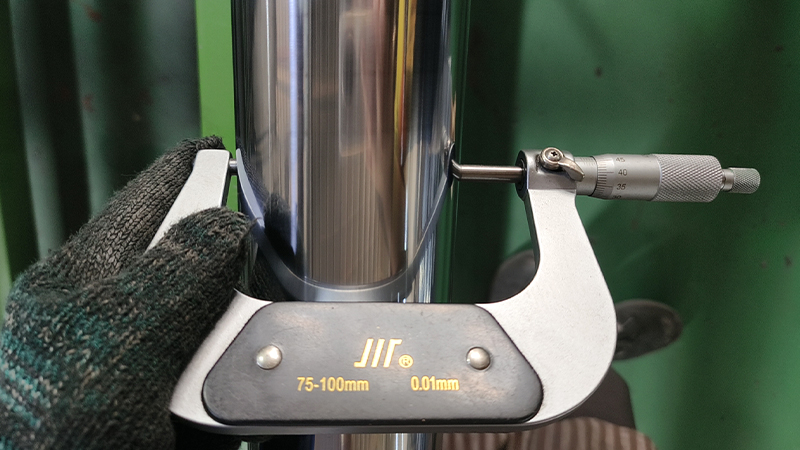
How Rod Diameter Affects Hydraulic Cylinder Strength
The piston rod is one of the most mechanically stressed components in a hydraulic cylinder. When a cylinder pushes a heavy load, the rod is exposed to compression forces that may create bending or buckling risks.
This becomes especially important in applications with long stroke lengths or heavy external loads. For example, hydraulic cylinders used in excavators, mining equipment, and lifting machinery often operate under changing forces and harsh conditions. The rod must maintain stability even when the equipment experiences vibration, uneven loads, or sudden impact.
A larger rod diameter generally improves resistance against bending because it increases the structural strength of the component. However, increasing the rod diameter also affects the overall cylinder design by increasing weight, material requirements, and production cost.
Professional hydraulic engineers therefore do not simply choose the largest possible rod. They select a diameter that provides sufficient strength while maintaining efficiency and practicality.
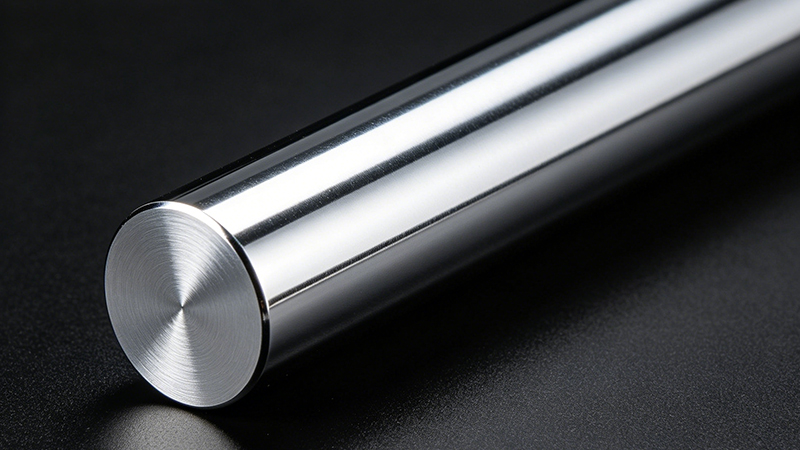
The Relationship Between Stroke Length and Rod Diameter Selection
Stroke length is one of the most important factors when determining the appropriate hydraulic cylinder rod diameter. As the piston rod extends further from the cylinder body, the exposed length increases, which creates a higher possibility of bending under external forces.
Long-stroke cylinders require additional attention because the rod must maintain alignment throughout the entire movement range. If the rod diameter is insufficient for the application, repeated loading cycles may gradually create deformation, uneven wear, or premature component failure.
For this reason, engineers evaluate stroke length together with mounting conditions, guidance structure, and expected working loads. A cylinder designed for a short industrial application cannot always be directly applied to heavy equipment with a longer stroke.
A reliable hydraulic cylinder design requires understanding how the rod behaves during the complete operating cycle, not only when the cylinder is stationary.
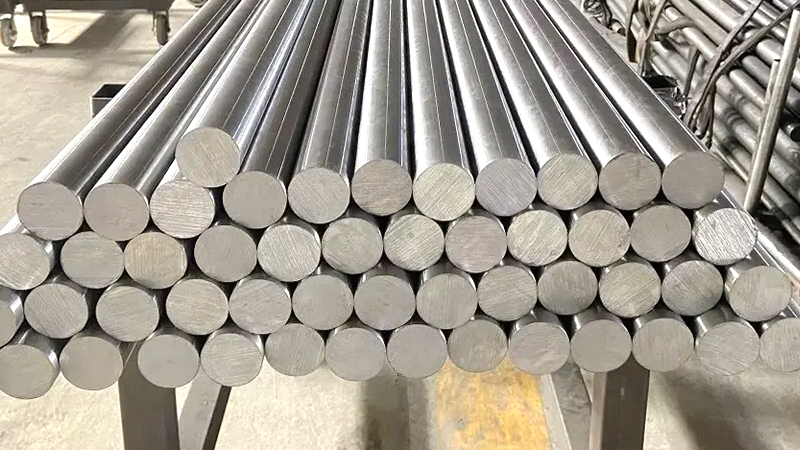
How Rod Diameter Influences Hydraulic Cylinder Performance
Rod diameter affects more than mechanical strength. It also influences hydraulic efficiency, movement characteristics, and overall cylinder balance.
A larger rod provides better resistance against external forces and improves structural stability. However, because the rod occupies part of the internal cylinder area, it changes the available hydraulic area during retraction. This can influence movement speed and hydraulic flow requirements.
A smaller rod diameter may reduce component weight and cost, but it may not provide enough stability for demanding applications. In heavy-duty equipment, reducing rod size without considering actual operating conditions can increase the risk of bending and shorten service life.
The best hydraulic cylinder design is achieved by balancing strength, efficiency, installation requirements, and application conditions.
Why Chrome Plated Rod Quality Matters
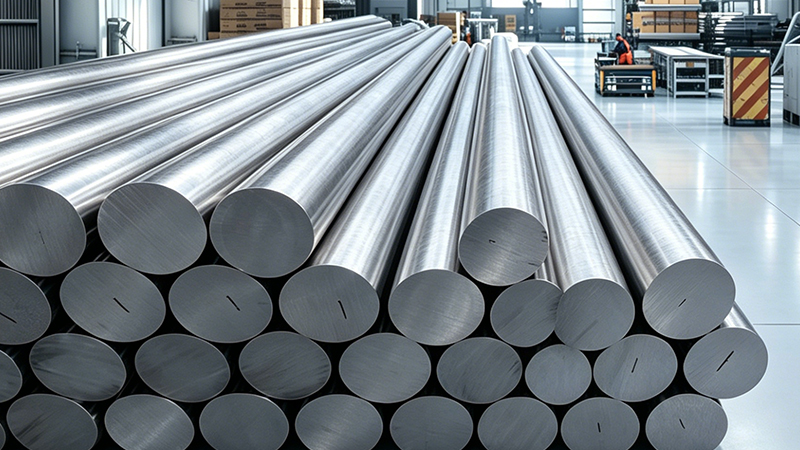
The piston rod is continuously exposed to the external environment during cylinder operation. It moves through seals thousands of times during the equipment lifecycle, which means the rod surface must provide excellent wear resistance and corrosion protection.
This is why hydraulic cylinder manufacturers commonly use chrome plated rods for demanding applications. The chrome layer improves surface hardness and provides a suitable contact surface for sealing systems.
However, chrome plating quality alone does not determine rod performance. The base material, dimensional accuracy, straightness, surface finish, and manufacturing consistency all influence the final reliability of the hydraulic cylinder.
For OEM manufacturers, a reliable rod is not only a finished surface. It is the result of controlled material selection, precision machining, and stable production processes.
Common Mistakes When Selecting Hydraulic Cylinder Rod Diameter
One of the most common mistakes in hydraulic cylinder design is selecting the rod diameter only based on the required hydraulic force. While force calculation is important, it does not represent the complete working condition of the cylinder.
A hydraulic cylinder operates in a mechanical system where external forces, installation conditions, and operating cycles all influence performance. A rod that is sufficient under static conditions may not provide enough stability when exposed to continuous vibration, side loading, or impact forces during real operation.
This is particularly important for heavy equipment manufacturers. Construction machinery, mining equipment, and agricultural machines often operate in environments where cylinders experience unpredictable loads. In these applications, rod diameter selection must consider not only whether the cylinder can move the load, but also whether it can maintain structural integrity over time.
Another common mistake is reducing rod diameter to lower initial costs. Although a smaller rod may reduce material consumption, it can increase the risk of bending, surface damage, and premature seal wear. The replacement cost caused by unexpected downtime is often much higher than the initial savings.
A professional hydraulic design approach always considers total lifecycle cost rather than only the purchase price of individual components.
How Engineers Determine the Correct Hydraulic Cylinder Rod Size
Selecting the correct rod diameter requires evaluating multiple engineering factors together. There is no universal rod size that works for every hydraulic application because different machines operate under different conditions.
Engineers typically analyze the expected load, stroke length, working pressure, mounting arrangement, operating frequency, and environmental conditions before determining the suitable rod specification. The purpose is to ensure that the piston rod can handle both the hydraulic force and the mechanical stress generated during operation.
For applications with long strokes or heavy compression loads, additional consideration is usually given to buckling resistance. The rod must remain stable when extended, especially when the cylinder is supporting or moving heavy equipment.
Experienced hydraulic manufacturers understand that rod diameter selection is not an isolated calculation. It is part of a complete cylinder design process that connects the hydraulic system, mechanical structure, and final application requirements.
Why Rod Manufacturing Quality Influences Real Performance
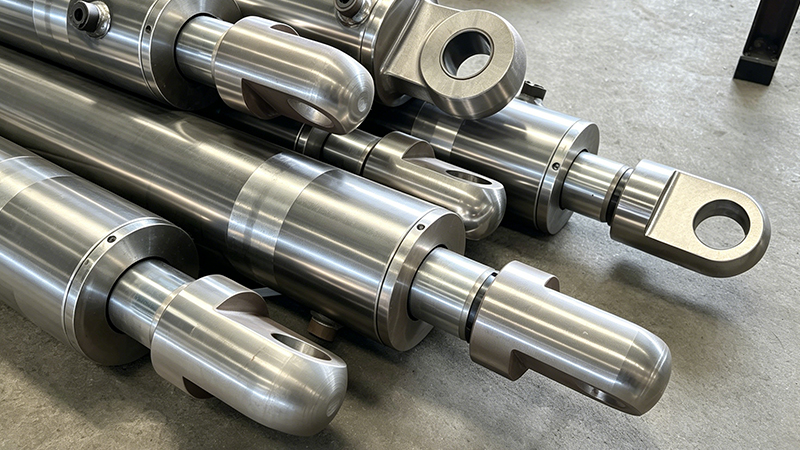
Even when the correct rod diameter has been selected, manufacturing quality still determines whether the cylinder can achieve the expected performance.
The piston rod must maintain accurate dimensions, straightness, and surface quality because it directly interacts with the sealing system. Any inconsistency in the rod surface can increase friction, accelerate seal wear, and reduce the service life of the hydraulic cylinder.
This is why professional hydraulic cylinder manufacturers pay close attention to the complete production process, from material selection to machining and surface treatment.
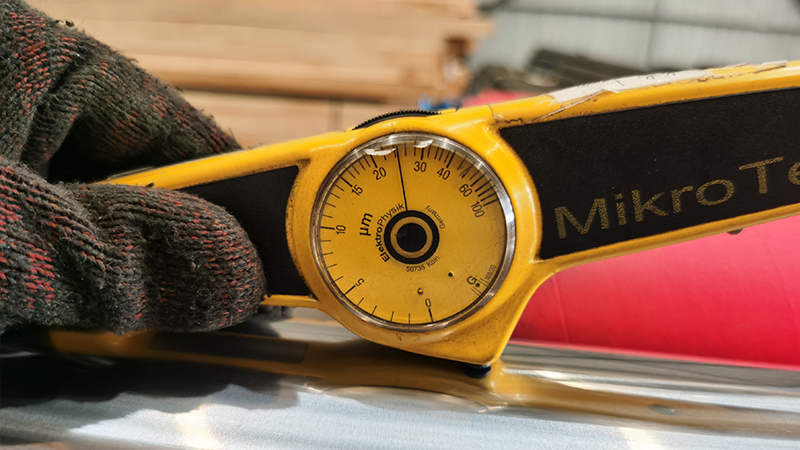
A high-quality Chrome Plated Rod requires more than a chrome layer on the surface. The steel grade, heat treatment, plating thickness, surface finish, and dimensional control all contribute to the final reliability of the component.
For OEM customers, manufacturing consistency is especially important because repeated production requires every batch of components to perform in the same predictable way.
The Role of Chrome Plated Rods in Hydraulic Cylinder Reliability
The piston rod is exposed to external conditions every time the hydraulic cylinder extends and retracts. In many industries, the rod must operate in environments containing dust, moisture, chemicals, or abrasive particles.
A properly manufactured Chrome Plated Rod provides a durable working surface that supports sealing performance and improves resistance against corrosion and wear.
However, the rod should always be considered as part of the complete hydraulic cylinder system. The relationship between the rod surface, seals, cylinder tube, and operating environment determines the final reliability.
For example, a high-quality rod combined with poor sealing conditions may still experience premature failure. Similarly, an excellent sealing system cannot compensate for an unsuitable rod surface.
Reliable hydraulic performance comes from matching every component correctly.
How to Evaluate a Hydraulic Cylinder Rod Supplier
For OEM manufacturers, choosing a rod supplier is not only about checking whether the supplier can provide the required diameter and length.
A professional supplier should demonstrate consistent production capability, quality control procedures, and technical understanding of hydraulic applications.
Important evaluation factors include material stability, dimensional accuracy, surface treatment capability, inspection methods, and the ability to maintain consistent quality during repeated orders.
This is especially important for companies producing hydraulic cylinders in large volumes. A supplier that provides one excellent sample but cannot maintain production consistency creates unnecessary risks for the entire supply chain.
A reliable supplier should help customers reduce uncertainty by providing stable components and professional technical support.

Why Component Consistency Matters for OEM Hydraulic Cylinder Manufacturers
OEM customers usually do not purchase hydraulic components for a single machine. They require reliable supply for repeated production over months or years.
This means consistency becomes one of the most important factors in supplier selection.
A hydraulic cylinder manufacturer depends on every component working together with predictable performance. Variations in rod diameter, surface condition, or material properties can create differences during assembly and field operation.
For this reason, professional buyers evaluate suppliers beyond product specifications. They consider whether the supplier has the manufacturing capability to maintain quality from one batch to the next.
Stable production creates stable hydraulic systems.
Engineering Perspective: Rod Diameter Is a System Design Decision
Hydraulic cylinder rod diameter should never be treated as a simple product specification. It is a design decision that affects safety, efficiency, maintenance requirements, and equipment reliability.
A correctly selected rod diameter helps prevent structural failure, improves cylinder durability, and supports consistent machine performance.
However, the final result depends on the complete engineering chain, including cylinder design, material selection, surface treatment, manufacturing accuracy, and application conditions.
For equipment manufacturers, the most reliable hydraulic solution comes from combining correct design decisions with dependable component suppliers.
Frequently Asked Questions
How do I choose the correct hydraulic cylinder rod diameter?
The correct rod diameter depends on several factors, including load conditions, stroke length, working pressure, mounting structure, and expected service life. Engineers need to evaluate the complete application rather than selecting the rod size based only on cylinder force.
Does a larger hydraulic cylinder rod always provide better performance?
Not always. A larger rod improves mechanical strength and bending resistance, but it can also increase weight, cost, and influence hydraulic efficiency. The ideal rod size depends on the specific application requirements.
Why do hydraulic cylinder rods bend?
Rod bending usually occurs because of excessive compression load, insufficient rod diameter, long stroke length, improper mounting, or external side forces during operation.
What is the purpose of chrome plating on hydraulic cylinder rods?
Chrome plating improves surface hardness, corrosion resistance, and wear performance. It also provides a suitable surface condition for hydraulic seals to operate reliably.
How does rod quality affect hydraulic cylinder service life?
Rod quality directly influences sealing performance, friction, corrosion resistance, and wear behavior. A high-quality rod helps maintain stable cylinder operation over a longer period.
Why is supplier consistency important for hydraulic cylinder manufacturers?
OEM manufacturers require components that perform consistently across repeated production batches. Stable supplier quality reduces assembly issues, field failures, and unexpected maintenance costs.
Related Reading
Hydraulic Cylinder Bore Size Guide: How Engineers Select the Right Cylinder Design
How Honed Tube Tolerance Affects Hydraulic Cylinder Reliability

Need Technical Support?
Selecting the correct hydraulic cylinder components requires understanding the relationship between design requirements, operating conditions, and manufacturing quality.
EAST AI supplies Honed Tubes and Chrome Plated Rods for hydraulic cylinder manufacturers, focusing on precision production, stable quality, and reliable OEM supply.
For companies building hydraulic equipment, reliable components are the foundation of consistent machine performance.