

Why Hydraulic Cylinder Seal Failure Is Usually a System Problem
When a hydraulic cylinder begins leaking, many people immediately assume that the seal itself is the problem. While seal wear is one of the most common reasons for leakage, replacing the seal alone does not always solve the issue permanently.
A hydraulic cylinder sealing system depends on multiple components working together. The condition of the piston rod, cylinder tube, hydraulic oil cleanliness, operating pressure, alignment, and working environment all influence seal performance.
For this reason, hydraulic cylinder seal failure should usually be treated as a system problem rather than a single component problem. Understanding the real cause helps equipment manufacturers and maintenance teams prevent repeated failures and reduce unnecessary downtime.
A new seal can restore performance temporarily, but the root cause must be identified if long-term reliability is the goal.
Common Warning Signs of Hydraulic Cylinder Seal Problems
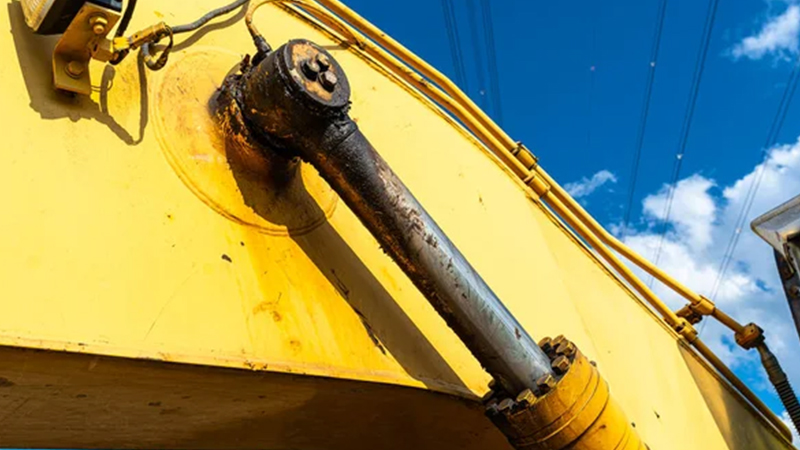
The most obvious sign of seal failure is external oil leakage around the piston rod area. However, leakage is often only the final stage of a problem that has developed over time.
Before visible oil appears, operators may notice other symptoms such as reduced holding force, slower cylinder movement, unstable positioning, or increased hydraulic system pressure requirements. These changes often indicate that internal sealing performance has already decreased.
For heavy equipment manufacturers and end users, identifying these early warning signs is important because hydraulic cylinder problems can affect the complete machine operation. A small sealing issue can eventually lead to reduced productivity, increased maintenance costs, and unexpected equipment downtime.
Why Hydraulic Cylinder Seals Fail During Operation
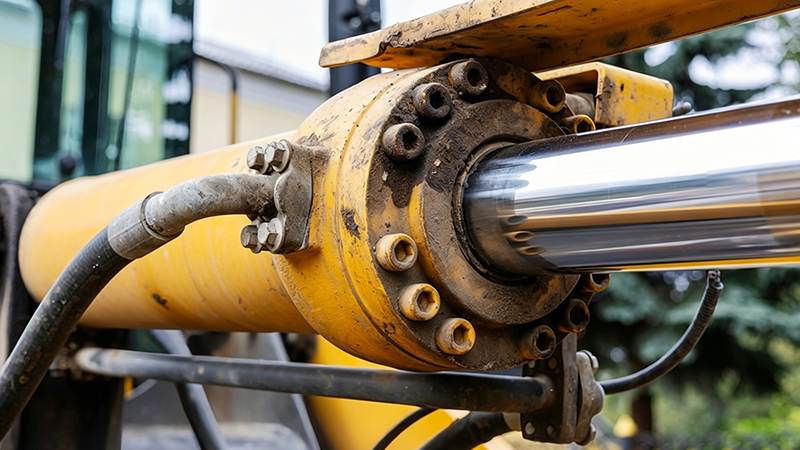
Hydraulic cylinder seals operate under demanding conditions. They must maintain pressure separation while continuously moving against the cylinder tube or piston rod surface. This creates constant friction, pressure changes, and mechanical stress.
Normal wear is expected over time, but premature seal failure usually indicates additional problems. Contaminated hydraulic oil, excessive pressure, incorrect installation, poor alignment, or unsuitable component surfaces can accelerate seal damage.
In construction machinery, mining equipment, and outdoor hydraulic applications, seals face even greater challenges because dust, moisture, temperature changes, and external contamination can affect performance.
A reliable sealing system requires more than selecting a high-quality seal. Every component that interacts with the seal must provide the correct operating environment.
How Chrome Plated Rod Quality Affects Seal Life
The piston rod is one of the most important factors influencing hydraulic cylinder sealing performance. Every time the cylinder extends and retracts, the rod surface passes through the sealing system.
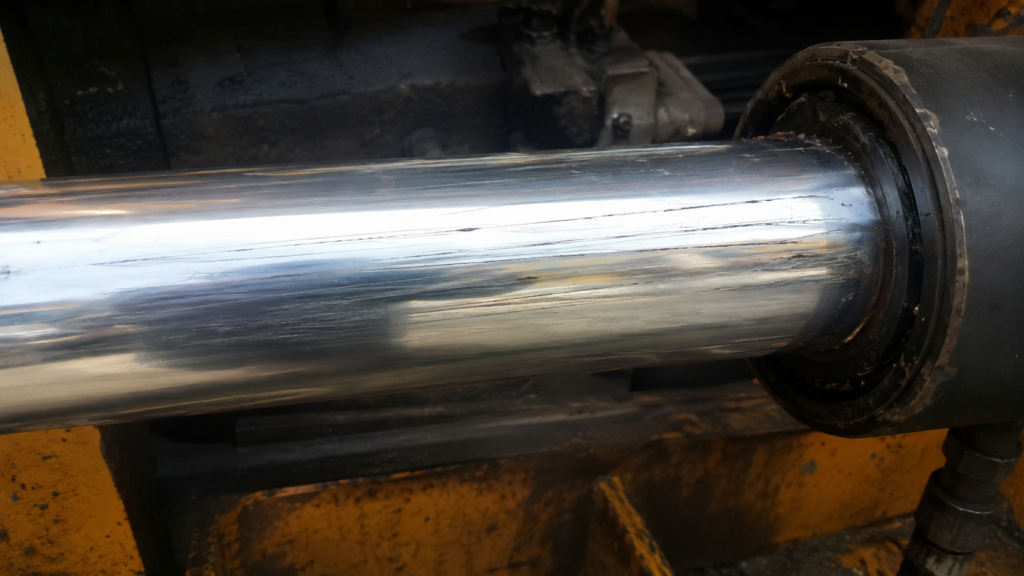
If the rod surface contains scratches, corrosion marks, poor surface finish, or dimensional inconsistencies, these defects can gradually damage the seal edge and increase leakage risks.
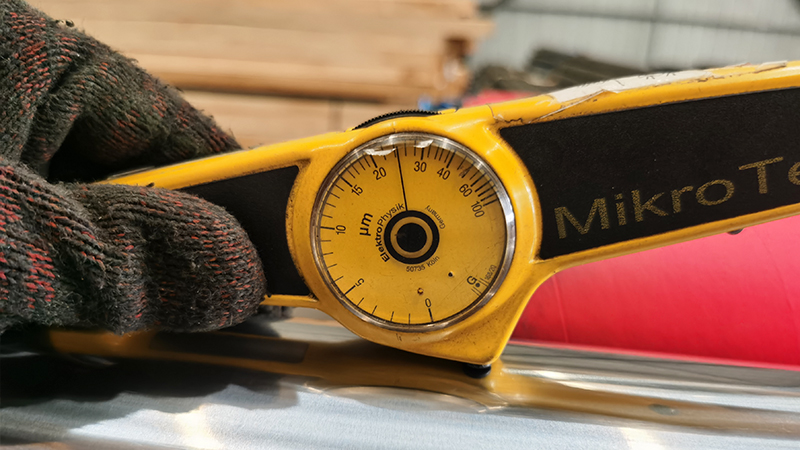
This is why hydraulic cylinder manufacturers pay close attention to Chrome Plated Rod quality. A properly manufactured rod provides a durable working surface with suitable hardness, corrosion resistance, and wear performance.
However, chrome plating itself is only one part of rod quality. Base material selection, straightness control, surface finish, and production consistency all contribute to the final service life of the sealing system.
How Honed Tube Condition Influences Internal Sealing Performance
Although the piston rod receives most attention because it is visible, the internal surface of the cylinder tube also plays a critical role in sealing reliability.
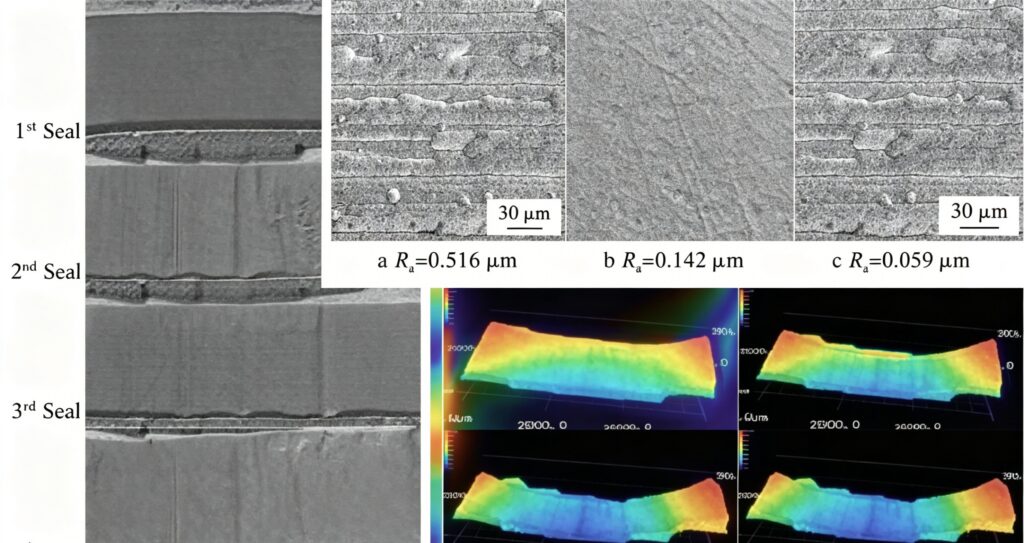
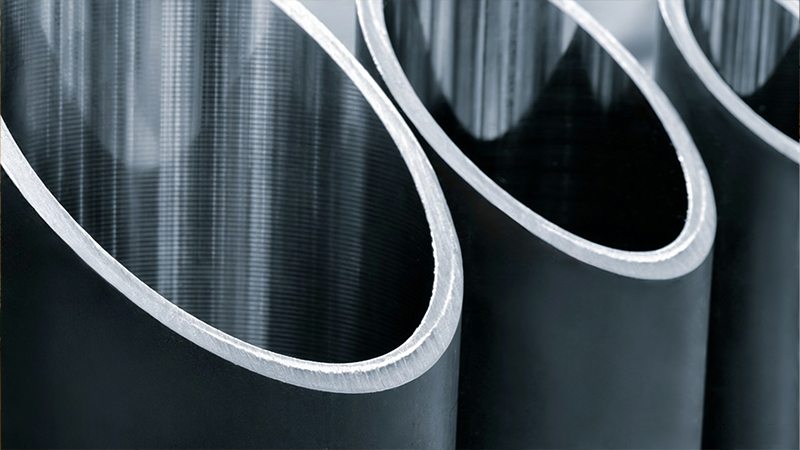
The Honed Tube provides the working surface where the piston seal moves. If the internal bore condition is inconsistent, excessive friction or uneven seal contact may occur during operation.
A precision Honed Tube helps maintain stable piston movement by providing controlled dimensions and a suitable surface condition. This allows seals to operate more effectively and reduces unnecessary wear during repeated cycles.
For OEM hydraulic cylinder manufacturers, tube quality is especially important because consistent internal conditions help ensure that every cylinder performs reliably after assembly.
The Impact of Hydraulic System Contamination on Seal Failure
Contamination is one of the most common causes of premature hydraulic cylinder seal failure. Small particles inside hydraulic oil can act like abrasive material, damaging both seals and precision surfaces.
When contaminated oil enters the cylinder, particles may become trapped between the seal and working surface. Over time, this can create scratches, increase leakage paths, and reduce the overall efficiency of the hydraulic system.
This problem is especially common in heavy equipment operating in dusty environments such as construction sites, mining areas, and agricultural fields.
Maintaining clean hydraulic oil, proper filtration, and suitable component protection are essential steps for extending seal service life.
Why Replacing Seals Alone Does Not Always Fix Leakage Problems
A common maintenance mistake is replacing damaged seals without investigating why the original failure occurred.
If the piston rod has surface damage, if the cylinder tube has internal wear, or if the cylinder alignment problem remains, the new seal may fail again after a short period of operation.
For this reason, professional maintenance teams inspect the complete hydraulic cylinder condition before replacement. They evaluate rod surface quality, tube condition, operating pressure, and mechanical loading.
A successful repair should restore the complete sealing system rather than simply replacing one worn component.
How OEM Manufacturers Can Prevent Hydraulic Cylinder Seal Failure
For OEM manufacturers, preventing seal failure begins during the design and component selection stage. Choosing suitable materials, controlling component accuracy, and understanding the application environment all influence final cylinder reliability.
Manufacturers should consider factors such as working pressure, operating temperature, contamination risk, movement frequency, and expected service life when selecting hydraulic cylinder components.
Working with reliable suppliers also plays an important role. Stable Honed Tube and Chrome Plated Rod quality helps manufacturers produce cylinders with consistent sealing performance across different production batches.
Preventing failure before production is always more efficient than solving reliability problems after equipment reaches the customer.

How to Select Reliable Hydraulic Cylinder Component Suppliers
For hydraulic cylinder manufacturers, supplier selection directly affects product performance and customer satisfaction.
A reliable supplier should provide not only the required dimensions but also stable manufacturing processes, quality control capability, and technical understanding of hydraulic applications.
Component consistency is especially important for OEM production because small variations between batches can create assembly difficulties and inconsistent field performance.
The best suppliers act as long-term technical partners by helping customers reduce risks, improve reliability, and maintain stable production quality.
Frequently Asked Questions
Why does my hydraulic cylinder keep leaking?
Repeated leakage is often caused by more than seal wear. Damaged rod surfaces, poor tube condition, contamination, misalignment, or incorrect operating conditions can cause seals to fail repeatedly.
How long should hydraulic cylinder seals last?
Seal life depends on operating conditions, pressure, temperature, contamination level, component quality, and maintenance practices. Heavy-duty applications usually require more careful component selection.
Can a damaged piston rod cause seal failure?
Yes. Scratches, corrosion, poor surface finish, or dimensional problems on the piston rod can accelerate seal wear and create leakage problems.
Can cylinder tube quality affect hydraulic seal performance?
Yes. The internal condition of the cylinder tube directly influences piston seal movement, friction, and long-term sealing reliability.
How can hydraulic cylinder leakage be prevented?
Leakage can be reduced through correct component selection, clean hydraulic oil, proper maintenance, accurate assembly, and reliable component suppliers.
Why is supplier quality important for hydraulic cylinder manufacturers?
Consistent component quality helps OEM manufacturers produce reliable cylinders, reduce failures, and maintain stable product performance.
Related Reading
Hydraulic Cylinder Rod Diameter Guide: How Engineers Select the Right Size
Why Chrome Plated Rod Quality Determines Hydraulic Cylinder Service Life

Need Technical Support?
Hydraulic cylinder reliability depends on the interaction between every component inside the system. A sealing problem is often a signal that other factors need to be evaluated.
EAST AI supplies precision Honed Tubes and Chrome Plated Rods for hydraulic cylinder manufacturers, supporting OEM customers with stable quality, controlled tolerances, and reliable supply.
Selecting the right components at the beginning helps reduce leakage risks and improves hydraulic equipment performance throughout its service life.