
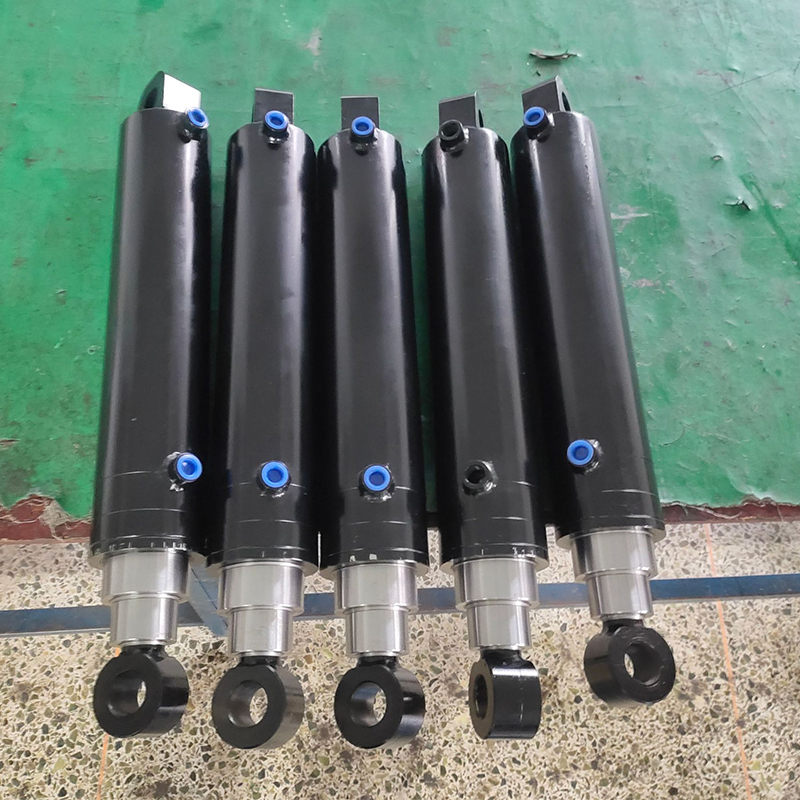
A contractor running a fleet of compact loaders on a quarry site kept sending the same bucket cylinders back for resealing every few months. Each time, the rod seal was scored and the chrome plated rod carried fine circumferential scratches. The shop had fitted premium rod seals, then tried a harder compound, then a different supplier. Nothing lasted. When the service provider finally examined the gland rather than the rod seal, the problem was obvious: the wiper seal was a light-duty lip designed for clean indoor machinery, and in quarry dust it was letting a thin paste of grit ride straight past it on every retraction stroke. The rod seal was not failing. It was being sandpapered.
This article is for cylinder rebuilders, service providers, and stockists who supply seal kits and rod for mobile and industrial equipment. It explains what a rod wiper actually does, the main wiper types, how to match one to the environment, and how wiper failure shows up before the cylinder starts to leak.
What the Wiper Seal Does
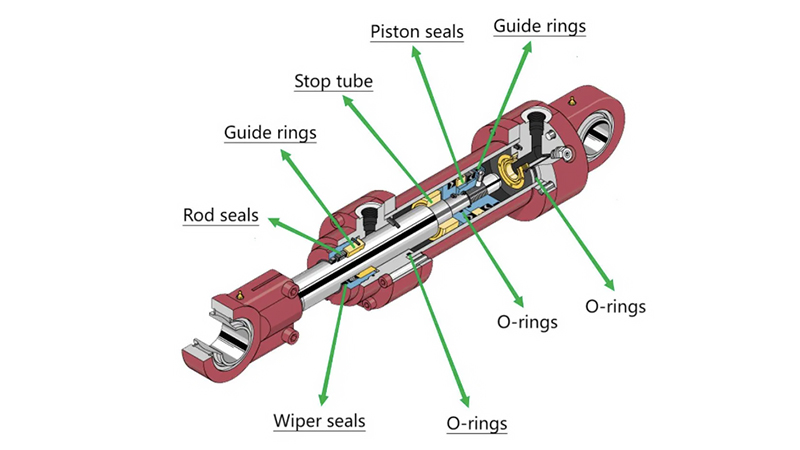
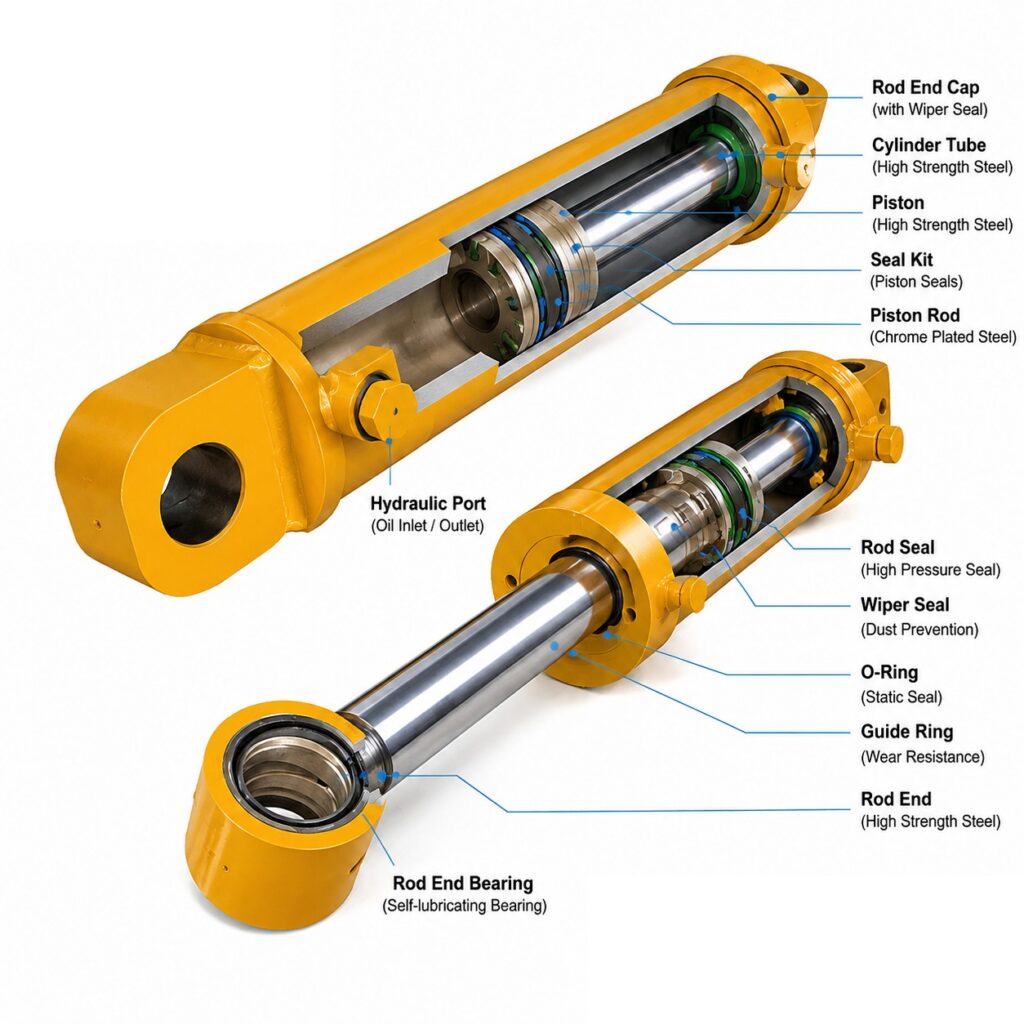
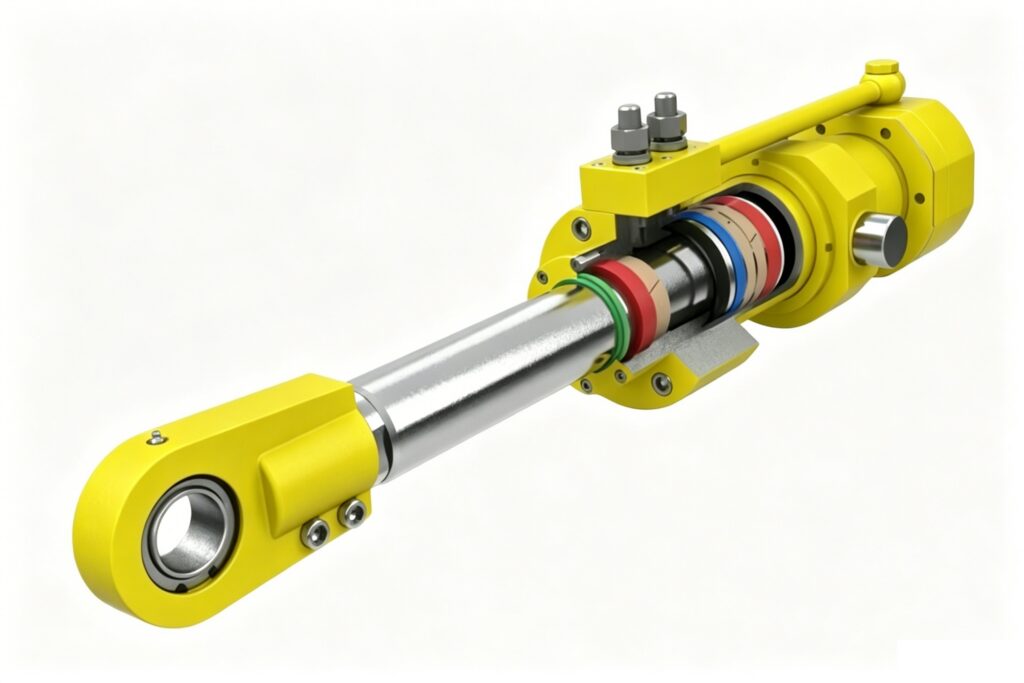
The wiper, also called a scraper or dust seal, sits at the outermost position in the cylinder gland. It is the first line of defence. When the rod extends, it picks up dust, mud, water, and grit from the environment. When the rod retracts, all of that is dragged back toward the cylinder. The wiper’s job is to scrape the rod clean on the way in, so contaminants never reach the rod seal, the guide bushing, or the hydraulic fluid.
This matters because contamination is the leading cause of hydraulic cylinder wear. Particles that get past the wiper embed in the rod seal and act like a lapping compound, scoring the chrome surface and wearing the seal lip. Particles that reach the bushing accelerate wear there too, and anything that enters the oil circulates through pumps and valves. A few cents of wiper protects hundreds of dollars of rod, seals, and system components.
Main Wiper Types
Single-lip wipers have one scraping lip facing outward. They are the most common design and work well in moderate environments. Many are made from polyurethane, which offers good abrasion resistance and a firm scraping edge.
Double-lip wipers add a second, inward-facing lip. The outer lip excludes contamination; the inner lip retains the thin oil film that the rod seal lets through, reducing weeping and helping keep the rod lubricated. They are a good choice where a small oil film on the rod would otherwise attract dirt.
Metal-cased wipers are pressed into a housing and have a metal shell that gives a rigid, secure fit. They are common in heavy mobile equipment, where housing damage or high contamination loads could dislodge a snap-in wiper.
Scraper rings for extreme conditions use a hard metal or reinforced lip, sometimes in combination with an elastomer wiper, to break ice, dried mud, or concrete that a soft lip cannot remove. They suit forestry, snow removal, concrete, and cold-climate equipment where hardened deposits build up on the rod.
Matching the Wiper to the Environment
The environment should drive the choice. A cylinder that lives indoors on clean machinery can run for years on a basic single-lip wiper. A cylinder on construction, mining, agricultural, or sanitation equipment faces abrasive dust, mud, and moisture every day, and needs a robust polyurethane or metal-cased wiper. Where a rod is exposed to dried slurry, ice, or tar, a metal scraper in front of the elastomer wiper stops hard deposits tearing the lip.
Temperature and fluid compatibility matter too. Polyurethane handles most mineral-oil systems and moderate temperatures well, but high-temperature service, aggressive fluids, or very low temperatures may call for different compounds. When a service provider knows the machine, the site, and the season, choosing the right wiper takes minutes and saves repeat repairs.
The Rod and Housing Must Match the Wiper
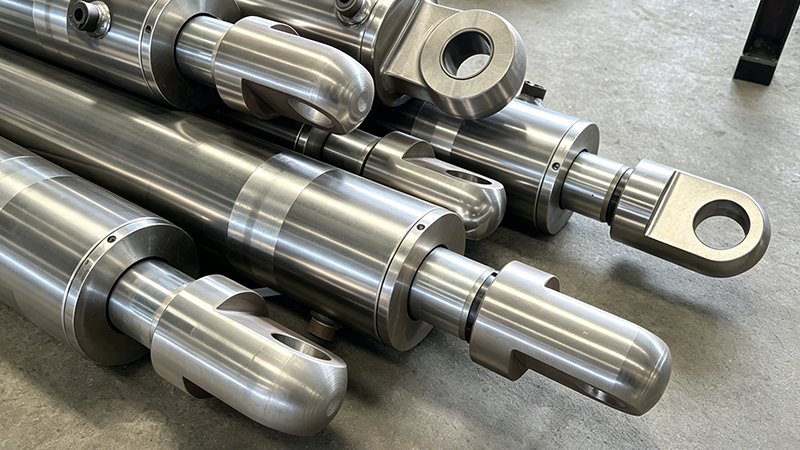
A wiper can only scrape effectively against a surface that allows it. The chrome rod must be smooth, round, and within its diameter tolerance so the lip keeps even contact all the way around. A rod that is scored, pitted, or oval creates gaps where grit passes the lip, and a damaged rod will also cut a new wiper quickly. Replacing a wiper on a scratched rod is a short-lived repair; the rod needs attention first.
The housing groove must also be correct and undamaged. A worn, oversize, or dented groove lets a snap-in wiper rotate or pop out, and a loose wiper excludes nothing. Clean the groove, check its dimensions, and fit the wiper squarely without twisting the lip.
Recognising Wiper Failure Early
Wiper problems show up before major leaks. Signs include a dirt ring building up on the rod just inside the gland, fine circumferential scratches on the chrome, a rod seal that wears faster than expected, and oil contamination found during fluid analysis. A torn, hardened, or missing lip is obvious on inspection, but a wiper that is simply the wrong type can look intact while letting grit through.
For service providers, checking the wiper and the rod surface at every service interval is cheap insurance. Replacing a wiper during routine maintenance costs very little; waiting until the rod seal fails means a strip-down, possibly a new rod, and machine downtime.
Advice for Stockists and Seal-Kit Suppliers
For stockists who sell rod and seal components, the wiper is an opportunity to add value. Customers asking for rod or a seal kit often do not mention the operating environment. Asking where the machine works lets you recommend a heavier wiper for dirty duty, and pairing that with a rod whose surface finish and hardness can withstand the service makes the repair last. The customer remembers the supplier whose rebuild stopped coming back.
Related Reading
- Reseal or Rebuild? A Service Provider’s Guide to Cylinder Repair
- Chrome Plated Rod for Mining and Heavy-Duty Cylinders: Choosing Your Stock
- Hydraulic Cylinders for Mining and Heavy Machinery
Keep Dirt Out, and Seals Last
The wiper is the cheapest part in the gland and one of the most important. Match it to the environment, fit it to a sound rod, and most contamination-driven seal failures disappear.
What We Offer
- Chrome plated rod with hard, smooth surfaces that give wipers even contact and resist scoring
- Honed tube and complete hydraulic cylinders for construction, agricultural, and sanitation equipment
- Guidance on matching rod finish and cylinder design to dirty and wet operating environments
- Mill certificates and full traceability for repair and rebuild projects
Contact EAST AI (eaihydraulic.com) Email: market@east-ai.com Phone: +86 13771568763 Address: Wuxi, Jiangsu, China.
Written by Alex, Production Engineer at EAST AI