
A shipyard’s maintenance supervisor once asked why hatch cover cylinders on one of his vessels needed rebuilding every eighteen months while nearly identical cylinders on a sister ship, bought from a different supplier, ran for years longer in the same route and weather. Both sets of cylinders used honed tube at similar specifications on paper. The difference turned out to be that the first set used standard carbon-steel honed tube with ordinary rust-preventive oil, selected because it was cheaper and the specification sheet did not explicitly call out marine duty, while the second used a bore specifically protected against the salt-laden, constantly humid air that never really leaves a ship’s deck, even when the cylinder itself stays dry.
This article is for shipyards, deck equipment builders, and marine equipment suppliers specifying honed tube for cylinders on hatch covers, cranes, winches, and other deck machinery, and it explains why marine duty deserves a deliberate specification rather than a general industrial default.
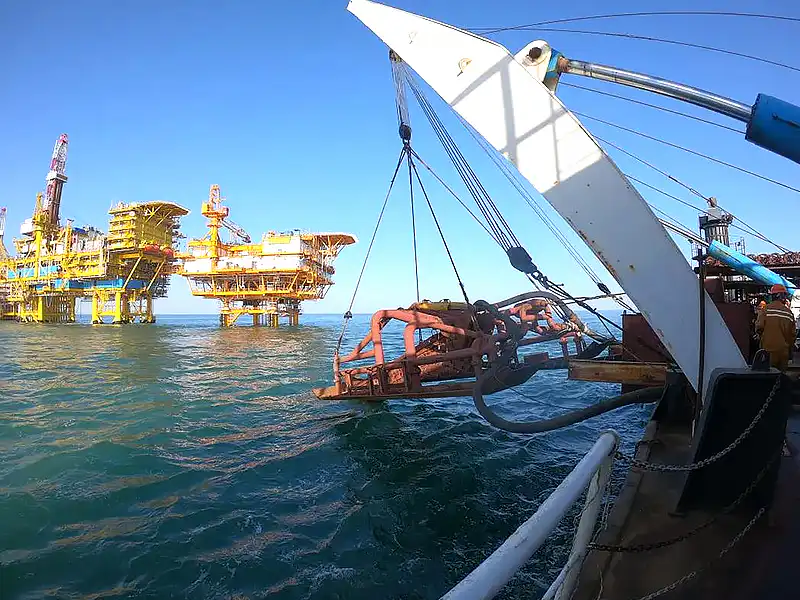
Why Marine Duty Is Harsher Than It Looks
A deck cylinder may never be submerged and may rarely see direct spray, yet it lives permanently in an atmosphere loaded with salt aerosol, carried on sea air even in calm weather and concentrated further by wind and wave action in rough seas. Unlike a coastal land-based application, where salt exposure varies with wind direction and distance from shore, a vessel’s deck equipment is immersed in that atmosphere continuously, every hour of every voyage, with no dry season and no sheltered side. This continuous, inescapable exposure is why marine duty sits at the most demanding end of the corrosion spectrum, well beyond typical coastal or washdown applications.

What Standard Honed Tube Misses in This Environment
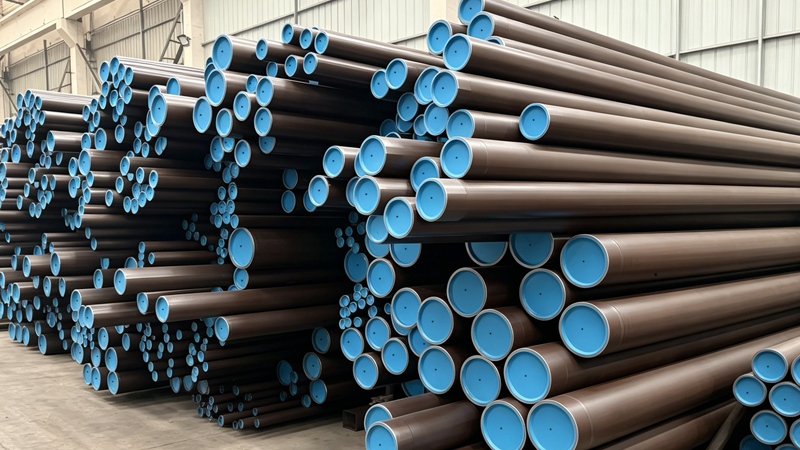
Standard honed tube, protected only by a conventional rust-preventive oil film and relying on seals to keep moisture out of the bore, can perform acceptably in moderate environments but struggles against the sustained salt exposure a vessel’s deck equipment experiences. Internal condensation inside a cylinder that cycles infrequently, common on hatch covers and some crane functions that may sit idle between port calls, compounds the problem: moisture that enters during a humid, idle period has no cycling action to work it back out, and it sits against the bore exactly where corrosion can take hold unnoticed until the next overhaul reveals it.
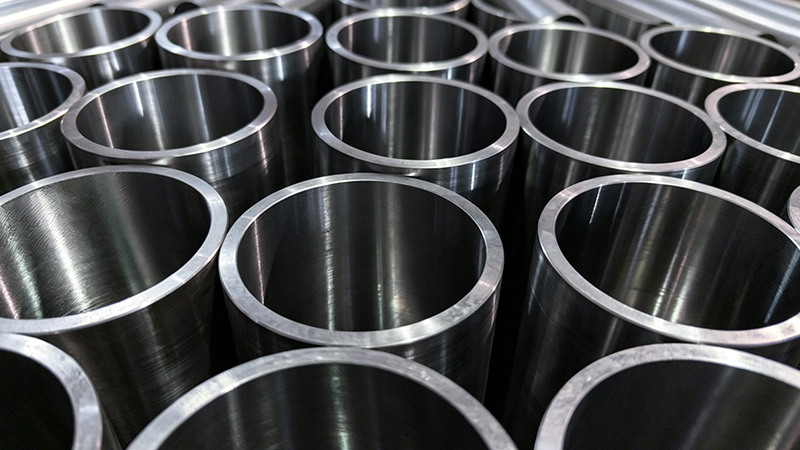
Internally Chrome-Plated Bore for Marine Duty
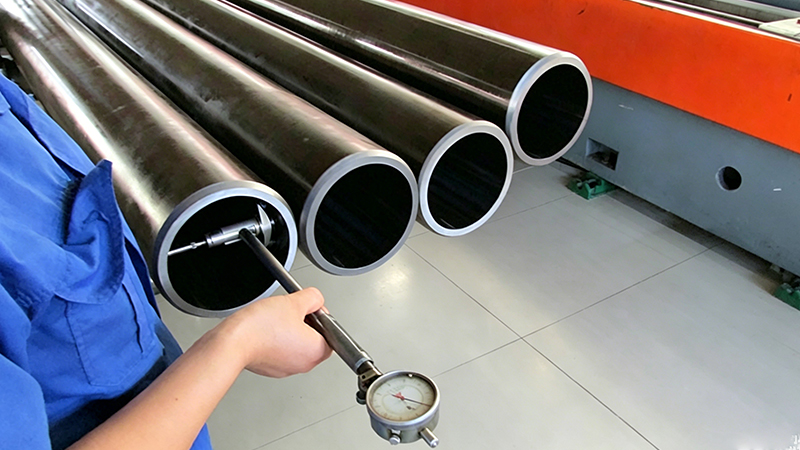
For cylinders in genuinely continuous marine exposure, an internally chrome-plated honed bore provides a corrosion-resistant barrier on the working surface itself, meaningfully extending service intervals compared with an unprotected bore relying on oil film and seals alone. This is the same principle applied to chrome plated rod in coastal duty, extended here to the bore side of the cylinder, and it is the detail that most directly explains why the second set of cylinders in the example above outlasted the first by years rather than months.
Rod-Side Protection to Match
Where the application pairs honed tube with a chrome plated rod, matching the rod’s chrome specification to the same marine severity matters as much as the bore treatment. A standard 20 µm chrome layer suited to general industrial duty is a poor match for continuous salt exposure; a thicker chrome layer, or a duplex nickel-chrome system where service life demands it, protects the rod through the same conditions the bore treatment addresses, and specifying one without the other leaves an obvious weak point in an otherwise well-protected cylinder.
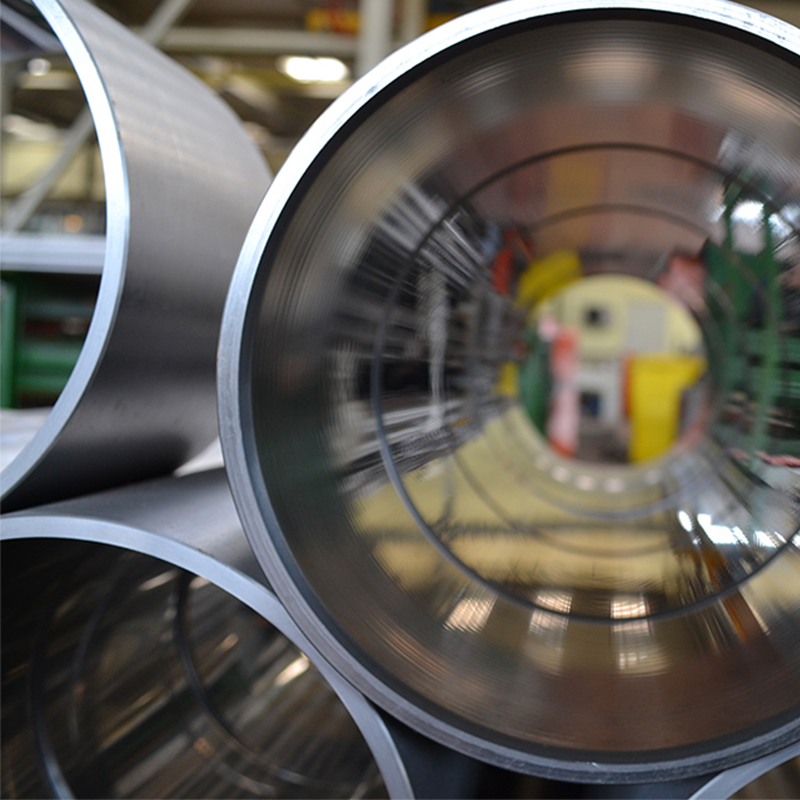
Seal Selection and Material Compatibility
Marine environments also expose seals to salt and, on some vessels, to washdown chemicals and cleaning agents used on deck. Selecting seal materials rated for both the mechanical duty and the chemical and salt exposure, rather than defaulting to whatever seal a land-based cylinder of similar size would use, closes a second common gap: a cylinder with excellent bore and rod protection can still fail early if the seal itself degrades under the specific chemical conditions found on a working deck.

Specifying Marine Duty Explicitly
The practical lesson for shipyards and deck equipment builders is to state marine or offshore duty explicitly on the specification, rather than relying on a general pressure and bore size callout that gives no indication of the corrosion severity the component will actually face. A supplier who understands the difference between occasional coastal exposure and the continuous, inescapable salt atmosphere of a working vessel can recommend the bore treatment, chrome thickness, and seal materials that actually match the duty, rather than quoting a standard industrial cylinder that happens to fit the bolt pattern.
Related Reading
- Corrosion-Resistant Honed Tube Options for Wet and Washdown Environments
- Chrome Plated Rod for Mining and Heavy-Duty Cylinders: Choosing Your Stock
- Honed Tube Wall Thickness and Pressure Rating: A Selection Guide
Specify for the Deck, Not the Catalog
A deck cylinder lives in continuous salt exposure that a general industrial specification was never designed for. State marine duty explicitly, and match bore treatment, rod chrome, and seal materials to the environment the cylinder actually works in.
What We Offer
- Honed tube with standard and internally chrome-plated bore options for marine and offshore duty
- Chrome plated rod in thicknesses matched to continuous salt exposure
- Seal material guidance for marine and washdown chemical compatibility
- Full material traceability for shipyards and deck equipment builders
Contact EAST AI (eaihydraulic.com) Email: market@east-ai.com Phone: +86 13771568763 Address: Wuxi, Jiangsu, China.
Written by Alex, Production Engineer at EAST AI