
A metal fabrication shop once reported that the hydraulic cylinders on their press brake wore unevenly in a way that puzzled their maintenance team: the rod surface near the top of the stroke, where the ram sat between bending cycles, showed a distinct band of wear that the rest of the stroke did not share. The press ran thousands of cycles a day, every one of them repeating almost exactly the same short travel, and the rod spent its working life sliding back and forth across the same narrow band of its own surface, cycle after cycle, with the seal never traveling far enough to spread that wear across a longer length of chrome the way a longer-stroke cylinder would.
This article is for press brake and stamping press builders and maintenance teams specifying chrome plated rod for these high-cycle, short-stroke machines, and it explains why this duty concentrates wear differently than general hydraulics and what that means for rod specification.
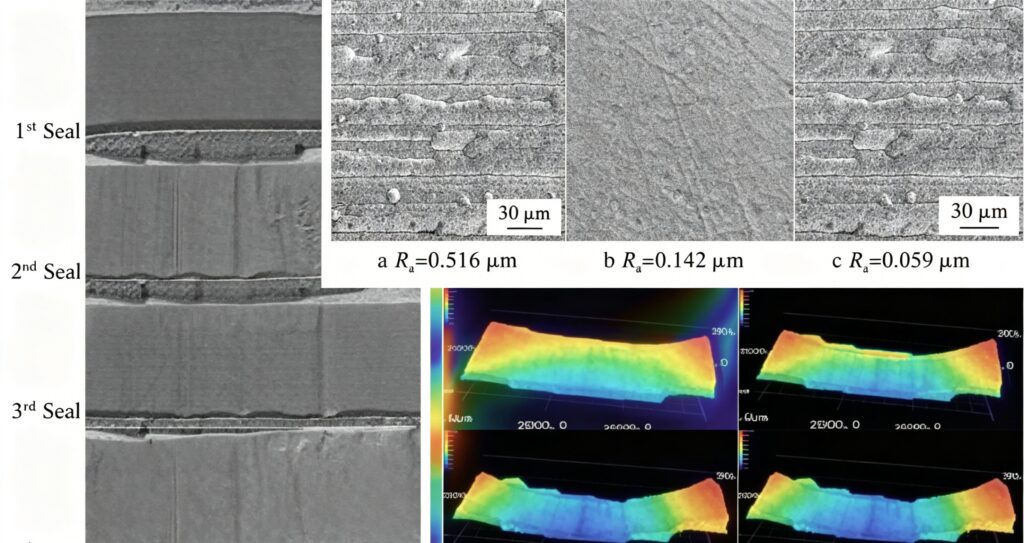
Why Press Cylinders Wear Differently
A press brake or stamping press cylinder typically has a short stroke relative to its diameter, cycling at high frequency through essentially the same travel on every part produced. Where a long-stroke cylinder distributes seal wear across a long section of rod, a short-stroke press cylinder concentrates it onto a comparatively narrow band, and that band experiences a far higher number of seal passes per unit of chrome surface than the same cylinder would if it had a longer stroke. High production shops running presses continuously can accumulate an extraordinary number of cycles over a working year, and all of that wear lands on the same narrow strip of chrome.
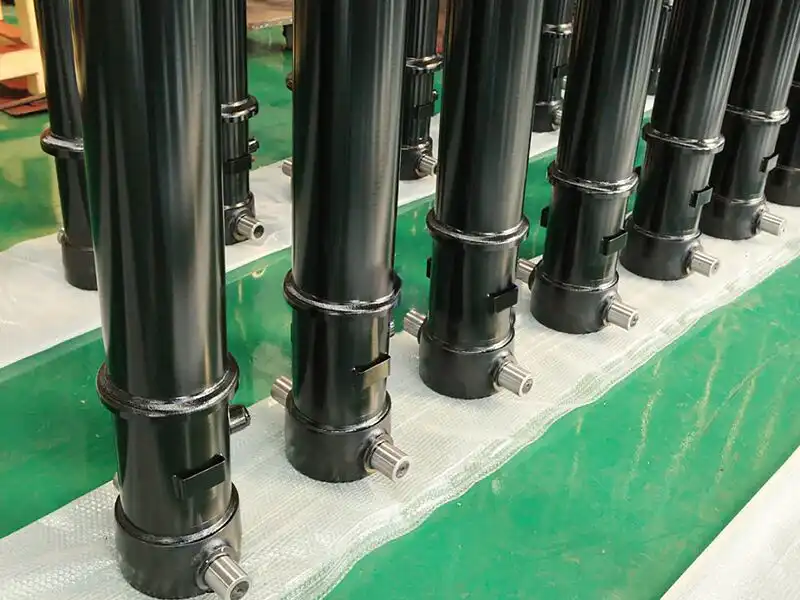
Chrome Hardness and Thickness for Concentrated Wear
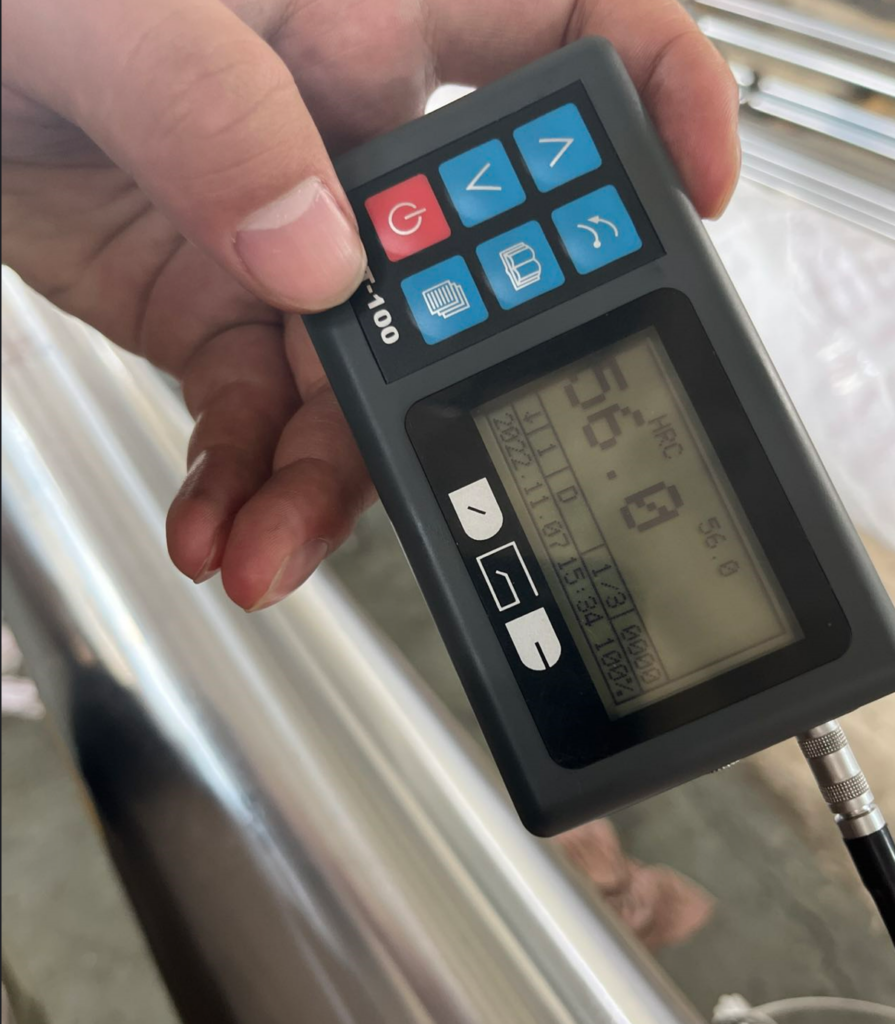
Because wear concentrates so heavily on a narrow band, chrome hardness and thickness in that specific zone matter more here than the average specification across the whole rod length might suggest. A standard chrome thickness that would last comfortably on a long-stroke cylinder with the same total cycle count can wear through noticeably faster on a press cylinder, simply because the same number of seal passes is distributed over a much shorter length of surface. Specifying a chrome thickness and hardness appropriate for high-cycle, concentrated-wear duty, consistent with the standards used for other high-cycle applications like material handling, rather than a general-purpose default, extends the interval before that narrow wear band becomes a leak path.
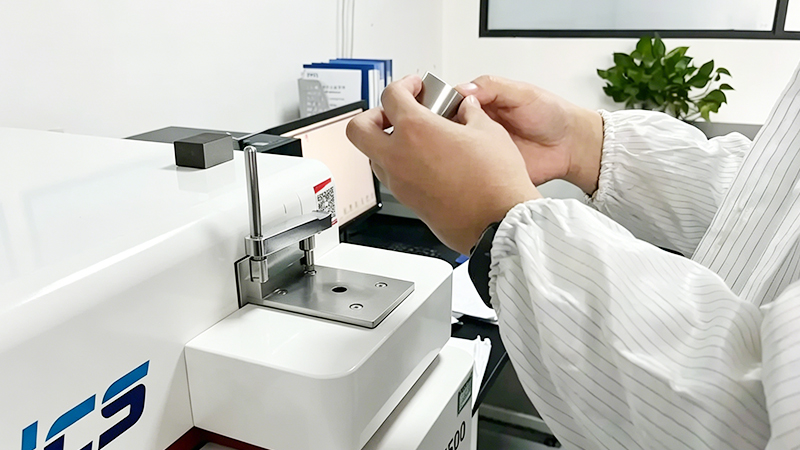
Impact Loading From the Press Cycle
Beyond continuous cycling, press brake and stamping operations impose a distinct shock load at the moment of forming, when the ram meets resistance from the workpiece and the hydraulic system must arrest and reverse motion rapidly. This repeated shock loading places additional demand on the rod’s base steel, not just its chrome surface, favoring a higher-strength base steel core, discussed in relation to bending and fatigue resistance generally, over a plain carbon steel core sized only for steady-state axial load.
Seal and Wiper Considerations for Press Duty
Press shops often run in environments with fine metal dust and lubricant mist from the stamping or bending process itself, settling on the exposed rod section between cycles. A robust wiper suited to this specific contamination, combined with a seal package rated for the high-frequency cycling and shock loading of press operation, protects the chrome surface from accelerated wear in the same concentrated band that already carries the heaviest mechanical load.
Specifying for the Concentrated Wear Zone
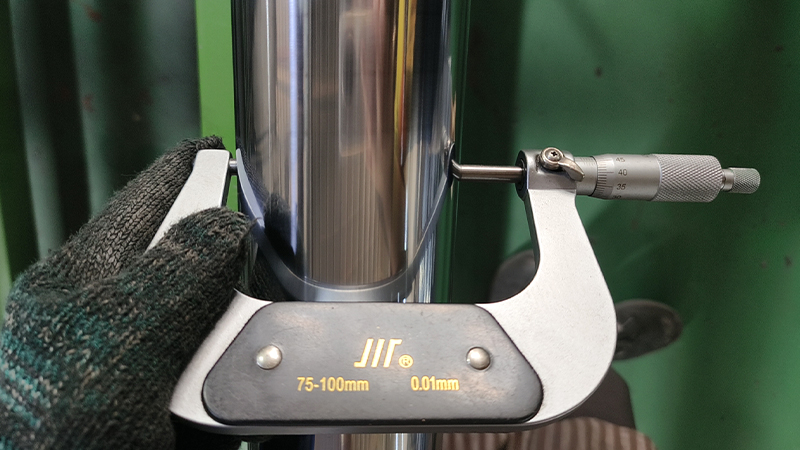
The practical takeaway for press builders and maintenance teams is to think about rod specification in terms of the actual wear band, not just the overall stroke and diameter. A rod spec that performs well on general machinery can fall short on a high-cycle, short-stroke press simply because the wear that would normally spread across a long stroke concentrates into a narrow zone instead. Specifying chrome thickness, hardness, and base steel for that concentrated reality, rather than for the nominal stroke length alone, is what closes the gap between an acceptable rod and one that matches the actual demands of press duty.
Related Reading
- Chrome Plated Rod for Material Handling and Forklift Cylinders
- Chrome Plated Rod Base Steel: Carbon Steel Core vs Alloy Steel Core
- Hydraulic Cylinder Seal Selection: PU vs PTFE by Duty Cycle
The Short Stroke Hides a Concentrated Problem
A press cylinder’s short stroke means every cycle wears the same narrow band of chrome. Specify hardness, thickness, and base steel for that concentrated reality, not for the stroke length alone, and the wear band stops becoming the weak point.
What We Offer
- Chrome plated rod with chrome hardness and thickness matched to high-cycle, concentrated-wear duty
- Alloy steel core options for the shock loading typical of press and stamping cycles
- Guidance on wiper and seal selection for metal dust and lubricant mist exposure
- Full material traceability for press brake and stamping press builders
Contact EAST AI (eaihydraulic.com) Email: market@east-ai.com Phone: +86 13771568763 Address: Wuxi, Jiangsu, China.
Written by Alex, Production Engineer at EAST AI